What Is Cavatelli Pasta A Simple Guide for Beginners

Cavatelli is a small Italian pasta with a curved shape that holds sauce well. It’s a great choice for simple meals, especially with thick sauces, vegetables, or sausage.
What is cavatelli pasta? It’s a small, chewy pasta shape with a curved, shell-like look. Home cooks love it because it grabs sauce well and feels hearty on the plate.
- Shape: Cavatelli is small, curved, and made to catch sauce.
- Best use: It works well with hearty sauces and simple add-ins.
- Buying tip: Check texture, ingredients, and whether you want fresh or dried.
- Cooking tip: Stir early and taste for doneness before draining.
- Storage tip: Keep cooked pasta sealed and reheat gently with sauce.
What Is Cavatelli Pasta? A Simple Answer for Beginners
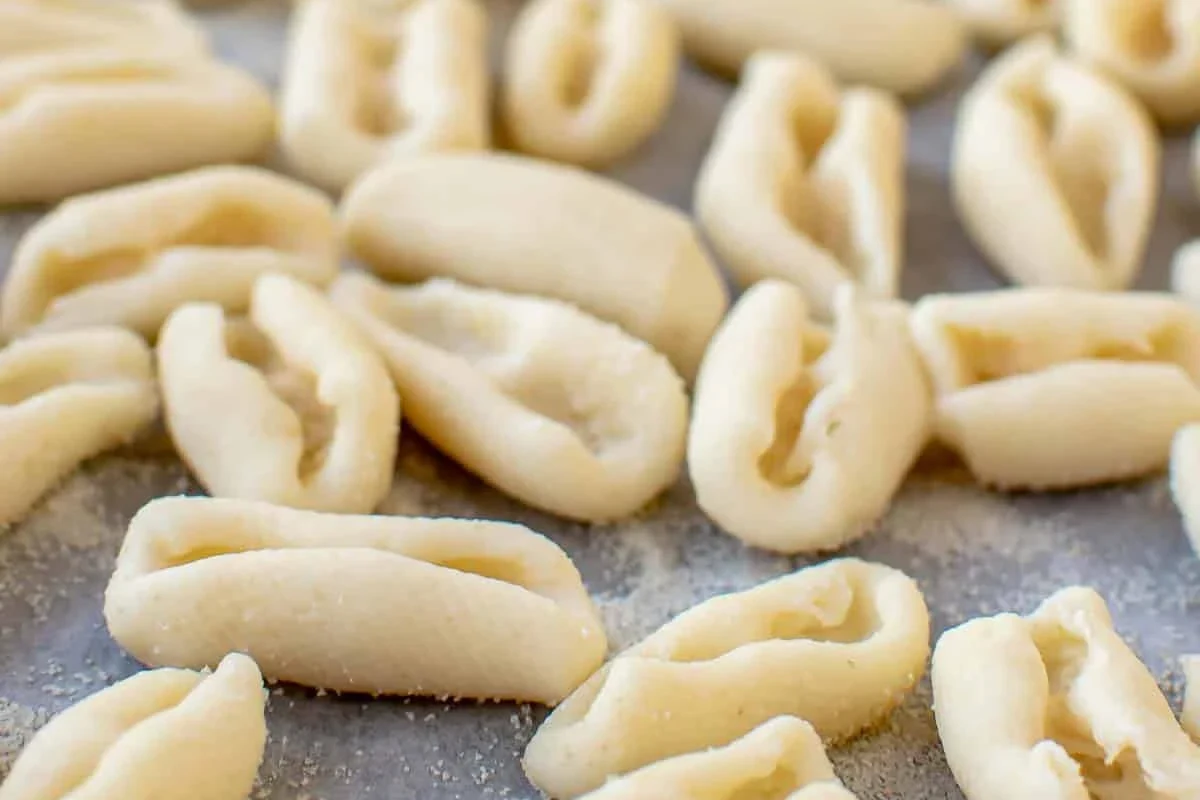
Cavatelli is a small pasta shape from Italy. It looks a bit like tiny hot dog buns or little shells with open centers.
It’s usually made from a simple dough of flour and water. Some versions also use semolina, which gives the pasta a firmer bite.
People often choose cavatelli when they want pasta that feels rustic and filling. It works well in simple meals, which makes it a nice choice for weeknights.
How cavatelli looks, feels, and tastes
Cavatelli has a short, curved shape. The center stays open, so sauce can slip inside and cling to the outside too.
When cooked well, it feels soft but still a little firm. The taste is mild, so it lets the sauce and other ingredients shine.
Why this pasta stands out from other shapes
Many pasta shapes are smooth or long. Cavatelli stands out because it has ridges or a hollow curve that helps it hold sauce.
That texture makes a big difference in simple dishes. Even a light sauce can taste richer when it coats each piece.
Cavatelli is often linked to southern Italian cooking, especially in home kitchens.
Where Cavatelli Comes From and How It Is Made
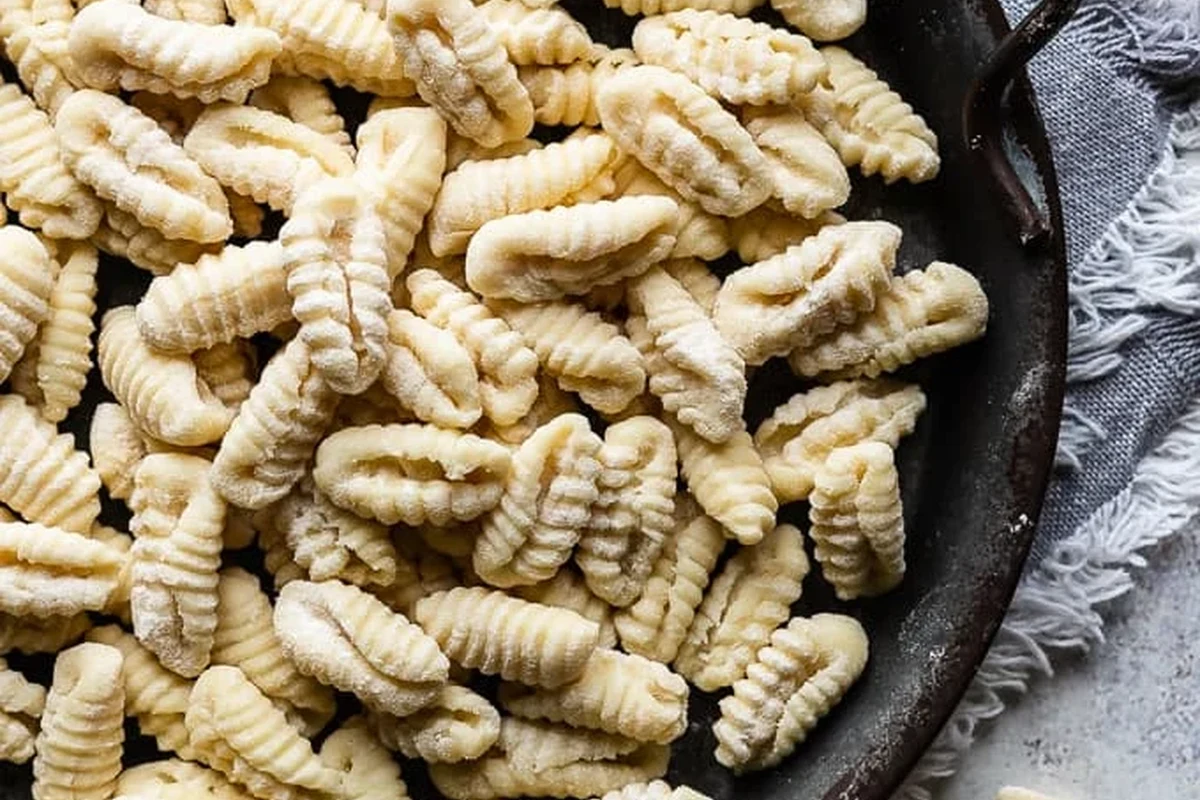
Cavatelli has deep roots in Italian home cooking. Like many traditional pastas, it began as a simple way to turn basic ingredients into a filling meal.
Today, you can still find it in handmade form. You can also buy it fresh, frozen, or dried in many stores.
Its roots in Italian home cooking
This pasta comes from family-style cooking traditions. It was made by hand when people wanted something affordable, useful, and comforting.
That home-style background still shapes how people use it now. It fits well with simple sauces, beans, greens, and meat.
Basic ingredients and dough texture
The dough is usually very simple. Most versions use flour, water, and sometimes semolina.
The dough should feel firm, not sticky. If it feels too wet, the pasta can lose its shape during cooking.
Exact ingredients can vary by region and brand. Always check the package if you need specific flour or allergen details.
How the shape is formed by hand or machine
Many cooks shape cavatelli by pressing and rolling small pieces of dough. That creates the curved center and the textured surface.
Some pasta makers use machines for faster production. The shape can still vary a little, which is normal.
How Cavatelli Pasta Works in Everyday Cooking
Cavatelli is easy to use in real meals. It works with rich sauces, light vegetable mixes, and hearty proteins.
That flexibility is a big reason people keep it in their pantry or freezer.
Why the shape holds sauce so well
The curved shape gives sauce more places to settle. The outside also has enough texture to catch bits of herbs, cheese, and oil.
That means each bite tastes balanced. You don’t need a heavy sauce to get good flavor.
Best sauces, vegetables, and proteins to pair with it
Cavatelli pairs well with garlic, olive oil, tomato sauce, and creamy cheese sauces. It also works with pesto if you want a brighter taste.
For vegetables, try broccoli, spinach, peas, mushrooms, or roasted peppers. For protein, sausage, chicken, beans, or shrimp all fit nicely.
Use thick or medium sauces for the best cling.
Add vegetables and protein for a fuller bowl.
Fresh, frozen, and dried cavatelli compared
Fresh cavatelli often cooks fast and has a softer bite. Frozen pasta gives you convenience and can still taste very close to fresh.
Dried cavatelli lasts longer and stores more easily. It can be a smart pantry choice when you want pasta on hand.
| Option | Best For | Key Consideration |
|---|---|---|
| Fresh | Quick meals with tender texture | Shorter storage time |
| Frozen | Convenience and easy planning | Keep frozen until cooking |
| Dried | Pantry storage and longer shelf life | Texture may be firmer |
What to Look for When Buying Cavatelli Pasta
Buying cavatelli is mostly about texture, ingredients, and how you plan to cook it. A good package should fit your meal style and storage space.
If you shop with those needs in mind, it’s easier to pick the right one.
Ingredient quality and texture
Look for a short ingredient list when possible. Simple dough often gives the most traditional result.
Texture matters too. A rougher surface often holds sauce better than a very smooth one.
Fresh versus dried options
Fresh cavatelli is great when you want a softer bite and a faster cook. Dried cavatelli is better when you want longer storage and pantry ease.
Frozen sits in the middle. It can save time without giving up too much texture.
Price, value, and portion size
Value depends on format, brand, and where you shop. Fresh pasta may cost more, but it can save time.
Check the portion size on the package, since some bags look bigger than they really are. That helps you avoid buying too little for family meals.
Benefits and Limits of Cavatelli Pasta
Cavatelli has a lot going for it, but it’s not the best choice for every dish. Knowing both sides helps you cook smarter.
Why home cooks love it
Home cooks like cavatelli because it feels comforting and easy to pair. It also turns simple ingredients into a meal that feels complete.
It’s a nice option when you want pasta with more texture than plain noodles.
- Holds sauce well
- Works with many simple ingredients
- Feels hearty without needing a lot of extras
When another pasta shape may work better
If you want a very light dish, another shape may be better. Long pasta can work well with thin sauces and delicate toppings.
For baked dishes, larger shapes may be easier to layer. That said, cavatelli still works in many cozy meals.
Diet and ingredient notes to keep in mind
Cavatelli often contains wheat, so it is not right for people who avoid gluten. Some versions may also include eggs or other added ingredients.
If you have food allergies or dietary limits, read the label closely. When in doubt, check the package or ask the maker.
Always check ingredient labels for allergens and special diets. Formulas can vary by brand and region.
Common Mistakes When Cooking Cavatelli
Cavatelli is simple, but a few small mistakes can change the result. Most problems come from timing, sauce choice, or handling the pasta too roughly.
Overcooking and undercooking problems
Overcooked cavatelli can turn soft and lose its shape. Undercooked pasta feels too firm in the center and may taste doughy.
Start checking a minute or two before the package says it should be done. Fresh and dried versions often cook at different speeds.
Using too little sauce or the wrong sauce
Cavatelli needs enough sauce to coat the pasta well. If the bowl looks dry, the shape can feel less satisfying.
Very thin sauces may slide off too easily. A sauce with some body usually gives better results.
How to keep the pasta from sticking together
Stir the pasta soon after it goes into the water. That helps keep the pieces separate.
If you’re holding it before serving, toss it with a little sauce or olive oil as needed. Don’t let it sit in a clump for too long.
- Stir early and often during cooking
- Taste a piece before draining
- Use enough sauce to coat each bite
- Letting pasta sit in hot water too long
- Serving it with a very thin sauce
- Skipping the stir after adding it to the pot
How to Store, Clean Up, and Reheat Cavatelli
Good storage and cleanup make pasta night much easier. A little care also helps cavatelli keep its best texture.
Storing fresh, cooked, and frozen pasta
Fresh cavatelli should go into the fridge or freezer based on the package directions. Cooked pasta should be cooled and stored in a sealed container.
Frozen pasta should stay frozen until you’re ready to cook it. That helps protect both texture and food safety.
Scrape dough bits from boards and tools right away.
Check storage containers for cracks, residue, or stale odors.
Simple cleanup tips for dough and tools
Let dough scraps dry a little before wiping them away. That often makes cleanup easier than trying to scrub wet dough.
Wash tools soon after use, especially if the dough contains flour and water only. Dried bits can stick fast.
Best ways to reheat without losing texture
Reheat cavatelli gently with a little sauce or a splash of water. That helps it warm through without drying out.
Microwaving works in short bursts, but low heat on the stove often gives better texture. Stir once or twice so it heats evenly.
- Save a little pasta water to loosen sauce later.
- Reheat only the portion you plan to eat.
- Keep cooked pasta covered so it does not dry out.
Final Recommendation: Is Cavatelli Pasta Worth Trying?
Yes, cavatelli is worth trying if you like pasta with texture and good sauce grip. It’s easy to enjoy, even if you’re new to Italian cooking.
It also gives everyday meals a more handmade feel without much extra work.
Who should try it first
If you enjoy rustic pasta dishes, start with cavatelli. It’s also a good pick if you want a shape that works with vegetables, beans, and sausage.
Beginners can use it with simple sauce and still get a satisfying bowl.
Best use cases for weeknight meals and special dinners
For weeknights, cavatelli works well with quick tomato sauce, olive oil, or leftover vegetables. That makes dinner feel complete without a long prep time.
For special dinners, it pairs nicely with richer sauces and hearty add-ins. In short, it’s a flexible pasta that earns its place in the kitchen.
Cavatelli is a smart choice if you want a simple pasta that holds sauce well and feels hearty. If you need a very light pasta or a shape for thin sauces, another option may fit better.
Frequently Asked Questions
Cavatelli has a mild, simple flavor. Its chewy texture makes it a good match for sauce, vegetables, and cheese.
You can find cavatelli in all three forms. Fresh cooks fast, frozen is convenient, and dried stores well in the pantry.
Thicker sauces usually work best because they cling to the shape. Tomato sauce, pesto, garlic oil, and creamy sauces are all good choices.
Stir it soon after it enters the pot and use enough water. If needed, toss the cooked pasta with sauce right away.
Store cooked cavatelli in a sealed container in the fridge. Reheat it gently with a little sauce or water so it stays soft.
Yes, it is easy to use and pairs well with simple meals. It’s a good choice if you want pasta that feels hearty and holds sauce well.