How Many Cups in a Pound of Pasta Easy Guide for Cooks

A pound of pasta is usually about 4 to 8 cups, depending on the shape. Long pasta tends to measure higher, while short pasta often measures lower.
If you’re asking how many cups are in a pound of pasta, the short answer is that it depends on the shape. For most dry pasta, a pound is about 4 to 8 cups before cooking.
- Shape matters: Long, short, and tiny pasta all measure differently.
- Dry vs cooked: Cup counts change a lot after pasta cooks.
- Best accuracy: A kitchen scale gives the most exact result.
- Easy estimates: Spaghetti is near 8 cups, while penne is often 4 to 5 cups.
How Many Cups in a Pound of Pasta? The Quick Answer
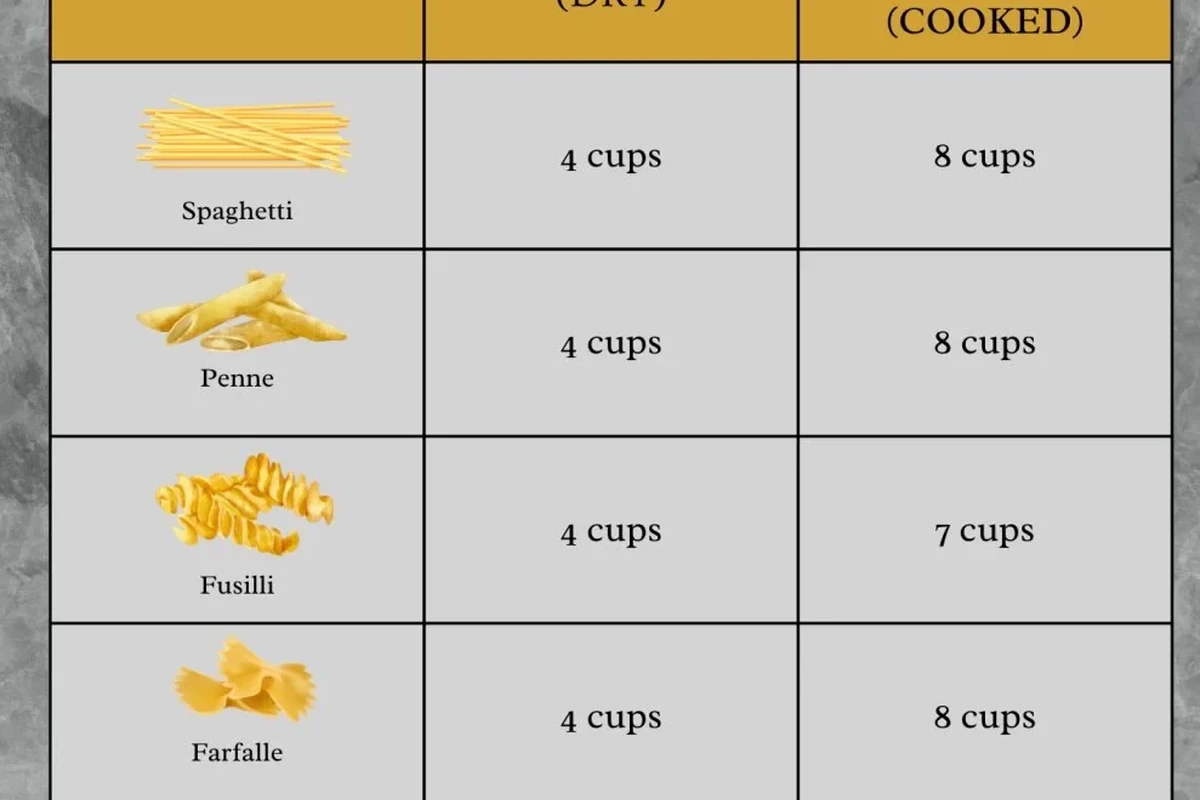
The cup count changes because pasta shapes take up different amounts of space. Long pasta, short pasta, and tiny pasta all pack into a cup in different ways.
Dry pasta vs cooked pasta
Dry pasta and cooked pasta are not the same thing. Dry pasta is dense and compact. Cooked pasta holds water, so it expands and weighs more.
That means one pound of dry pasta gives you much more than one pound of cooked volume. If a recipe asks for cups, check whether it means dry or cooked pasta.
Why the answer changes by pasta shape
Shape matters because air space changes the measurement. Long pasta strands leave more gaps. Small shapes settle tighter in the cup.
That is why a pound of spaghetti will not fill the same number of cups as a pound of elbow pasta.
The exact cup count can vary by brand, shape, and how tightly you fill the cup.
What Affects the Cup Count in a Pound of Pasta
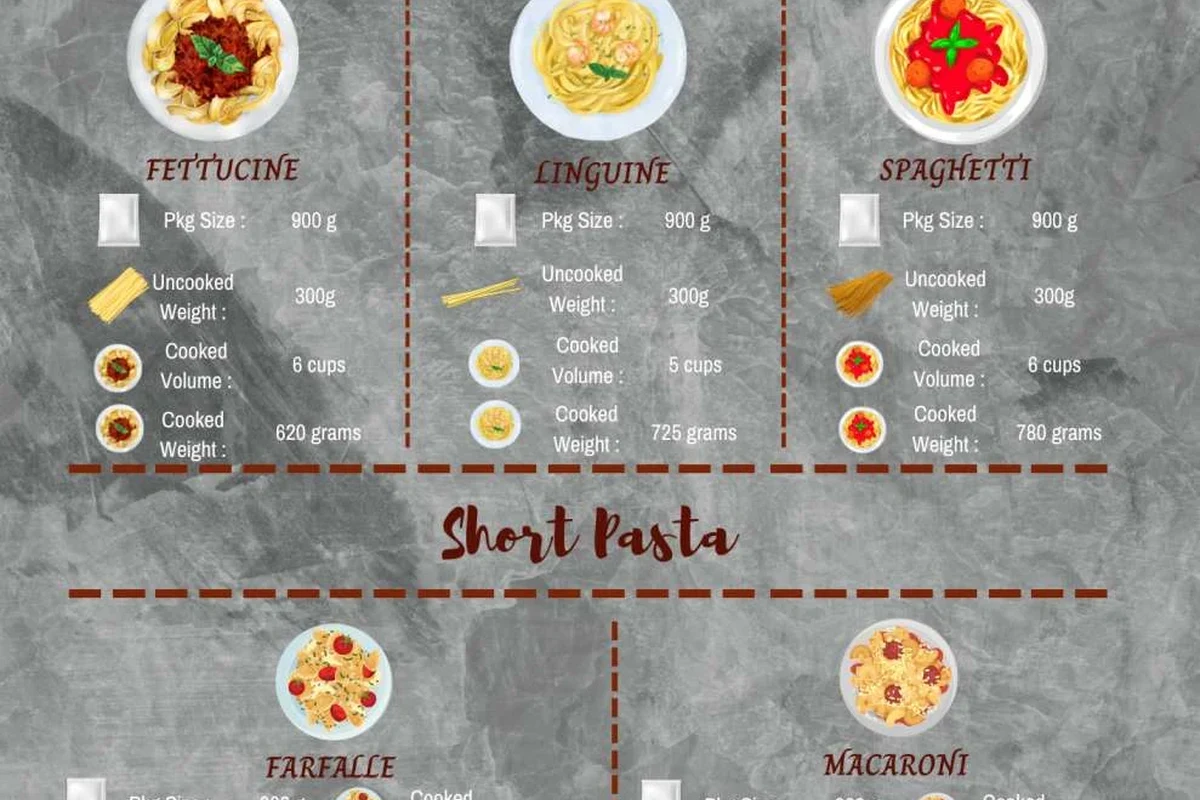
Several simple things change how much pasta fits in a cup. The biggest one is shape, but breakage and packing style also matter.
Long pasta like spaghetti and linguine
Long pasta tends to measure by bundle, not by loose pouring. The strands cross over each other and leave open space.
That means a pound often looks like fewer cups than people expect. If you break the strands, the cup count can rise a bit.
Short pasta like penne, rotini, and elbows
Short pasta usually packs more tightly in a measuring cup. The pieces settle into the gaps more easily.
That is why a pound of penne or elbows often gives a higher cup count than long pasta.
Small pasta like orzo and ditalini
Very small pasta acts more like grains than noodles. It fills space fast and settles with little air between pieces.
So a pound of tiny pasta can measure into more cups than a pound of spaghetti.
Simple Measuring Guide for Common Pasta Types
These estimates help with everyday cooking. They are not exact lab numbers, but they work well for home kitchens.
Easy Pasta Measuring Basics
Use these quick estimates when your recipe gives weight, but your kitchen tools are cup-based.
Estimated cups per pound for long pasta
For long dry pasta, a pound is often about 8 cups when broken or loosely measured. Whole strands may measure a little differently.
- Spaghetti: about 8 cups
- Linguine: about 8 cups
- Fettuccine: about 8 cups
These are rough kitchen estimates. The shape and thickness can shift the result.
Estimated cups per pound for short pasta
For short pasta, a pound is often about 4 to 6 cups. The exact amount depends on the cut and how much air stays between the pieces.
- Penne: about 4 to 5 cups
- Rotini: about 4 to 6 cups
- Elbows: about 4 to 6 cups
Short pasta often feels easier to measure by cup. Still, the cup count can swing a little from one brand to another.
Estimated cups per pound for small pasta
For small pasta, a pound is often about 6 to 8 cups. Tiny shapes settle well and use less empty space.
- Orzo: about 6 to 7 cups
- Ditalini: about 6 to 7 cups
- Small shells: about 6 to 8 cups
These numbers are handy for soup, salad, and side dishes. They help when you do not have a scale nearby.
Dry pasta usually doubles or even triples in volume after cooking, depending on shape.
When to Use Cups and When to Use a Kitchen Scale
Cups are quick. A scale is more exact. The best tool depends on what you’re making.
Best times to measure by cup
Cups work well for casual meals and simple weeknight cooking. They are also fine when the recipe is flexible.
If you are making soup, baked pasta, or a family dinner, a cup measure is often good enough.
Best times to weigh pasta instead
Use a scale when the recipe needs accuracy. This helps with meal prep, food cost control, and recipe testing.
A scale is also better when you want the same result every time.
Why weight gives more exact results
Weight does not change with shape, packing, or how you scoop. That makes it steadier than cups.
If a recipe says one pound, a scale gives you one pound. No guesswork needed.
If you cook pasta often, keep a small scale near your dry goods. It saves time and cuts waste.
How Pasta Measurements Affect Recipes
Pasta measurements change more than the noodle count. They also affect sauce, serving size, and the final texture of the dish.
Serving size planning for family meals
One pound of pasta can feed a crowd, but the number of servings depends on appetite and the rest of the meal. A big salad or bread on the side changes the math.
For a main dish, many home cooks plan smaller portions per person. For a side dish, the same pound may serve more people.
Matching pasta to sauce amounts
Too much pasta can make a dish dry. Too little pasta can leave extra sauce in the pan.
When you measure pasta well, the sauce coats better and the dish tastes more balanced.
Scaling recipes up or down
Recipe scaling gets easier when you know the cup count. You can double or halve the pasta with less stress.
That helps when you cook for one night or for a full family table.
Common Pasta Measuring Mistakes to Avoid
Most pasta errors are simple. The good news is that they are easy to fix once you know what to watch for.
Packing pasta too tightly in the cup
Do not press pasta down hard into the cup. That gives you too much pasta and throws off the recipe.
Instead, let it settle naturally. Light leveling is fine.
Confusing dry and cooked measurements
This is one of the most common mistakes. One cup of dry pasta is not the same as one cup of cooked pasta.
Always read the recipe carefully. The cooking stage changes the size a lot.
Using the wrong cup for the job
Use a standard dry measuring cup when the recipe calls for cups. A drinking cup can give you the wrong amount.
That small mistake can change the whole dish.
For food safety, store dry pasta in a cool, dry place and keep it sealed against moisture and pests.
Practical Tips for Better Pasta Results
A few small habits make pasta measuring much easier. They also help you waste less and cook with more confidence.
How to measure pasta without stress
Start with the recipe and decide if you need cups or weight. If the shape is odd, a scale is the safer choice.
If you use cups, measure once and note the result for next time. That makes repeat cooking easier.
Storage tips for dry pasta
Keep dry pasta in a sealed container or its original package. Store it away from heat and damp air.
Good storage helps pasta stay fresh longer and keeps pantry bugs out.
Budget and value tips for home cooks
Buying pasta in larger bags can save money, but only if you store it well. Loose counting by cup can also lead to waste.
When you know the rough cup count, you can plan meals more wisely and stretch ingredients further.
- Measure long pasta by bundle when possible.
- Use a scale for the most repeatable results.
- Keep a note of your favorite pasta brand’s cup count.
Final Recommendation for Home Cooks
For most kitchens, the best method is simple. Use cups for quick cooking and a scale for accuracy.
If you want the easiest answer to how many cups in a pound of pasta, remember this: long pasta usually lands near 8 cups, while short pasta often lands around 4 to 6 cups. Tiny pasta may fall somewhere in between or a bit higher.
Best method for most kitchens
A standard dry measuring cup works fine for everyday meals. It is fast, simple, and good enough for many recipes.
That said, a small kitchen scale gives better repeat results.
When precision matters most
Choose weight when you want exact portions, exact sauce balance, or exact recipe results. That matters most for testing, scaling, and careful meal prep.
In short, cups are convenient, but weight is more exact.
- One pound of pasta usually equals 4 to 8 cups, depending on shape.
- Long pasta, short pasta, and small pasta all measure differently.
- A scale gives the most exact results.
- Use cups for convenience and weight for precision.
For everyday cooking, cup estimates are usually enough. For the most reliable pasta results, weigh the pasta when you can.
Frequently Asked Questions
A pound of spaghetti is usually about 8 cups when measured dry. The exact amount can change a little if the strands are broken or packed loosely.
A pound of penne is often about 4 to 5 cups dry. Short pasta packs more tightly, so it usually takes up less space than long pasta.
No, dry pasta and cooked pasta are not the same. Pasta absorbs water as it cooks, so the volume and weight change a lot.
Use cups for quick everyday cooking and weight for the most exact results. A kitchen scale is better for recipe testing, meal prep, and portion control.
Different shapes leave different amounts of air space in a measuring cup. Long pasta, short pasta, and tiny pasta all settle in different ways.
A drinking cup is not a reliable substitute for a dry measuring cup. It can hold a different amount and throw off the recipe.