What Is Bronze Cut Pasta and Why It Tastes Better

Bronze cut pasta is pasta shaped with bronze dies, which leaves a rough surface that holds sauce better. It often tastes more rustic and works best with simple sauces.
Bronze cut pasta is pasta shaped through bronze dies instead of smooth Teflon dies. That gives it a rougher surface, so sauce clings better and the bite feels more rustic.
- Rough texture: Bronze dies leave tiny ridges that help sauce cling.
- Better bite: Many cooks like the firmer, more rustic feel.
- Label matters: Look for bronze cut and slow-dried wording.
- Best with sauce: It shines with tomato, pesto, oil, and butter sauces.
What Bronze Cut Pasta Really Means
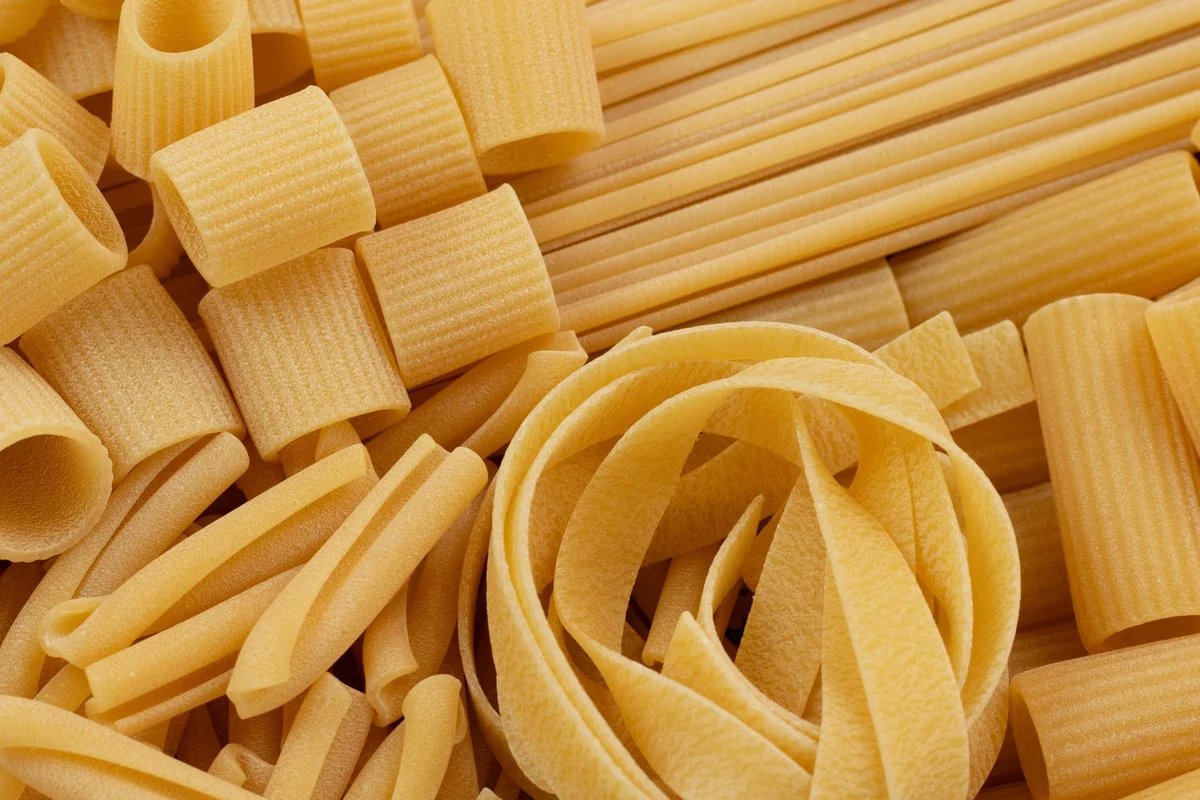
If you’ve seen this term on a box, it usually points to texture, sauce grip, and a slower, more careful process.
For many home cooks, that’s the whole appeal. It can make a simple weeknight pasta taste a little more like a restaurant dish.
In short: bronze cut pasta is less about shape and more about how the pasta is made.
What Is Bronze Cut Pasta?

Bronze cut pasta is pasta pushed through bronze dies during shaping. The bronze die leaves tiny ridges and pores on the surface.
That rough finish helps the pasta hold sauce. It also changes the mouthfeel, which many people describe as more hearty.
The simple answer in plain terms
Think of it this way. Smooth pasta is slick, while bronze cut pasta has a grabbier surface.
That surface can make even a simple tomato sauce feel fuller. It can also help oil-based sauces cling a little better.
How bronze dies shape the pasta surface
Bronze dies act like a mold with texture. As the dough passes through, the metal leaves a slightly rough skin.
That rough skin is the key difference. It gives the pasta more surface area for sauce to stick to.
Why the texture looks rougher than regular pasta
Regular pasta often looks smooth and shiny. Bronze cut pasta looks duller and a bit more matte.
That look is not a flaw. It usually means the pasta was made for better sauce grip, not for a glossy finish.
Pasta makers often pair bronze dies with slower drying. That can help protect texture and flavor.
How Bronze Cut Pasta Is Made
The process starts with dough made from flour and water. Some styles also use eggs, depending on the shape and recipe.
The dough is pushed through a bronze die under pressure. Then it gets dried before it is packed and sold.
What bronze dies are and how they work
Bronze dies are metal shaping tools used in pasta making. They form the pasta and leave that rough, grainy finish.
Many makers use them because they create a surface that sauce can hold onto. That is a big reason bronze cut pasta has a loyal following.
The role of dough, moisture, and pressure
Good pasta dough needs the right moisture level. Too wet, and it can stick. Too dry, and it can break or shape poorly.
Pressure matters too. The dough has to move through the die evenly so the shape stays consistent.
Exact ingredients and methods vary by brand, shape, and region. Always check the package if you need egg-free, whole grain, or gluten-free pasta.
How drying time affects the final pasta
Drying changes texture, shelf life, and sometimes flavor. Slower drying can help preserve the pasta’s shape and bite.
Fast drying may work fine for some products. Still, many shoppers see slow drying as a sign of higher care.
Why Bronze Cut Pasta Tastes Better
Bronze cut pasta does not change the sauce itself. Instead, it changes how the sauce sits on the noodles.
That can make each bite taste more balanced. You get more sauce on the pasta, not just at the bottom of the bowl.
How the rough surface holds sauce
The rough surface acts like tiny hooks. Sauce gets into those small spaces and stays there.
This matters most with light sauces and simple recipes. A smooth noodle can let sauce slide off more easily.
Use a little pasta water when finishing the sauce. The starch helps the sauce cling even better.
Why it can feel more hearty and rustic
Bronze cut pasta often has a firmer, more old-world feel. It can make a meal seem more thoughtful, even when the recipe is simple.
That rustic texture is part of the charm. It gives the dish a more handmade feel.
How flavor and texture work together
Flavor is not just about taste on the tongue. Texture changes how you experience the whole bite.
When sauce, pasta, and chew work together, the dish feels richer. That is why many cooks prefer bronze cut pasta for special meals.
Bronze Cut Pasta vs Regular Pasta
Both types can taste good. The main difference is how they carry sauce and how they feel in the mouth.
Regular pasta is often smoother and cheaper. Bronze cut pasta usually aims for better texture and better sauce grip.
The biggest difference is surface texture. That one detail changes sauce cling, bite, and the final feel of the dish.
Key differences in texture and sauce grip
Bronze cut pasta has a rough, porous surface. Regular pasta usually has a smoother, more polished surface.
That means bronze cut pasta holds sauce better. It also tends to feel a little more substantial when you eat it.
- Better sauce grip
- More rustic texture
- Often feels more premium
- Often costs more
- Not always needed for every sauce
- Quality varies by brand
Differences in price, quality, and use
Bronze cut pasta often sits in a higher-value category. You may pay more for the shaping method and slower drying.
That said, price alone does not guarantee quality. Ingredient quality and drying care still matter a lot.
Which type works best for simple or rich sauces
Bronze cut pasta shines with simple sauces. Think tomato, garlic, olive oil, butter, or light cream sauces.
Regular smooth pasta can still work well with rich, heavy sauces. Those sauces coat everything easily, so texture matters less.
How to Choose Good Bronze Cut Pasta
Not every box with “bronze cut” on it will be great. A quick label check can help you buy smarter.
Look for signs of careful production, not just marketing words.
- Bronze cut or bronze die wording
- Slow-dried or low-temperature dried if listed
- Simple ingredient list
- Shape that fits your sauce
What to look for on the label
Start with the ingredient list. Good pasta usually keeps it simple.
Then look for terms like bronze cut, bronze die, or extruded through bronze. Those words are your best clue.
Signs of quality ingredients and slow drying
Durum wheat semolina is common in quality dried pasta. It often gives a firmer bite after cooking.
Slow drying can also point to more careful production. It may help the pasta keep a better texture after boiling.
Best shapes for everyday cooking
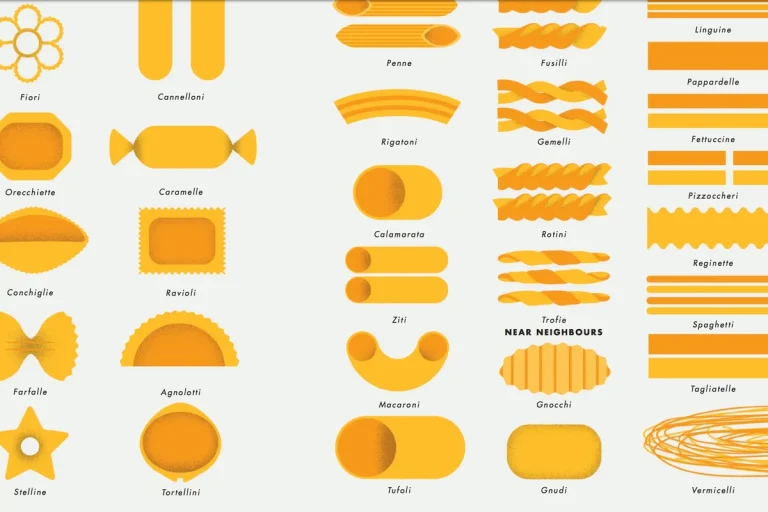
Some shapes work especially well with bronze dies. Rigatoni, penne, fusilli, and shells are popular picks.
For everyday cooking, choose shapes that match how you serve sauce. Short shapes are easy for baked dishes and thick sauces.
Best for chunky sauce and baked pasta dishes.
Best for light sauces and quick weeknight meals.
Common Mistakes When Cooking Bronze Cut Pasta
Bronze cut pasta still needs good cooking habits. The texture can go from great to mushy fast.
A few simple mistakes can undo the benefit of the rough surface.
Using too little water or too much salt
Use plenty of water so the pasta can move freely. Crowded pasta can stick and cook unevenly.
Salt helps flavor the pasta, but too much can throw off the dish. Follow your usual pasta water habit if it works well.
Overcooking and losing the firm bite
Bronze cut pasta often tastes best when it still has a firm bite. That texture is part of the point.
Start checking a minute or two before the package time ends. Different brands can cook at different speeds.
Boiling water can cause serious burns. Use a large pot, keep handles turned in, and stay near the stove.
Skipping sauce timing and pasta water
Don’t drain the pasta and leave it sitting too long. It can dry out and lose its best texture.
Save some pasta water before draining. That starchy water helps the sauce coat the noodles better.
The sauce slides off the pasta.
Finish the pasta in the sauce with a splash of pasta water.
Best Ways to Cook and Serve Bronze Cut Pasta
This pasta works best when you treat it like part of the sauce, not just the base under it.
A little extra care at the end can make a big difference on the plate.
Simple sauce pairings that work well
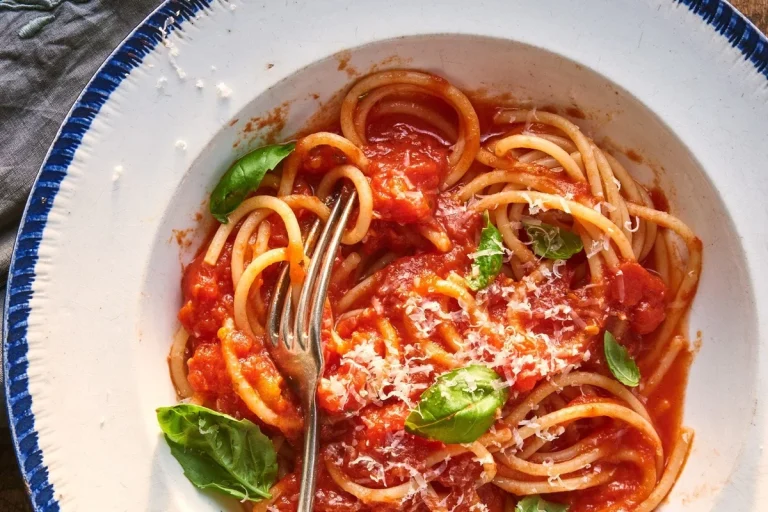
Try bronze cut pasta with tomato sauce, pesto, garlic and oil, or browned butter. These sauces benefit from better grip.
It also works well with sausage, mushrooms, or roasted vegetables. The rough texture helps hold onto small bits of food.
How to finish pasta in the pan
Stop boiling when the pasta is just shy of tender.
Let the pasta finish cooking in the pan for better flavor.
Use a small splash to loosen the sauce and help it cling.
This method helps the pasta and sauce come together. It also keeps the dish from feeling dry.
When bronze cut pasta is worth the extra cost
It is worth it when the sauce matters. If you want a more polished bowl of pasta, bronze cut can be a smart upgrade.
If you are making a simple buttered noodle dish for kids, regular pasta may be just fine. The best choice depends on the meal.
Final Verdict: Is Bronze Cut Pasta Worth It?
Yes, for many home cooks, bronze cut pasta is worth trying. The rough surface helps sauce cling, and the bite often feels more satisfying.
It is not magic, though. Good sauce, good cooking, and good timing still matter just as much.
Who should buy it and who can skip it
Buy it if you care about texture, sauce grip, and a more rustic feel. It is a strong choice for cooks who want better results from simple sauces.
You can skip it if you mostly cook heavy, rich sauces or want the lowest-cost option. In those cases, regular pasta can still do the job well.
Clear recommendation from Red Kitchen Project
Red Kitchen Project recommends bronze cut pasta for cooks who want a better sauce-to-noodle balance. It is a small upgrade that can make a real difference.
For the best results, check the label, cook it carefully, and finish it in the sauce. That is where bronze cut pasta really earns its keep.
- Bronze cut pasta has a rough surface that holds sauce better.
- It often tastes more rustic and feels more substantial.
- It works best with simple sauces and careful finishing.
- Regular pasta still makes sense for budget meals and rich sauces.
Frequently Asked Questions
Bronze cut pasta is shaped through bronze dies, which leave a rougher surface. That texture helps sauce cling better and can improve the bite.
It can be better if you want more sauce grip and a rustic feel. Regular pasta can still be a good choice for budget meals and rich sauces.
Simple sauces work especially well, like tomato, garlic and oil, pesto, or butter sauces. The rough surface helps those sauces stay on the pasta.
Cook it in plenty of salted water and start checking a little before the package time ends. Finish it in the sauce for the best texture.
Look for bronze cut, bronze die, or similar wording, plus a simple ingredient list. Slow-dried pasta can also be a good sign of careful production.
It is often worth it if you care about texture and sauce cling. If you mainly want the cheapest option, regular pasta may be enough.