Is Miso Paste Gluten Free What You Need to Know

Miso paste can be gluten free, but only when the ingredients and label confirm it. The safest choice is certified gluten free miso with no wheat or barley.
Yes, miso paste can be gluten free, but not always. The answer depends on the grains used, the brand, and the label. If you need to avoid gluten, check each tub before you buy or cook.
- Not always safe: Some miso paste contains wheat or barley.
- Label first: Ingredient lists matter more than color or style.
- Best choice: Certified gluten free miso is safest for strict diets.
- Cooking use: Gluten free miso works in soups, sauces, and pasta dishes.
Is Miso Paste Gluten Free? The Short Answer
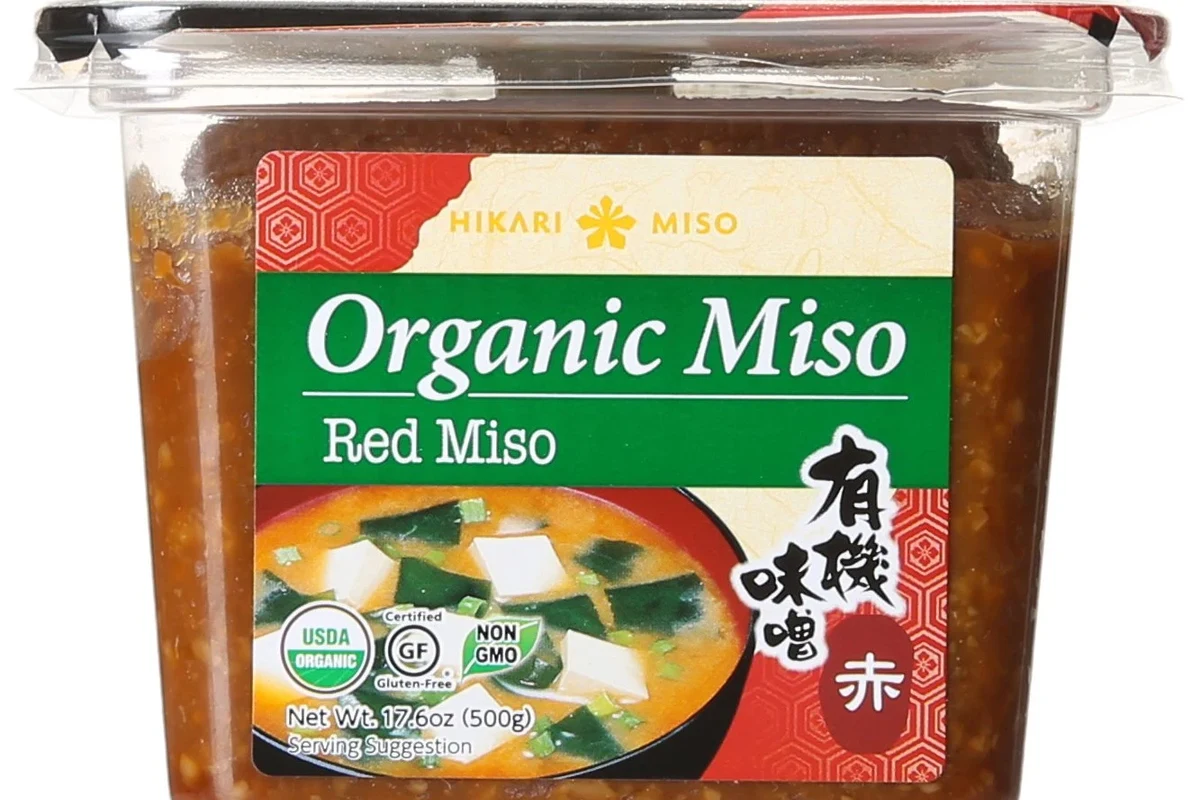
Miso is a fermented paste made from soybeans, salt, and a starter culture. Some versions also use barley, wheat, or other grains. That means one jar may be safe, while another may not be.
In short: the safest answer is to read the label every time.
Why the answer depends on the type of miso
Different miso styles use different grains. White miso may be made with rice or soy. Red and brown miso often use barley or wheat, which can add gluten.
Even two jars with the same color can differ. Brands follow their own recipes, so color alone does not tell you enough.
What to look for on the label right away
Start with the ingredient list. Look for wheat, barley, malt, rye, or brewer’s yeast made from gluten grains. If the label says “gluten free,” that helps, but you should still check the full list.
Also look for allergen statements and certification seals. Those details can give you a faster safety check.
Ingredient laws and label rules can vary by country. When in doubt, check the maker’s site or customer support page.
What Miso Paste Is Made Of

Miso starts with soybeans, salt, and a mold culture called koji. The koji grows on a grain or on soybeans, then the mixture ferments over time. That process creates the deep savory taste people love.
In short: the base is often simple, but the grain choice changes everything.
Common ingredients in white, yellow, and red miso
White miso often tastes mild and sweet. Yellow miso sits in the middle. Red miso tastes stronger and saltier.
Those flavor differences often come from fermentation time and grain mix. But they do not tell you whether the paste is gluten free.
Some miso is made with rice koji, which can make it a better fit for gluten free cooking.
How barley, wheat, and soy affect gluten status
Soybeans themselves do not contain gluten. The risk comes from grains like barley and wheat. If those grains are part of the recipe, the paste is not safe for a gluten free diet.
Barley can be easy to miss because it may appear in traditional miso styles. Wheat may also show up in seasonings or blended miso products.
Why fermentation does not always remove gluten
Fermentation changes flavor and texture. It does not reliably remove gluten proteins. So you should never assume a fermented food is automatically safe.
That matters for miso soup, sauces, and marinades too. If the paste contains gluten, the final dish will usually contain it as well.
Which Types of Miso Are Usually Safe
Some miso types are more likely to be gluten free than others. Still, the brand matters more than the color. A careful label check is still the best move.
In short: think in terms of ingredients, not just style.
Gluten free miso options to know
Rice-based miso and some soy-based miso are often good options. Look for products that clearly list rice, soybeans, salt, and koji without wheat or barley.
Certified gluten free miso is the easiest choice for strict diets. It gives you a clearer signal when you’re shopping fast.
Types that often contain gluten
Barley miso often contains gluten. Wheat-based blends also pose a risk. Some darker miso pastes use these grains for a deeper taste.
If the package does not clearly say gluten free, do not guess. A safe-looking color can still hide a problem ingredient.
How regional styles can change the risk
Japanese, Korean, and other regional styles can follow different recipes. Some are made with rice. Others use barley or mixed grains.
That means the same name can mean different things from one brand to the next. When shopping online, check the full ingredient list, not just the product title.
If you have celiac disease or a strong gluten sensitivity, avoid vague labels. Choose products with clear gluten free labeling or certification.
How to Check if a Miso Paste Is Gluten Free
The label is your best friend here. A quick scan can save you from a bad meal or a kitchen mix-up. It also helps when you shop in a hurry.
In short: verify the ingredients, then verify the claim.
Reading ingredient lists the right way
Read every line, not just the front of the tub. The front can say “natural” or “traditional,” but that does not tell you much about gluten.
Watch for wheat, barley, malt, and “contains wheat” statements. If you see any of those, put the jar back.
Certified gluten free labels and what they mean
A certified gluten free label can help, especially for strict diets. It usually means the maker followed set rules for gluten limits and handling.
That said, certification is not the same as a medical guarantee. It still helps to read the ingredient list and check the brand’s own notes.
When you find a safe brand, save the name in your phone. It makes your next grocery trip much easier.
Cross contact risks in shared factories
Even a gluten free recipe can face cross contact in production. Shared tanks, scoops, or packing lines can create risk for very sensitive eaters.
That is why some people choose certified products only. If your diet is strict, that extra step can be worth it.
- Check for wheat, barley, rye, and malt
- Look for a clear gluten free claim
- Prefer certification if your diet is strict
- Confirm the brand’s allergen statement
How to Use Gluten Free Miso in Everyday Cooking
Gluten free miso works well in more than soup. You can use it in dressings, pasta sauces, noodle bowls, and glazes. It adds salt, depth, and a rich savory note.
In short: it’s a flexible pantry tool when you choose the right jar.
Easy swaps for soup, sauces, and marinades
Use gluten free miso in place of regular miso one-for-one if the texture is similar. Thin it with warm water, broth, or oil before mixing it in.
It works well in simple soup bases, salad dressings, and pan sauces. I also like how it can rescue a bland sauce without much effort.
Best pasta and noodle dishes that work well with miso
Miso fits nicely in creamy noodle sauces and savory pasta bowls. It pairs well with garlic, olive oil, butter, sesame, mushrooms, and scallions.
For pasta, stir a small amount into the sauce near the end. For noodles, mix it with broth and a little fat so it blends smoothly.
- Dissolve miso in warm liquid before adding it to a dish
- Start small, then taste before adding more salt
- Use gluten free broth and tamari if the recipe needs both
Flavor tips for balancing salt, umami, and sweetness
Miso can taste salty fast, so add it slowly. A little sugar, honey, or maple syrup can soften sharp edges. Acid from lemon or rice vinegar can brighten the final dish.
If the dish tastes flat, add more umami in small steps. If it tastes too strong, add broth, water, or a bit of fat.
Common Mistakes People Make With Miso and Gluten
Most mistakes happen when people rush. They trust the color, skip the label, or use a shared spoon. Those small slips can matter a lot.
In short: careful habits are more useful than guesswork.
Assuming all miso is safe
This is the biggest mistake. Many people assume miso is always soy based and therefore gluten free. That is not true.
Some miso contains barley or wheat. Always check each brand, even if you bought it before.
Missing hidden gluten in seasonings and broth
Miso is often used with other ingredients that may contain gluten. Soy sauce, broth cubes, seasoning packets, and noodle mixes can all add risk.
If the full dish needs to stay gluten free, check every part of the recipe. One safe paste cannot fix a risky broth.
Using the wrong spoon or jar can also matter
Cross contact can happen in your own kitchen. A spoon used in regular bread crumbs or wheat noodles can contaminate a shared jar.
Use a clean spoon every time. If you cook for someone with celiac disease, keep the jar sealed and separate from risky foods.
Stop using any miso paste if the lid is damaged, the product smells off, or the seal looks broken.
Buying Guide: Best Value, Safety, and Storage Tips
Good miso should taste fresh, blend well, and fit your diet. Value is not just about the lowest price. It also includes safety, flavor, and how long the paste lasts after opening.
In short: buy the safest jar you can use often.
How to compare price, size, and quality
Compare the ingredient list first. Then look at the jar size and how often you cook with miso. A larger tub may save money only if you use it before it loses quality.
Quality usually shows up in the ingredient list and flavor style. Simple recipes are often easier to trust than long, busy ones.
What to choose for strict gluten free diets
For strict gluten free eating, choose a certified gluten free product when you can. That is the cleanest path for many shoppers.
If certification is not available, pick a product with a short ingredient list and a clear allergen statement. When the label feels vague, skip it.
How to store miso paste for the best shelf life
Store opened miso in the fridge unless the label says otherwise. Keep the lid tight and use a clean spoon. That helps protect flavor and limit spoilage.
Avoid leaving the jar on a warm counter for long periods. Temperature swings can hurt texture and taste over time.
Wipe the rim, close the lid, and return the jar to the fridge.
Check the seal, smell, and texture before using older paste.
Final Recommendation: Should You Use Miso Paste If You Avoid Gluten?
Yes, you can use miso paste if you avoid gluten, but only if you choose carefully. The safest options are clearly labeled gluten free or certified gluten free. That matters most for celiac disease and strong sensitivities.
In short: miso can be a great pantry staple, but the label decides the answer.
Who can use it with confidence
Home cooks who buy certified gluten free miso can usually use it with more peace of mind. People who only need to reduce gluten, not remove it fully, may have more options.
Still, every household has different needs. Your comfort level should guide the final choice.
When to skip it or choose a certified option
Skip any product with wheat, barley, rye, or unclear grain sources. Choose certified miso if you cook for someone with celiac disease or a very strict diet.
If you are unsure, do not take a chance. There are enough safe options to make a better pick.
Quick take for Red Kitchen Project readers
Miso paste can be gluten free, but only some jars qualify. Read the label, watch for hidden grains, and prefer certified products when safety matters most.
If you want the easiest route, keep one trusted gluten free brand in your pantry and use it in soups, noodles, and sauces with confidence.
- Not all miso paste is gluten free.
- Wheat and barley are the main ingredients to avoid.
- Certified gluten free labels help with strict diets.
- Gluten free miso works well in soups, pasta, and sauces.
Frequently Asked Questions
No, not all miso paste is gluten free. Some brands use wheat or barley, so you need to check the ingredient list every time.
Rice-based or soy-based miso is often the best bet. Certified gluten free miso is the safest choice for strict diets.
No, fermentation does not reliably remove gluten. If the recipe includes wheat or barley, the miso is not safe for a gluten free diet.
Look for wheat, barley, rye, malt, and any allergen warning about wheat. A clear gluten free claim or certification helps, but you should still read the full list.
Yes, gluten free miso works well in pasta sauces, noodle bowls, and savory glazes. Mix it with warm liquid first so it blends smoothly.
Keep opened miso in the fridge with the lid sealed tight. Use a clean spoon each time and check the smell and texture before using older paste.