How to Use a Pasta Machine for Fresh Pasta at Home

Use a firm dough, start on the widest setting, and roll it thinner little by little. Clean the machine dry unless the manual says water is safe.
If you want fresh pasta at home, a pasta machine makes the job much easier. The basic process is simple: make dough, rest it, roll it thin, then cut or shape it.
- Start wide: The first pass should use the widest roller setting.
- Work slowly: Small steps help prevent tearing and uneven sheets.
- Fix dough first: Sticky or dry dough causes most rolling problems.
- Clean dry: Many machines need brushing, not soaking.
- Match the model to use: Manual suits most homes, while electric fits frequent use.
How to Use a Pasta Machine: The Fast Answer for Fresh Pasta at Home
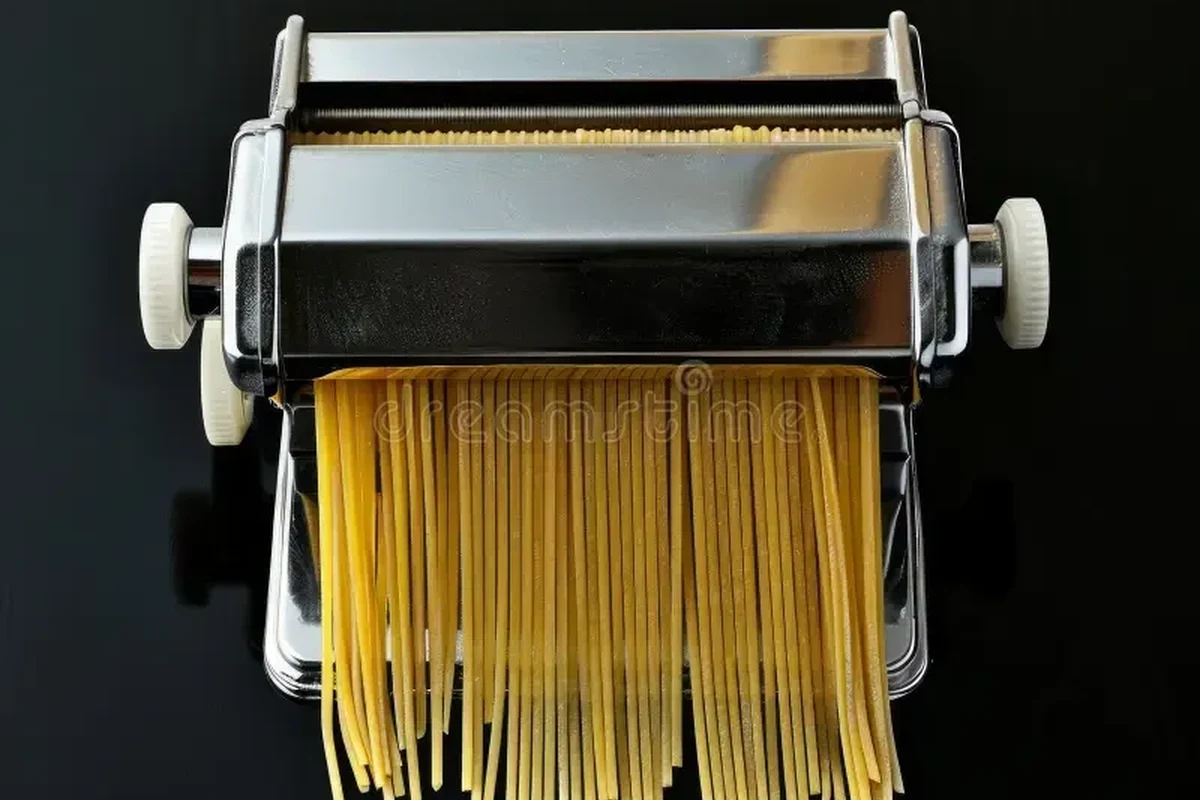
Start with a firm pasta dough, not a wet one. Then flatten it by hand, feed it through the widest setting, and keep rolling it thinner a step at a time.
Once the sheet looks smooth, cut it into noodles or use it for filled pasta. If the dough sticks, tears, or looks rough, pause and adjust the texture before you keep going.
Keep a small bowl of flour nearby. A light dusting helps, but too much flour can make dough hard to seal or cut cleanly.
What a Pasta Machine Does and Why It Helps
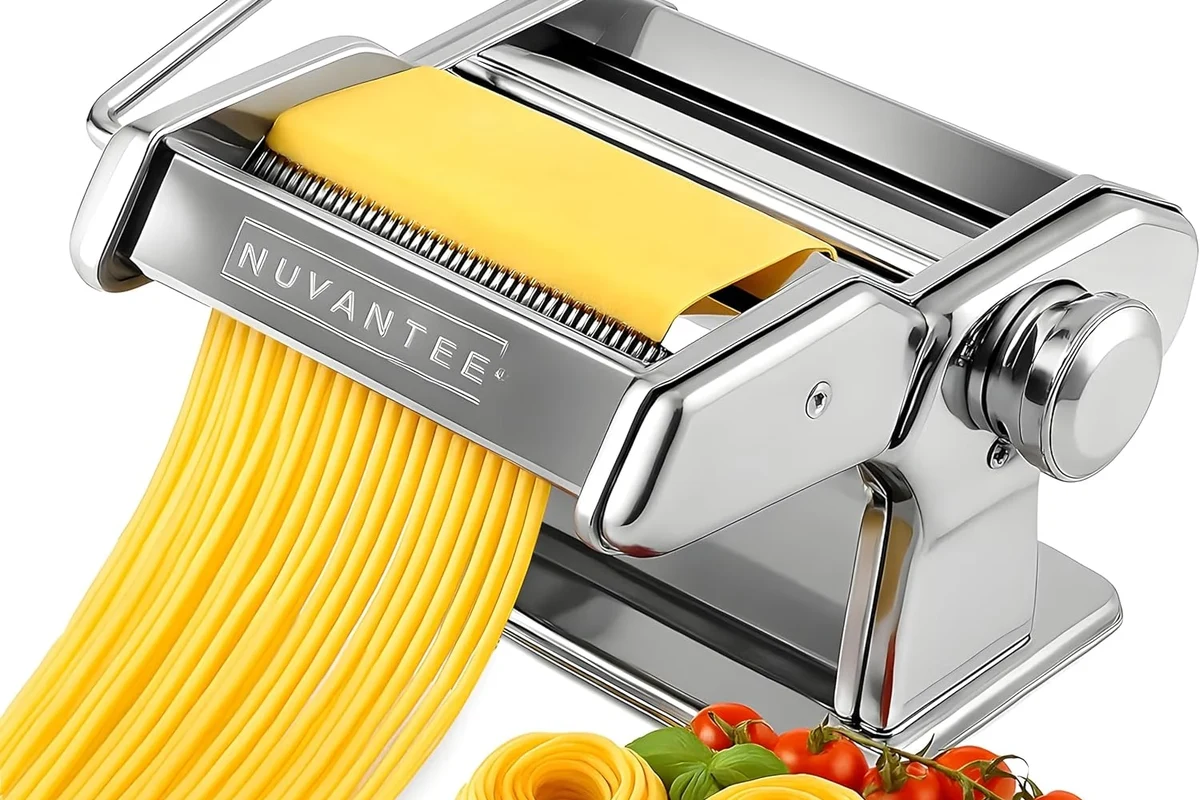
A pasta machine rolls dough into thin, even sheets. Many models also cut noodles into strips.
That even thickness matters. It helps pasta cook at the same rate, which is hard to do by hand with a rolling pin.
For home cooks, the biggest benefit is control. You decide how thick the dough should be, how wide the sheet should get, and how rustic or smooth the final pasta looks.
Manual vs electric pasta machines
Manual machines use a hand crank. You guide the dough with one hand and turn the crank with the other.
Electric machines do more of the work for you. They can save time, but they often cost more and take up more space.
Manual models usually suit most home kitchens. They are simple, compact, and easy to store.
What parts matter most
Most pasta machines have a roller, a thickness dial, and a cutter attachment. Some also have clamps or a base that keeps the unit steady.
The roller sets the sheet size. The dial controls how thin the dough gets. The cutter decides whether you make fettuccine, spaghetti, or another shape.
Fresh pasta usually cooks much faster than dried pasta. Thin sheets can be done in just a few minutes, depending on shape and thickness.
Choosing the Right Pasta Machine for Your Kitchen
The best pasta machine depends on how often you’ll use it and how much space you have. A simple manual machine works well for many people.
If you make pasta often, look for a sturdy build and easy cleanup. If you only make it now and then, a basic model may be enough.
Key features to compare
Before buying, check a few practical details. These matter more than fancy extras.
Lets you move from thick dough to thin sheets with more control.
Helps the machine stay put while you crank or feed dough.
Useful if you want noodles without buying extra tools.
Simple surfaces and fewer hidden spots make cleanup easier.
Best fit for beginners, home cooks, and frequent pasta makers
Beginners usually do best with a manual machine that has clear thickness settings. It keeps the learning curve low.
Home cooks who make pasta for family meals may want a wider roller and a stable clamp. That makes batch work smoother.
Frequent pasta makers should look for durability, smooth gears, and easy maintenance. A machine that feels solid often holds up better over time.
Choose a simple manual model with easy controls.
Choose a sturdier model with smooth rolling and easy cleaning.
Ingredients and Dough Prep Before You Roll
Good pasta starts with the right dough texture. If the dough is too wet, it will stick. If it is too dry, it may crack.
Resting the dough also helps. It gives the flour time to hydrate and the gluten time to relax.
Best flour choices for pasta dough
Many pasta recipes use all-purpose flour, semolina, or a blend. Some cooks also use Italian “00” flour for a very smooth sheet.
The best choice depends on the recipe and the pasta style. Egg pasta, semolina pasta, and filled pasta can all need slightly different doughs.
Flour choice can change by recipe, region, and brand. If you’re following a trusted recipe, stick with its flour mix first.
How dough texture affects rolling and cutting
When dough feels right, it should be firm, smooth, and slightly springy. It should not feel sticky on the outside.
If it tears during rolling, it may be too dry. If it smears or clings to the rollers, it may be too wet.
Step-by-Step Guide: How to Use a Pasta Machine
Here’s the basic method for rolling pasta dough at home. Follow the manual for your exact model, since controls and parts can vary.
Clamp the machine to a clean, dry counter if your model uses a clamp. Make sure it does not wobble.
Press the dough into a short oval or rectangle. This helps it enter the rollers more easily.
Feed the dough through the rollers on the widest gap first. Turn the crank slowly and guide the dough gently.
Fold the sheet into thirds or in half, then roll it again. Repeat a few times to smooth the dough.
Move the dial one step at a time. Roll the dough through each setting until it reaches the thickness you want.
Use the cutter attachment or cut the sheet by hand. Then hang or lay the pasta so it does not stick together.
Set up the machine safely
Place the machine on a stable surface. Keep fingers away from the rollers and cutters while the machine is moving.
If the machine feels loose, stop and reset it. A shaky base can make rolling uneven and may be unsafe.
Never force dough through the rollers. If the machine jams, stop, remove the dough, and adjust the texture first.
Flatten the dough and start with the widest setting
Use your hands to flatten the dough before the first pass. This reduces stress on the machine and helps the dough feed evenly.
Keep the first pass slow. Once the dough starts to lengthen, support it with your free hand.
Roll, fold, and narrow the sheets
After the first pass, fold the dough and roll it again. This step helps build a smoother sheet and stronger texture.
Then move down one setting at a time. If the sheet looks ragged, stay on the same setting for another pass.
Cut noodles or shape filled pasta
Once the sheet is thin enough, switch to the cutter if your machine has one. If not, use a sharp knife or pastry cutter.
For filled pasta, keep the sheet even and not too thin. That helps it hold filling without tearing.
- Work with smaller dough pieces for easier handling.
- Keep finished sheets covered so they don’t dry out too fast.
- Dust lightly, not heavily, to avoid dry pasta edges.
Common Mistakes and How to Fix Them
Most pasta machine problems come from dough texture, speed, or too much flour. The good news is that most are easy to fix.
Sticky dough, tearing, and uneven sheets
Sticky dough usually means the mix is too wet or the room is warm. Add a little flour and rest the dough briefly.
Tearing often means the dough is too dry or has not rested long enough. Uneven sheets can happen if you rush the rolling steps.
The dough sticks to the rollers.
Dust the dough lightly, then roll again at the widest setting.
The sheet keeps tearing.
Let the dough rest longer and try a slightly thicker setting.
When to add flour and when to stop rolling
Add flour only in small amounts. Too much can make the dough stiff and hard to seal.
Stop rolling when the sheet looks smooth and feels right for your pasta shape. Very thin is not always better.
- Use small flour dustings as needed
- Let dough rest if it keeps shrinking
- Roll in small steps
- Pouring flour onto the rollers
- Skipping the resting time
- Forcing thin dough through too fast
Cleaning, Care, and Safe Storage
Cleaning matters because dried dough can build up fast. It can also affect how smoothly the rollers move next time.
Always check the manual before cleaning. Some machines need dry cleaning only, while others may allow certain removable parts to be washed.
How to clean a pasta machine without damage
Do not soak the machine unless the manual clearly says it is safe. Water can damage many metal parts and gears.
Instead, let leftover dough dry, then brush or wipe it off. A dry brush or wooden tool often works better than a wet sponge.
Brush off flour and dough scraps. Wipe the outside with a dry cloth.
Check the clamp, rollers, and cutter for buildup or loose parts.
Maintenance tips for smooth, long-term use
Store the machine in a dry place. Moisture can lead to rust or sticky buildup, depending on the materials.
If the crank feels stiff or the rollers drag, stop and inspect the machine. Do not try to repair internal parts unless the manufacturer says you can.
Stop using any pasta machine with cracked parts, sharp damage, or loose internal pieces. Follow the manual and contact the maker if needed.
Is a Pasta Machine Worth It in 2026?
For many home cooks, yes. A pasta machine gives you better control, better texture, and a more repeatable result than rolling by hand.
It’s most useful if you enjoy hands-on cooking or make fresh pasta more than once in a while.
Cost, value, and who should buy one
Value depends on how often you’ll use it, how much storage you have, and whether you want manual or electric help.
If you make pasta only a few times a year, a basic manual model may be the smartest choice. If you make it often, a sturdier machine may be worth the higher cost.
Choose a simple manual pasta machine for lower cost and easy storage.
Choose a sturdier model with smooth rollers and easier cleanup.
Pick a compact design that clamps securely and stores easily.
Final recommendation from Red Kitchen Project
A pasta machine is worth it if you want fresh pasta with less effort and more consistency. The best choice for most people is a manual model with clear settings, a stable base, and simple cleanup.
If you’re new to pasta making, start with a basic machine and a simple dough recipe. Once you learn the feel of the dough, the process gets much easier.
For most home kitchens, a manual pasta machine offers the best mix of control, value, and storage ease. Choose electric only if you make pasta often and want less hand work.
- Start with firm dough and the widest roller setting.
- Fold, roll, and narrow the sheet slowly.
- Clean the machine dry unless the manual says otherwise.
- Choose a model that fits your space and how often you cook.
Frequently Asked Questions
Start with the widest setting. This helps the dough feed smoothly and lowers the chance of tearing.
The dough may be too wet, or it may need a light dusting of flour. Stop and adjust the texture before you keep rolling.
That depends on the pasta shape and recipe. Stop when the sheet looks smooth and feels right for the cut or filling you plan to use.
Only if the manual says it is safe. Many pasta machines need dry cleaning only, since water can damage the rollers and gears.
Let the dough rest longer, keep the texture firm, and move through the settings more slowly. If needed, roll the sheet again at a thicker setting.
Yes, if you want fresher pasta and more control over thickness. A basic manual model is usually the best starting point for most home cooks.