What Is the Difference Between Marinara and Pasta Sauce

Marinara is usually a simple, lighter tomato sauce. Pasta sauce is usually thicker, more seasoned, and better for hearty meals.
If you’ve ever stood in the sauce aisle and wondered what is the difference between marinara and pasta sauce, here’s the short answer. Marinara is usually a simple tomato sauce with a light, clean taste. Pasta sauce is often thicker, richer, and built with more herbs, spices, and extras.
- Simple vs rich: Marinara stays lighter, while pasta sauce feels fuller.
- Ingredient list: Marinara usually has fewer ingredients than pasta sauce.
- Best use: Marinara suits dipping and simple pasta dishes.
- Best weeknight pick: Pasta sauce often saves time with built-in seasoning.
What Is the Difference Between Marinara and Pasta Sauce?
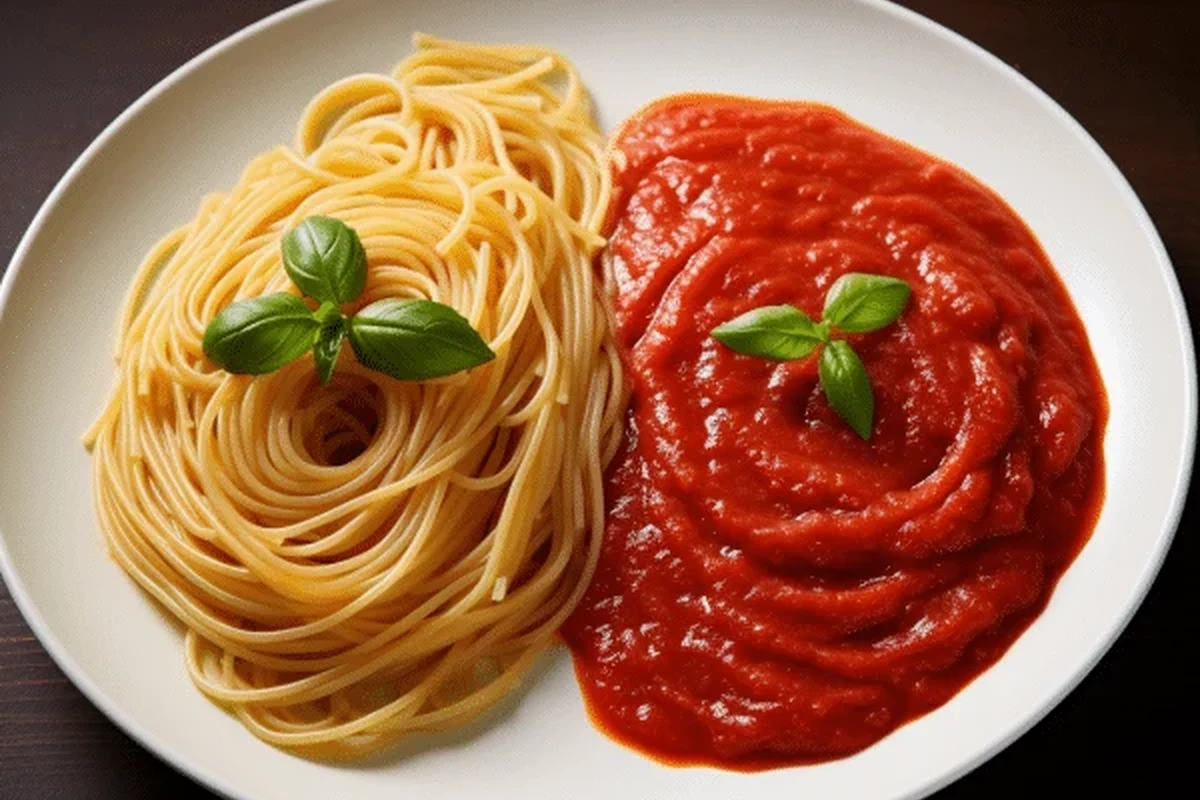
The main difference comes down to ingredients, texture, and how each sauce gets used. Marinara usually stays simple. Pasta sauce often acts like a broader category, with more variety from jar to jar.
Quick answer for busy cooks
Choose marinara when you want a bright tomato flavor and a lighter sauce. Choose pasta sauce when you want a fuller, more seasoned sauce that can carry a whole meal.
In short: marinara is the simpler option, while pasta sauce is the broader, more flexible one.
Why people mix them up
Stores often use the terms loosely. One brand may call a sauce marinara even if it includes extra herbs or onion. Another brand may sell a pasta sauce that looks a lot like marinara.
That’s why the label alone does not tell the full story. The ingredient list matters more than the name on the front.
Jar labels can vary by brand, region, and recipe style. Always check the ingredient list if you want a specific flavor or texture.
What Marinara Sauce Is Made Of
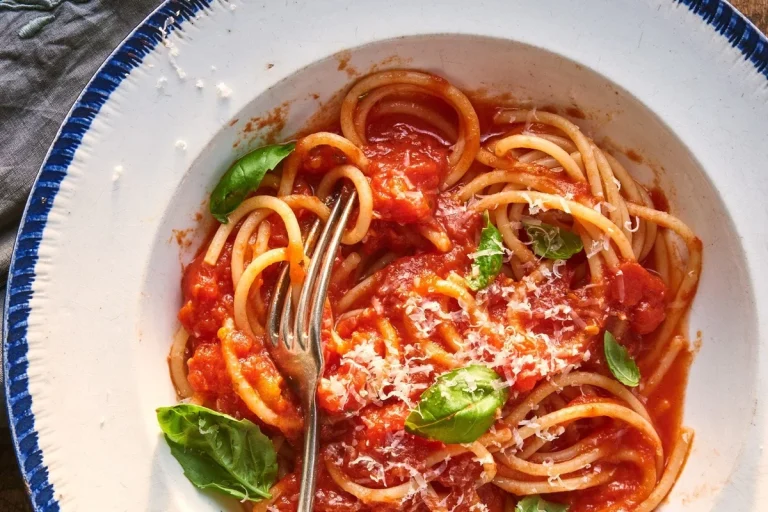
Classic marinara starts with tomatoes. It usually keeps the ingredient list short and the flavor clean. That makes it a favorite when you want the sauce to taste fresh and simple.
Core ingredients in a classic marinara
A basic marinara often includes these items:
- Tomatoes or tomato puree
- Garlic
- Olive oil
- Salt
- Fresh or dried herbs like basil or oregano
Some versions add onion, red pepper flakes, or a little sugar. But a true marinara usually does not lean on meat, cream, or a long list of extras.
Marinara often tastes brighter because it usually cooks for a shorter time than heavier sauces.
Flavor, texture, and cook time
Marinara usually has a lighter body. It may still feel smooth, but it often stays less thick than a rich jarred pasta sauce. The flavor is tangy, garlicky, and tomato-forward.
It also tends to cook fast. That makes it useful for quick dinners, especially when you want dinner on the table without a long simmer.
- Use low heat to keep the tomato flavor bright.
- Add fresh basil at the end for a cleaner taste.
- Stir often to prevent scorching on the bottom.
What Pasta Sauce Usually Includes
Pasta sauce is a wider term. It can mean many red sauces sold in jars or made at home. Some are close to marinara, while others are much richer and heavier.
Common ingredients in jarred pasta sauce
Jarred pasta sauce often includes tomatoes plus more seasonings and extras. You may see:
- Onion
- Garlic
- Herbs and spices
- Sugar or sweeteners
- Oil
- Meat, mushrooms, or vegetables
Some sauces also include cheese, cream, or a thicker base. That’s why pasta sauce can feel more like a full dish starter than a simple tomato sauce.
How pasta sauce differs from marinara in taste and body
Pasta sauce usually tastes deeper and more layered. It may be sweeter, saltier, or more savory than marinara. The body is often thicker too.
That thicker feel helps the sauce cling to pasta. It also makes pasta sauce useful in baked dishes and hearty meals.
Light, simple, and tomato-led.
Broader, thicker, and often more seasoned.
Marinara vs Pasta Sauce: Key Differences That Matter
When you compare marinara and pasta sauce, three things matter most. Look at the ingredient list, the cooking style, and the way you plan to use it.
The big difference is simplicity. Marinara stays close to tomatoes, while pasta sauce often adds more body and flavor layers.
Ingredient list and seasoning level
Marinara usually has fewer ingredients. It often relies on tomatoes, garlic, oil, and herbs. Pasta sauce often includes more seasoning and more add-ins.
If you want a sauce that you can shape yourself, marinara gives you a clean base. If you want more flavor built in, pasta sauce may be the better pick.
Cooking method and sauce thickness
Marinara often cooks for a shorter time. That keeps the flavor fresh and light. Pasta sauce may simmer longer to build a deeper taste and thicker texture.
Thickness matters in real cooking. A thicker sauce clings better to pasta and works well in baked dishes. A lighter sauce works better when you want the pasta to stay the star.
Best uses for each sauce
Marinara works best when you want a simple tomato base. Pasta sauce works best when you want a richer meal with less extra work.
| Option | Best For | Key Consideration |
|---|---|---|
| Marinara | Simple pasta, dipping, and light meals | Cleaner flavor and lighter texture |
| Pasta sauce | Hearty dinners, baked pasta, and one-pan meals | More seasoning and thicker body |
When to Use Marinara and When to Use Pasta Sauce
The best sauce depends on the dish. Think about the meal you want, not just the jar in your hand. That small choice can change the whole plate.
Best dishes for marinara
Marinara shines in simple dishes. It works well with spaghetti, linguine, zucchini noodles, and meatless pasta bowls. It also makes a good dip for mozzarella sticks, breadsticks, and fried appetizers.
If you like fresh basil, extra garlic, or a little heat, marinara gives you room to add those touches yourself.
Best dishes for pasta sauce
Pasta sauce fits heartier meals. It works well in baked ziti, lasagna, stuffed shells, and pasta casseroles. It can also help when you want meat, mushrooms, or vegetables folded into the sauce.
For busy nights, it can save time because much of the seasoning is already built in.
Simple swap tips for home cooks
You can often swap one for the other, but the result will change. If you use marinara instead of pasta sauce, the meal may taste lighter. If you use pasta sauce instead of marinara, the dish may taste richer and less bright.
- Taste before adding more salt or herbs.
- Thin a thick sauce with pasta water if needed.
- Finish with fresh basil or cheese when the dish needs lift.
- Do not assume all red sauces taste the same.
- Do not overcook a simple marinara until it tastes flat.
- Do not add too many extras before tasting first.
What to Look for on the Label
Jar labels can help, but the ingredient list tells the real story. If you care about sugar, salt, or clean flavor, take a closer look before you buy.
Ingredient quality and added sugar
Some sauces use simple tomato ingredients. Others add sugar, syrup, or sweeteners to soften the acid. That can be fine, but it changes the taste.
If you want a more classic sauce, look for short ingredient lists and whole tomato ingredients near the top.
Sodium, oil, and herb levels
Sodium can vary a lot from one jar to another. Oil level and herb level can vary too. A sauce with more oil may taste richer, while a sauce with more herbs may taste more complex.
If you cook for kids or watch salt intake, compare labels before you buy. A sauce that seems healthy at a glance may still be salty.
Fresh sauce versus jarred sauce value
Fresh sauce can taste great, but it takes more time and cleanup. Jarred sauce offers convenience and consistency. For many home cooks, that trade-off is worth it on a weeknight.
Value depends on your kitchen routine. If you cook often, a good jar can save time. If you enjoy cooking from scratch, a simple marinara base may be the better fit.
- Check the ingredient list first
- Compare sugar and sodium levels
- Match the sauce to your meal plan
- Look for a texture you’ll enjoy
Common Mistakes When Choosing or Using These Sauces
Most sauce mistakes are easy to fix. The key is knowing what each sauce is meant to do. Once you do, dinner gets a lot easier.
Using the wrong sauce for the dish
A light marinara may feel too thin for lasagna. A heavy pasta sauce may overpower a delicate seafood pasta. The wrong match can make a good recipe feel off.
Think about balance. Rich dishes often need a fuller sauce. Simple dishes often need a lighter one.
Overseasoning or overcooking the sauce
It’s easy to add too much salt, garlic, or dried herbs. That can bury the tomato flavor. Long cooking can also dull a fresh marinara.
Start small. You can always add more seasoning later, but you can’t take it back once it’s in the pot.
Hot tomato sauce can splatter fast. Use a low simmer, stir carefully, and keep lids slightly ajar if needed.
How to fix a sauce that tastes too bland
If the sauce tastes flat, try a small pinch of salt first. Then add a little garlic, basil, oregano, or red pepper flakes. A splash of olive oil can also help round out the flavor.
If the sauce tastes too sharp, a small amount of sugar or grated carrot may help, depending on the recipe. Add these in tiny amounts and taste again.
The sauce tastes thin, flat, or too acidic.
Simmer gently, then adjust with salt, herbs, or a small sweet note.
Final Verdict: Which Sauce Should You Choose?
For most cooks, the choice is simple. Pick marinara when you want a clean tomato sauce with a light touch. Pick pasta sauce when you want more body, more seasoning, and less work.
Best choice for simple red sauce meals
Marinara is the better choice for simple pasta bowls, dipping, and recipes that need a fresh tomato taste. It gives you more control over the final flavor.
Best choice for easy weeknight cooking
Pasta sauce is often the easier choice for busy nights. It usually brings more flavor right out of the jar, which helps when you want a fast dinner.
Bottom-line recommendation from Red Kitchen Project
If you like simple, bright, and flexible sauce, choose marinara. If you want rich, ready-to-use comfort food, choose pasta sauce. Either one can work well, but the best pick depends on the meal you’re making.
Marinara is the better fit for light, tomato-forward meals, while pasta sauce is better for hearty dishes and fast weeknight cooking. Check the label, match the sauce to the recipe, and you’ll usually get the result you want.
- Marinara is usually simpler and lighter.
- Pasta sauce is usually thicker and more seasoned.
- Labels vary, so read the ingredient list.
- Choose based on the dish, not just the jar name.
Frequently Asked Questions
Often, yes. Pasta sauce is a broader term, and marinara is usually a simpler tomato sauce within that group.
Yes, in many recipes. The dish may taste lighter and less rich, so you may want to add herbs or cheese.
Yes, but the result may be thicker and more seasoned. That can work well in baked dishes or hearty meals.
Check the ingredient list, added sugar, sodium, oil, and herb levels. Those details tell you more than the front label name.
Marinara is usually better for dipping because it is lighter and cleaner in flavor. It pairs well with breadsticks and fried appetizers.
Pasta sauce is often the better fit for lasagna because it is usually thicker and more seasoned. That said, a simple marinara can also work in many recipes.