How Long Does It Take to Cook Pasta Perfectly Every Time

Most dried pasta takes 8 to 12 minutes, while fresh pasta usually takes 2 to 4 minutes. The safest way to get it right is to taste near the end and stop at al dente.
Most dried pasta takes 8 to 12 minutes to cook. Fresh pasta is much faster, often done in 2 to 4 minutes. Stuffed pasta usually lands somewhere in the middle, but the exact time depends on shape, thickness, and the brand.
- Dried pasta: Most shapes cook in 8 to 12 minutes.
- Fresh pasta: Usually cooks in 2 to 4 minutes.
- Best method: Start with the package time, then taste early.
- Texture goal: Al dente means tender with a small bite.
- Final step: Match the pasta’s finish to your sauce.
How Long Does It Take to Cook Pasta? The Quick Answer
If you want the short answer, start with the package time and taste early. That’s the safest way to get pasta that’s tender but not mushy.
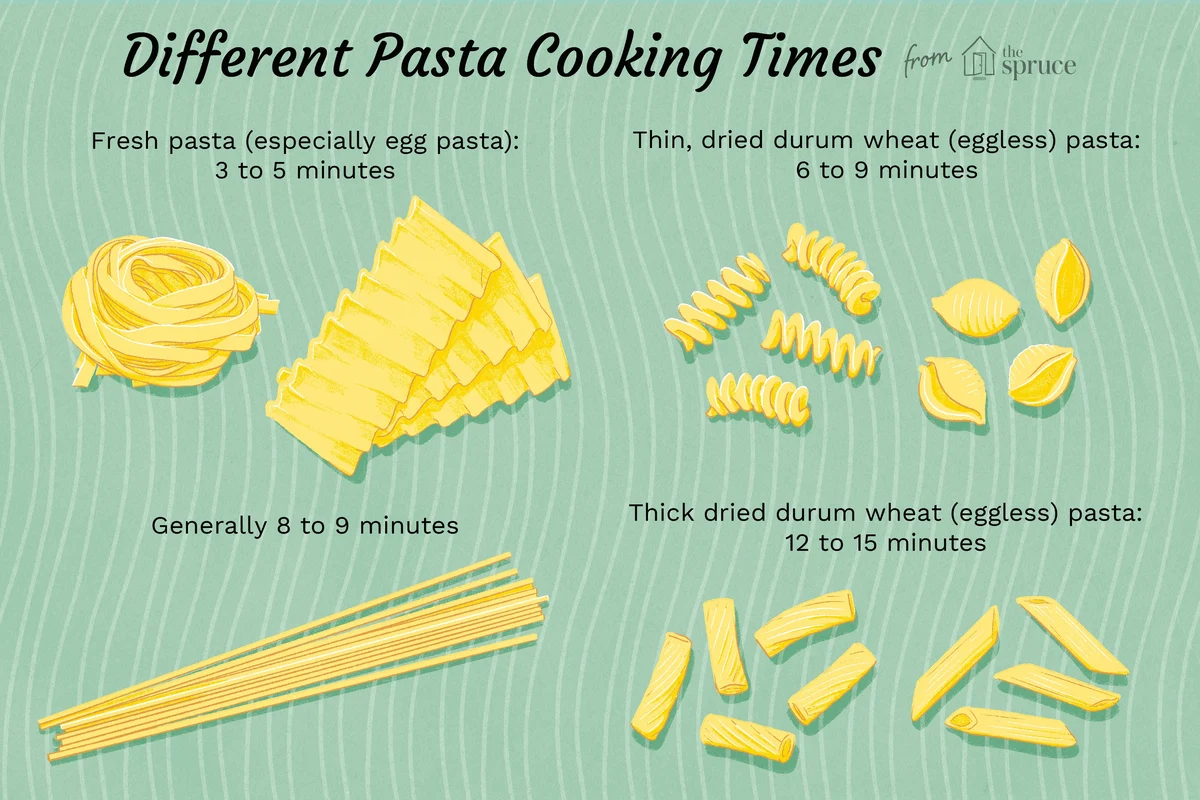
For most home cooks, the real answer is simple. Dried pasta usually needs 8 to 12 minutes. Fresh pasta needs 2 to 4 minutes. Stuffed pasta can take 3 to 7 minutes, depending on size and filling.
Typical cook times for dried, fresh, and stuffed pasta
Dried pasta is the common pantry choice. It holds its shape well and gives you the most room for timing mistakes.
- Dried pasta: Usually 8 to 12 minutes.
- Fresh pasta: Usually 2 to 4 minutes.
- Stuffed pasta: Usually 3 to 7 minutes.
- Very thin pasta: Can cook in under 3 minutes.
Package times can vary by brand, shape, thickness, and flour blend. Always check the label first.
In short: pasta time depends more on the type than the clock.
What al dente really means in everyday cooking
Al dente means “to the tooth.” In plain terms, it means the pasta is cooked through but still has a little bite.
You should not feel a hard center. But it should not turn soft and floppy either. If you plan to mix pasta with hot sauce, pull it a little early. The sauce will finish the job.
What Changes Pasta Cook Time
Several things change how long pasta takes. Shape, thickness, and water temperature matter most.
Pasta shape, size, and thickness
Thin pasta cooks fast because heat moves through it quickly. Thick pasta needs more time because the center takes longer to soften.
Long noodles like spaghetti cook faster than large shapes like rigatoni. Small shapes can also cook fast, but they still need enough water to move freely.
Pasta keeps cooking for a short time after you drain it. That’s why timing it a little early helps.
In short: thicker pasta needs more time, and thin pasta needs less.
Fresh pasta versus dried pasta
Fresh pasta contains more moisture, so it cooks quickly. Dried pasta has less water inside, so it takes longer to soften.
Fresh pasta can go from perfect to overdone fast. Keep an eye on it and taste often. Dried pasta gives you a bigger timing window, which makes it easier for busy weeknights.
Water amount, pot size, and heat level
Big pots of water return to a boil faster after you add pasta. That helps the pasta cook more evenly.
Too little water can drop the temperature too much. The pasta may stick together or cook unevenly. A steady boil matters more than a fierce, rolling boil.
Hot water and steam can burn. Use a large pot, add pasta carefully, and keep children away from the stove.
How to Cook Pasta Step by Step
A simple method works best. You do not need fancy tools to get good pasta.
How much water and salt to use
Use enough water so the pasta can move around. A large pot helps prevent clumps and sticky noodles.
Salt the water once it boils. The water should taste lightly seasoned, not salty like soup. This step adds flavor from the inside out.
When to add the pasta
Add pasta only after the water reaches a full boil. That helps the pasta cook at the right pace from the start.
Stir right away. This keeps noodles from sticking together, especially in the first minute.
Bring a large pot of water to a steady boil.
Season the water before the pasta goes in.
Stir right away so the pieces do not stick.
Check a piece a minute or two before the package time ends.
How to check doneness without overcooking
Taste a piece near the end of the package time. That is better than guessing from looks alone.
Look for a firm but tender bite. If the pasta feels chalky in the center, it needs more time. If it feels soft all the way through, it’s done.
Save a little pasta water before draining. It can help loosen sauce and improve texture.
In short: taste early, then drain when the bite feels right.
Best Cook Times by Pasta Type
These are common ranges, not hard rules. Always use the package as your main guide.
Spaghetti, linguine, and angel hair
These long noodles usually cook fast and evenly. Angel hair is the quickest of the group.
- Spaghetti: Usually 8 to 10 minutes.
- Linguine: Usually 9 to 11 minutes.
- Angel hair: Usually 2 to 4 minutes.
Thin noodles need close attention. They can overcook in a short time.
Penne, rigatoni, and fusilli
Short pasta often takes a bit longer than thin noodles. The shape changes how water moves through it.
- Penne: Usually 10 to 12 minutes.
- Rigatoni: Usually 11 to 13 minutes.
- Fusilli: Usually 8 to 11 minutes.
These shapes work well with thicker sauces because they hold sauce in ridges and curves.
Ravioli, tortellini, and other stuffed pasta
Stuffed pasta needs care because the filling can heat before the outer pasta feels soft. Some types float when done, but floating alone is not enough.
- Fresh ravioli: Often 3 to 5 minutes.
- Fresh tortellini: Often 3 to 7 minutes.
- Frozen stuffed pasta: Often takes longer than fresh.
Check the package for stuffed pasta. Fillings and dough thickness can change the time a lot.
Whole wheat and gluten-free pasta
Whole wheat pasta often needs a little more time than regular pasta. It can also taste firmer, even when cooked properly.
Gluten-free pasta varies the most. Some brands stay firm, while others soften fast and break apart. Stir gently and taste often.
Common Pasta Cooking Mistakes to Avoid
Most pasta problems come from a few easy mistakes. The good news is that they’re simple to fix.
Using too little water
Small amounts of water cool down too fast. That can make pasta sticky and uneven.
Use a pot large enough for the pasta to move around. If the noodles crowd each other, they cook badly.
Skipping salt or adding oil to the pot
Salt makes pasta taste better. Without it, the noodles can taste flat even with good sauce.
Oil in the pot does not stop sticking as well as people think. Stirring works better. Oil can also make sauce slide off the pasta later.
Rinsing pasta when you should not
Rinsing removes the starch on the surface. That starch helps sauce cling to the noodles.
Rinse only when a recipe says to, such as for cold pasta salad. For most hot dishes, drain and sauce right away.
Cooking past the sauce stage
Pasta should finish with the sauce, not sit around waiting for it. If you overcook the noodles first, the final dish turns soft.
Drain a minute early if you plan to toss the pasta with hot sauce. That gives you better texture at the table.
- Set a timer for one minute less than the package says.
- Taste two pieces if the pasta shape is thick.
- Use fresh water for each batch of pasta.
- Stir early to prevent clumps.
How to Match Pasta Cook Time to Your Sauce
The best pasta dish comes from matching timing to the sauce. That choice changes the final texture and flavor.
Light sauces and quick meals
For olive oil, butter, or simple tomato sauce, keep the pasta a little firmer. The sauce should coat the noodles, not drown them.
Quick meals work best when you drain the pasta early and toss it right away. That keeps the dish bright and fresh.
Thick sauces and baked pasta dishes
Heavy meat sauces and baked dishes can handle slightly firmer pasta. The noodles finish cooking in the sauce or oven.
That means you should pull the pasta early. If you cook it all the way first, it may turn mushy after baking.
Saving pasta water for better texture
Pasta water helps sauce cling because it contains starch. A spoonful or two can make a sauce smoother and less dry.
Add a little at a time. Too much water can thin the sauce too far.
Safety, Storage, and Reheating Tips
Good pasta habits also include safe handling and storage. That matters just as much as timing.
How to handle hot water and steam safely
Keep your face and hands away from the steam. Lift lids slowly so the steam escapes away from you.
Use a stable pot and a dry grip. Wet towels can slip near a hot stove.
Follow the appliance manual and stop using damaged equipment.
How to store cooked pasta the right way
Cool cooked pasta before storing it. Put it in a covered container and refrigerate it soon after cooking.
If the pasta is mixed with sauce, store it together. That often keeps it from drying out as fast.
How to reheat pasta without drying it out
Add a splash of water or sauce before reheating. That helps bring back moisture.
Use low heat when possible. High heat can make the pasta tough or dry.
Final Recommendation: The Best Way to Get Pasta Right Every Time
The best way to cook pasta is simple. Start with the package time, taste near the end, and drain when the bite feels right.
That approach works better than relying on the clock alone. It also gives you room to adjust for shape, sauce, and personal taste.
Simple timing tips for home cooks
Set a timer a little early. Stir at the start. Taste before you drain.
If you’re making a sauce-heavy dish, stop a bit sooner. If you want a firmer bite, drain right at al dente.
When to trust the package and when to taste
Trust the package for the starting point. Taste when you get close to the listed time.
That’s the most reliable method for home cooks. It works whether you’re making a fast weeknight dinner or a bigger family meal.
- Dried pasta usually takes 8 to 12 minutes.
- Fresh pasta cooks much faster, often in 2 to 4 minutes.
- Taste near the end to avoid overcooking.
- Match the pasta’s finish to the sauce you plan to use.
The best all-around method is to follow the package time, then taste early and often. That gives you the best chance of perfect pasta, especially when you match the finish to your sauce.
Frequently Asked Questions
Most dried pasta takes 8 to 12 minutes. Thin shapes can cook faster, so check the package and taste near the end.
Al dente means the pasta is tender but still has a little bite. Taste a piece near the end of the cook time to check the texture.
Yes, fresh pasta usually cooks in 2 to 4 minutes. It changes fast, so watch it closely and taste often.
Usually no, because rinsing removes the starch that helps sauce stick. Rinse only when a recipe calls for it, like some cold pasta dishes.
Salt the water once it boils so it tastes lightly seasoned. This helps the pasta taste better, even before sauce is added.
Yes, add a little water or sauce before reheating. Use low heat when you can so the pasta stays moist.