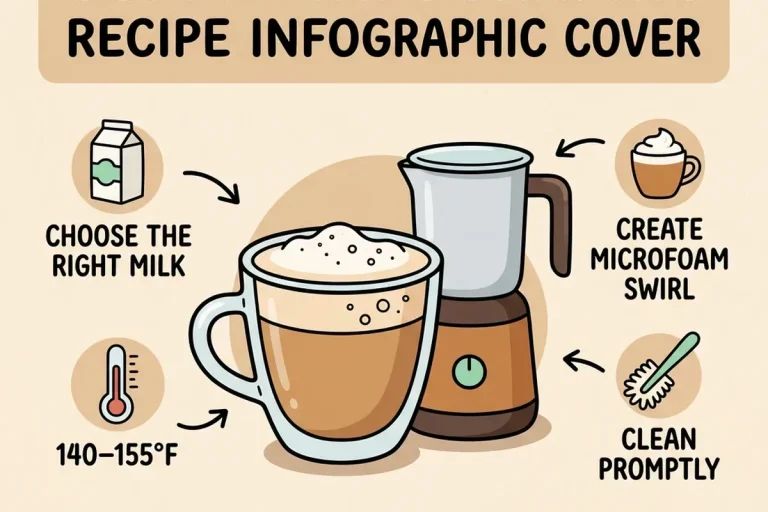
Electric Milk Frother Foam Tips for Perfect Drinks

Use the right milk, keep the fill level low, and clean the whisk after every use. Those three steps solve most electric milk frother foam problems.
Electric milk frother foam tips can make a big difference in your drink. The short version is this: use the right milk, avoid overheating, and clean the whisk well after each use.
- Milk choice matters: Dairy, oat, and soy often foam better than almond.
- Fill level matters: Overfilling causes weak foam and messy overflow.
- Drink style matters: Lattes need smooth foam, cappuccinos need thicker foam.
- Cleaning matters: Milk residue can weaken froth and slow the whisk.
- Safety matters: Follow the manual and stop using damaged equipment.
What Electric Milk Frother Foam Tips Mean for Better Drinks
Good foam is not just about bubbles. It should feel smooth, look even, and hold its shape long enough to pour.
That matters whether you make a latte, cappuccino, or hot chocolate. The best results usually come from a few simple habits, not from fancy gear.
The quick answer: how to get smooth, stable foam
Start with cold milk if your frother heats on its own. Fill only to the max line, or a little below it.
Then choose the milk type that fits your drink. Whole dairy milk often gives rich foam, while some oat and soy milks also work well.
For steadier foam, let the milk sit still for a few seconds after frothing. That helps big bubbles rise and settle.
In short: less heat, less overfill, and the right milk usually lead to better foam.
Why foam quality changes from drink to drink
Foam changes because milk is not all the same. Fat, protein, and sugar levels all affect the result.
Drink style matters too. A latte needs fine foam. A cappuccino needs more volume. Hot chocolate needs smooth mixing more than tall foam.
Results vary by model and milk brand. One frother may handle oat milk well, while another works better with dairy.
In short: the same frother can give different results with different drinks.
How an Electric Milk Frother Works
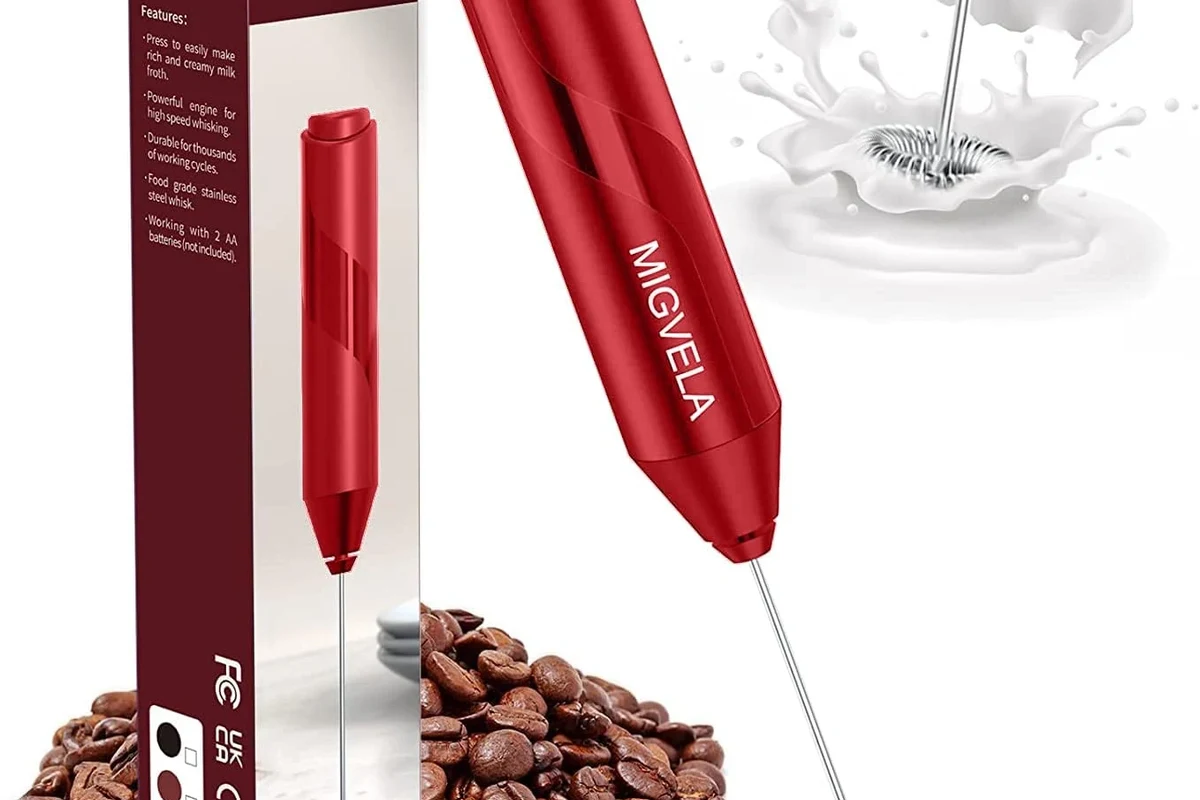
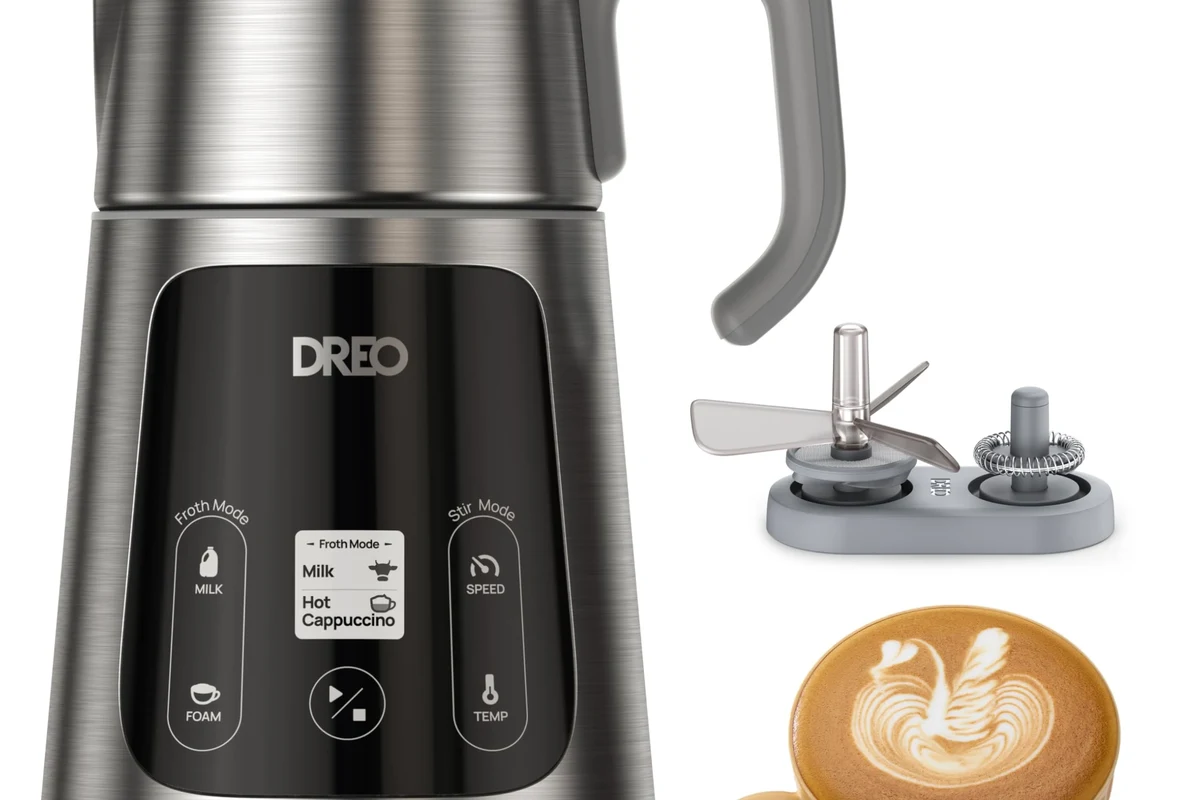
An electric milk frother uses a spinning whisk, a small heater, or both. The whisk adds air. The heat helps the milk feel warm and drink-ready.
Some models warm and froth at the same time. Others only froth cold or warm milk. Always check the manual before you use a new model.
Whisk speed, heat, and milk texture
Fast whisk motion pulls air into the milk. That creates foam. Slower or uneven motion can leave thin froth or large bubbles.
Heat also changes the texture. Warm milk feels smoother, but too much heat can weaken foam and make the milk taste flat.
Milk proteins help trap air. That is a big reason foam forms at all.
In short: the whisk makes bubbles, and the milk’s makeup helps hold them.
What parts matter most in 2026 models
In 2026, the most useful features are still the basics. Look for clear controls, a good max-fill mark, and easy-to-clean parts.
Some models offer several foam modes. Others focus on simple one-touch use. The best choice depends on how often you make drinks and how much cleanup you want.
Helps you match latte, cappuccino, or hot-chocolate needs.
Makes cleaning easier and helps reduce stuck milk residue.
In short: simple controls and easy cleaning matter more than flashy extras.
Best Milk Types and Ingredients for Strong Foam
The best milk for foam depends on what you want in the cup. Rich foam, light foam, and dairy-free foam all behave a little differently.
Dairy milk vs. oat, almond, and soy milk
Whole dairy milk often makes creamy foam with a soft feel. Lower-fat dairy milk can make more foam, but it may feel less rich.
Among plant milks, oat and soy often foam better than almond. That said, brands vary a lot. Some are made for coffee, and some are not.
Pick the Milk That Fits the Drink
Match the milk to the foam style you want, not just the carton on hand.
In short: dairy is usually the most forgiving, but some plant milks can still do a great job.
Fat, protein, and sugar levels that affect foam
Protein helps foam hold together. Fat adds body and a creamier feel. Sugar can change taste and texture, but it does not always help foam.
For many drinks, medium protein and moderate fat work well. Very high fat can make foam feel heavy. Very low protein can make foam weak.
In short: the best foam usually needs a balance, not the highest number of any one thing.
Add-ins that help or hurt foam
Some add-ins work against foam. Syrups, oils, and thick cream can make bubbles collapse faster.
Powdered mixes can also clump if they do not dissolve well. If you want a flavored drink, mix the powder or syrup in first when possible.
- Add flavoring before frothing when the recipe allows it.
- Stir powders fully so they dissolve before foaming.
- Do not add oil-heavy ingredients if you want stable foam.
- Do not overfill with thick mix-ins that can clog the whisk.
In short: simple ingredients usually froth best.
Electric Milk Frother Foam Tips for Latte, Cappuccino, and Hot Chocolate
Each drink needs a slightly different foam style. Once you know the goal, it gets much easier to choose the right setting and milk.
How to make microfoam for lattes
Latte foam should be fine and smooth. It should pour like wet paint, not sit on top like soap suds.
Use milk that froths well and stop as soon as the texture looks silky. If your frother has a latte mode, that is usually the best place to start.
In short: latte foam should be smooth, not stiff.
How to build thicker foam for cappuccinos
Cappuccino foam needs more lift. You want a thicker layer that sits above the drink.
Use the frother setting that creates the most air, if your model offers one. Then pour carefully so the foam stays on top.
- Thicker foam gives a classic cappuccino look.
- It adds a light, airy top layer.
- Too much foam can taste dry or airy.
- It can separate faster than latte foam.
In short: cappuccino foam should feel bold, but not dry.
How to froth chocolate drinks without clumps
Hot chocolate can clump if the powder does not dissolve well. Start by mixing the cocoa with a small amount of warm liquid first.
Then add the rest of the milk and froth gently. If your mix is very thick, use a whisk or stirrer before the frother.
- Stir cocoa first, then froth for a smoother drink.
- Use gentle froth settings for thick chocolate mixes.
- Stop if the mix starts climbing up the jug.
In short: dissolve first, froth second.
Common Frothing Mistakes and How to Fix Them
Most frothing problems come from small setup issues. The good news is that many are easy to fix.
Why foam turns thin, watery, or bubbly
Thin foam often means the milk was too warm, too low in protein, or frother parts were dirty. Big bubbles usually mean too much air got in too fast.
Watery foam can also happen when the jug is overfilled. The whisk needs room to move.
The foam looks loose, watery, or full of large bubbles.
Use colder milk, fill below the max line, and clean the whisk before the next use.
In short: bad foam often means too much heat, too much milk, or too much residue.
How to avoid overheating and overflow
Overheating can ruin taste and texture. Overflow can make a mess and may damage the appliance if milk gets where it should not.
Never exceed the fill line. If the frother runs hot, stop as soon as the milk reaches the right temperature for your drink.
Hot milk can burn skin fast. Follow the manual, and do not touch hot metal or steam vents.
In short: watch the fill line and stop before the milk gets too hot.
Simple fixes for weak or uneven froth
If the froth looks uneven, check the whisk first. Milk film or dried residue can slow it down.
Also check the power connection and the lid fit, if your model uses one. If the frother still acts odd, stop using it until you inspect the manual and cord.
Follow the appliance manual and stop using damaged equipment.
In short: weak froth often improves after a good clean and a quick reset.
Safety, Cleaning, and Maintenance Tips
A frother works best when you treat it like a small heat appliance. That means careful use, regular cleaning, and no shortcuts with damaged parts.
Safe use with hot milk and steam
Hot milk can splash, and steam can burn. Keep your face and hands back when opening the lid.
If your frother has a heating element, let it cool before cleaning. Always unplug it first if the manual says to do so.
Do not use a frother with a cracked jug, loose whisk, or damaged cord. Replace or service the unit as the maker directs.
In short: heat and steam deserve respect, even in a small appliance.
How to clean the whisk and jug the right way
Clean the frother soon after use. Milk residue gets harder to remove once it dries.
Wash removable parts as the manual says. Many parts need only warm water, mild soap, and a soft sponge.
Rinse or wash the whisk, lid, and jug right away.
Check for buildup, wear, loose parts, or scale if your model uses heat.
In short: fast cleaning saves time and helps the frother work better.
How regular care helps the frother last longer
Regular care reduces buildup and strain on moving parts. It also helps the frother stay quieter and more reliable.
Keep the base dry. Store the unit where the cord will not bend hard or get pinched.
In short: simple care can make a small appliance last much longer.
Buying Guide: What to Look for in an Electric Milk Frother
If you are shopping for a frother, focus on how you will use it. The best model for one person may be wrong for a family kitchen.
Capacity, heat settings, and foam modes
Capacity matters because frothers often work best when they are not full. A small model may suit one cup at a time.
Heat settings also matter. Some people want warm foam only. Others want cold froth for iced drinks. Foam modes help you match the drink style.
In short: pick the size and modes that match your daily drinks.
Build quality, ease of cleaning, and noise level
Build quality affects how the frother feels in daily use. A stable base and solid lid can make a big difference.
Easy cleaning matters just as much. If a model is hard to rinse or has many small parts, you may avoid using it.
Noise can matter in early mornings or shared homes. Some frothers are quieter than others, but sound levels vary by model.
- Capacity and dimensions
- Controls, cleaning, warranty, and safety
- Noise, finish, and daily storage space
In short: the best frother is the one you will actually use and clean.
Value for money and who each type suits best
Value is not only about cost. It also includes ease of use, cleanup, and how well the frother fits your routine.
Simple frothers suit casual coffee drinkers. Multi-mode units suit people who make several drink styles each week.
Choose a simple frother with basic heat and foam functions.
Choose a flexible model with easy cleanup and more control.
In short: the right value depends on your habits, not just the box.
Final Verdict: Which Electric Milk Frother Foam Tips Matter Most
The most useful electric milk frother foam tips are still the simplest ones. Use the right milk, keep the fill level low enough, and clean the whisk often.
Those habits improve foam more than most extra features. They also help the frother stay safer and work more reliably.
Best practices for home coffee drinkers
For home use, start with fresh milk and a clean jug. Match the foam style to the drink.
Use latte-style foam for smoother drinks. Use thicker foam when you want a cappuccino look. Stir chocolate drinks well before frothing.
In short: the drink should guide the foam, not the other way around.
When a frother is worth the cost
A frother is worth it if you make milk drinks often. It is also useful if you want better foam without learning steam wand skills.
If you only make one simple drink now and then, a basic model may be enough. If you want more control, a better-built unit may be the smarter buy.
Final recommendation from the Red Kitchen Project Editorial Team
The best overall choice is a frother that is simple to use, easy to clean, and sized for your daily routine. That gives you the best chance of getting good foam without fuss.
If you want the safest path to better drinks, keep your focus on milk choice, fill level, and cleaning. Those are the tips that matter most.
For most home coffee drinkers, the best electric milk frother foam tips are simple: use milk that froths well, avoid overfilling, and clean the whisk after every use. Choose a frother with the right capacity and foam modes for your drinks, and follow the manual for safe heating and cleaning.
Frequently Asked Questions
Start with the intended use, capacity, controls, safety instructions, cleaning needs, and limits that apply to the exact model or method.
The best fit depends on household size, available counter space, cooking habits, budget, and how often the appliance or method will be used.
A common mistake is following generic advice without checking the manual, model specifications, food quantity, or real-world space and power limits.
Use a stable heat-safe surface, keep vents clear, follow the manual, allow hot parts to cool, and never use damaged cords or plugs.
Stop using it if you notice smoke, sparking, a damaged cord, repeated overheating, unusual burning smells, or another serious fault. Contact the manufacturer or a qualified repair professional.
Review the manual and current product information whenever the model, ingredients, usage pattern, safety guidance, price, or warranty details change.