How to Keep Pasta Warm Without Overcooking It

Keep pasta warm by covering it, using very low heat, and adding a little moisture when needed. Sauced pasta holds best, but plain pasta should only sit for a short time.
Pasta cools fast, but you can keep it warm without turning it soft or sticky. The best method depends on the dish, the time you need, and how much moisture the pasta still has.
For most home cooks, the safest answer is simple. Keep pasta covered, use low heat, and add a little moisture when needed. In short: warm, not hot, is the goal.
- Low heat wins: Gentle warmth keeps pasta soft without pushing it past done.
- Sauce helps: Sauced pasta stays warm and moist longer than plain pasta.
- Cover it: A lid or foil traps steam and slows drying.
- Watch the clock: Long holds raise the risk of dry, mushy, or unsafe food.
How to Keep Pasta Warm Without Overcooking It
The trick is to slow heat loss without cooking the pasta again. Pasta keeps softening as long as it sits in heat, steam, or sauce.
If you hold it too hot, the noodles can break down. If you hold it too dry, they can clump or harden. That balance matters most.
Why Pasta Cools Fast and What That Means for Texture
Pasta loses heat fast because it has a lot of surface area and not much insulation. A shallow bowl cools much faster than a covered pot.
Texture changes too. As pasta sits, starch on the surface thickens and grabs onto itself. That is why noodles can feel sticky after a short wait.
How starch, steam, and timing affect warm pasta
Freshly cooked pasta has starch on the outside. That starch helps sauce cling, but it also makes noodles tacky as they cool.
Steam can help at first. It keeps pasta soft and warm. But too much steam can make plain pasta wet and gummy.
Timing matters as well. Pasta held for 10 minutes is much easier to manage than pasta held for an hour. The longer it sits, the more care it needs.
Why some pasta types hold heat better than others
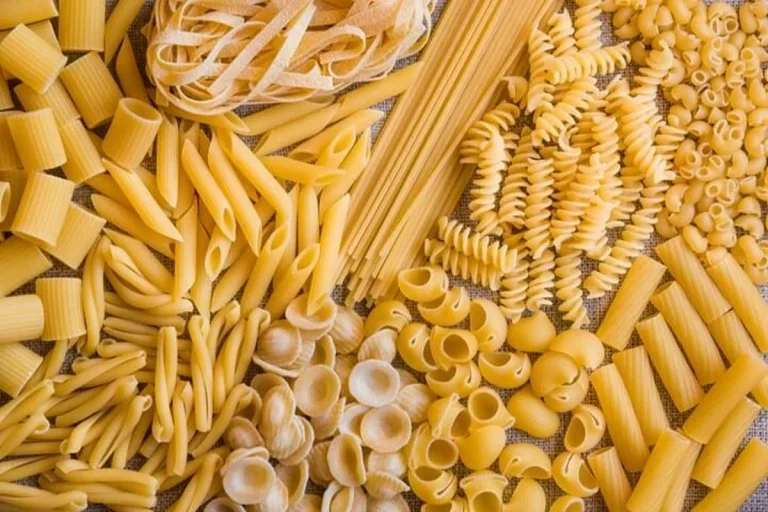
Thicker shapes usually stay warm longer. Think rigatoni, penne, or stuffed pasta. Long thin pasta cools faster and can dry out more quickly.
Sauced pasta also holds heat better than plain pasta. Sauce adds moisture and slows cooling. That makes it easier to serve later.
Pasta in a sauce often stays pleasant longer than plain pasta because the sauce traps heat and moisture.
Best Ways to Keep Pasta Warm for 15 Minutes to 2 Hours
There is no single best method for every meal. A small family dinner needs a different setup than a buffet table.
Use the method that fits your timing and dish type. That keeps the pasta warm without cooking it past the point of comfort.
Use a covered pot on very low heat
This is one of the easiest ways to hold pasta for a short time. Put the pasta back in the pot and cover it.
Use the lowest burner setting possible. Stir once in a while so the bottom does not overheat.
Do not let pasta sit over strong heat. A gentle hold is safer and gives better texture.
Hold pasta in warm sauce for better results
This is often the best choice for sauced pasta. Warm sauce acts like a blanket and helps the noodles stay tender.
If the sauce thickens, add a splash of water, broth, or reserved pasta water. Stir gently so the pasta stays coated.
Keep a small cup of pasta water nearby. A spoonful can loosen sauce without making it thin.
Use an insulated bowl or thermal container
An insulated bowl works well when you do not want active heat. It slows cooling and helps for short serving windows.
This is useful for potlucks or side dishes. Still, check the pasta now and then. Some containers hold heat well, but not forever.
Keep pasta warm in the oven without drying it out
A low oven can help with baked pasta or large batches. Use a covered baking dish or foil to hold in steam.
Keep the heat low enough that the pasta does not keep cooking. If the dish looks dry, add a little sauce before covering it.
Oven results vary by model. Use your oven manual and check the pasta often, especially with glass or ceramic dishes.
Step-by-Step Methods for Different Pasta Dishes
The right method depends on what kind of pasta you made. Plain noodles, sauced pasta, and baked pasta all need different care.
For plain pasta
Shake off extra water so the pasta does not turn watery.
Use just enough to stop sticking, not enough to make it greasy.
Keep steam in so the noodles stay soft for a short hold.
Break up any clumps and check texture before it goes to the table.
Plain pasta is the most likely to dry out. If you can, toss it with sauce right before serving.
For sauced pasta
The combined dish holds moisture and heat better than noodles alone.
Gentle warmth protects the texture and helps the sauce stay smooth.
A small splash can bring the sauce back to life.
Tomato sauce, cream sauce, and oil-based sauce all behave a little differently. Cream sauces can thicken fast, while tomato sauce may need more stirring.
For baked pasta or pasta for a crowd
Use a covered casserole dish if you need to serve a group. Foil or a tight lid helps trap heat and moisture.
For a crowd, keep the dish warm in the oven and portion only what you need. That helps the rest stay in better shape.
- Serve from a smaller dish when possible.
- Keep extra sauce nearby for dry spots.
- Stir gently so the pasta does not break.
Common Mistakes That Make Warm Pasta Dry, Sticky, or Mushy
Most bad pasta holds happen for the same few reasons. Too much heat, too little moisture, or too much waiting.
Too much heat
High heat keeps cooking the pasta. That can make the noodles soft, swollen, or broken.
It can also scorch sauce on the bottom of the pan. That is a fast way to ruin both flavor and texture.
Not enough moisture
Dry pasta clumps fast. If the noodles lose their surface moisture, they stick together and feel tough.
A small amount of water, sauce, or broth can help. Add it slowly so the dish does not turn soupy.
Holding pasta too long before serving
Pasta is best when served soon after cooking. The longer it sits, the more the texture changes.
If you know dinner will be delayed, undercook it slightly at first. Then finish the hold in sauce or warm liquid.
- Helps pasta stay tender longer
- Makes serving easier for guests
- Needs close attention
- Can dry out or overcook fast
Food Safety Tips for Holding Pasta Warm
Warm holding is not just about taste. It also affects food safety, especially for large batches and long waits.
Safe temperature range for cooked pasta
Cooked pasta should not sit in the danger zone for long. Keep it hot enough to stay safe, or cool it down for refrigeration.
Because appliances and dishes vary, follow trusted food-safety guidance and your recipe directions. When in doubt, choose the safer path.
When to refrigerate instead of keep warm
If you will not serve pasta soon, refrigerate it. That is better than holding it for hours on the counter or in weak heat.
Refrigeration is often the right call for leftovers too. Cool the pasta quickly in a shallow container if possible.
How to handle pasta at parties and buffets
Use small batches and refill often. That keeps the serving dish from sitting out too long.
At a buffet, stir the pasta now and then. Add sauce or moisture only as needed, and keep the dish covered when you can.
Discard pasta that has sat out too long at unsafe temperatures. When food safety is unclear, do not guess.
Tools and Kitchen Items That Help Keep Pasta Warm
You do not need fancy gear to hold pasta well. A few simple kitchen tools make the job much easier.
Pots, lids, and warming trays
A heavy pot with a tight lid can hold heat better than a thin pan. That helps with short meal delays.
Warming trays can also help, but they vary by model. Check the manual so you know how hot the unit runs.
Slow cookers, insulated bowls, and chafing dishes
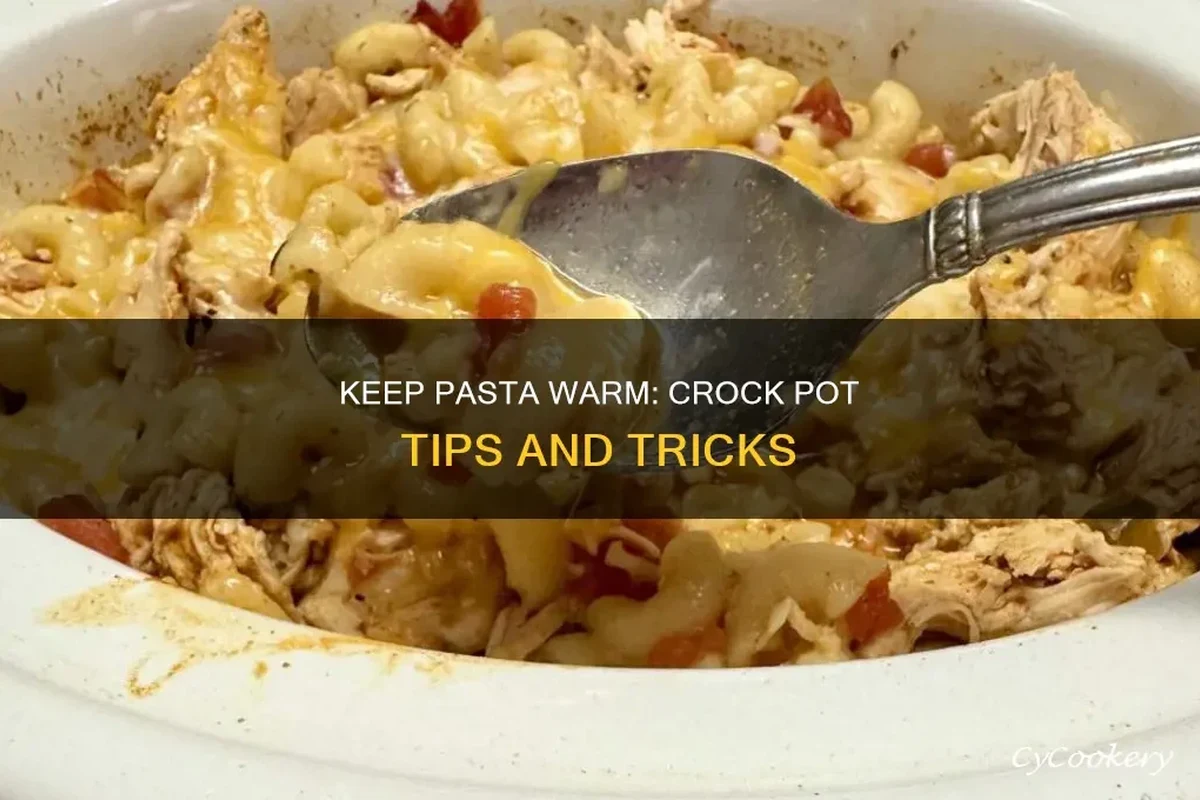
Slow cookers can work for sauced pasta if the setting is low and the dish is watched closely. They are less ideal for plain noodles.
Insulated bowls are simple and low fuss. Chafing dishes work well for parties, but they need careful setup and safe heat handling.
Which tools offer the best value for home cooks
For most homes, a good pot with a lid gives the best value. It is already in the kitchen and does not need extra storage.
If you host often, an insulated serving dish or warming tray may be worth it. The best choice depends on how often you cook for a group.
Final Recommendation: The Easiest Way to Keep Pasta Warm Without Ruining It
The easiest method is usually the simplest one. Keep the pasta covered, use very low heat, and add a little moisture if it starts to dry out.
For sauced pasta, hold it in the sauce. For plain pasta, keep the hold short and serve soon. In short: gentle heat and a bit of moisture beat high heat every time.
Best method for weeknight meals
Use a covered pot on low heat or a covered bowl for a short delay. That works well when dinner is almost ready.
If the pasta is plain, toss it with sauce or a little butter before holding it. That gives you better texture at serving time.
Best method for serving guests
For guests, sauced pasta in a covered oven-safe dish is often the most forgiving option. It holds heat better and looks nice at the table.
If you need to serve a crowd, keep the main batch covered and refill a smaller serving dish. That helps the food stay fresh longer.
When to reheat instead of hold pasta warm
Reheat pasta if it will sit too long. That is often better than trying to keep it warm for hours.
When pasta starts to dry out, turn mushy, or cool below a safe hold, it is time to stop holding it. Reheat gently, or make a fresh batch if needed.
The best all-around way to keep pasta warm is to hold it covered on very low heat with a little moisture. For guests, sauced pasta in a covered oven-safe dish is the safest and easiest choice. If the pasta will sit too long, reheat it instead of trying to stretch the hold.
Frequently Asked Questions
Keep it covered on very low heat and add a little moisture if needed. Sauced pasta usually holds best because the sauce protects the noodles.
It depends on the dish, the heat level, and the container. Short holds of 15 to 30 minutes are easier to manage than longer waits.
No. Plain pasta dries out faster, while sauced pasta stays tender longer. Plain pasta usually needs a shorter hold and a little fat or moisture.
Yes, a low oven can work well for baked pasta or large batches. Keep the dish covered and check it often so it does not dry out.
Refrigerate it if you will not serve it soon or if the pasta has already sat out too long. Cooling it safely is better than holding it for hours.
Covered pots, insulated bowls, warming trays, and chafing dishes can all help. The best choice depends on batch size, serving time, and how often you host.