What Is Pasta Made Of Simple Guide to Ingredients

Pasta is usually made from flour, water, and sometimes eggs. The exact ingredients change the taste, texture, and how the pasta cooks.
Pasta is usually made from just a few simple ingredients. Most pasta starts with wheat flour and water, and many types also include eggs and salt. The exact mix changes the taste, texture, and how the pasta cooks.
- Core ingredients: Most pasta uses flour and water, with eggs in some types.
- Flour choice matters: Semolina gives a firmer bite than all-purpose flour.
- Fresh vs. dried: Fresh pasta is softer, while dried pasta stores longer.
- Label reading helps: A short ingredient list often means a simpler pasta.
- Best match: Pick pasta based on your sauce, diet, and cooking time.
What Is Pasta Made Of? The Simple Answer
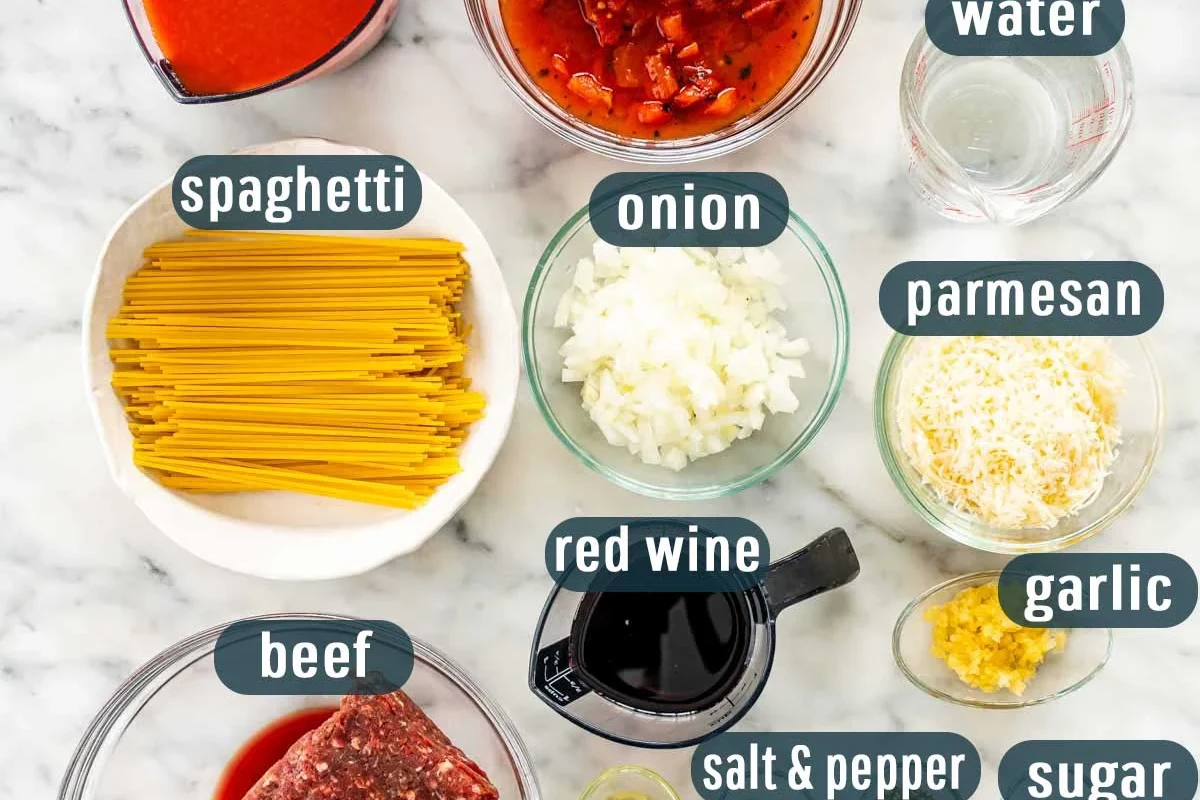
At its core, pasta is a dough made from flour and liquid. That liquid is usually water, but it can also be eggs. Some pasta uses only one flour. Others blend several kinds.
So, if you’re asking what pasta is made of, the short answer is this: flour, water, and sometimes eggs. That simple base can become spaghetti, penne, ravioli, and many more shapes.
Basic pasta ingredients at a glance
Most pasta recipes begin with these basics:
- Flour gives pasta its body and shape.
- Water helps form the dough.
- Eggs add richness, color, and a softer bite.
- Salt adds flavor, though some recipes leave it out.
In short: pasta does not need a long ingredient list to work well.
How flour and water turn into dough
When flour meets water, the grains absorb moisture and start to bind together. As you mix and knead, the dough becomes smoother and firmer. That’s what gives pasta its chew.
Wheat flour matters because it contains gluten-forming proteins. Gluten gives pasta strength, so it can hold its shape while cooking. If the dough feels too dry, it can crack. If it feels too wet, it can turn sticky.
Durum wheat has a high protein level, which helps pasta stay firm when cooked.
Main Pasta Ingredients and What Each One Does
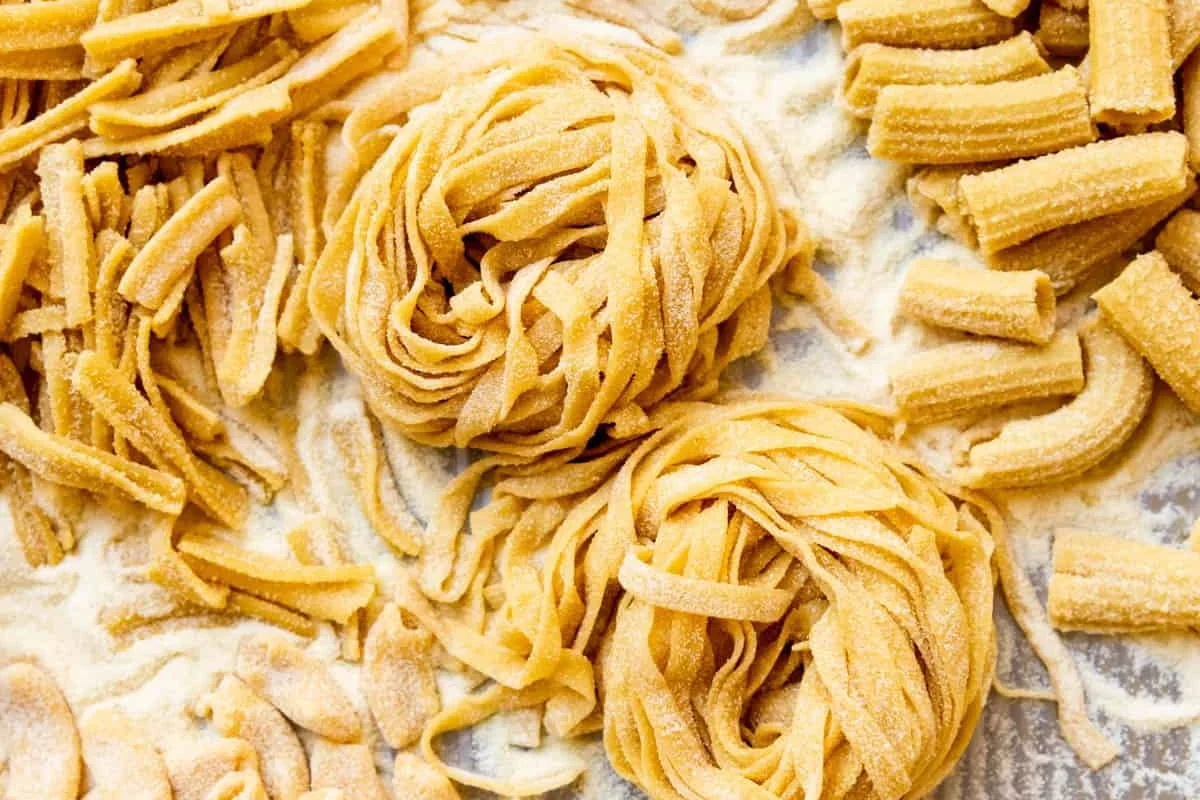
Different pasta styles use different ingredients for a reason. Each one changes texture, flavor, color, and cooking results. If you know what each ingredient does, it’s much easier to pick the right pasta.
Durum wheat semolina
Durum wheat semolina is the classic pasta flour. It comes from a hard wheat that makes pasta firm and slightly chewy. This is the flour you’ll often see in dried pasta.
Semolina works well because it holds shape during boiling. It also gives pasta a pale golden color. For many cooks, this is the standard pasta taste they expect.
All-purpose flour and other wheat flours
All-purpose flour is softer than semolina. It can make pasta that feels more tender and less firm. Some homemade pasta recipes use it because it’s easy to find.
Other wheat flours can also show up in pasta. Whole wheat flour adds more fiber and a nuttier taste. Bread flour can make a stronger dough, but it may feel a bit firmer.
Flour choice affects dough feel, but results vary by brand, moisture, and how long you knead.
Eggs, water, and salt
Eggs make pasta richer and smoother. They also add color and help create a more tender bite. Egg pasta is common in fresh noodles and filled pasta.
Water is the simplest liquid for pasta dough. It keeps the dough lean and lets the wheat flavor stand out. Salt adds taste, but it should not replace seasoning in the cooking water.
In short: eggs make pasta richer, while water keeps it plain and flexible.
Optional add-ins like spinach, squid ink, and tomato
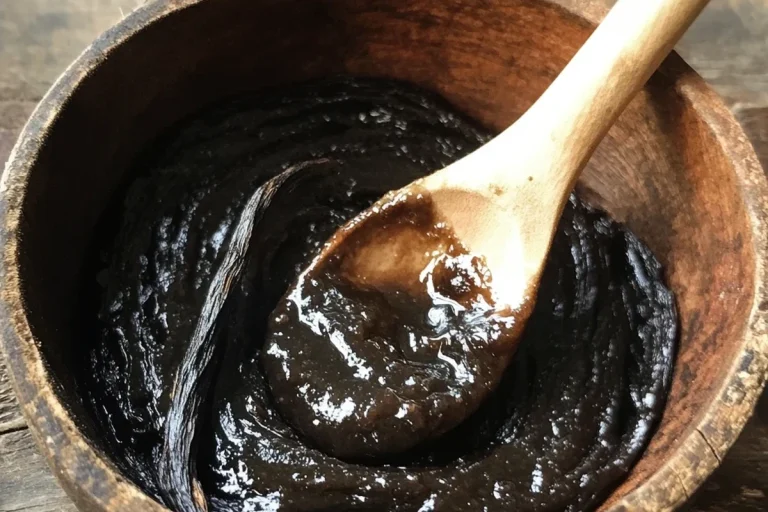
Some pasta includes extra ingredients for color and flavor. Spinach can make pasta green. Tomato can add a soft red tone. Squid ink gives pasta a dark black look and a mild seafood note.
These add-ins are often used in fresh pasta. They can make a dish look special, but they do not always change the texture much. The base flour still does most of the work.
How Pasta Is Made From Dough to Shape
Pasta starts as dough, but shape matters just as much. The way it is mixed, rolled, cut, and dried changes how it cooks and how sauce clings to it.
Mixing, kneading, and resting the dough
First, the ingredients are mixed until they form a rough dough. Then the dough is kneaded. Kneading helps the gluten develop, which gives pasta its strength.
After kneading, the dough usually rests. Resting makes it easier to roll and shape. It also helps the flour absorb moisture more evenly.
- Use small amounts of water at first.
- Rest dough before rolling for smoother sheets.
- Cover dough so it does not dry out.
Rolling, cutting, and shaping pasta
Once the dough is ready, it gets rolled thin or formed into shapes. Some pasta is cut into ribbons. Some is extruded through a die. Others are stuffed or twisted by hand.
Shape affects more than looks. Long, thin pasta works well with light sauces. Short, ridged pasta catches thicker sauces better.
Drying fresh pasta vs. making dried pasta
Fresh pasta can be cooked soon after shaping. It often has a softer bite and a shorter shelf life. If you do not cook it right away, it may need to dry a bit first.
Dried pasta is made to last longer on the shelf. It is dried slowly so it can store well and cook evenly later. That’s why boxed pasta feels firmer before cooking.
Fresh pasta spoils faster than dried pasta. Follow safe storage times and keep it chilled if the recipe calls for that.
Types of Pasta and How Ingredients Change the Result
The ingredient list tells you a lot about the final pasta. It can tell you whether the pasta will be soft or firm, rich or plain, and quick or slow to cook.
Fresh pasta vs. dried pasta
Fresh pasta usually has eggs and more moisture. It cooks fast and tastes tender. Dried pasta usually uses semolina and water. It has a firmer chew and stores well.
If you want a quick meal, dried pasta is often easier. If you want a softer, richer feel, fresh pasta may be the better pick.
Egg pasta vs. egg-free pasta
Egg pasta has a richer flavor and a yellow color. It often feels softer and more delicate. Egg-free pasta is lighter and more neutral.
Egg-free pasta is common in many dried products. It also works well for people who avoid eggs. The sauce often does more of the flavor work in that case.
Whole wheat and gluten-free pasta
Whole wheat pasta uses more of the grain, so it has more fiber and a deeper flavor. It can feel denser than regular pasta. Some people like that hearty bite.
Gluten-free pasta uses other flours or starches, such as rice or corn. It can be a good choice for gluten-free diets, but texture varies a lot by brand. Some hold up well, while others can turn soft fast.
What to Look For on a Pasta Label
The label can tell you a lot before you ever boil the pasta. A quick look at the ingredient list can help you spot quality, special diets, and better matches for your meal.
Ingredient list basics
Start with the first ingredient. For many pastas, that will be semolina or wheat flour. If you see a short list, that often means a more basic pasta.
For egg pasta, check whether eggs appear near the top. For gluten-free pasta, look for the main grain or starch source. If you have allergies, read every line carefully.
Signs of quality in store-bought pasta
Quality does not always mean expensive. A good pasta label often shows a short, clear ingredient list. It should also match the type of pasta you want.
For dried pasta, semolina is a common sign of a sturdy bite. For fresh pasta, eggs and simple flour lists are common. If the label includes many extra fillers, ask whether you really need them.
When simple ingredients matter most
Simple ingredients matter most when pasta is the main part of the meal. If you plan to use a light sauce, the pasta’s own flavor stands out more. In that case, a clean ingredient list can make a real difference.
Simple pasta also helps when you cook for kids or guests with food limits. Fewer ingredients can make choices easier and safer.
Benefits and Limits of Different Pasta Ingredients
No single pasta ingredient list is best for every home cook. Each one has upsides and trade-offs. The right choice depends on taste, time, and what you plan to serve.
Texture, taste, and cooking performance
Semolina pasta usually cooks up firm and springy. Egg pasta feels richer and softer. Whole wheat pasta tastes deeper and heartier. Gluten-free pasta can range from smooth to fragile.
That means texture is tied to ingredients from the start. A sauce that works with one pasta may not work as well with another.
Nutrition, protein, and fiber differences
Nutrition changes with the flour type. Whole wheat pasta often brings more fiber than refined pasta. Egg pasta may have more protein and fat from the eggs.
Still, the full meal matters most. Sauce, toppings, and portion size all change the final nutrition picture. Pasta alone is only part of the story.
Common trade-offs to expect
Better texture can mean fewer choices for special diets. Gluten-free pasta may fit your needs, but it may need careful cooking. Whole wheat pasta may add fiber, but some people find the taste stronger.
Fresh pasta tastes great, but it takes more care. Dried pasta is easy, but it may not feel as soft or rich.
- Simple ingredients are easy to understand.
- Different flours create useful texture choices.
- Fresh and dried pasta suit different meals.
- Some labels hide extra ingredients.
- Special diet pasta can vary in texture.
- Fresh pasta needs more care and faster use.
Common Mistakes When Choosing or Making Pasta
Most pasta problems start with simple mix-ups. The good news is that they’re easy to avoid once you know what to watch for.
Confusing pasta flour with regular flour
Regular flour can make pasta, but it behaves differently from semolina. If you swap flours without adjusting the liquid, the dough may feel too soft or too dry.
That’s why recipes often name the flour type for a reason. The flour is not just a background item. It shapes the final result.
Using too much water or too little kneading
Too much water can make sticky dough that is hard to shape. Too little kneading can leave the dough rough and weak. Both problems make rolling harder.
- Add liquid slowly until the dough comes together.
- Knead until the dough feels smooth and elastic.
- Let the dough rest before shaping.
- Dumping in all the water at once.
- Stopping kneading too early.
- Skipping the rest time.
Picking the wrong pasta type for the sauce
Thin sauces usually work best with smooth or long pasta. Thick sauces cling better to ridged or shaped pasta. Filled pasta often needs a lighter sauce so the filling still shines.
If the match feels off, the meal can still taste fine. But the texture may not feel balanced.
Best Way to Choose Pasta for Your Kitchen in 2026
The best pasta choice depends on how you cook at home. Some people want speed. Others want flavor or special diet support. Here’s a simple way to narrow it down.
Best option for quick weeknight meals
Dried pasta is usually the easiest choice for busy nights. It stores well, cooks fast, and gives you many shape options. It also pairs nicely with pantry sauces.
If you cook often, this is the most flexible everyday option.
Best option for homemade pasta
For homemade pasta, semolina blends or egg pasta dough are strong choices. They give you better control over texture and flavor. They also let you shape pasta to fit the meal.
If you enjoy the process, homemade pasta can feel rewarding. Just plan for extra time and cleanup.
Best option for special diets
For gluten-free diets, choose a pasta made with approved gluten-free grains or starches. For egg-free meals, pick a simple dried pasta with no egg listed. For more fiber, whole wheat pasta is worth a look.
Always read labels closely. Ingredient lists can change by brand and region.
Final recommendation
If you want the simplest answer, pasta is made from flour and water, with eggs in many types. Semolina pasta is the best all-around choice for most home kitchens because it cooks well and holds shape. Fresh egg pasta is better when you want a softer, richer bite.
In short: choose the pasta that fits your meal, your diet, and your cooking style. That’s the easiest way to get a better bowl every time.
- Pasta is usually made from flour, water, and sometimes eggs.
- Semolina gives dried pasta its firm, classic bite.
- Fresh, whole wheat, and gluten-free pastas all cook differently.
- Read labels closely if you care about diet or texture.
- Pick the pasta shape and ingredient mix for the sauce you plan to use.
Frequently Asked Questions
Most pasta starts with flour and water. Many types also include eggs and salt, while some add spinach, tomato, or squid ink.
Semolina comes from durum wheat and helps pasta stay firm when cooked. It also gives dried pasta its classic bite and pale golden color.
Yes. Fresh pasta usually has more moisture and often includes eggs, while dried pasta is made to last longer and often uses semolina and water.
Use dried pasta for quick meals and fresh pasta for a softer, richer bite. Match thin sauces with smooth pasta and thick sauces with ridged or shaped pasta.
Check the first ingredients, whether eggs are included, and whether the pasta fits your diet. If you have allergies, read the full label every time.
Not always. Whole wheat pasta can taste denser, and gluten-free pasta can vary a lot by brand, so follow the package directions and watch the texture closely.