How to Clean a Pasta Machine the Easy Way

Clean a pasta machine with dry tools after each use, and avoid water unless the manual says otherwise. Brush out flour and dough right away, then store it only when fully dry.
Cleaning a pasta machine is simple once you know the rule. Keep it dry, brush it out right after use, and never run it through the dishwasher.
Always follow the manual for your exact model. If a machine has damaged rollers, loose parts, or electrical issues, stop using it.
- Dry first: A brush and cloth handle most pasta machine cleanup.
- Skip water: Moisture can cause rust and damage hidden parts.
- Clean early: Fresh dough is easier to remove than dried buildup.
- Check the manual: Electric models and attachments may have special care steps.
Why a Pasta Machine Needs Regular Cleaning
Pasta machines work with flour, dough, and fine dust. That mix can hide in rollers, cutters, and corners fast.
If you clean it often, the machine works more smoothly. It also helps keep old dough from mixing with fresh pasta.
How flour, dough, and moisture build up
Dry flour can pack into small spaces. Sticky dough can cling to rollers and blades.
Moisture makes both problems worse. It can turn flour into paste and make cleanup harder later.
In short, the longer you wait, the harder the job gets.
What dirty rollers can do to your pasta
Dirty rollers can leave specks in your pasta sheets. They can also make dough feed unevenly.
That can lead to tearing, rough texture, or odd streaks. Nobody wants that after all the work of making fresh pasta.
When to clean after each use versus deep clean
Do a quick dry clean after every use. That keeps most buildup from sticking.
Do a deeper check now and then, based on how often you cook. If you make pasta often, inspect it more often.
Cleaning needs can vary by model. Some machines have removable parts that make care easier.
How to Clean a Pasta Machine the Easy Way
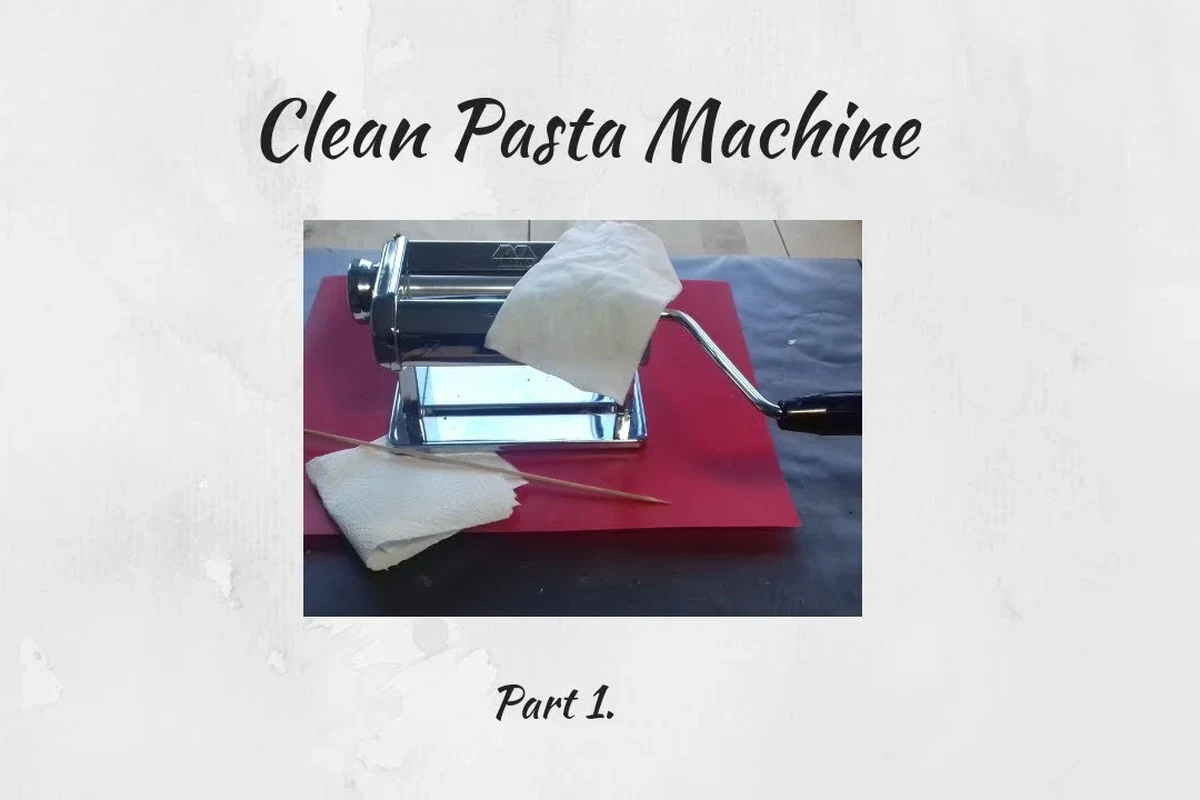
The safest method is dry cleaning. Use a brush, a soft cloth, and a little patience.
For fresh dough, you usually do not need water at all. In fact, water can make the mess worse.
Step-by-step dry cleaning for fresh dough
Make sure it cannot start while you clean it.
Fresh sticky bits often lift more easily after a short wait.
Use a dry brush to remove flour and loose dough.
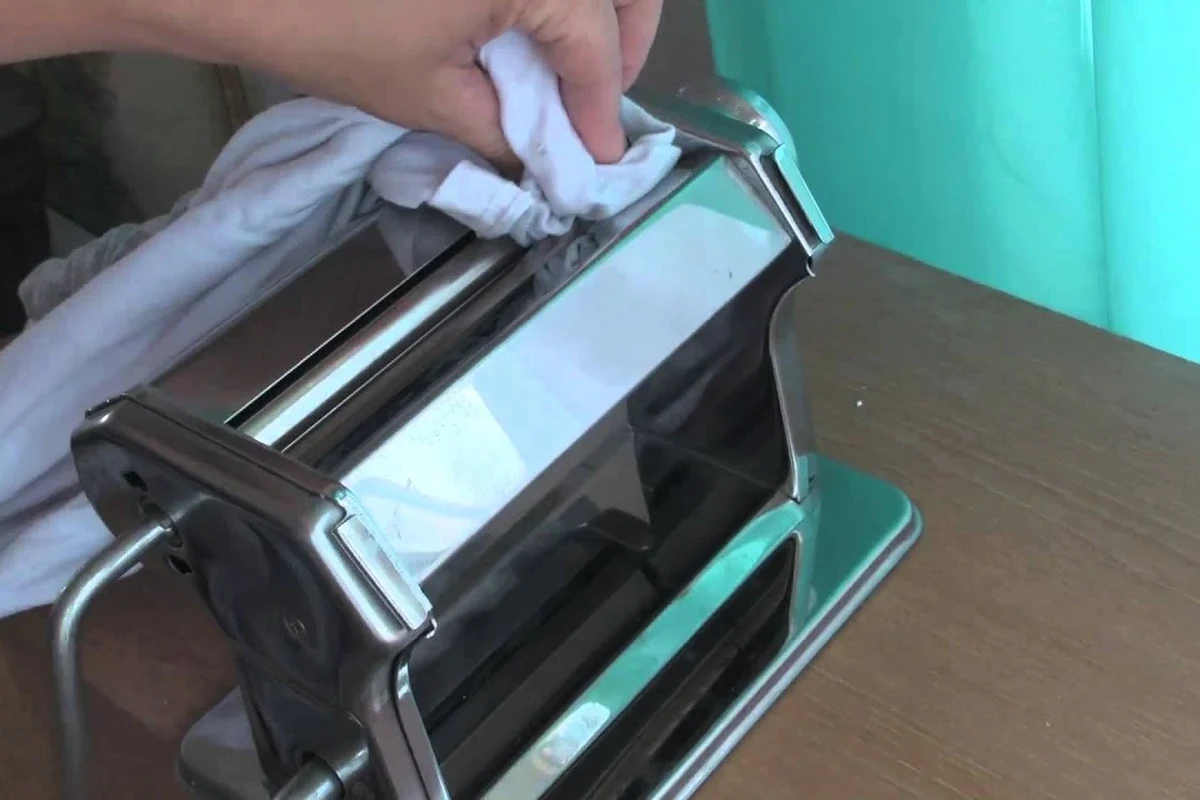
Use a dry cloth on the body, handle, and clamp area.
How to brush out stuck bits safely
Use a soft brush first. That reaches into small spaces without scratching metal.
If a bit stays stuck, use a wooden pick or a plastic tool. Do not force sharp metal into the rollers.
That can scratch the surface or bend small parts.
- Turn the crank slowly while brushing the rollers.
- Work over a sink or tray to catch loose flour.
- Tap the machine gently to shake out dry dust.
What to do with dried dough and flour dust
Dried dough often breaks off better than wet dough. Let it dry a bit more if needed.
Then brush, tap, and wipe again. For flour dust, a dry microfiber cloth works well on the outside.
For stubborn bits inside the rollers, keep using dry tools. Avoid soaking the machine to save time.
What You Should Never Use on a Pasta Machine
Some cleaning shortcuts can ruin a pasta machine. The biggest mistake is adding too much water.
Why water can damage metal parts
Water can cause rust on metal parts. It can also trap moisture inside the machine.
That matters even more if the machine has hidden gears or tight joints. Dry cleaning is safer for most models.
Why soap and dishwashers are a bad idea
Soap can leave residue on rollers and cutters. That residue can affect the next batch of dough.
Dishwashers are even worse for many machines. Heat, water, and detergent can damage parts fast.
Always check the manual before washing any removable piece.
Never submerge a pasta machine unless the maker clearly says it is safe. Keep electric parts away from water at all times.
Tools and cleaners that are safe instead
Use a dry brush, a soft cloth, and a wooden pick. Those tools handle most cleanup jobs.
If the manual allows it, you may wipe some removable parts with a barely damp cloth. Dry them fully right away.
Cleaning Different Types of Pasta Machines
Not every pasta machine cleans the same way. The basic idea stays the same, but the details change.
Manual hand-crank machines
Manual machines are usually the easiest to dry clean. You can turn the crank by hand and brush as you go.
Focus on the rollers, cutter blades, and clamp area. Those spots collect the most flour.
Electric pasta makers
Electric pasta makers need extra care because of the motor and controls. Keep water far from the base and cord.
Use only the cleaning steps in the manual. If parts come off, clean them as directed and dry them fully.
Attachments for stand mixers
Stand mixer pasta attachments often have narrow openings. Flour and dough can hide there easily.
Detach the attachment before cleaning. Then use a brush and dry cloth, not water, unless the maker says otherwise.
Dry pasta dough usually brushes out more easily than fresh wet dough. A short wait can make cleanup much simpler.
Common Cleaning Mistakes and How to Avoid Them
Most pasta machine problems come from rushed cleanup. A few small habits can prevent them.
Using too much flour during cleanup
Some people add flour to stop sticking. That can help during rolling, but it can backfire during cleaning.
Too much flour can pack into the rollers and cutters. Use only what you need while making pasta.
Forcing dough through dirty rollers
If the rollers are clogged, do not push more dough through. That can spread the mess deeper.
Stop, brush it out, and start again. A clean machine gives cleaner sheets.
Storing the machine before it is fully dry
Moisture trapped in storage can lead to rust or odor. It can also leave sticky residue behind.
Let every cleaned part dry fully before you put it away. That small step helps the machine last longer.
Brush out flour, remove dough bits, and wipe the outside dry.
Check for stuck debris, loose parts, and signs of rust or wear.
Maintenance Tips to Keep Your Pasta Machine Working Well
Good cleaning and good care go together. A clean machine is easier to use and easier to store.
How to oil or not oil moving parts
Do not oil parts unless the manual says to do it. Some machines do not need oil at all.
If the maker recommends oil, use only the type and amount they list. Too much oil can attract dust.
Best storage habits for long life
Store the machine in a dry place. A cabinet or covered shelf works well.
Keep it away from steam, sink splashes, and damp towels. If possible, keep the box or a dust cover nearby.
When to inspect blades, rollers, and clamps
Look at the blades and rollers before each use. Check for buildup, rust, or rough spots.
Also inspect the clamp and crank. If anything feels loose, stop and fix the issue before making pasta.
Best Tools and Supplies for Pasta Machine Cleaning
You do not need a fancy kit. A few simple tools do most of the work.
Brushes, picks, and soft cloths
A small brush is the best all-around tool. It reaches into tight spots without damage.
A wooden pick can help with stuck corners. A soft cloth works for the outside and handles.
Dry towels and microfiber cloths
Dry towels help remove loose flour fast. Microfiber cloths work well for fine dust.
They also leave fewer fibers behind than rough towels.
Optional care products and their value
Some owners use food-safe oil or specialty care products. These only make sense if the manual recommends them.
For most home cooks, simple dry tools are enough. That keeps cleanup easy and safe.
Final Recommendation: The Simplest Cleaning Routine for Home Cooks
If you want the easiest answer, keep it dry. Brush the machine after each use, wipe the outside, and store it only when fully dry.
That routine works for most hand-crank machines, many electric models, and mixer attachments.
Quick recap of the safest method
Unplug or disconnect the machine. Brush out flour and dough right away.
Use a dry cloth on the outside. Avoid water, soap, and the dishwasher unless the manual clearly allows them.
Who should follow a basic routine versus a deeper clean
Home cooks who make pasta now and then can stick to the basic routine. Frequent users should inspect the machine more often.
If you cook pasta often, take a few extra minutes each month for a closer check. That helps catch buildup before it becomes a problem.
When it makes sense to replace an old machine
Replace the machine if rollers stick, blades snag, or rust keeps coming back. Those signs can mean the machine is wearing out.
If parts feel unsafe or the motor acts oddly, stop using it. In that case, replacement is often the smarter choice than repair.
- Clean a pasta machine with dry tools after every use.
- Avoid water, soap, and dishwashers unless the manual allows them.
- Store the machine only when every part is fully dry.
- Inspect rollers, blades, and clamps often for wear or buildup.
Frequently Asked Questions
Use a dry brush to remove flour and dough right away. Wipe the outside with a dry cloth and let the machine dry fully before storage.
Most pasta machines should not get wet. Water can cause rust or damage hidden parts, so check the manual before using any damp cloth.
A soft brush and a wooden pick are usually the safest tools. Avoid sharp metal tools that can scratch rollers or blades.
Usually, no. Heat, detergent, and water can damage many machines, so only wash parts if the maker clearly says they are dishwasher safe.
That depends on how often you use it. Frequent cooks should inspect it more often, while occasional users can deep clean when buildup starts to show.
Stop using it if rollers stick, parts feel loose, rust keeps returning, or an electric model shows power problems. Follow the manual and replace damaged equipment if needed.