How to Use Curry Paste for Easy Flavorful Meals

Cook curry paste in oil first, then add your ingredients and liquid. That simple method gives you fast, rich flavor in curries, pasta, soups, and rice dishes.
Cooking with curry paste is one of the fastest ways to build deep flavor at home. If you want a simple answer, start by frying the paste in a little oil, then add your main ingredients and liquid. That basic move works in curries, soups, pasta sauces, rice dishes, and one-pan meals.
It sounds small, but it changes everything. Curry paste wakes up in heat and fat, so it tastes fuller and richer than just stirring it into a wet pan. In short: a tiny spoonful can turn plain ingredients into a meal with real character.
- Start in oil: Curry paste tastes best after a short cook.
- Use less first: You can always add more heat later.
- Match the style: Pick a paste that fits your recipe.
- Balance the dish: Coconut milk, cream, or broth can soften strong flavor.
- Store it well: Refrigerate opened paste and watch for spoilage.
What Curry Paste Is and Why It Works So Well
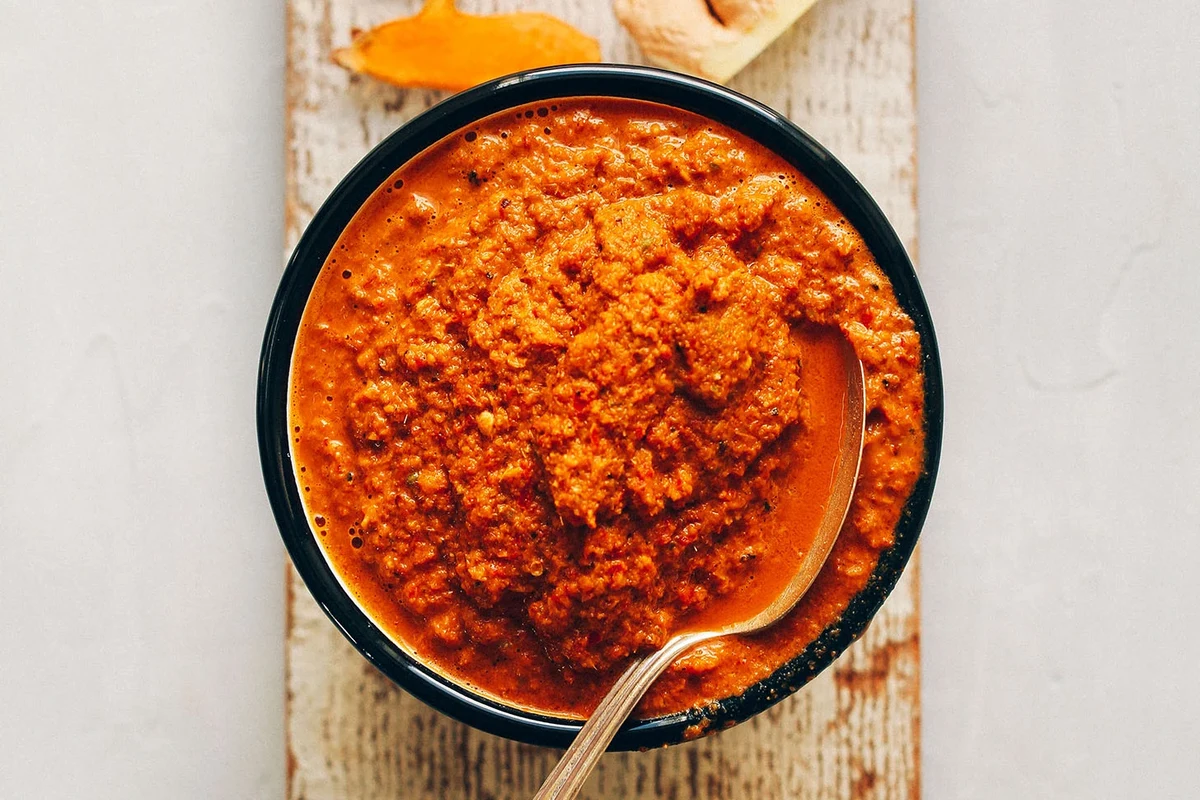
Curry paste is a thick blend of herbs, spices, aromatics, and often oil. It gives you a strong flavor base without needing to chop a long list of ingredients.
That is why it works so well on busy nights. You get a lot of flavor in a short time, and you can adjust the final dish with coconut milk, broth, cream, tomatoes, or stock.
How curry paste builds fast flavor in meals
Curry paste works fast because it already contains many flavor notes in one jar. When you cook it in oil, the heat helps release those flavors and soften the raw edge.
That step matters. It gives the dish a deeper taste than simply mixing the paste into a sauce at the end.
Many curry pastes taste sharper when raw. A short cook in oil often makes them taste smoother and richer.
Main ingredients you’ll often find in curry paste
Ingredients vary by style, but many curry pastes include some mix of these:
- Chiles for heat
- Garlic and shallot for depth
- Ginger or galangal for bite
- Lemongrass for fresh citrus notes
- Spices like coriander, cumin, or turmeric
- Salt, oil, and sometimes shrimp paste or fish sauce
Because brands differ, always check the label. That is especially important if you avoid seafood, watch sodium, or need a vegan option.
How curry paste differs from curry powder
Curry powder is a dry spice blend. Curry paste is wet and usually includes aromatics, oil, and sometimes salty ingredients.
That difference changes how you cook with it. Powder often needs more fat and time to bloom. Paste usually gives you faster, more layered flavor with less effort.
There is no single curry paste recipe. Flavor, heat, salt, and texture can vary a lot by brand and region.
How to Use Curry Paste in Everyday Cooking
The easiest method is simple. Cook the paste in oil first, then add your other ingredients. After that, add liquid and simmer until the flavors blend.
That method works for beginners and experienced cooks alike. It also gives you a better chance of balancing heat, salt, and richness before the dish is done.
The basic method for cooking curry paste
Heat a small amount of oil in a pan over medium heat.
Stir in the curry paste and cook it briefly until fragrant.
Stir in vegetables, protein, or noodles so they pick up the flavor.
Pour in broth, coconut milk, or another liquid and cook until done.
Do not let the paste burn. Burned aromatics can taste bitter fast, and the whole dish may suffer.
How much curry paste to use for mild or bold flavor
Start small if you are unsure. You can always add more, but you cannot take it back once the dish gets too strong.
For a mild dish, use a small spoonful and build from there. For a bolder dish, use more paste, but taste as you go. The right amount depends on the brand, the other ingredients, and your heat tolerance.
- Start with less paste than you think you need.
- Taste after simmering, not just after mixing.
- Add coconut milk or cream to soften harsh heat.
Best foods to pair with curry paste
Curry paste works well with foods that can hold bold flavor. It also helps with ingredients that need a little lift.
- Chicken, shrimp, tofu, or eggs
- Rice, noodles, or pasta
- Potatoes, carrots, onions, and sweet peppers
- Coconut milk, cream, or yogurt-based sauces
- Broth, beans, lentils, and roasted vegetables
Think about balance. Rich foods calm the heat. Sweet vegetables and starches help round out sharp spice.
Choosing the Right Curry Paste for Your Recipe
The best curry paste depends on the dish you want to make. Some pastes taste bright and herbal. Others taste earthy, smoky, or very hot.
If you match the paste to the recipe, the final dish feels more natural. If you mismatch it, the flavor can still be good, but it may feel a little off.
Thai, Indian, and other common curry paste styles
Thai curry pastes are often wet and built from chiles, herbs, and aromatics. They are common in red, green, and yellow styles.
Indian-style curry pastes are less standardized. Some are closer to masala blends. Others are smooth cooking bases with onion, garlic, ginger, and spices.
Often bright, fragrant, and strong on herbs and chiles.
Often deeper, earthier, and built for slow simmering.
How spice level, salt, and oil affect your choice
Spice level is only one part of the choice. Salt and oil matter too.
A very salty paste can make the whole dish taste flat if you add too much. A very oily paste may feel rich, but it can also change how your sauce thickens. If you want more control, choose a paste with a short ingredient list and a flavor profile you trust.
What to check on the label before buying
Take a quick look at the label before you buy. That small habit can save you from a bad match later.
- Heat level and flavor style
- Salt content and added sauces
- Allergen notes, including seafood or nuts
- Storage directions after opening
- Best-by date and jar size
Easy Ways to Add Curry Paste to Pasta, Rice, and One-Pan Meals
Curry paste is not just for classic curry bowls. It can also turn simple pasta, rice, and skillet meals into something more exciting.
That is great news for busy home cooks. You can use one jar in several different meals without making the same dish twice.
How to use curry paste in creamy pasta sauces
Curry paste can work well in creamy pasta sauce. Start by cooking the paste in oil or butter, then add cream, coconut milk, or a mix of broth and dairy.
Keep the sauce simple. Pasta, peas, spinach, chicken, shrimp, or roasted cauliflower all work well. If the sauce tastes too sharp, add a little more fat or a touch of sweetness.
For pasta, use curry paste like a flavor base, not the main sauce. A little goes a long way in a creamy dish.
How to use curry paste in soups, stir-fries, and roasted dishes
In soups, stir the paste into the pot early so it can cook with the aromatics. Then add broth, vegetables, and protein.
In stir-fries, use curry paste with oil and a splash of water or stock. In roasted dishes, mix a small amount with oil and coat vegetables before baking. That gives the food a bold surface flavor.
Simple flavor pairings that work well every time
If you are not sure where to start, use pairings that already make sense together.
- Curry paste, coconut milk, and rice
- Curry paste, pasta, cream, and peas
- Curry paste, broth, noodles, and vegetables
- Curry paste, potatoes, onions, and roasted cauliflower
- Curry paste, chicken, and sweet peppers
Common Mistakes When Using Curry Paste
Most curry paste problems are easy to avoid. A little care at the start can save the whole meal.
Why burning the paste can ruin the flavor
Curry paste can burn quickly because it often contains garlic, shallot, and spices. Once those parts scorch, the flavor turns harsh.
Keep the heat at medium or medium-low. Stir often, and add a splash of liquid if the pan looks too dry.
The paste smells sharp or bitter after a minute or two.
Lower the heat, add a little oil or liquid, and stir right away.
How to avoid using too much salt or heat
Some curry pastes already contain a lot of salt. Others bring serious heat in just a spoonful.
Use plain ingredients around them. Unsalted broth, plain rice, and mild vegetables help you control the final taste. If the dish gets too hot, add coconut milk, yogurt, cream, or more starch.
Why adding paste too late can weaken the taste
If you stir curry paste in at the end, it may taste flat or raw. The flavors need heat and time to open up.
Add it early enough to cook, but not so long that it burns. That middle ground gives you the best result.
Safety, Storage, and Freshness Tips
Good storage helps curry paste last longer and taste better. It also helps you avoid waste.
Because curry pastes vary, always follow the jar label when it gives storage directions. If the package says refrigerate after opening, do that right away.
How to store opened curry paste safely
After opening, seal the jar tightly and store it in the fridge unless the label says otherwise. Use a clean spoon each time so you do not add extra food bits or moisture.
For longer storage, you can often freeze small portions. Ice cube trays or small freezer-safe containers can help, depending on the paste texture.
Throw away any paste that shows mold, strange smells, or clear signs of spoilage. When in doubt, do not taste it.
Signs your curry paste may no longer be good
Watch for mold, gas buildup, sour smell, or a very off look in the jar. A dried-out top layer is not always a problem, but it can mean the paste has been exposed to air too long.
If the color looks odd or the smell seems wrong, skip it. Food safety matters more than saving a spoonful of paste.
How long curry paste usually lasts in the fridge or freezer
How long curry paste lasts depends on the brand, ingredients, and storage. Some jars keep well for a long time in the fridge once opened, while frozen portions can last longer.
Still, do not guess. Check the label, and use your senses. If the jar has been open for a while, freshness may fade before safety becomes a clear issue.
Cost, Value, and Final Recommendation
Curry paste is often a smart buy for home cooks who want big flavor without a long prep list. One jar can support many meals if you use it in more than one style of dish.
The best value comes from flexibility. If you can use it in curries, pasta, soups, rice, and roasted vegetables, the jar earns its place fast.
When curry paste is worth buying for home cooks
It is worth buying if you want speed, strong flavor, and less chopping. It is also a good choice if you like to cook from what you already have on hand.
If you only make one kind of curry once in a while, a paste can still help. But you will get more value if you use it across several recipes.
Budget-friendly ways to get more use from one jar
Use curry paste in small amounts and stretch it with coconut milk, broth, or tomatoes. That keeps one jar working across several meals.
Try freezing leftovers in small portions. You can also use it to season rice, lentils, or roasted vegetables when you need a quick dinner.
Final take on how to use curry paste for easy meals
The best way to use curry paste is simple. Cook it in oil, add your ingredients, then build the dish with liquid and balance it to taste.
If you want easy, flavorful meals with less effort, curry paste is a great tool. Start with a small amount, choose a style that fits your recipe, and let the paste do the heavy lifting.
Curry paste is one of the easiest ways to add bold flavor to quick home meals. Use it early, keep the heat under control, and match the paste to the dish for the best result.
Frequently Asked Questions
Start by cooking the paste in a little oil over medium heat. Then add your main ingredients and liquid, and simmer until the flavors blend.
Begin with a small amount, then taste and add more if needed. The right amount depends on the brand, the dish, and how much heat you want.
Yes, curry paste can work well in creamy pasta sauces. Cook it first in oil or butter, then add cream, coconut milk, or broth.
Seal the jar tightly and refrigerate it unless the label says otherwise. Use a clean spoon each time, and freeze extra paste in small portions if needed.
Look for mold, sour smells, gas buildup, or a very off appearance. If anything seems wrong, do not taste it and throw it away.
It works well with chicken, shrimp, tofu, rice, noodles, potatoes, and vegetables. Coconut milk, broth, cream, and tomatoes also help balance the flavor.