How to Measure Dry Pasta for Perfect Portions Every Time

Measure dry pasta before cooking for the most reliable portions. A kitchen scale is best for accuracy, while cups and tools are great for quick everyday meals.
Measuring dry pasta is simple once you know the right method for the shape. For most home cooks, a kitchen scale gives the best accuracy, while measuring cups work well for quick meals.
- Best accuracy: Weigh dry pasta with a kitchen scale.
- Easy method: Use cups for short shapes and quick meals.
- Portion guide: Start with about 2 ounces dry per adult.
- Shape matters: Long and short pasta need different measuring methods.
- Common mistake: Do not confuse dry pasta amounts with cooked pasta.
How to Measure Dry Pasta the Right Way
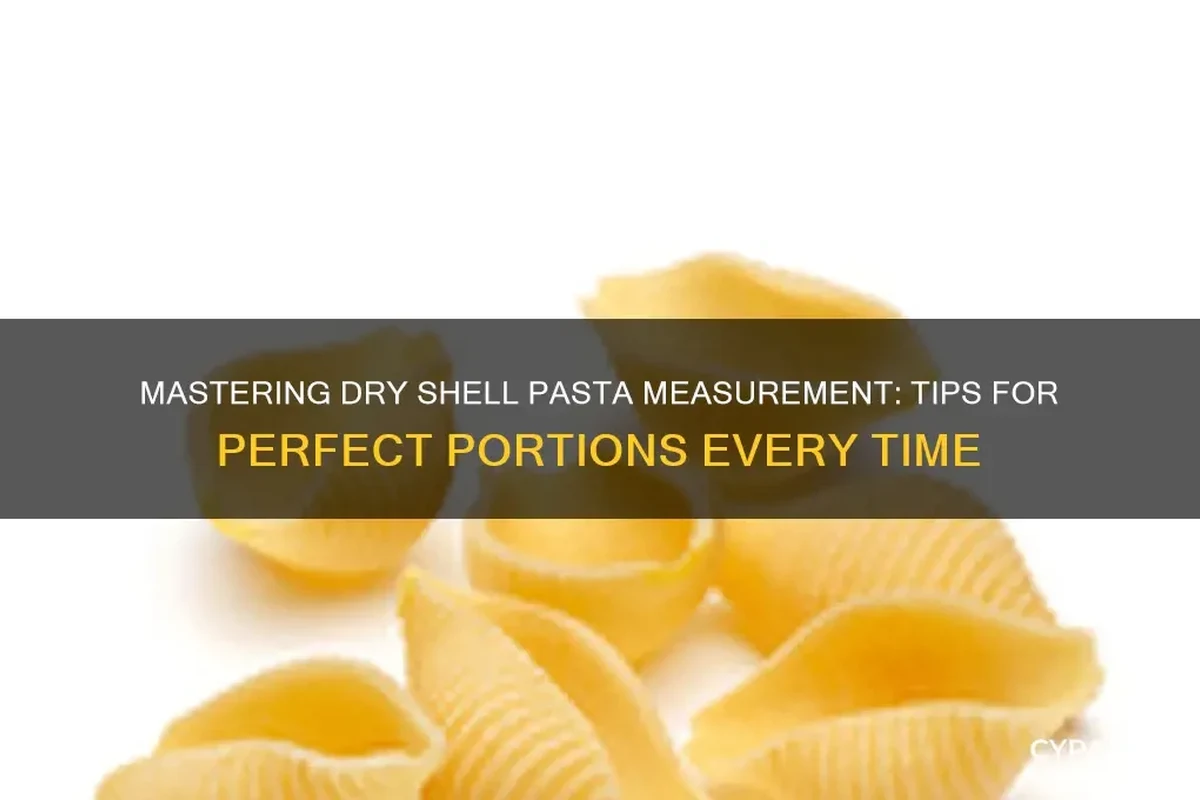
The best way to measure dry pasta depends on how exact you want to be. If you want repeatable portions, weigh it. If you just need dinner on the table, a cup measure or pasta tool can work fine.
Why portion size matters for everyday cooking
Portion size affects cost, waste, and how balanced the meal feels. Too much pasta can crowd the plate and leave you with leftovers you did not plan for.
Too little can leave people hungry. That matters even more when pasta is the main dish and not just a side.
The quick answer for spaghetti, penne, and other shapes
For most dry pasta, a standard main-dish serving is about 2 ounces by weight per person. That is the most useful starting point for spaghetti, penne, and many other shapes.
Without a scale, use a measuring cup or a pasta portion tool. The exact amount changes with shape, so a cup of spaghetti is not the same as a cup of rotini.
If you cook pasta often, keep a small scale near your dry goods. It makes weeknight cooking much easier.
Common Measuring Methods That Actually Work
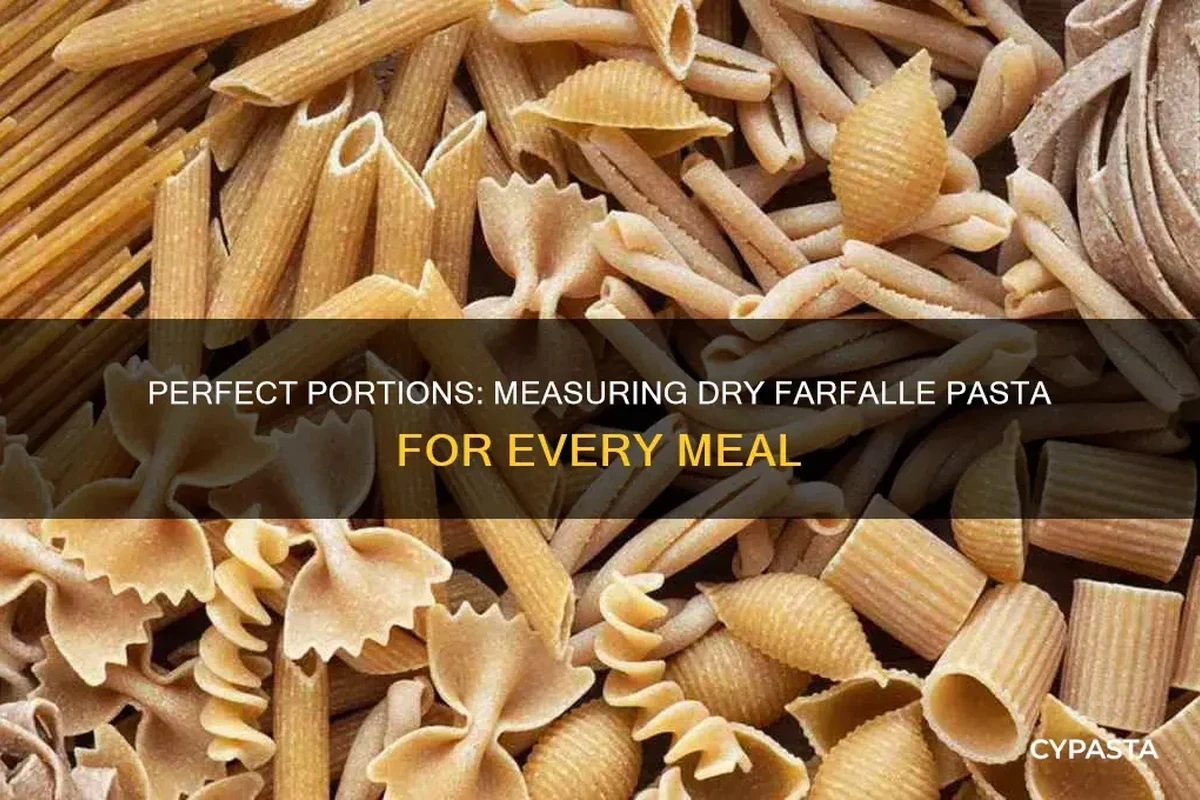
There are three reliable ways to measure dry pasta. Each one has a different level of speed and accuracy.
Using a kitchen scale for the most exact results
A digital kitchen scale gives the cleanest answer. Put a bowl on the scale, zero it out, then add pasta until you reach the target weight.
This method works best when you want the same result every time. It also helps when you cook for one person and want to avoid waste.
Using measuring cups for quick home cooking
Measuring cups are fast and easy, but they are less exact. They work best for short pasta shapes like penne, rotini, and shells.
For long pasta, cups can be awkward because the strands do not pack the same way each time. Still, they are fine for everyday cooking when you do not need perfect precision.
Using a pasta portion tool or pasta server
Some kitchen tools have holes or slots that show common pasta portions. These tools can be handy if you cook the same amount often.
A pasta server with a center hole may also help estimate a single serving of long pasta. Just remember that tools can vary, so treat them as guides, not laws.
Serving tools and cup measures can vary by brand and by how tightly the pasta is packed.
How to Measure Different Pasta Shapes
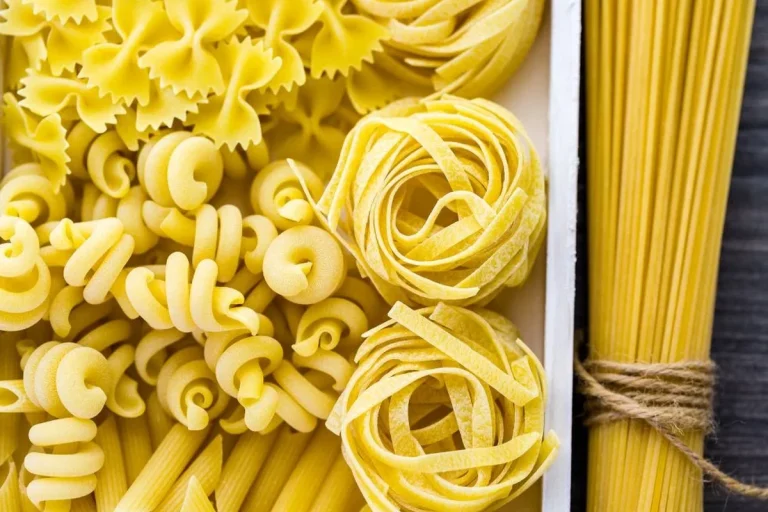
Pasta shape changes how you measure it. Long noodles, short shapes, and fresh pasta each need a slightly different approach.
Long pasta like spaghetti, linguine, and fettuccine
Long pasta is easiest to measure by weight. If you do not have a scale, make a small bundle in your hand.
Some cooks use a pasta measure with holes for different serving sizes. That can be useful, but the exact fit depends on the brand and noodle thickness.
Short pasta like penne, rotini, and shells
Short pasta is easier to measure with cups. Scoop it lightly, then level it off if you want a closer estimate.
If you pack the cup hard, you may end up with more pasta than you meant to cook. A loose fill is usually the safer choice.
Fresh pasta versus dry pasta portions
Fresh pasta contains more moisture, so the portion size is not the same as dry pasta. A small amount of fresh pasta can cook into a bigger, softer serving.
Because fresh pasta varies so much by thickness and shape, follow the package directions when you can. If you make it at home, start small and adjust next time.
Long pasta often looks like too little when it is dry, but it expands a lot after cooking.
Portion Sizes for One, Two, and Family Meals
Good pasta portions depend on who is eating and what else is on the table. A pasta dinner for one looks very different from a big family tray.
Standard serving sizes for main dishes
For a main dish, 2 ounces of dry pasta per adult is a common starting point. That usually gives a regular plate once the pasta is cooked.
If the meal includes a rich sauce, meat, or bread, a smaller amount may be enough. If pasta is the star of the plate, you may want a little more.
Smaller portions for side dishes and soups
For a side dish, use less than a full main-dish serving. In soups, pasta should support the broth, not take over the pot.
Small shapes often work best in soup because they spread through the bowl more evenly. That also helps you avoid a starchy, heavy texture.
How to adjust for kids, big appetites, and leftovers
Kids often need less than adults, but that depends on age and appetite. Big eaters may need more, especially after sports or a long day.
If you want leftovers, cook a little extra on purpose. That is better than guessing too low and boiling a second batch later.
Weigh a single serving for the most control.
Use a larger bowl or scale for faster prep.
Tools, Specs, and Simple Kitchen Tips
You do not need fancy gear to measure pasta well. A few basic tools make the job faster and more reliable.
What you need before you start measuring
A scale is best if you want exact portions. A measuring cup is the easiest backup for most kitchens.
How water, sauce, and shape affect the final amount
The final amount on the plate depends on more than the dry weight. Sauce, added vegetables, and pasta shape all change how filling the meal feels.
Thick sauces cling to pasta and can make a smaller portion feel bigger. Thin sauces may need a bit more pasta to feel complete.
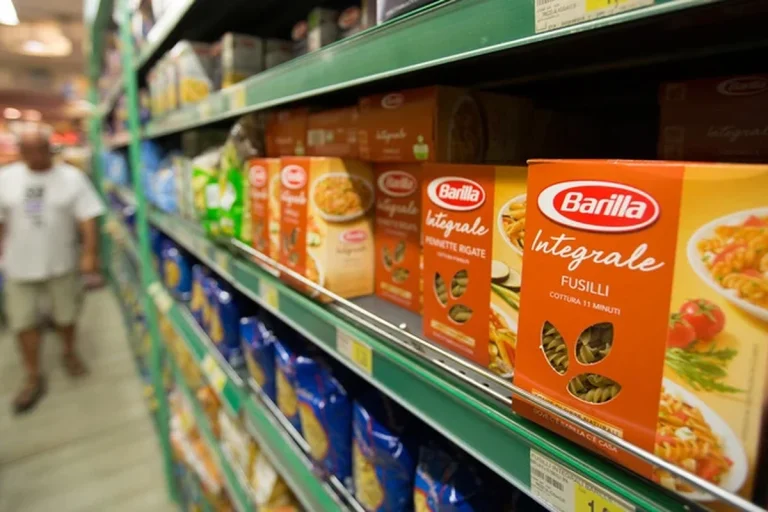
When to trust the package serving size and when not to
Package serving sizes are a useful guide, but they are not always perfect for your table. They work best when you want a basic starting point.
Do not treat the label as the only answer. Your appetite, recipe, and side dishes matter too.
- Measure pasta before you boil the water.
- Use the same bowl or cup each time for consistency.
- Write down portions that work well for your family.
Common Mistakes When Measuring Dry Pasta
Most pasta mistakes happen before the pot even heats up. A little care at the start saves trouble later.
Guessing by eye instead of measuring
Eyeballing pasta sounds easy, but it often leads to too much food. Dry pasta can look smaller than it really is.
If you cook pasta often, guessing can also make your results swing from one meal to the next. That makes planning harder.
Confusing dry pasta portions with cooked portions
Dry pasta and cooked pasta are not the same thing. The pasta absorbs water, so the cooked amount looks much larger.
This is one of the most common mix-ups in home kitchens. If a recipe says 2 ounces dry, do not swap in 2 ounces cooked.
Overfilling pots and ending up with too much pasta
It is easy to pour in more pasta than the pot can handle. That can lead to clumping and uneven cooking.
Measure first, then choose a pot that gives the pasta room to move. That makes stirring much easier.
Use care when boiling water and draining pasta. Follow your cookware and stove instructions, and keep handles turned in.
Benefits, Limits, and Best Use Cases
Measuring pasta well has real everyday benefits. It saves money, cuts waste, and makes dinner more predictable.
Why proper measuring saves money and reduces waste
When you measure pasta, you cook only what you need. That helps stretch pantry staples and keeps leftovers under control.
It also helps when you buy pasta in bulk. You can plan meals more clearly and avoid opening too many boxes at once.
When exact measuring matters most
Exact measuring matters most when you cook for one, follow a recipe closely, or track portions for a specific diet plan. It also helps with expensive ingredients and tight budgets.
If you are making a dish where pasta is the main event, small changes in amount can change the whole meal.
When a rough estimate is good enough
A rough estimate is fine for family dinners, casual meals, and soups. It is also fine when you know your household eats a little more or less than average.
In those cases, the goal is not perfection. The goal is a meal that feels right.
Final Recommendation for Reliable Pasta Portions
If you want the best all-around method, use a kitchen scale. It gives the most accurate and repeatable dry pasta portions.
If you want speed, use a measuring cup for short shapes or a pasta tool for long noodles. Both can work well in a real home kitchen.
Best method for most home cooks
For most people, a measuring cup is the easiest everyday choice. It is fast, simple, and good enough for many meals.
Just remember that shape matters. A cup of spaghetti and a cup of penne do not behave the same way.
Best method for accuracy and repeatable results
A digital scale is the best choice when you want the same result every time. It removes the guesswork from portion control.
That makes it especially useful for meal prep, recipe testing, and small households.
Simple takeaway for perfect portions every time
Measure dry pasta before cooking, not after. Use weight for precision, cups for convenience, and portion tools for quick estimates.
Once you find the right amount for your home, stick with it. That is the easiest path to reliable pasta dinners.
- Weigh pasta for the most exact portions.
- Use cups or tools when speed matters more than precision.
- Adjust portions for shape, sauce, and who is eating.
- Dry pasta and cooked pasta are not interchangeable.
Frequently Asked Questions
A measuring cup is the easiest way for most home cooks. It works well for short shapes, but a kitchen scale is more accurate.
A common main-dish serving is about 2 ounces of dry pasta per adult. You can adjust up or down based on appetite and what else you serve.
Yes, but it is less exact than weighing it. A pasta portion tool or kitchen scale usually gives better results for long noodles.
No, they are very different. Dry pasta absorbs water and grows a lot after cooking, so you should measure it before boiling.
Use less than a full main-dish serving for a side dish. For soup, start small because the pasta will add bulk as it cooks.
Use a scale when you want repeatable portions, cook for one, or follow a recipe closely. It is the best choice for accuracy.