How to Make Green Pasta at Home Easy Fresh and Delicious

Green pasta is easy to make with fresh greens, flour, and eggs. The key is to squeeze out extra water and cook the pasta briefly.
Green pasta is easier to make than it looks. If you want bright color, fresh taste, and a fun homemade meal, you can do it with simple greens, basic pantry items, and a little care.
This guide shows how to make green pasta at home, step by step. It also covers the common mistakes, the best greens to use, and the safest way to store it.
- Best green: Spinach gives mild flavor and bright color.
- Main step: Blend greens smooth and remove extra water.
- Biggest risk: Wet dough gets sticky and hard to roll.
- Best sauce: Use light sauces that let the color stand out.
- Storage tip: Chill uncooked dough and reheat cooked pasta gently.
How to Make Green Pasta at Home: The Simple Answer
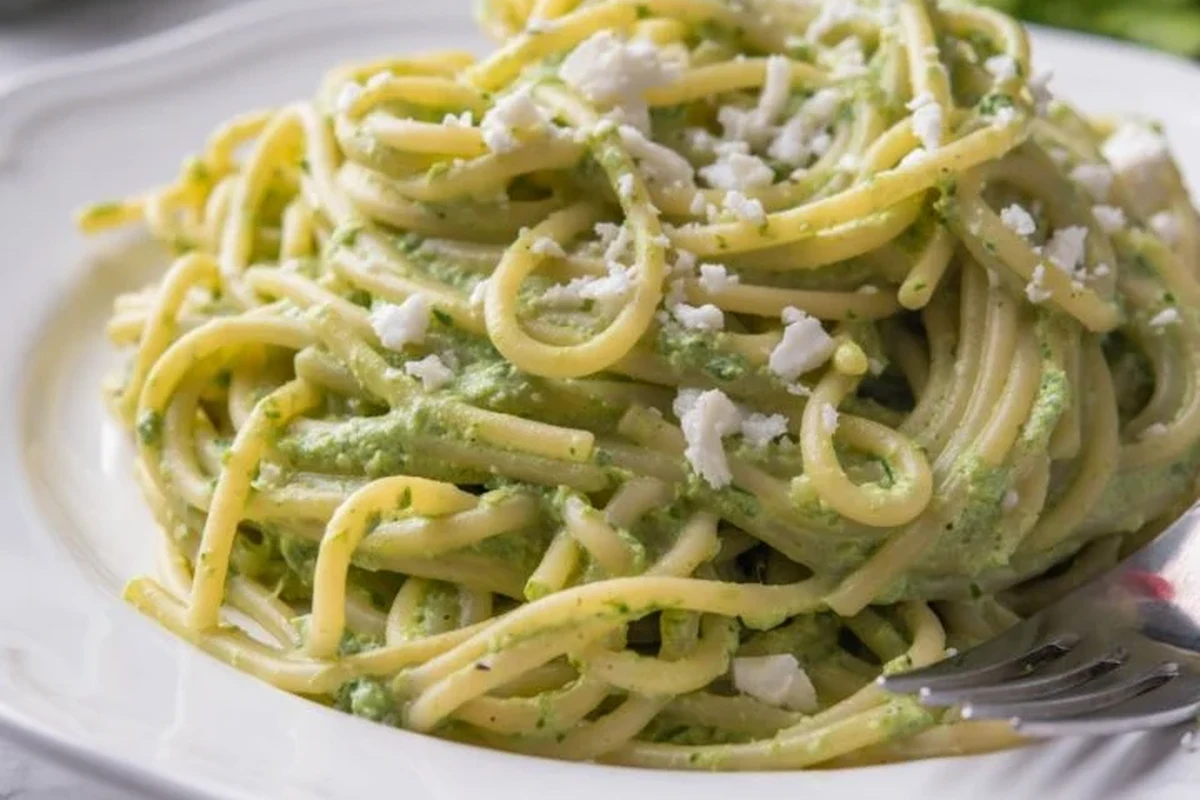
The short answer is this. Blend cooked greens into a smooth puree, mix it into pasta dough, then knead, rest, roll, and cut the dough as usual.
You can make green pasta with spinach, basil, kale, parsley, or other tender greens. Spinach is the easiest choice for a mild taste and a bright green color.
Use well-drained greens. Extra water is the fastest way to ruin pasta dough.
What Green Pasta Is and Why It Works
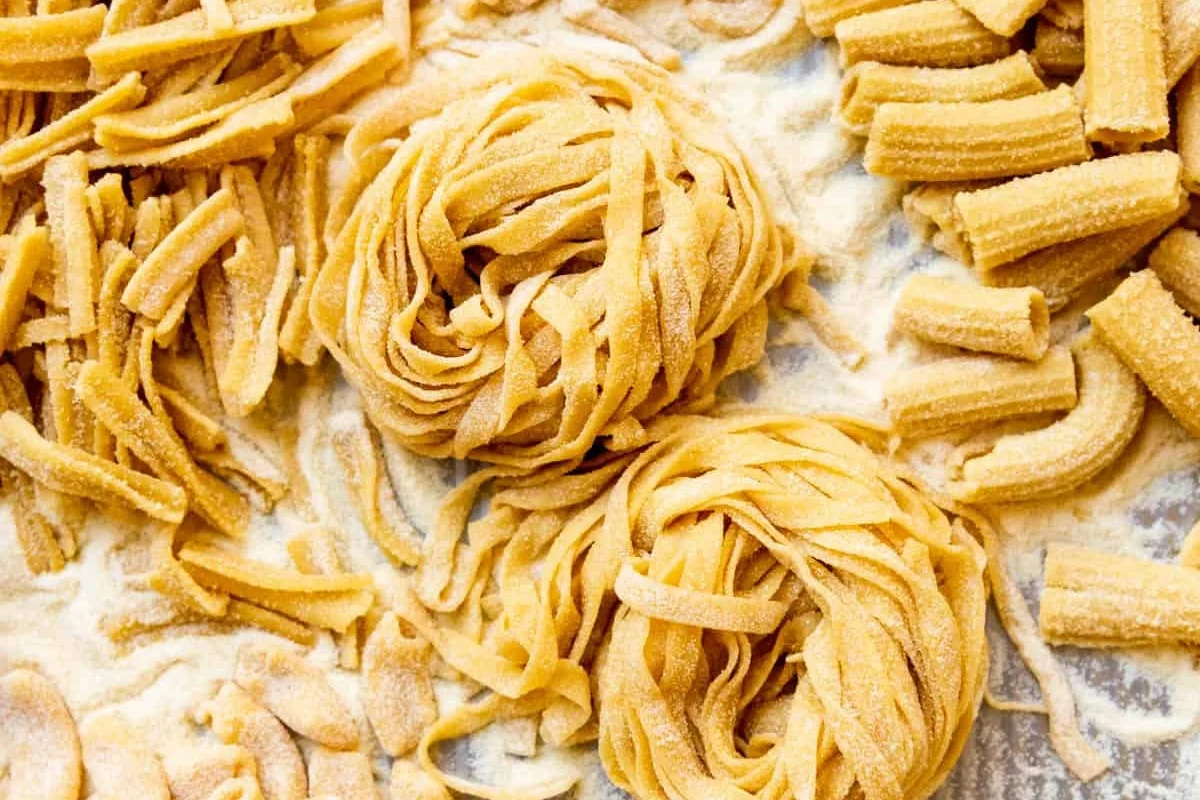
Green pasta is pasta dough that gets its color and flavor from greens. The dough can be made with eggs, flour, semolina, or a mix, depending on the style you want.
The greens add color and a gentle plant taste. They also give the dough a softer look and can make simple sauces feel more special.
How the color and flavor come together
The color comes from the green puree mixed into the dough. The flavor depends on the green you choose and how much you use.
Spinach gives a mild taste. Basil gives a sharper herb taste. Kale tastes stronger and can feel a bit earthy.
Blanching greens first helps keep the color brighter and the taste smoother.
Fresh pasta dough vs dried pasta
Fresh green pasta gives the best color and the softest bite. It cooks fast and works well with light sauces.
Dried pasta is easier to store, but it usually does not hold the same fresh green color. If you want vivid color and a tender texture, fresh dough is the better choice.
Ingredients and Tools You Need
You do not need fancy gear to make green pasta. A blender, a bowl, a rolling pin or pasta machine, and a knife can be enough.
Best greens to use for color and taste
Spinach is the most common choice. It blends well, tastes mild, and gives a soft green color.
Other good options include basil, parsley, Swiss chard, and tender kale. Use softer leaves when you can. Tough greens can make the dough grainy if they are not blended well.
Mild taste and easy color for most pasta dough.
Fresh herb flavor that works well with simple sauces.
Strong color, but the taste can be more earthy.
Basic pantry items and kitchen tools
Most recipes use all-purpose flour, semolina, or a mix of both. Eggs help bind the dough and add richness.
If you want a vegan version, you can use greens, flour, salt, and water. The dough may need a little more mixing to come together.
Flour type, egg size, and green moisture can change the dough. Add liquid slowly and adjust as you go.
Step-by-Step Guide to Making Green Pasta
This method keeps things simple. It works for most home kitchens and most fresh greens.
Wash the greens well. Blanch them for a short time if needed, then cool them fast and squeeze out extra water.
Blend the greens into a smooth puree. Mix the puree with flour, eggs, and salt until a shaggy dough forms.
Knead until the dough feels smooth. Let it rest, covered, so the flour can hydrate and the gluten can relax.
Roll the dough thin, then cut it into your favorite shape. Cook it in salted boiling water until tender but still firm.
Prep the greens
Start by washing the greens well. Dirt and grit can ruin the texture of the pasta.
If the greens are tough, blanch them in boiling water for a short time. Then move them to cold water. Squeeze out as much water as you can.
Wet greens make wet dough. If you skip the squeeze step, the pasta can turn sticky and hard to handle.
Mix the dough
Blend the greens until smooth. If the puree looks chunky, keep blending. A smooth puree helps the dough mix evenly.
Put the flour in a bowl or on a clean counter. Make a well in the middle, then add the puree, eggs, and salt. Mix slowly until the dough starts to form.
Knead, rest, and roll
Knead the dough for several minutes until it feels smooth and springy. If it sticks, add a little flour. If it feels dry, add a few drops of water or more puree.
Wrap the dough and let it rest. This step matters. Rested dough rolls better and tears less.
- Rest the dough for at least 20 minutes.
- Roll in small pieces for easier handling.
- Dust lightly with flour, not too much.
Cut, shape, and cook
Roll the dough thin, then cut it into ribbons, sheets, or shapes like ravioli. Keep the pieces lightly floured so they do not stick.
Cook fresh pasta in salted boiling water. Fresh pasta cooks fast, so watch it closely. Taste a piece to check doneness instead of relying only on the clock.
Best Ways to Serve Green Pasta
Green pasta tastes best with sauces that do not hide the flavor. Light sauces and simple toppings usually work well.
Sauces that match the flavor well
Good choices include olive oil, butter and sage, garlic sauce, pesto, cream sauce, and lemon sauce. These keep the color and flavor front and center.
If your pasta has basil or parsley in it, a simple cheese sauce can work too. For spinach pasta, a light tomato sauce also tastes great.
Easy meal ideas for weeknights
Green pasta can be a quick dinner or a nice weekend meal. You can serve it with roasted vegetables, grilled chicken, shrimp, or beans.
For a fast meal, toss it with olive oil, garlic, and grated cheese. Add a side salad and dinner is done.
Common Mistakes and How to Fix Them
Most green pasta problems come from water, dough balance, or cooking time. The good news is that most of them are easy to fix.
Why the dough turns too wet or too dry
If the dough is too wet, the greens probably had too much water. Add flour a little at a time until the dough firms up.
If the dough is too dry, add a small splash of water or a bit more puree. Do it slowly. Too much liquid at once can make the dough gummy.
The dough feels sticky and hard to shape.
Work in more flour a little at a time and rest the dough before rolling.
The dough cracks and will not come together.
Add a few drops of water or puree, then knead again.
How to keep the pasta bright green
Bright color starts with fresh greens and short cooking time. Overcooked greens often turn dull green or brownish.
Cool blanched greens fast in ice water. Then blend them right away. If you let them sit too long, the color can fade.
Cooking problems and quick fixes
If the pasta clumps in the pot, the pieces may be too crowded or not floured enough. Stir gently at the start of cooking.
If the pasta turns mushy, it likely cooked too long. Fresh pasta needs a short boil, so keep tasting early.
Safety, Storage, and Cleanup Tips
Fresh pasta is simple, but it still needs careful handling. Clean greens, clean tools, and proper storage all matter.
Food safety with fresh greens and eggs
Wash greens well before use. If you use eggs, keep the dough and finished pasta out of the danger zone for too long.
Do not leave fresh dough on the counter for hours. If your kitchen is warm, move it to the fridge sooner.
Follow safe food-handling rules for eggs and fresh produce. If ingredients smell off or look spoiled, throw them out.
How to store dough and cooked pasta
Wrap the dough tightly and chill it if you are not using it right away. Use it within a short time for the best texture.
Cooked pasta stores best in a sealed container in the fridge. Reheat it gently with sauce or a splash of water so it does not dry out.
Easy cleanup for tools and counters
Clean your blender, bowls, and rolling tools soon after use. Fresh dough dries fast and becomes harder to remove later.
Wipe the counter, then wash flour dust and green splashes with warm soapy water. If you used a pasta machine, brush off dry bits before washing, if the manual allows it.
Wash bowls, tools, and counters right away.
Check pasta tools for wear, stuck dough, or loose parts.
Final Verdict: Is Homemade Green Pasta Worth It?
Yes, homemade green pasta is worth it for most home cooks. It looks great, tastes fresh, and lets you control the ingredients.
It does take a little extra work, but the steps are simple once you learn them. If you enjoy hands-on cooking, it can become a repeat recipe.
Best for home cooks, families, and pasta fans
This recipe is great for cooks who want a fun weekend project or a special dinner. It also works well for families who want to cook together.
If you like fresh food and simple sauces, you’ll probably enjoy it a lot. Kids often like the bright color too.
Value, limits, and final recommendation
The biggest value is freshness. You get better color, better texture, and a more personal meal than most store-bought options.
The main limit is time. You need to prep the greens, mix the dough, and clean up after. Even so, the result is usually worth it.
If you want a fresh pasta dish with real visual appeal, green pasta is a smart homemade choice. Spinach is the easiest starting point, while basil and kale offer stronger flavor for cooks who want more character.
Frequently Asked Questions
Spinach is the easiest choice because it tastes mild and blends smoothly. Basil, parsley, Swiss chard, and tender kale also work well, but they can change the flavor.
No, you can roll the dough by hand with a rolling pin. A pasta machine just makes it easier to get thin, even sheets.
The greens likely held too much water. Squeeze them dry next time, and add flour slowly until the dough feels smooth and workable.
Use fresh greens, cool blanched greens fast, and avoid overcooking. Cook fresh pasta only until tender, then serve it right away.
Wrap uncooked dough well and chill it for short storage. Store cooked pasta in a sealed container in the fridge and reheat it gently with sauce.
Light sauces work best, like olive oil, butter and sage, garlic sauce, or lemon sauce. Pesto, cream sauce, and simple cheese sauces also pair well.