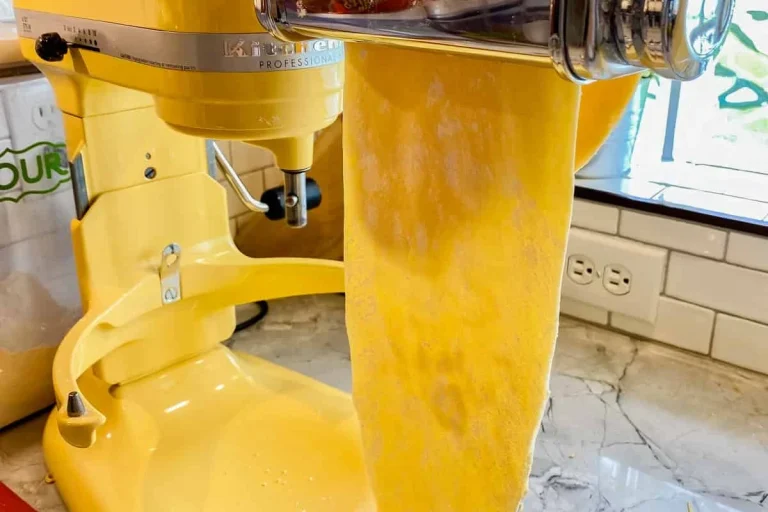
Is Homemade Pasta Healthier Than Store Bought Pasta

Homemade pasta can be healthier, but only if you choose better flour and keep portions reasonable. For many people, store bought pasta is still the easier and smarter everyday choice.
If you’re asking whether homemade pasta is healthier, the short answer is: sometimes, but not always. It depends on the flour you use, the portion size, and what you serve with it.
- Flour matters most: Whole grain or semolina can improve nutrition.
- Portion size counts: A smaller serving often matters more than fresh vs boxed.
- Sauce changes the meal: Heavy cream and lots of cheese add more calories fast.
- Store bought pasta is practical: It saves time, money, and pantry space.
Is Homemade Pasta Healthier Than Store Bought Pasta? The Short Answer

Homemade pasta can be healthier if you choose better ingredients and keep portions in check. It can also be less healthy if you make it from refined flour and eat large servings with a heavy sauce.
Store bought pasta is often very close in basic nutrition. In many homes, the bigger health difference comes from the sauce, cheese, and side dishes.
What Homemade Pasta Is Made Of and How It Compares

Homemade pasta usually starts with a short list of ingredients. That gives you more control, but it does not automatically make it better for your body.
Basic ingredients in homemade pasta
Classic homemade pasta often uses flour, eggs, water, and sometimes salt or olive oil. Some recipes use only flour and water, especially for simpler doughs.
You can also swap in whole wheat flour, semolina, or gluten-free blends. Those choices change the taste, texture, and nutrition.
What store bought pasta usually contains
Most dry store bought pasta uses durum wheat semolina and water. Many brands also sell whole grain, protein-rich, or gluten-free versions.
Boxed pasta often has a very short ingredient list. That makes it simple, shelf-stable, and easy to compare at the store.
Ingredient lists vary by brand and style. Always check the package if you need whole grain, egg-free, or gluten-free pasta.
Nutrition Differences That Matter Most
The biggest nutrition differences come from flour type, egg use, and serving size. The cooking method matters too, since overcooked pasta can feel less filling.
Calories, carbs, and protein
Homemade and store bought pasta can have similar calories and carbs when made from the same flour. Egg pasta usually has more protein and fat than plain flour and water pasta.
That said, the numbers can shift a lot by recipe. A richer dough may taste great, but it may not be the lighter choice.
Fiber, vitamins, and minerals
Whole wheat pasta gives more fiber than refined pasta. Fiber helps you feel full and can support better digestion.
Homemade pasta only beats store bought pasta here if you choose a more nutritious flour. If you use white flour, the gap may be small.
Fresh pasta often cooks faster than dry pasta because it already contains more moisture.
How flour type changes the result
Flour choice is one of the biggest health levers you have. White flour makes a softer noodle, while whole grain flour adds more fiber and a stronger taste.
Semolina sits in the middle for many cooks. It often gives good bite and works well in both fresh and dried pasta.
Soft texture, mild taste, lower fiber.
More fiber, heartier flavor, denser bite.
Health Benefits of Homemade Pasta
Homemade pasta can offer real benefits. The main one is control. You decide what goes in the bowl, and that can help you match your diet goals.
Control over ingredients
When you make pasta at home, you can skip additives you do not want. You can also choose less salt or use a flour that fits your needs better.
That control helps if you care about fiber, egg use, or gluten. It also helps if you want a cleaner ingredient list.
- You choose the flour and eggs.
- You can lower sodium if needed.
- You can avoid ingredients you do not want.
Better fit for special diets
Homemade pasta can work well for special diets. You can make it egg-free, use gluten-free flour blends, or boost fiber with whole grain flour.
That flexibility is useful for families with mixed needs. One person may want gluten-free pasta, while another wants a higher fiber option.
Fresh taste and texture
Fresh pasta has a tender bite and a rich taste. For many people, that means a smaller portion feels more satisfying.
That can help with balance at mealtime. If you feel full sooner, you may naturally eat less sauce and cheese too.
Limits and Drawbacks of Homemade Pasta
Homemade pasta is not always the healthier pick. It can take more time, cost more, and still end up being mostly refined flour.
It can still be high in refined flour
Many homemade pasta recipes rely on all-purpose flour. That makes the pasta tasty, but not much more nutritious than standard boxed pasta.
If health is your main goal, the flour matters more than the fact that it is homemade.
Time, cost, and kitchen effort
Fresh pasta takes mixing, kneading, resting, rolling, and cutting. That is fine on a slow weekend, but not so great on a busy Tuesday.
It can also use more ingredients and more cleanup. For many households, that effort is worth it only when the meal feels special.
Food safety and storage concerns
Fresh pasta needs careful handling. Dough with eggs should not sit out too long, and cooked pasta should be cooled and stored safely.
Follow your recipe and food safety guidance for timing and storage. If pasta smells odd, feels slimy, or sat too long, it’s safer to toss it.
Use clean hands, clean tools, and safe storage. When in doubt about freshness, do not eat it.
When Store Bought Pasta May Be the Better Choice
Store bought pasta still makes a lot of sense. It is cheap, fast, and easy to keep on hand.
Best for busy weeknights
Dry pasta is a lifesaver when dinner needs to happen fast. You can boil it while you make sauce or prep vegetables.
That speed can make it the healthier choice in real life. A simple pasta dinner is better than skipping a meal or ordering takeout every time.
Best for budget cooking
Boxed pasta often costs less than homemade pasta ingredients plus your time. That matters when you cook for a family or stretch meals across the week.
It also helps reduce food waste. You can keep dry pasta in the pantry and use it when you need it.
Best for long shelf life
Dry pasta stores well for a long time in a cool, dry place. That makes meal planning easier and cuts down on last-minute stress.
Fresh pasta has a shorter life and needs more care. If you do not plan to use it soon, boxed pasta is often the safer bet.
- Easy to store for months
- Quick to cook
- Usually lower effort
- Less control over shape and texture
- Fresh taste is different
How to Make Homemade Pasta Healthier
If you want homemade pasta to be the healthier option, you need to build it that way. Small changes can make a real difference.
Choose better flours and add-ins
Try whole wheat flour, part whole grain blends, or semolina for more nutrition. You can also add spinach, beet, or herb puree for color and flavor.
Those add-ins won’t turn pasta into a superfood, but they can improve the meal. They also make dinner more fun.
Watch portion size and sauce choices
Pasta can go from light to heavy very fast. A small bowl with vegetables and olive oil is very different from a huge plate with cream sauce.
For a healthier meal, build around vegetables, beans, lean protein, or seafood. Use sauce as part of the dish, not the whole dish.
- Serve pasta with vegetables first.
- Use a lighter sauce when possible.
- Stop at a reasonable portion.
Use smart cooking and storage habits
Cook pasta until just tender, not mushy. That helps with texture and can make the meal feel more satisfying.
Cool leftovers quickly, store them in a sealed container, and reheat them fully. Good storage keeps both taste and safety in better shape.
- Cool leftovers within a safe time
- Keep pasta covered in the fridge
- Reheat until steaming hot
- Leaving cooked pasta out for hours
- Using dirty utensils on fresh dough
- Relying on sauce to hide spoilage
Final Verdict: Which Pasta Is Healthier for Most People?
For most people, homemade pasta is not automatically healthier than store bought pasta. It becomes healthier when you use better flour, keep portions sensible, and pair it with a balanced meal.
If you want speed, value, and convenience, store bought pasta is still a smart choice. If you want more control and better ingredients, homemade pasta can win.
Homemade pasta can be healthier, but only when you make it with nutrition in mind. For many home cooks, the best choice is the one that fits your time, budget, and meal plan.
—
Frequently Asked Questions
Not always. Homemade pasta can be healthier if you use whole grain flour, watch portions, and choose lighter sauces.
The biggest factors are flour choice, egg use, and serving size. Whole grain flour and simple sauces usually improve the meal.
Not by itself. Fresh pasta can help if it makes you feel full sooner, but portion size matters much more.
Yes. You can make it egg-free, gluten-free, or higher in fiber depending on your needs.
Refrigerate or freeze it based on the recipe, and follow food safety guidance for egg-based dough and leftovers.
It works better for busy nights, budget cooking, and long pantry storage. It can also be the easier choice for everyday meals.