What Type of Pasta Is Healthy Best Choices for You

Whole wheat pasta is the best healthy choice for most people because it adds more fiber. Legume pasta is best if you want more protein, and gluten-free pasta is best when wheat is not an option.
If you’re asking what type of pasta is healthy, the short answer is this: whole wheat pasta and legume pasta are usually the best everyday picks. They give you more fiber, and legume pasta also brings more protein. The healthiest choice still depends on your goals, your diet needs, and what you put on the plate with it.
- Best everyday pick: Whole wheat pasta works well for most home cooks.
- Best for protein: Legume pasta usually gives more protein and fiber.
- Best gluten-free choice: Pick a labeled gluten-free pasta with simple ingredients.
- Most important habit: Keep portions moderate and build a balanced bowl.
What Type of Pasta Is Healthy? The Short Answer
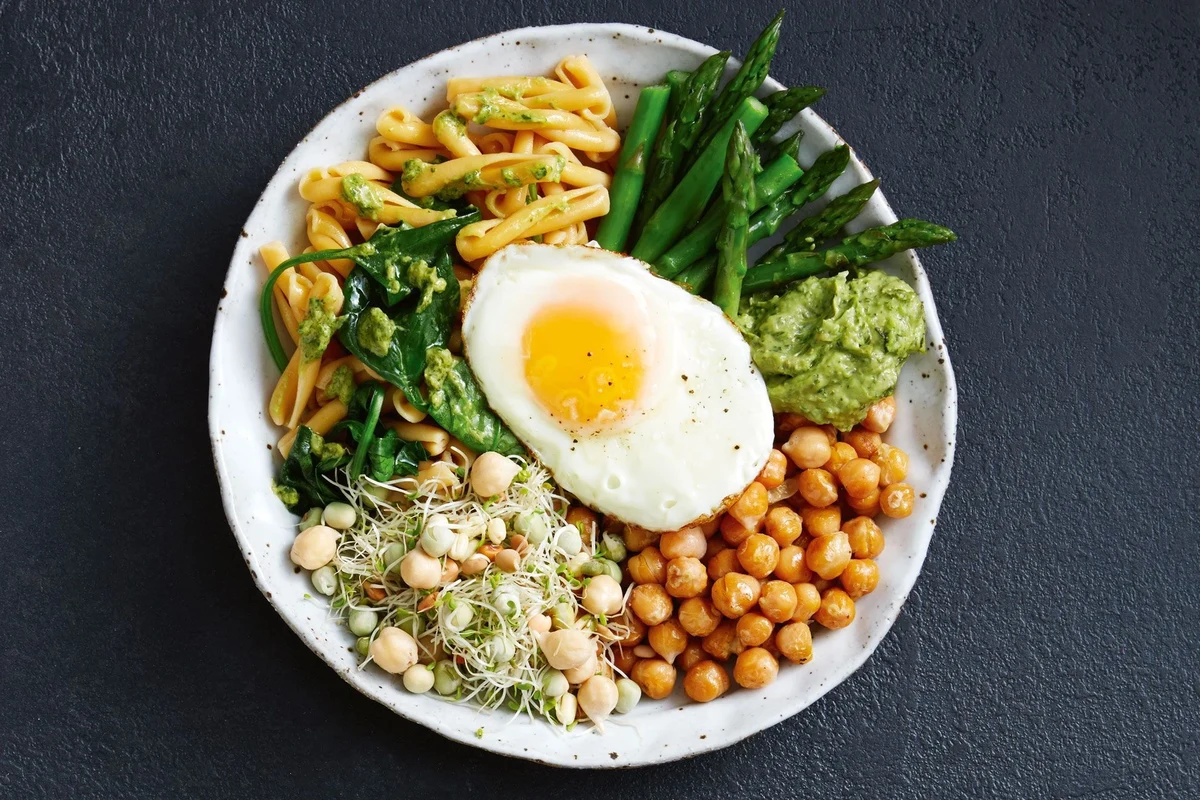
Healthy pasta is not just one kind. It’s the type that fits your needs and keeps you full without piling on extra refined carbs or heavy toppings.
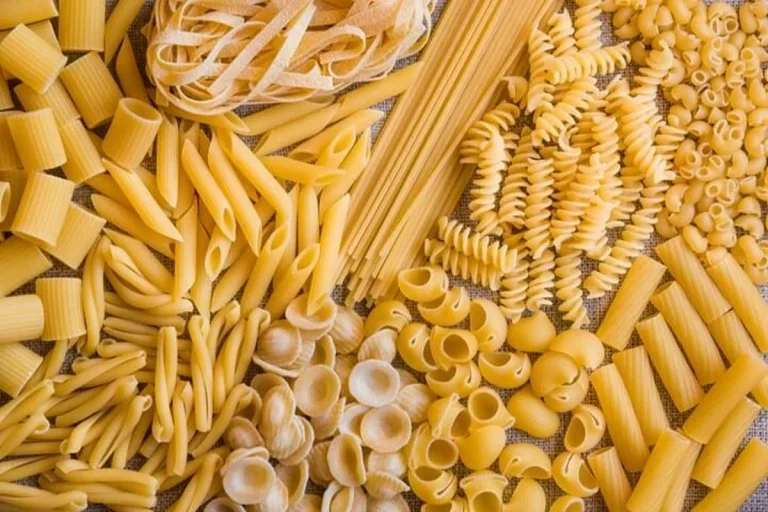
For most people, the best choices are whole wheat pasta, lentil pasta, chickpea pasta, and other legume-based pastas. Gluten-free pasta can also be a smart pick if you can’t eat wheat.
Why “healthy” depends on your goal
Different people want different things from pasta. Some want more fiber. Some want more protein. Others need gluten-free options or a lighter meal.
If you want steady energy, fiber matters a lot. If you want a more filling meal, protein helps. If you need to manage blood sugar, portion size and sauce choice matter just as much as the pasta itself.
“Healthy” can mean different things for weight goals, blood sugar, digestion, and food allergies. The best pasta for one person may not be the best for another.
The best pasta choices at a glance
| Option | Best For | Key Consideration |
|---|---|---|
| Whole wheat pasta | More fiber and a classic pasta taste | Can feel denser than white pasta |
| Legume pasta | More protein and fiber | Taste and texture vary by brand |
| Vegetable pasta | Lighter meals and extra produce | Often lower in protein |
| Gluten-free pasta | Wheat-free diets | Nutrition depends on the grain blend |
How to Choose a Healthy Pasta
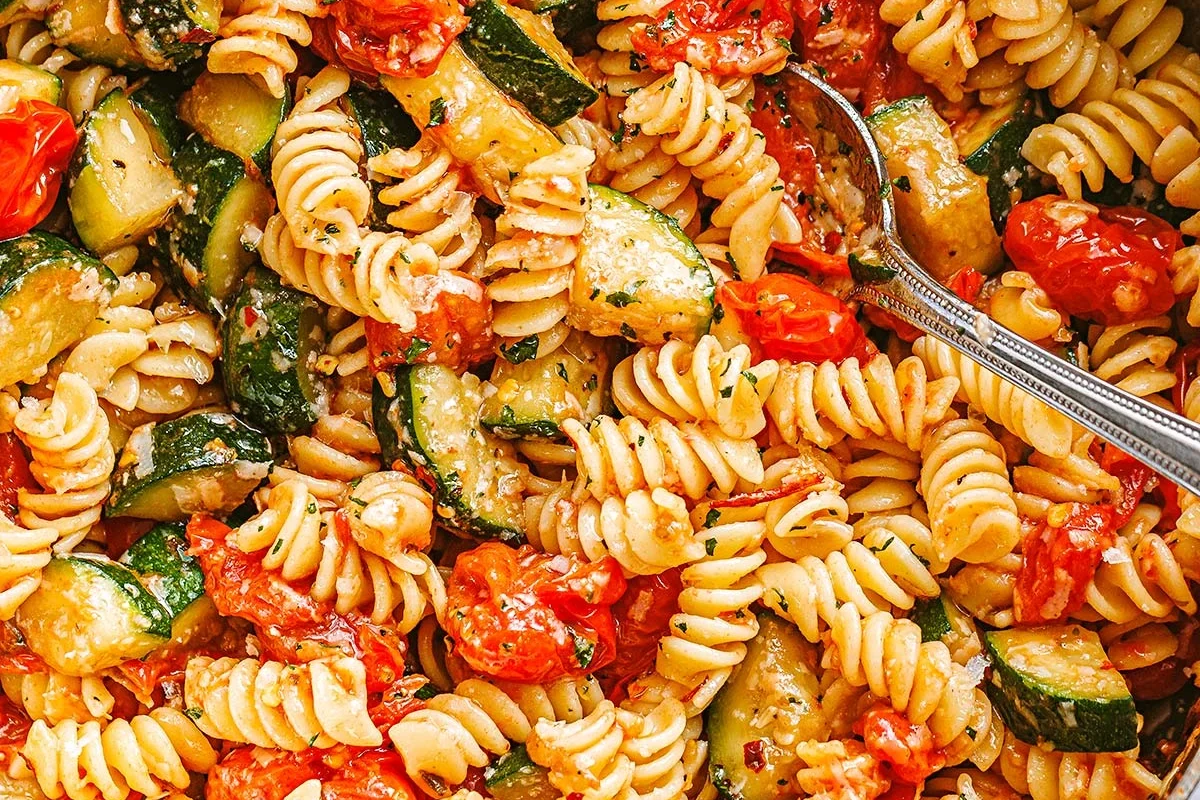
The front of the box can be helpful, but the nutrition label tells the real story. Look at the grain type, fiber, protein, sodium, and added ingredients.
Check the grain type and fiber
Whole grains keep more of the grain’s natural parts. That usually means more fiber than refined white pasta.
Fiber helps you feel full longer. It can also slow digestion, which may help with smoother energy after a meal.
Whole wheat pasta often has a firmer bite than white pasta because it keeps the bran and germ.
Look at protein, sodium, and added ingredients
Protein matters if you want a more filling bowl. Legume pasta often wins here because beans and lentils naturally have more protein than wheat.
Sodium is usually not a big issue in plain dry pasta, but flavored or instant versions can add more salt. Added oils, starches, and fillers can also change the nutrition profile.
- Check fiber per serving
- Check protein per serving
- Review sodium and added ingredients
- Compare serving size to what you eat
Why portion size matters as much as the pasta itself
Even the healthiest pasta can become a heavy meal if the portion is too large. A big bowl of pasta can add up fast, especially with cheese and creamy sauce.
Try to think of pasta as the base, not the whole meal. Add vegetables, protein, and a lighter sauce for better balance.
Best Healthy Pasta Types Compared
Here’s how the most common healthy pasta options stack up in real life. The “best” one depends on taste, texture, and your nutrition goals.
Whole wheat pasta for more fiber and steady energy
Whole wheat pasta is one of the easiest healthy swaps. It looks and tastes most like regular pasta, but it usually offers more fiber.
That makes it a good everyday choice for people who want a simple upgrade without changing dinner too much.
- More fiber than refined pasta
- Easy to use in classic recipes
- Good balance of taste and nutrition
Legume pasta for more protein and fewer refined carbs
Legume pasta comes from lentils, chickpeas, black beans, or similar ingredients. It often has more protein and fiber than wheat pasta.
This can make it a smart choice if you want a more filling meal. It may also work well for people who want to cut back on refined grains.
- Higher protein
- Higher fiber
- Good for hearty meatless meals
- Texture can feel different
- Flavor may be stronger
- Some brands get mushy fast
High-fiber vegetable pasta for lighter meals
Vegetable pasta can mean pasta made with vegetable powders or pasta served with veggie noodles. The nutrition can vary a lot, so the label matters.
If your goal is a lighter plate, this can help. Just remember that some vegetable pastas still act a lot like regular refined pasta.
Gluten-free pasta when wheat is not an option
Gluten-free pasta is the right choice for people who need to avoid wheat. It can be made from rice, corn, quinoa, legumes, or blends of these ingredients.
Some gluten-free pastas are very nutritious. Others are more processed and lower in fiber, so the ingredient list matters a lot.
How to Read a Pasta Label Fast
Use the label to spot the healthiest option without getting lost in marketing claims.
Higher fiber usually means better fullness and slower digestion.
More protein can help make pasta feel like a complete meal.
Fewer extras often means a simpler, cleaner product.
Compare the label to the amount you usually cook.
Benefits and Limits of Each Pasta Type
No pasta type is perfect. Each one has strengths and trade-offs, and that’s normal.
What whole wheat pasta does well
Whole wheat pasta gives you a familiar texture and a better nutrition profile than white pasta. It’s easy to find and works in most recipes.
The main limit is taste. Some people like the nutty flavor. Others need time to get used to it.
Where legume pasta can fall short
Legume pasta is often the most filling option. It can be a strong choice for protein and fiber.
Still, the texture can be softer or more crumbly than regular pasta. It also may not work as well in every dish, especially if you overcook it.
- Start checking legume pasta early for doneness
- Use a sauce that matches its stronger flavor
- Stir gently after draining to avoid breakage
When gluten-free pasta is a smart pick
Gluten-free pasta is the right answer when wheat causes problems. That includes celiac disease and some cases of gluten sensitivity.
It can also be useful for mixed family meals when one person needs a wheat-free plate. Just check the ingredients, since nutrition varies a lot by brand.
Why some “healthy” pasta labels can be misleading
Words like “natural,” “made with vegetables,” or “high protein” don’t always mean the pasta is the best choice. A package can sound healthy and still be low in fiber or high in refined starch.
That’s why the nutrition facts panel matters more than the front label. It gives you the real numbers.
Always check the ingredient list if you have food allergies, gluten needs, or a medical diet plan. Product formulas can change by brand and region.
How to Build a Healthier Pasta Bowl
The pasta type helps, but the full bowl matters even more. A smart sauce and good toppings can turn a simple dinner into a more balanced meal.
Pick a better sauce
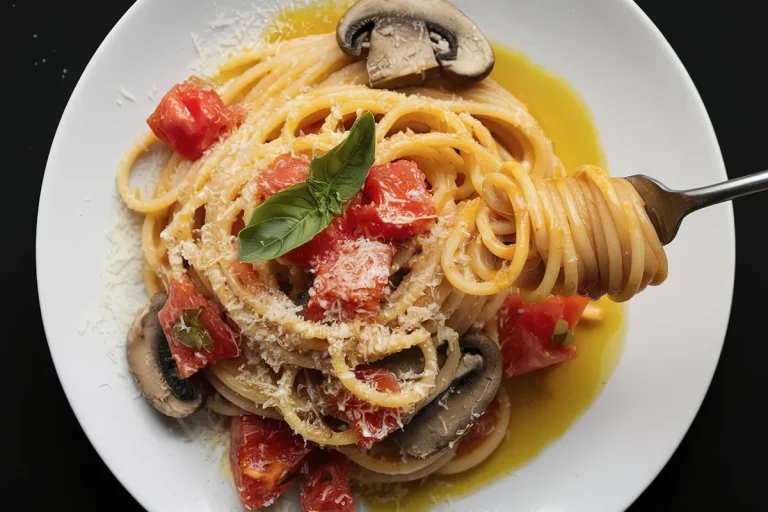
Tomato-based sauces are usually lighter than cream-based sauces. They also pair well with vegetables and lean protein.
If you like creamy pasta, you can still keep it balanced. Use a smaller amount and add broth, milk, or blended vegetables to lighten it up.
Add protein and vegetables
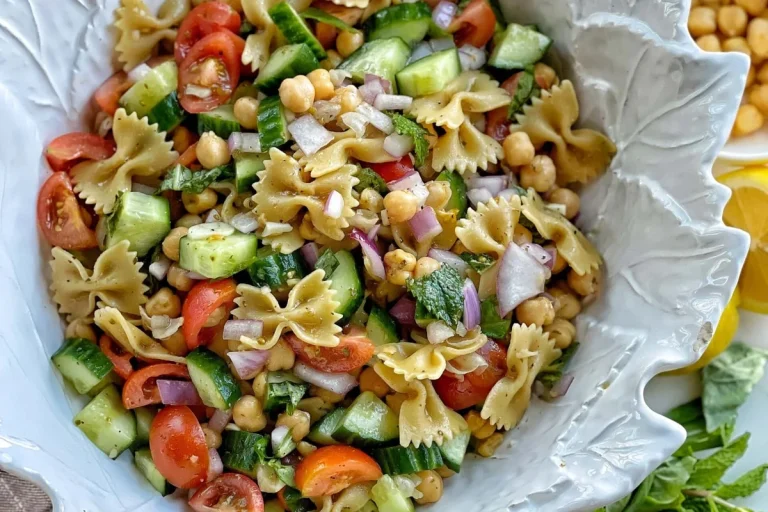
Chicken, tuna, shrimp, tofu, beans, and lentils can all help build a more complete meal. Vegetables add volume, color, and extra nutrients.
For example, spinach, broccoli, peas, mushrooms, and peppers all work well with pasta. You don’t need a huge list. Even two add-ins can make a big difference.
Use legume pasta or whole wheat pasta with protein and vegetables.
Try a smaller portion with tomato sauce and extra vegetables.
Use simple cooking methods for better balance
Boil pasta until just tender, then drain it well. Overcooked pasta can turn soft fast, especially legume or gluten-free types.
After that, toss it with sauce right away so it does not clump. That small step helps the meal feel better without adding extra fat or salt.
Common Mistakes People Make With Pasta
It’s easy to buy pasta that sounds healthy but does not fit your real needs. A few simple mistakes show up again and again.
Choosing pasta based on the front label only
The front of the box is marketing. The back of the box is where the facts live.
Two pastas can both say “healthy” on the front and still have very different fiber and protein levels.
Using oversized servings
Many people cook more pasta than they need. That can make even a healthy pasta meal feel too heavy.
Try starting with a smaller amount and building the plate with vegetables and protein. You can always add more if you’re still hungry.
Loading up on heavy sauces and cheese
Butter, cream, and lots of cheese can quickly overpower the benefits of a better pasta choice. That does not mean you must skip them.
It just means balance matters. A little goes a long way when the pasta itself already tastes good.
Safety, Diet Needs, and Special Cases
Health is personal, and pasta choices should fit your body and routine. If you have special diet needs, be extra careful with ingredients and labels.
What to know if you have celiac disease or gluten sensitivity
If you have celiac disease, choose pasta that is clearly labeled gluten-free. Make sure the whole meal is safe too, including sauce and toppings.
Cross-contact can happen in shared kitchens. If that matters for your household, follow the package guidance and your health care advice.
What to know if you watch blood sugar or calories
Whole wheat and legume pastas may help some people feel fuller. That can make portion control easier.
Still, blood sugar and calorie response can vary by person and meal. Sauce, protein, and portion size all affect the final result.
- Pair pasta with protein and vegetables
- Use the label to compare fiber and protein
- Keep portions reasonable
- Relying on the front label alone
- Turning pasta into a cream-heavy meal
- Ignoring ingredient lists for allergies
How to choose pasta for kids, athletes, and busy families
Kids may do best with familiar pasta that still offers a nutrition boost, like whole wheat or a mild legume blend. Athletes may want more carbs and protein around training.
Busy families usually need the easiest option that everyone will eat. In that case, whole wheat pasta is often the best middle ground.
Final Verdict: The Best Healthy Pasta for Most People
If you want one simple answer, choose whole wheat pasta first. It gives most people a good mix of taste, fiber, and easy everyday use.
If you want more protein, legume pasta is often the best pick. If you need gluten-free pasta, choose the option with the best fiber and ingredient list you can find.
Best all-around choice
Whole wheat pasta is the best all-around choice for most home cooks. It’s easy to find, easy to use, and usually more filling than white pasta.
Best for high protein
Legume pasta is the strongest choice when protein is your top goal. It can help make a meatless meal feel more complete.
Best for gluten-free diets
Gluten-free pasta is the best choice when wheat is not an option. The healthiest version is usually the one with the simplest ingredients and the most fiber.
Best value for everyday meals
Whole wheat pasta usually offers the best value for daily cooking. It balances nutrition, taste, and flexibility without making dinner more complicated.
For most people, whole wheat pasta is the best healthy choice because it’s easy to use and gives you more fiber. Choose legume pasta if you want more protein, and choose gluten-free pasta when wheat is off the table.
- Whole wheat pasta is the best everyday pick for most people.
- Legume pasta is best when you want more protein.
- Gluten-free pasta is best when wheat is not an option.
- The sauce, portion, and toppings matter just as much as the pasta.
Frequently Asked Questions
For most people, yes. Whole wheat pasta usually has more fiber and keeps you full longer than refined white pasta.
It can be a great choice if you want more protein and fiber. The best option still depends on taste, digestion, and how you plan to serve it.
Choose a pasta that is clearly labeled gluten-free and check the ingredient list. Some gluten-free pastas are more nutritious than others.
Add vegetables, lean protein, and a lighter sauce. Smaller portions also help keep the meal more balanced.
Check fiber, protein, sodium, and the ingredient list. Also compare the serving size to the amount you usually eat.
Yes, but portion size and toppings matter a lot. It’s a good idea to ask a health professional for advice if you have a medical diet plan.