What Is Gluten Free Pasta Made Of Ingredients Explained

Gluten free pasta is usually made from rice, corn, legumes, or other gluten free grains. The best choice depends on the texture, protein, and allergen needs you want.
Gluten free pasta is usually made from rice, corn, legumes, or other gluten free grains and starches. Some brands also add eggs, gums, or fibers to help the pasta hold together and cook with better bite.
- Main base: Most gluten free pasta starts with rice, corn, or legume flour.
- Texture help: Starches, gums, or egg can improve structure and bite.
- Cooking tip: Check early, because gluten free pasta can overcook fast.
- Label check: Read for allergens, cross-contact notes, and certification.
What Is Gluten Free Pasta Made Of? The Simple Answer

The short answer is this. Gluten free pasta is made without wheat, barley, or rye. Instead, it uses other flours and starches that give it shape and texture.
Most shoppers will see rice flour, corn flour, chickpea flour, lentil flour, or a mix of several ingredients. The exact blend changes by brand, and that blend affects taste, texture, and cooking time.
Gluten free pasta is not one single recipe. Different brands use different flour mixes, so the ingredient list matters more than the front label.
In short: the best way to know what a pasta is made of is to read the ingredient list.
Main Gluten Free Pasta Ingredients You’ll See Today

Gluten free pasta can be simple or fairly complex. Some versions use one main flour. Others use a blend of flours, starches, and binders.
That mix helps mimic wheat pasta as closely as possible. It also changes how the pasta tastes in soup, baked dishes, or a simple bowl with sauce.
Rice Flour and Rice Starch
Rice is one of the most common bases for gluten free pasta. It has a mild taste, so it does not overpower sauce.
Rice flour gives pasta a light, clean flavor. Rice starch can help improve softness and keep the texture from turning too dense.
This type often works well for people who want a neutral pasta. It can feel a little softer than wheat pasta, though, especially if overcooked.
In short: rice-based pasta is often a safe starting point for new gluten free shoppers.
Corn Flour and Corn Starch
Corn is another common choice. It brings a slightly sweet flavor and a more familiar pasta look.
Corn flour adds body. Corn starch helps with smoothness and can make the pasta less crumbly.
Some people like corn-based pasta because it cooks evenly. Others notice a faint corn taste. That taste may stand out more in simple dishes.
Many gluten free pastas use a blend of flour and starch, not just one ingredient.
In short: corn can help pasta feel smoother, but flavor can vary by brand.
Legume Flours Like Chickpea, Lentil, and Pea
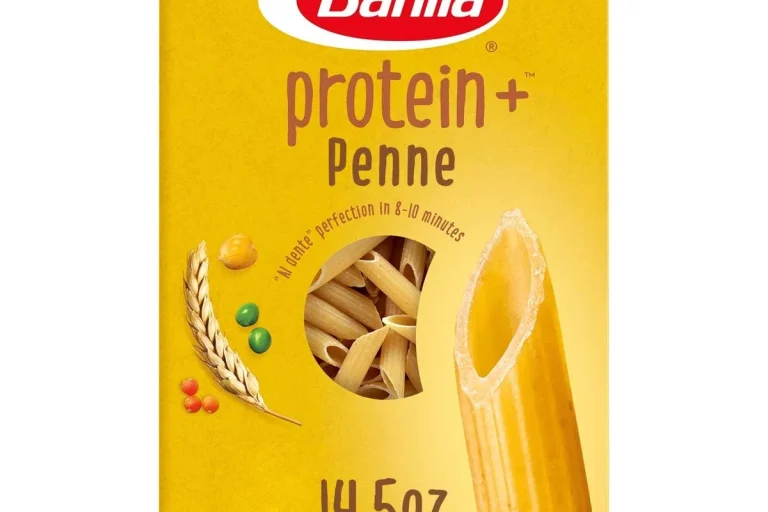
Legume pasta has become very popular. Chickpea, lentil, and pea flours add more protein and a firmer bite.
These pastas often taste more earthy than rice or corn versions. That can be a plus in hearty sauces, but it may not suit every dish.
Legume pasta is a smart pick if you want more protein in the bowl. It can also work well for people who want a more filling meal.
- Use bold sauces with legume pasta to match its stronger flavor.
- Check for a firm texture if you dislike soft noodles.
In short: legume pasta often gives you more protein and a stronger taste.
Other Options Like Quinoa, Buckwheat, and Sorghum
Some gluten free pasta uses grains that are less common in everyday cooking. Quinoa, buckwheat, and sorghum are good examples.
These ingredients can add more flavor and a slightly nuttier taste. They may also improve the feel of the pasta when blended with rice or corn.
Buckwheat is naturally gluten free, even though the name sounds confusing. Quinoa and sorghum are also naturally gluten free grains.
In short: these grains can add flavor, but they often work best in blends.
How Gluten Free Pasta Works Without Wheat
Wheat pasta gets its stretch from gluten. Gluten is the protein that helps dough hold together and stay chewy.
Gluten free pasta has to do that job with other ingredients. That is why it often relies on starches, binders, and careful blending.
What Replaces Gluten’s Stretch and Bite
Without gluten, pasta can break more easily. It can also turn soft faster during cooking.
To fix that, brands mix flours with starches and sometimes proteins. This gives the pasta more structure before and during cooking.
Some blends use more starch for a smoother bite. Others use more protein-rich flours for a firmer feel.
In short: gluten free pasta works best when the blend balances structure and softness.
Why Some Brands Add Gums or Egg
Some brands add xanthan gum, guar gum, or egg. These ingredients help the pasta stay together.
Gums can improve elasticity and reduce breakage. Egg can add richness and help the dough bind more like traditional pasta.
Not every brand uses these extras. Some people prefer simpler labels, while others want the best possible texture.
Always check the label if you avoid eggs, legumes, or other allergens. Ingredient lists can change by brand and region.
In short: binders can help, but they also change the final taste and ingredient profile.
How Gluten Free Pasta Tastes and Cooks
Gluten free pasta can be very good, but it does not act exactly like wheat pasta. The texture depends on the base ingredient and the cooking time.
That is why one brand may feel firm and another may feel soft or sticky. A little label reading goes a long way here.
Texture Differences You Should Expect
Most gluten free pasta is a bit more delicate than wheat pasta. Some types stay firm. Others soften quickly.
Rice and corn versions often taste mild and smooth. Legume versions often taste fuller and hold a firmer bite.
You may also notice more surface starch in the cooking water. That is normal for many gluten free pastas.
- Mild flavor works with many sauces
- Several choices fit different diets
- Can soften faster than wheat pasta
- Some brands break more easily
In short: expect some texture change, and choose the style that fits your meal.
Cooking Tips to Avoid Mushy Pasta
Gluten free pasta often needs close attention. Even one extra minute can change the texture a lot.
Use a large pot of salted water. Stir early so the pasta does not stick. Start checking it before the box time ends.
Drain it as soon as it feels tender but still firm. If you plan to mix it with sauce, pull it a little early so it can finish in the pan.
- Stir well during the first few minutes
- Taste often near the end of cooking
- Do not overcook by guessing
- Do not rinse unless the recipe needs it
In short: careful timing is the best way to keep gluten free pasta from going mushy.
How to Choose the Best Gluten Free Pasta for Your Needs
The best pasta depends on what you want most. Taste, protein, texture, and allergy needs all point to different choices.
There is no single best option for everyone. But there is usually a best option for your kitchen and your plate.
Best Picks for Taste, Protein, or Allergen Needs
If you want mild flavor, rice or corn pasta is often a good start. If you want more protein, look at chickpea, lentil, or pea pasta.
If you need a simple ingredient list, choose a brand with fewer items on the label. If you have egg allergies, skip blends that use egg as a binder.
For picky eaters, a rice and corn blend often feels more familiar. For hearty meals, legume pasta can be a better match.
Best for mild taste and easy weeknight meals.
Best for higher protein and more filling dinners.
In short: match the pasta to the meal, not just the label.
What to Check on the Label Before You Buy
Read the ingredient list first. Then check for allergen notes, certification marks, and cooking directions.
Look for the main flour source. Also look for gums, eggs, or added fibers if those matter to you.
Some products are made in shared facilities. If you need strict gluten control, that matters a lot.
- Main flour or grain source
- Allergen and cross-contact notes
- Cooking time and texture style
- Gluten free certification if needed
In short: the label tells you more than the front of the box.
Benefits, Limits, and Common Mistakes
Gluten free pasta can be a great swap for many homes. Still, it has limits.
Knowing those limits helps you avoid bad meals and wasted boxes.
When Gluten Free Pasta Is a Great Swap
It is a strong choice if you need to avoid gluten for health or personal reasons. It also works well if you want to try new flavors and textures.
Legume pasta can add protein. Rice and corn pasta can keep the flavor mild. That gives you some real flexibility.
- Fits gluten free diets
- Offers many flavor and texture options
- Can add protein with legume-based blends
In short: gluten free pasta can fit many goals if you choose the right type.
Common Problems Like Breakage and Overcooking
Breakage is common with some brands. Overcooking is even more common.
Use enough water, stir early, and test often. If the pasta says to cook for eight minutes, start checking sooner.
Also, do not let cooked pasta sit too long in hot water. That can make it soft fast.
The pasta turns soft, sticky, or falls apart.
Cook it just until tender, then drain right away and sauce it quickly.
In short: most pasta problems come from too much heat or too much time.
Safety, Value, and Final Buying Advice
Gluten free pasta is usually easy to shop for, but safety still matters. Cross-contact can matter a lot for people with celiac disease or strong gluten sensitivity.
Value matters too. A cheaper box is not always the best buy if you dislike the texture or need strict gluten control.
Cross-Contact Risks and Gluten Free Certification
Some pasta is made in shared plants. That does not always mean it is unsafe, but it does mean you should read the package carefully.
Look for a gluten free certification if you need extra peace of mind. If you have a medical need to avoid gluten, follow trusted medical guidance and the product label.
Follow the package directions and stop using any product that smells off, shows damage, or seems contaminated.
In short: certification and clear allergen notes can make shopping much safer.
Price, Portion Value, and Best Final Recommendation
Gluten free pasta prices vary by brand, ingredients, and store. Legume blends often cost more than basic rice or corn pasta.
If you want the most neutral choice, start with a rice or rice-corn blend. If you want more protein and a firmer bite, try chickpea or lentil pasta. If you need strict gluten control, choose a certified gluten free brand with clear labeling.
Gluten free pasta is made from rice, corn, legumes, or other gluten free grains, often with starches or binders added for structure. For most shoppers, the best first pick is a certified brand with a simple ingredient list and a texture that matches the meal you want to make.
In short: the best gluten free pasta is the one that fits your diet, your taste, and your cooking style.
Frequently Asked Questions
Most gluten free pasta uses rice, corn, legumes, or other gluten free grains like quinoa or sorghum. Many brands also add starches or binders to improve texture.
It can taste close, but the texture is often a little different. Rice and corn versions taste mild, while legume pasta has a stronger flavor.
It often lacks gluten, which helps wheat pasta stay firm. That means gluten free pasta can soften quickly if it cooks too long.
Choose rice or corn pasta for a mild taste, or legume pasta for more protein. Always check the label for allergens, certification, and shared-facility notes.
It can be, but you should look for certified gluten free labeling and clear cross-contact information. If you have celiac disease, follow the package details and your clinician’s advice.
Check the main flour source, allergen notes, cooking time, and gluten free certification if needed. The ingredient list tells you far more than the front of the box.