How to Make Alfredo Pasta with Jar Sauce That Tastes Great

Jar Alfredo can taste great if you warm it gently and season it well. Pasta water, Parmesan, and low heat make the biggest difference.
If you want a fast, comforting dinner, jarred Alfredo can absolutely work. The trick is to warm it gently, season it well, and mix it with pasta the right way.
- Use low heat: It helps keep Alfredo sauce smooth and creamy.
- Save pasta water: It loosens sauce and helps it coat noodles.
- Season in steps: Add salt, pepper, and cheese a little at a time.
- Pick the right pasta: Fettuccine, penne, and rotini all work well.
- Store leftovers safely: Cool fast, refrigerate, and reheat gently.
What Alfredo Pasta with Jar Sauce Really Is
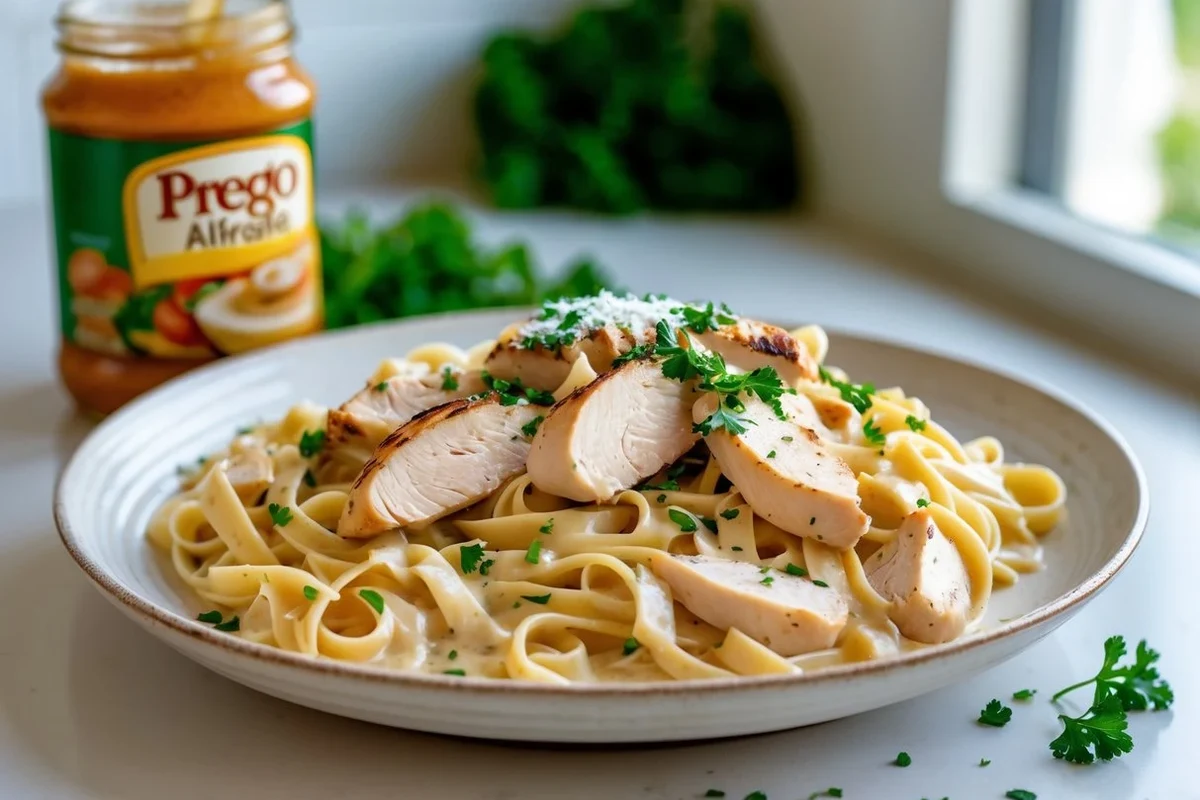
Alfredo pasta with jar sauce is a simple weeknight version of the classic cream sauce dish. It uses store-bought Alfredo instead of a sauce made from butter, cream, and cheese.
That does not mean it has to taste bland. With the right pasta, a little pasta water, and a few smart add-ins, jar sauce can turn into a rich, cozy meal.
Why jar sauce can still make a good weeknight meal
Jar sauce saves time and keeps dinner easy. You skip the extra steps that come with making sauce from scratch.
It also gives you a steady base. That helps if you want a quick meal after work, a simple family dinner, or a low-stress dish for guests.
Starchy pasta water helps sauce cling to noodles and can make jar sauce taste smoother.
What this guide will help you do
This guide shows you how to choose a good jar sauce, cook the pasta well, and fix common flavor problems. It also covers storage, reheating, and serving ideas.
In short, you’ll learn how to make a simple jar sauce taste more like a meal you planned with care.
Ingredients and Tools You Need
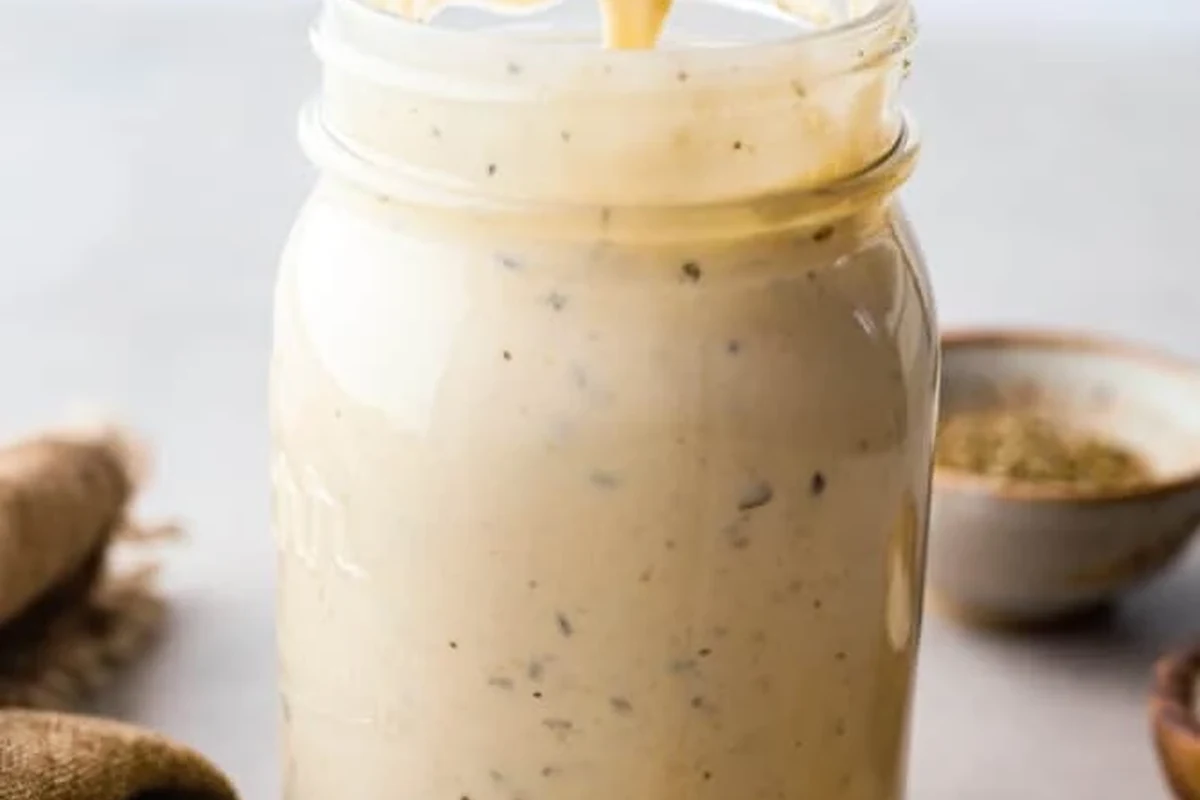
You do not need a long list of ingredients. A few basic items can make a big difference in taste and texture.
The best jarred Alfredo sauce basics
Look for a sauce with a short ingredient list when possible. Cream, milk, cheese, butter, and garlic are good signs.
Very thin sauces can taste flat. Very thick ones can feel heavy, so you may need pasta water to loosen them.
Simple add-ins that improve flavor fast
A small amount of butter can add richness. Parmesan can sharpen the flavor and help the sauce taste more like Alfredo.
Garlic, black pepper, and a pinch of salt also help. If the jar already tastes salty, add seasoning slowly.
Tools that make cooking easier
A large pot helps pasta cook evenly. A wide pan or deep skillet makes it easier to warm the sauce and toss everything together.
A ladle or measuring cup helps you save pasta water. That small step often makes the final sauce much better.
How to Make Alfredo Pasta with Jar Sauce Step by Step
This method is simple and works well for most jar sauces. The big idea is to cook the pasta first, then warm the sauce gently, and then combine them.
Boil salted water and cook the pasta until just tender.
Heat it slowly in a pan and stir often.
Add pasta, a little water, and cheese if needed.
Cook the pasta the right way
Use plenty of water and salt it well. The pasta should taste seasoned on its own before the sauce goes on.
Cook until al dente, or just tender with a slight bite. That helps the pasta hold up when you mix it with sauce.
Warm the sauce without breaking it
Pour the sauce into a pan over low heat. Stir it often so it heats evenly.
Do not rush with high heat. Alfredo-style sauces can separate or turn grainy when they get too hot.
Keep the heat low to medium-low. Boiling Alfredo sauce can make it split or turn oily.
Combine pasta and sauce for a smooth finish
Add the drained pasta to the warm sauce. Toss it gently so every piece gets coated.
If the sauce feels too thick, add a splash of pasta water. If it feels too thin, let it cook for another minute or two.
How to Make Jar Alfredo Taste Richer and Fresher
This is where jar sauce goes from plain to satisfying. A few small changes can make the flavor taste fuller and fresher.
Easy upgrades with cheese, butter, and pasta water
Butter adds body. Parmesan adds sharpness. Pasta water helps the sauce coat the noodles instead of sliding off them.
Add these in small amounts. You want the sauce to taste balanced, not heavy.
- Add cheese off the heat when possible.
- Use pasta water a spoonful at a time.
- Taste before adding more salt.
How to add garlic, herbs, or protein
Fresh garlic works best when you cook it lightly in butter first. Dried garlic can work too, but use less.
Parsley, basil, or Italian seasoning can brighten the dish. For protein, try cooked chicken, shrimp, or sautéed mushrooms.
Any add-in changes the balance of the dish. Start small, then taste and adjust.
Small changes that boost texture and taste
Reserve a little pasta water before draining. It gives you an easy way to loosen thick sauce.
Use a wide pan if you can. It helps the sauce cling to the pasta instead of pooling at the bottom.
Common Mistakes to Avoid
Most Alfredo problems come from heat, seasoning, or texture. The good news is that many of them are easy to fix.
Why Alfredo turns thick, thin, or grainy
Too much heat can make the sauce separate. Too little liquid can make it gluey and heavy.
If the sauce gets grainy, the cheese may have overheated. If it stays too thin, it may need a bit more time or a small amount of cheese.
The sauce looks oily or split.
Take it off the heat, stir in a spoonful of pasta water, and whisk gently.
How to keep the sauce from tasting flat
Flat sauce usually needs salt, pepper, or cheese. A tiny bit of garlic can also wake it up.
Do not add too much at once. Taste after each small change so you do not overpower the sauce.
When to fix the sauce and when to start over
If the sauce is only a little thick or thin, you can usually save it. Pasta water, butter, or cheese often solves the problem.
If it has burned, curdled badly, or tastes bitter, starting over may be the best move.
Safety, Storage, and Reheating Tips
Alfredo pasta is best when fresh, but leftovers can still be good. Safe cooling and gentle reheating matter a lot with dairy-based sauces.
Follow the sauce label and your stove manual. Stop using any cookware that is damaged or unstable.
How to store leftover Alfredo pasta safely
Let leftovers cool a bit, then store them in a sealed container. Put them in the fridge as soon as practical.
Do not leave cooked pasta sitting out for long. Dairy sauces and cooked pasta both need careful handling.
Best ways to reheat without drying it out
Reheat Alfredo slowly on the stove or in the microwave. Add a splash of milk or water before warming it.
Stir often so the sauce loosens evenly. High heat can make the sauce separate or the pasta dry out.
Cool leftovers fast and refrigerate them in a sealed container.
Warm gently with a little liquid and stir often.
How long jar sauce and leftovers usually last
Unopened jar sauce lasts according to the label and storage directions. Once opened, follow the jar instructions and use clean utensils.
Leftover pasta usually keeps for a short time in the fridge. If it smells off, looks strange, or tastes wrong, throw it out.
Cost, Value, and Best Ways to Serve It
Jar sauce is one of the easiest ways to make a creamy pasta dinner without much effort. It can also help stretch a meal when you add simple sides.
Why jar sauce is budget friendly
Jar sauce saves time and cuts down on extra ingredients. That can make it a smart choice for busy nights.
You can also bulk it up with pasta, vegetables, or a little chicken. That helps one jar feed more people.
Best pasta shapes and simple side dishes
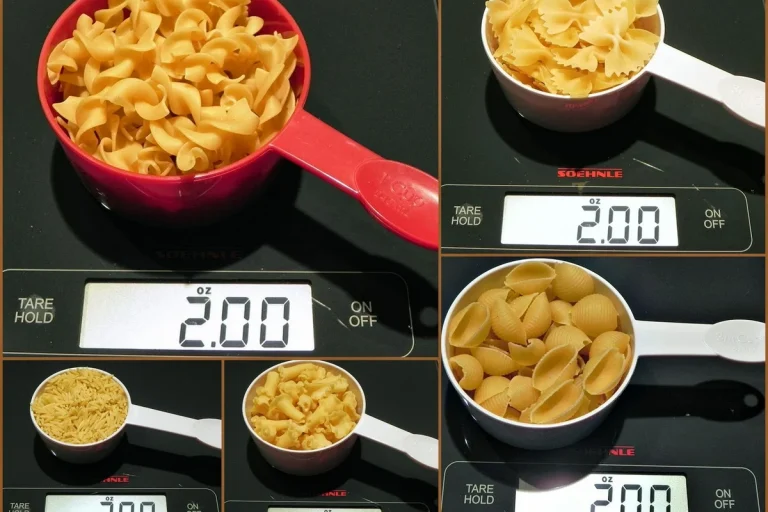
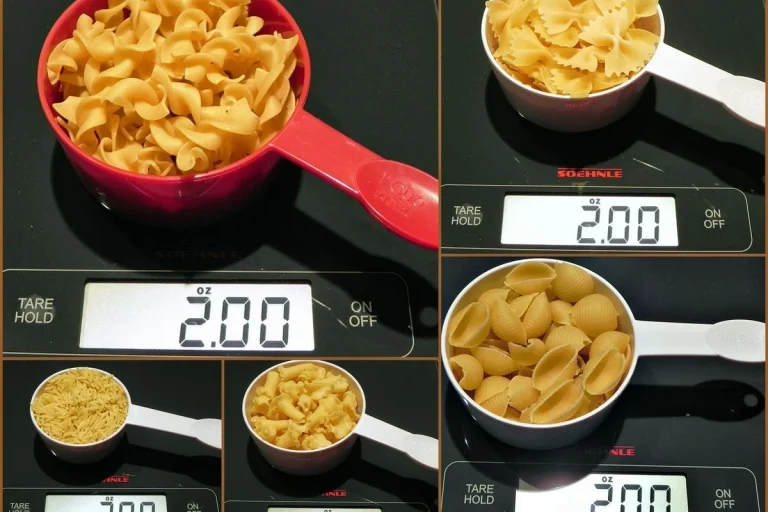
Fettuccine is the classic choice, but penne, linguine, and rotini also work well. Shapes with ridges hold sauce nicely.
Serve it with a simple salad, garlic bread, or steamed vegetables. Those sides balance the rich sauce.
| Option | Best For | Key Consideration |
|---|---|---|
| Fettuccine | Classic Alfredo | Coats well and feels traditional |
| Penne | Easy weeknight meals | Holds sauce in the tube |
| Rotini | Family dinners | Grips sauce in the twists |
Who this recipe works best for
This method works well for busy cooks, beginners, and families who want dinner fast. It also suits anyone who wants a creamy pasta without making sauce from scratch.
If you like full control over flavor and texture, you may prefer to make your own Alfredo. Still, jar sauce is a solid shortcut when time matters.
Final Verdict: The Easiest Way to Make Alfredo Pasta with Jar Sauce
Jar Alfredo works best when you treat it like a base, not a finished meal. Warm it gently, season it with care, and use pasta water to help it come together.
When jar sauce is the right choice
Choose jar sauce when you need dinner fast or want a low-stress meal. It is also a good fit when you plan to add chicken, shrimp, or vegetables.
In short, it is the easy path that still leaves room for good flavor.
When you may want a from-scratch Alfredo instead
Make Alfredo from scratch when you want a fresher flavor and total control over the sauce. That can be worth it for a special dinner or when you need a very specific taste.
For most nights, though, a well-finished jar sauce gives you a comforting pasta dish with far less work.
Jar Alfredo is the right choice for fast, creamy pasta that still tastes good with a few smart upgrades. If you want the best flavor, keep the heat low, add pasta water, and finish with cheese and seasoning.
- Cook pasta al dente for the best texture.
- Warm Alfredo sauce slowly so it stays smooth.
- Use pasta water, cheese, and butter to improve flavor.
- Store and reheat leftovers gently to protect the sauce.
Frequently Asked Questions
Add a little butter, Parmesan, black pepper, or garlic. A splash of pasta water can also help the sauce taste smoother and cling to the pasta.
Not always. Some sauces already have the right texture, but a small splash of milk or pasta water can help if the sauce is too thick.
Fettuccine is the classic choice, but penne, linguine, and rotini also work well. Choose a shape that holds sauce well.
Keep the heat low and stir often. High heat can make dairy-based sauce split or turn grainy.
Store it in a sealed container and follow safe cooling habits. If it smells off or looks strange, discard it.
Yes, cooked chicken, shrimp, mushrooms, broccoli, or spinach all work well. Add them near the end so they stay tender and do not overcook.