How Much Is 2 Oz of Dry Pasta Cooked and What to Expect

Two ounces of dry pasta usually cooks to about 1 to 1 1/2 cups. The exact amount changes with the pasta shape, cook time, and water absorption.
If you’re asking how much is 2 oz of dry pasta cooked, the short answer is usually about 1 to 1 1/2 cups cooked. The exact amount changes with the pasta shape, cook time, and how much water it absorbs.
- Dry to cooked: 2 ounces dry usually becomes a small single serving.
- Best accuracy: A kitchen scale beats guessing by eye.
- Shape matters: Long, short, and stuffed pasta cook up differently.
- Meal fit: Sauce, vegetables, and protein change how filling it feels.
- Common fix: Taste near the end to avoid overcooking.
How Much Is 2 Oz of Dry Pasta Cooked? The Quick Answer
For most dry pasta, 2 ounces gives you a small single serving. After cooking, it often becomes about 1 to 1 1/2 cups, though some shapes land a bit higher or lower.
That’s the easiest rule to remember if you’re cooking for one. If you want a more exact result, weigh the pasta before cooking.
What 2 ounces looks like before cooking
Two ounces of dry pasta is not a huge amount. It can look smaller than many people expect, especially if you’re used to filling a bowl.
For long pasta like spaghetti, 2 ounces is often a small bundle about the width of a quarter. For short pasta, it may look like a modest scoop in your hand.
How much 2 ounces usually yields after cooking
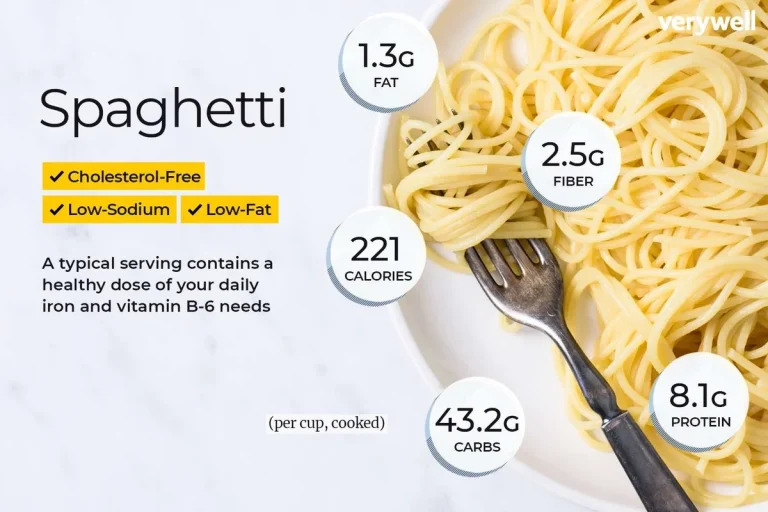
Dry pasta usually expands as it boils. A 2-ounce portion often turns into about 1 to 1 1/2 cups cooked.
Some shapes hold more water and seem fuller on the plate. Others stay a little more compact.
Why the final amount can change
Different pasta shapes absorb water in different ways. Cooking time also changes the final size and feel.
Salt, pot size, and how often you stir can shift the result too. So can whether you drain the pasta right away or let it sit.
Cooked volume is less exact than dry weight. Pasta shape, brand, and doneness all affect the final bowl size.
How Pasta Size and Shape Change the Cooked Amount
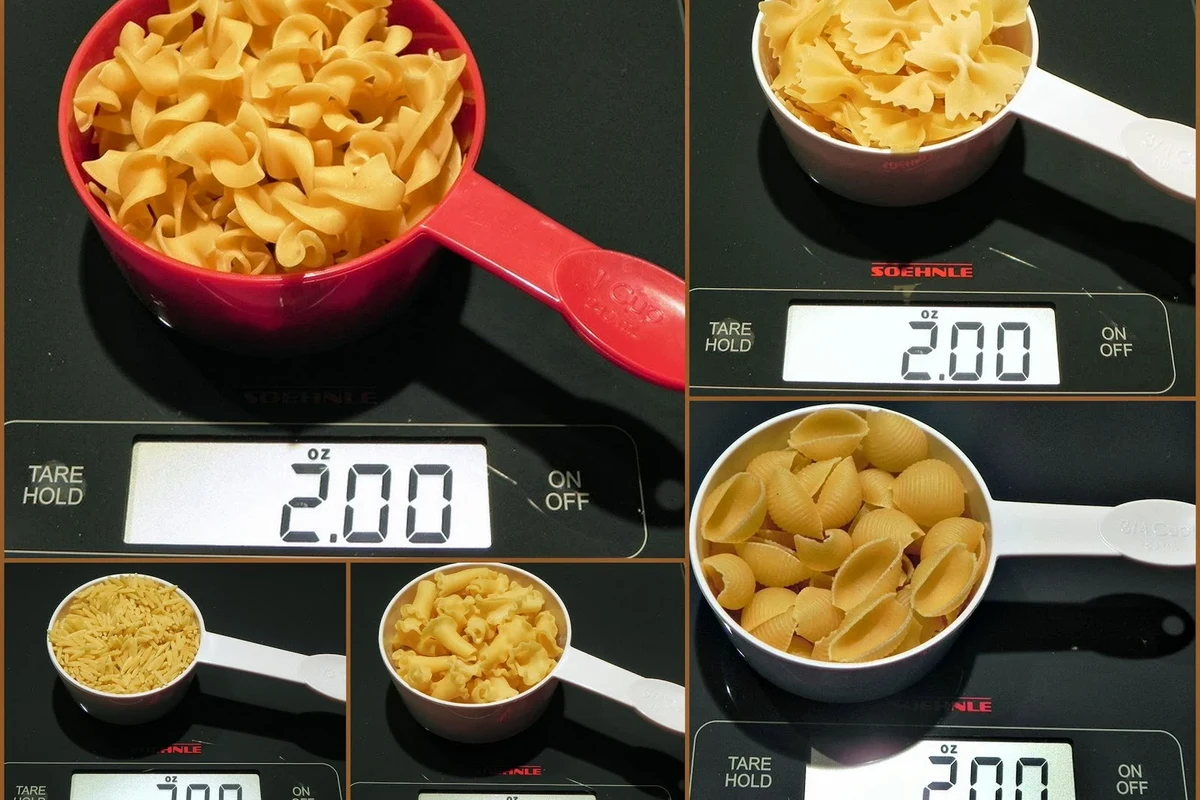
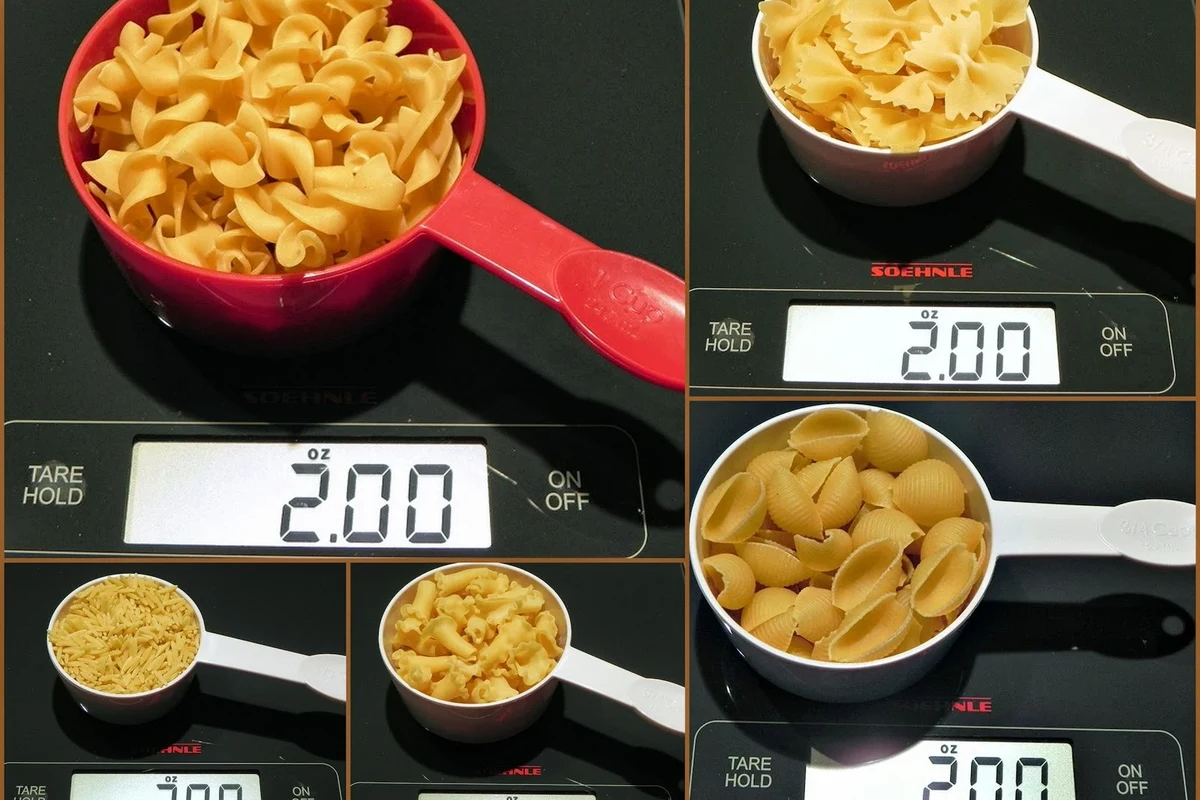
Shape matters more than many home cooks think. Two ounces of one pasta can look very different from 2 ounces of another.
Long pasta like spaghetti and linguine
Long pasta is easy to portion by eye once you learn the shape. A 2-ounce dry serving is usually a small bundle that fits through a standard pasta measurer.
After cooking, it spreads out more on the plate. It may seem like more food because the strands loosen and separate.
Short pasta like penne, rotini, and shells
Short pasta can look heavier in the pot. It traps water between pieces, so the cooked cup measure may look fuller.
These shapes also pack into a measuring cup more tightly. That makes visual guessing less reliable than weighing.
Stuffed pasta and specialty shapes
Stuffed pasta changes the picture again. It already contains filling, so a small dry weight can feel more filling after cooking.
Specialty shapes like farfalle or orecchiette can also vary a lot by brand. Their size and thickness affect both cook time and final volume.
Pasta often doubles or nearly triples in size after cooking, but the exact gain depends on shape and dryness.
What Affects the Final Cooked Weight and Volume
Cooked pasta is not just about time. It’s also about how much water the pasta takes in and how much stays on the surface.
Water absorption during boiling
Pasta absorbs water as the starch softens. That’s the main reason dry pasta grows in size.
More absorbent shapes usually feel softer and larger. Denser shapes may hold a firmer bite and look less expanded.
Cooking time and doneness level
Al dente pasta usually keeps a little more structure. It may also hold slightly less water than softer pasta.
If you cook it longer, it can swell more and turn mushy. That changes both the texture and the final serving look.
Salt, stirring, and pot size
Salt helps flavor the pasta, but it does not make a huge size change. Stirring helps keep pieces from sticking together.
A larger pot gives pasta room to move. That can help it cook more evenly and drain better.
Follow package directions and food-safety guidance when cooking pasta with fillings, eggs, or meat. Those types need extra care.
How to Measure 2 Oz of Dry Pasta at Home
The best method depends on how exact you want to be. A scale gives the cleanest answer, but simple tools can still work well.
Using a kitchen scale for accuracy
A kitchen scale is the simplest way to measure 2 ounces. It removes the guesswork from different shapes and brands.
Just place a bowl on the scale, zero it out, and add pasta until it reaches 2 ounces. That’s the most reliable method for meal planning.
Using measuring cups and pasta tools
Measuring cups can help when you do not have a scale. Still, they are less exact because pasta shapes pack differently.
Some pasta tools have holes for common serving sizes. Those can be handy for spaghetti and linguine.
Simple visual cues for common pasta shapes
For spaghetti, think of a small bundle about the size of a quarter. For penne or rotini, a loose scoop often equals one serving.
These cues help in a pinch. Still, they work best after you’ve checked them against a scale once.
- Weigh pasta once, then remember the look of that portion.
- Use the same bowl when you want repeat results.
- Keep notes for your favorite brand and shape.
What to Expect in a Real Meal Portion
Two ounces of dry pasta is often enough for one basic meal. But the rest of the plate matters just as much.
Single-serving use for lunch or dinner
For a light lunch, 2 ounces can feel just right. For dinner, it may feel modest unless you add protein or vegetables.
That’s why pasta bowls often look bigger once sauce and toppings go in. The pasta is only one part of the meal.
How 2 ounces fits with sauce and add-ins
A rich sauce can make 2 ounces feel more filling. So can cheese, beans, chicken, or roasted vegetables.
If you add a lot of mix-ins, the pasta itself can stay small. That’s often a good thing for balanced meals.
When 2 ounces feels too small or too large
It may feel too small if you want pasta as the main event. It may feel too large if you use a heavy sauce or side dishes.
The right portion depends on appetite and the rest of the menu. There’s no single perfect bowl for everyone.
Common Mistakes When Cooking Dry Pasta
Most pasta mistakes are simple, and most are easy to fix. The key is knowing the difference between dry weight and cooked weight.
Confusing dry weight with cooked weight
Two ounces dry is not the same as 2 ounces cooked. Once pasta boils, it gains water and weighs more.
This is the most common reason portions seem off. Always measure dry pasta before cooking.
Overcooking and losing texture
Overcooked pasta gets soft fast. It can also break apart and look larger than it should.
Check the pasta near the end of the cook time. Taste it before you drain the pot.
Using too little water or too much sauce
Too little water can make pasta stick or cook unevenly. Too much sauce can hide the pasta and make portions hard to judge.
Use enough water for the pasta to move freely. Then add sauce a little at a time.
- Measure dry pasta first.
- Taste for doneness before draining.
- Add sauce gradually.
- Guessing by cooked bowl size.
- Cooking until mushy.
- Overcrowding the pot.
Value, Nutrition, and Practical Use in 2026
In 2026, many home cooks want portions that are simple, budget-friendly, and easy to repeat. A 2-ounce serving works well for that.
Why portion control matters for home cooks
Portion control helps reduce waste. It also makes it easier to plan meals and balance the plate.
For families, it can help you cook the right amount the first time. That saves both time and cleanup.
How 2 ounces compares with budget and meal planning
Dry pasta is usually easy to stretch with sauce, vegetables, and pantry staples. That makes 2 ounces a smart base for simple meals.
If you’re cooking on a budget, small portions can go further than you think. The trick is building around them well.
Best uses for leftovers and batch cooking
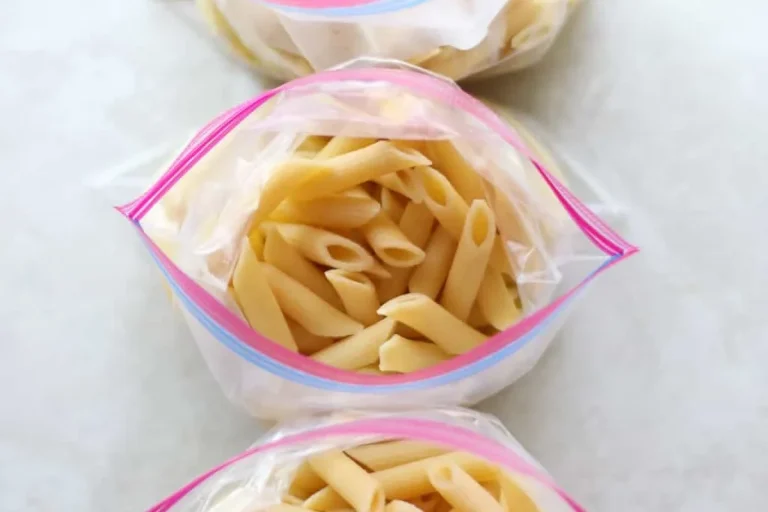
Cook extra pasta when you want quick lunches later. Just store it safely and reheat it with a little moisture.
Leftover pasta works well in pasta salad, baked dishes, and soup. It’s a flexible ingredient if you plan ahead.
Final Recommendation: How to Judge 2 Ounces of Dry Pasta Cooked
The best simple rule is this: 2 ounces of dry pasta usually becomes about 1 to 1 1/2 cups cooked. That’s a solid single-serving guide for many meals.
Best simple rule to remember
Weigh dry pasta if you want the most reliable portion. If not, learn the look of your most used shape.
For spaghetti, use a small bundle. For short pasta, use a modest scoop.
When to weigh, when to eyeball, and when to adjust
Weigh it when accuracy matters, like meal prep or calorie tracking. Eyeball it when you cook the same shape often and know its size.
Adjust the portion when sauce, protein, or vegetables change the meal. That’s the easiest way to make pasta fit real life.
Two ounces of dry pasta usually cooks into a small, satisfying serving that lands near 1 to 1 1/2 cups. Weigh it for the best accuracy, then adjust based on shape, sauce, and appetite.
- 2 ounces dry pasta usually makes about 1 to 1 1/2 cups cooked.
- Shape, water, and cook time change the final amount.
- A kitchen scale gives the most accurate portion.
- Add sauce and sides before judging if the serving is enough.
Frequently Asked Questions
It usually makes about 1 to 1 1/2 cups cooked. The exact amount depends on shape, brand, and cook time.
For many people, yes. It often works as a single serving, especially with sauce, protein, or vegetables.
Pasta absorbs water as it boils. That extra water makes the pasta heavier and larger.
A kitchen scale is the most accurate tool. If you do not have one, use a pasta measurer or a familiar visual guide.
No, different shapes absorb water in different ways. Long pasta, short pasta, and stuffed pasta can all end up with different cooked volumes.
Yes, if you cool it quickly and refrigerate it in a sealed container. Reheat it with a little moisture so it stays soft.