How to Reheat Leftover Pasta Without Drying It Out

Use low heat and add a little moisture before reheating leftover pasta. The stovetop works best for most sauced pasta, while the microwave is fastest.
If you want to know how to reheat leftover pasta without drying it out, the key is simple. Add a little moisture, use gentle heat, and stop as soon as it’s hot.
- Add moisture: Water, broth, or sauce helps pasta stay soft.
- Use gentle heat: Low heat protects texture and keeps sauce smooth.
- Cover the food: A lid or cover traps steam and reduces drying.
- Match the method: Stovetop, microwave, and oven each fit different pasta types.
How to Reheat Leftover Pasta Without Drying It Out
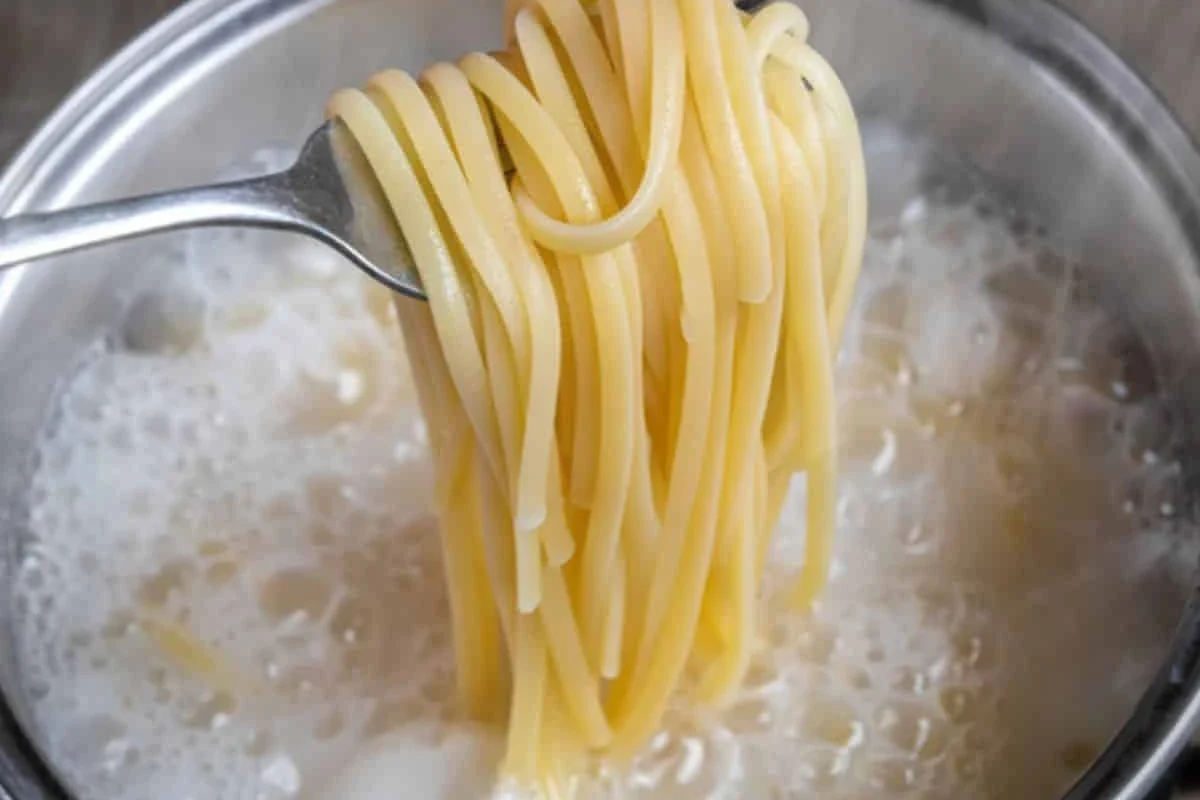
Leftover pasta can taste great the next day. The trick is keeping the noodles from turning stiff or rubbery.
Most dry pasta problems come from heat that’s too strong or from skipping added liquid. Sauce helps, too, but the best method depends on the type of pasta you saved.
Warm pasta slowly. Fast heat often dries the noodles before the center gets hot.
What Makes Leftover Pasta Dry Out
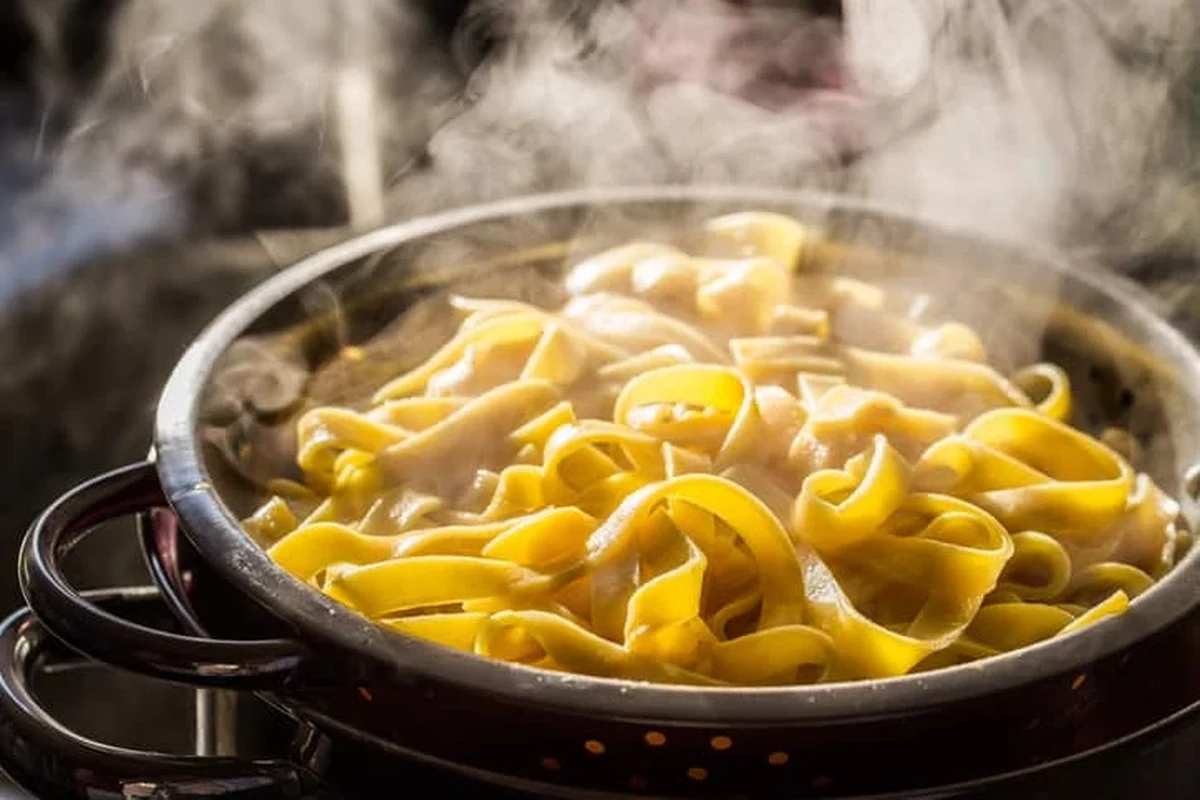
Pasta keeps soaking up moisture after it cools. That’s why yesterday’s dinner can feel firmer today.
Fridge air also pulls moisture from the surface. If the pasta sits uncovered, the texture gets even drier.
Why pasta loses moisture in the fridge
Cooked pasta holds water in its starch. Once it cools, that starch firms up.
Cold air speeds up the change. Pasta that was soft at dinner can feel tight by lunch the next day.
How sauce type changes the result
Saucy pasta reheats better than plain pasta. The sauce helps protect the noodles from dry heat.
Tomato sauce and meat sauce usually handle reheating well. Creamy sauces need more care because they can separate if overheated.
Pasta often tastes better the next day when it’s reheated with a little extra sauce or water.
The Best Ways to Reheat Leftover Pasta
There’s no single best method for every bowl. Choose based on how much time you have and what kind of pasta you made.
For saucy pasta, the stovetop is often the easiest path to good texture. For speed, the microwave works well if you add moisture and cover the dish.
Stovetop method for saucy pasta
The stovetop gives you the most control. It works especially well for spaghetti, penne, and other pasta with sauce.
Put the pasta in a skillet or saucepan. Add a splash of water, broth, or extra sauce.
Heat it over low to medium-low heat. Stir often so the pasta warms evenly.
If the sauce looks thick, add a little more liquid. Stop when the pasta is hot and glossy.
Microwave method for quick reheating
The microwave is best when you need lunch fast. It can dry pasta out if you heat it too long.
Place the pasta in a microwave-safe bowl. Add a spoonful of water, sauce, or broth.
Cover the bowl with a microwave-safe lid or plate. Heat in short bursts and stir between rounds.
This helps the steam spread through the pasta. It also keeps the edges from getting tough.
Oven method for baked pasta dishes
The oven works best for baked dishes like ziti, lasagna, or baked spaghetti. It’s slower, but it helps heat larger portions evenly.
Cover the dish with foil to trap moisture. If the pasta looks dry, add a little sauce or water first.
Warm it until the center is hot. Remove the foil near the end if you want the top to firm up.
Step-by-Step Guide for Different Pasta Types
Different pasta types need different care. A saucy bowl, a plain noodle, and a cream dish all behave in their own way.
Reheating results vary by pasta shape, sauce thickness, and how long the food stayed in the fridge.
Reheating spaghetti, penne, and other sauced pasta
These pasta shapes do well with a skillet or microwave. The sauce helps keep them moist.
Break up clumps with a fork before heating.
Use water, broth, or extra sauce to replace lost moisture.
Warm until hot, then stop before the sauce gets too thick.
Reheating plain pasta with no sauce
Plain pasta dries out faster than sauced pasta. It needs more help from moisture and a lid.
Use a skillet with a splash of water, or microwave it with a damp paper towel or covered bowl. Toss it well so the heat spreads through the noodles.
If you plan to add sauce later, stop reheating as soon as the pasta is warm. That keeps it from going soft and sticky.
Reheating creamy pasta without breaking the sauce
Creamy pasta needs low heat and patience. High heat can make the sauce split or turn grainy.
Warm it slowly on the stovetop with a small splash of milk, cream, or pasta water if needed. Stir often and keep the heat low.
In the microwave, use short bursts and stir after each round. That lowers the chance of hot spots and broken sauce.
Ingredients and Tools That Help Keep Pasta Moist
You don’t need fancy gear to reheat pasta well. A few simple tools make a big difference.
Water, broth, and extra sauce
Water is the easiest fix for dry pasta. It creates steam and helps the noodles warm without burning.
Broth adds a little flavor. Extra sauce works even better if you have some left.
Lids, skillets, and microwave-safe covers
A lid traps steam and helps pasta stay soft. That matters most when you reheat plain noodles or thick sauce.
A nonstick or stainless skillet both work well, as long as you keep the heat low. In the microwave, use a cover that lets steam escape a little.
Common Mistakes to Avoid
Most bad reheated pasta comes from a few easy mistakes. The good news is that they’re simple to avoid.
Using too much heat
High heat dries pasta fast. It can also scorch sauce on the bottom of the pan.
Use low to medium-low heat on the stove. In the microwave, heat in short bursts instead of one long run.
Skipping added moisture
Dry pasta needs help. If you reheat it with no liquid, the noodles often turn tough.
Add a small amount first, then check the texture. You can always add more.
Reheating pasta too many times
Each round of reheating lowers the texture a bit more. It also raises food safety concerns if the pasta sits out too long.
Only reheat the portion you plan to eat. That gives you better taste and less waste.
Only reheat food once when possible. Repeated warming and cooling can hurt both texture and safety.
Food Safety, Storage, and Reheating Limits
Good texture matters, but safety matters more. Store pasta the right way before you worry about reheating it.
Put leftovers in the fridge soon after dinner. Use a covered container so the pasta does not dry out or pick up odors.
How long leftover pasta stays safe
Leftover pasta usually keeps for a short time in the fridge when stored properly. Exact timing can vary by ingredients and local food-safety guidance.
If your pasta has meat, seafood, or dairy, be extra careful. Those foods spoil faster than plain noodles.
When to toss pasta instead of reheating it
Throw it out if it smells off, looks slimy, or has mold. Don’t taste it to check.
Also toss pasta that sat out too long at room temperature. When in doubt, it’s safer to skip reheating and make a fresh meal.
Follow food-safety guidance and your local rules for leftovers. If food looks or smells wrong, do not reheat it.
Final Recommendation: The Best Method for Most Leftover Pasta
For most leftover pasta, the stovetop is the best all-around choice. It gives you control, keeps texture better, and works well with sauce.
If you need speed, the microwave is fine. Just add moisture and cover the bowl.
Best choice for speed, texture, and value
Use the stovetop when you want the best balance of texture and taste. It’s especially good for saucy pasta and creamy dishes.
Use the microwave when time matters most. It’s fast, simple, and good enough for many lunches.
When to use a different method instead
Choose the oven for baked pasta dishes and larger portions. It heats more evenly across a big pan.
Choose a skillet for plain pasta that needs moisture fast. That’s often the easiest fix for dry leftovers.
- Add a little liquid before reheating.
- Use low heat and cover the pasta when you can.
- Stovetop works best for most sauced pasta.
- Microwave works well if you heat in short bursts.
Frequently Asked Questions
The stovetop is best for most sauced pasta because it gives you more control. Add a little water, broth, or extra sauce and heat it gently.
Yes, if you add moisture and cover the bowl. Heat in short bursts and stir between rounds so it warms evenly.
Use a skillet with a splash of water or a microwave-safe bowl with a cover. Plain pasta dries out fast, so add moisture before heating.
Use low heat and stir often. Add a small splash of milk, cream, or pasta water if the sauce gets too thick.
It depends on storage and ingredients, but leftovers should go into the fridge soon after serving. Follow food-safety guidance and toss pasta that smells off, looks slimy, or sat out too long.
It’s best to reheat only the portion you plan to eat. Repeated reheating can hurt texture and may raise food-safety risk.