Is Couscous a Grain or Pasta The Truth Explained

Couscous is pasta made from wheat semolina, not a grain. It often gets used like a grain because it cooks fast and fits many side dishes.
Is couscous a grain or pasta? The short answer is that couscous is pasta, not a grain. It’s made from semolina, which comes from durum wheat, so it sits much closer to pasta than rice or oats.
That said, couscous often gets treated like a grain in the kitchen. It cooks fast, soaks up flavor well, and works in the same meals where you might use rice, quinoa, or bulgur.
Why do so many people call couscous a grain?
Because it looks and cooks like one. In everyday cooking, that’s usually enough to cause confusion.
- Made from wheat: Couscous starts with semolina from durum wheat.
- Acts like a grain: It works well in bowls, salads, and sides.
- Not gluten-free: Regular couscous contains wheat and gluten.
- Cook it gently: Use the package ratio and fluff with a fork.
Is Couscous a Grain or Pasta? The Short Answer

Couscous is a small pasta made from wheat semolina. It is not a whole grain on its own, even though people often group it with grains in recipes.
What couscous is made from
Most couscous starts with semolina flour from durum wheat. That means it comes from wheat, just like many pasta shapes.
The tiny granules are formed, steamed, and dried before they reach the store. So when you open a box, you’re looking at a pasta product, not raw grain kernels.
Why it looks like a grain
Couscous has a small, round shape that can remind you of rice or millet. Once cooked, it also has a light, fluffy feel that makes it seem grain-like.
It shows up in salads, bowls, and side dishes that often use grains. That’s why many cooks think of it as a grain even when the label says pasta.
The simple answer for most cooks
If you’re cooking dinner, the easiest rule is this. Treat couscous like a quick-cooking pasta that behaves a lot like a grain side.
That mindset helps with seasoning, portioning, and meal planning. It also keeps you from overthinking the label.
How Couscous Is Made
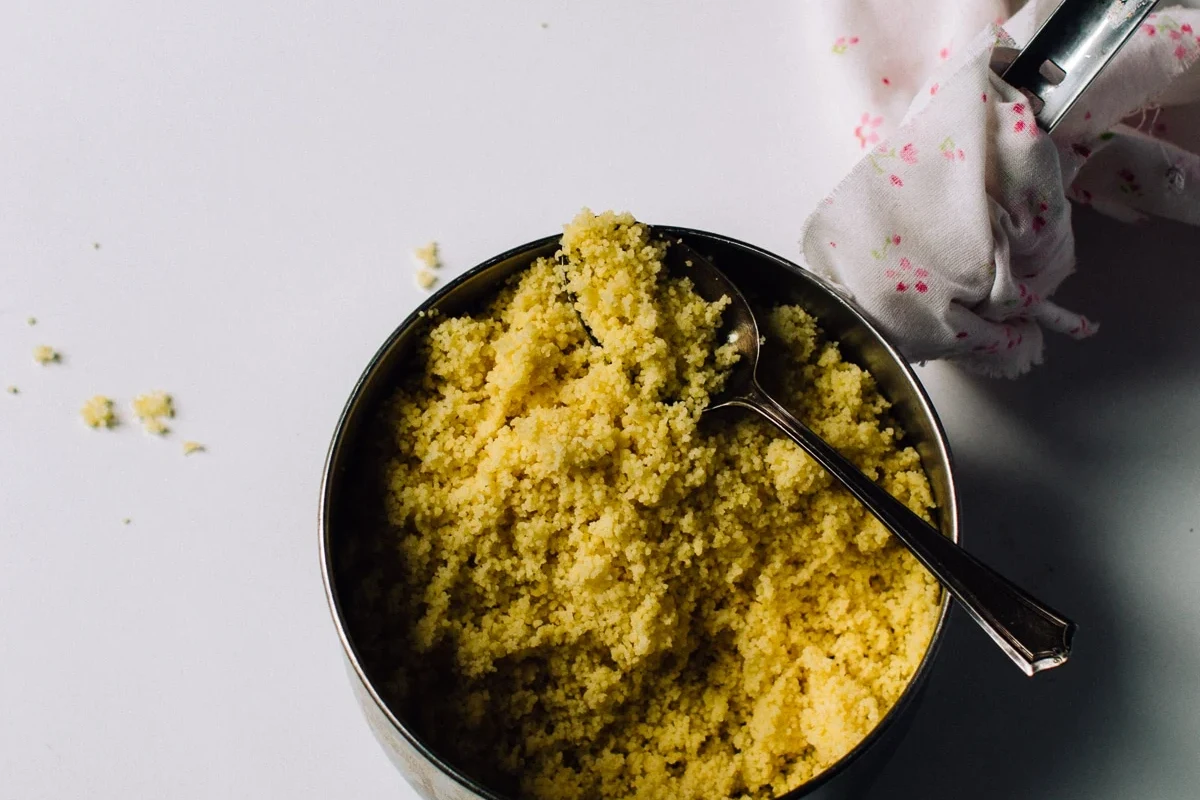
Couscous has a simple base, but the process matters. The shape, drying, and steam step all affect how it cooks later.
Traditional semolina base
Traditional couscous begins with semolina wheat. The grains are rolled into tiny pellets, then shaped and dried.
This is why couscous has a firm, pasta-like structure. It is not made by milling a whole grain into loose kernels.
Steamed and dried for shelf life
Before packaging, couscous is usually steamed and dried. That helps it last on the shelf and makes it quick to prepare at home.
Once you add hot water or broth, the dried pieces soften fast. That speed is one reason it’s such a handy pantry staple.
Traditional couscous is often steamed, not boiled, in many North African cooking methods.
How instant couscous differs
Most couscous sold in U.S. stores is instant or quick-cooking. It has already been pre-steamed, so it only needs hot liquid and a short rest.
That does not change what it is. It still comes from semolina and still counts as pasta.
Different brands may vary in size and texture. Always check the package directions, since water needs and rest times can change.
Couscous vs Grain vs Pasta
This is where the confusion clears up. Couscous shares traits with both grains and pasta, but its base ingredient puts it in the pasta camp.
How it compares with rice
Rice is a grain. It grows as a seed and cooks into separate kernels.
Couscous looks similar in a bowl, but it comes from wheat. It also tends to cook faster than most rice types.
How it compares with pasta
Pasta is usually made from durum wheat and water. Couscous follows the same broad idea, even though the shape is tiny.
It also behaves like pasta in another way. It absorbs liquid and takes on the flavor of the broth or sauce around it.
Where it fits in the pantry
In practical terms, couscous belongs near pasta and other dry starches. That makes it easy to grab for quick meals.
You can use it anywhere you want a soft base that picks up flavor fast. Think of it as a pantry bridge between pasta and grain dishes.
The main difference is the base ingredient. Couscous comes from wheat semolina, so it belongs with pasta even when it plays a grain-like role.
Types of Couscous You’ll Find
Not all couscous looks or cooks the same. The type you buy can change texture, cooking time, and how you use it.
Moroccan couscous
This is the smallest and most common type. It cooks very fast and turns light and fluffy when prepared well.
It works well as a side dish or base for vegetables, chicken, or beans. It’s the version most people mean when they say couscous.
Israeli couscous
Israeli couscous, also called pearl couscous, has larger round pieces. It has a chewier bite and feels more like small pasta pearls.
Because of its size, it often needs more liquid and more time than Moroccan couscous. It’s a good pick when you want more chew in a salad or bowl.
Lebanese couscous
Lebanese couscous is larger still. It is sometimes called moghrabieh and can be used in hearty stews or richer dishes.
This type often takes the longest to cook. It gives you a more substantial texture than the smaller styles.
Best for fast sides and fluffy bowls.
Best for salads and a chewier bite.
Best for hearty, spoonable dishes.
How to Cook Couscous the Right Way
Couscous is easy, but it still needs the right method. A few small steps make the texture much better.
Basic water-to-couscous ratio
The exact ratio can vary by brand and type. Many quick couscous products use about equal parts couscous and hot liquid by volume.
Check the package first. That’s the safest way to avoid soggy or dry results.
Fluffing for the best texture
After the liquid soaks in, let the couscous sit for a few minutes. Then fluff it gently with a fork.
That step separates the tiny pieces and keeps the texture light. A spoon can mash it, so a fork works better.
Pour it over the couscous in a heat-safe bowl.
Let it absorb the liquid without stirring too much.
Use a fork to separate the grains before serving.
Common cooking mistakes
The biggest mistake is using too much liquid. That can make couscous sticky and heavy.
Another common issue is skipping the fluffing step. If you do that, the texture can clump together fast.
The couscous turns dense or gummy.
Use the package ratio, rest it fully, and fluff with a fork.
Nutrition, Benefits, and Limits
Couscous can fit well in many meals. Still, it has clear limits you should know before you rely on it often.
What couscous offers in a meal
Couscous gives you quick energy from carbohydrates. It also works as a blank base for vegetables, protein, herbs, and sauces.
That makes it useful when you want a fast side dish. It can help turn leftovers into a real meal.
- Fast to cook on busy nights
- Easy to flavor with broth and herbs
- Works well in bowls, salads, and sides
When couscous may not be the best pick
Couscous may not suit every meal. If you want a chewy whole grain, you may prefer brown rice, farro, or quinoa.
It also can feel too soft if you overcook it. For some dishes, that light texture is perfect. For others, it can seem too delicate.
Gluten and diet concerns
Couscous contains wheat, so it contains gluten. That makes it a poor choice for anyone with celiac disease or gluten sensitivity.
If you need a gluten-free option, look for a different grain or pasta made from safe ingredients. Always read the label carefully.
If you avoid gluten for medical reasons, do not assume couscous is safe. It is a wheat product unless the package clearly says otherwise.
Best Ways to Use Couscous in Real Meals
Couscous shines when you need speed. It can move from pantry to plate with very little effort.
Side dishes and bowls
Use couscous as a quick side for roasted vegetables, chicken, fish, or tofu. It also works well under saucy mains.
You can season it with butter, olive oil, lemon, garlic, or herbs. That small step makes a big difference.
Salads and meal prep
Israeli couscous and cooled Moroccan couscous both work in salads. They hold up well with chopped vegetables and vinaigrette.
For meal prep, keep dressing separate until serving time. That helps the texture stay fresh.
Soups, stews, and quick dinners
Couscous can thicken a soup or stretch a stew. Add it near the end so it does not turn mushy.
It also works in quick dinners when you need a fast starch. That’s one reason it’s such a useful pantry backup.
- Use broth instead of water for more flavor.
- Add herbs or citrus after fluffing.
- Keep couscous separate from wet sauces until serving.
Final Verdict: Should You Treat Couscous Like a Grain or Pasta?
For cooking and shopping, couscous is best treated as pasta. It comes from wheat semolina, and that tells you what it really is.
Best use cases for home cooks
Choose couscous when you want a quick, soft side that absorbs flavor well. It’s great for busy weeknights, salads, and simple bowls.
If you want a whole grain with more chew, choose something else. That’s the main trade-off.
Clear recommendation from Red Kitchen Project
Our simple recommendation is to think of couscous as pasta with grain-like uses. That gives you the right cooking mindset and helps you pick the best dish for it.
Couscous is pasta made from semolina wheat, but it often plays the role of a grain in meals. For most home cooks, the best approach is to treat it like a fast pasta side that can stand in for rice or other grains when you want speed and ease.
- Couscous is pasta, not a grain.
- It cooks fast and fits many grain-style meals.
- Different couscous types need different textures and times.
- Always check the package for the best water ratio.
Frequently Asked Questions
Rice is a grain, while couscous is a wheat pasta. They can play similar roles in meals, but they come from different foods.
Yes, couscous works well in salads, especially when cooled first. Israeli couscous gives a chewier bite, while Moroccan couscous feels lighter.
Sticky couscous usually means too much liquid or too little fluffing. Follow the package directions and separate it with a fork.
Couscous can fit into a balanced meal, but it is not a complete food by itself. Add vegetables, protein, and healthy fats for a better plate.
Yes, reheat it gently with a splash of water or broth. Stop if it smells off or has been left out too long.
Choose Moroccan couscous for fast sides, Israeli couscous for salads, and Lebanese couscous for hearty dishes. Check the label for cooking time and ingredients.