How to Make Black Sesame Paste at Home Easily

Black sesame paste is easy to make with toasted seeds, a grinder, and a little oil. For the best flavor, toast gently, blend well, and store it cleanly in the fridge.
Black sesame paste is easy to make at home, and the flavor is worth the small effort. You need black sesame seeds, a little oil, and a grinder or blender. The result is rich, nutty, and great in sweets, drinks, and even a few savory dishes.
- Use fresh seeds: Old seeds can taste flat or bitter.
- Toast gently: Low heat brings out nutty flavor without burning.
- Blend in stages: Short bursts help the paste turn smooth.
- Add liquid slowly: Small changes make the texture easier to control.
- Store safely: Keep it sealed, chilled, and made with clean utensils.
What Black Sesame Paste Is and Why It’s Worth Making
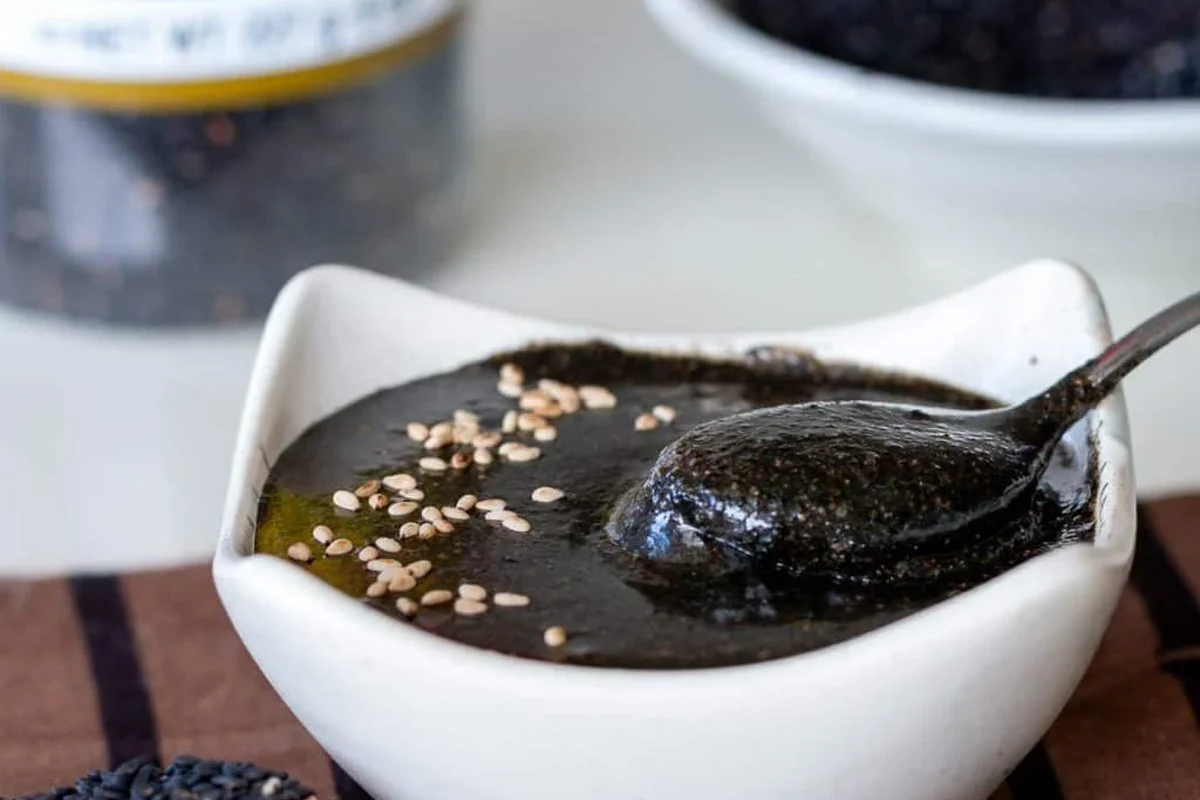
Black sesame paste is a smooth spread made from ground black sesame seeds. Some versions stay plain, while others include sugar, honey, or oil for a sweeter, silkier finish. It tastes deep and toasty, with a stronger flavor than many people expect.
Making it yourself gives you control over the texture and sweetness. You can keep it thick for fillings or thin it for drinks and sauces. That flexibility is the big win.
In short: homemade paste lets you shape the flavor to fit your recipe.
How it differs from black sesame powder and tahini
Black sesame powder is usually drier and lighter. It works well as a topping or mix-in, but it does not spread like paste. Black sesame paste has more oil released from the seeds, so it feels richer and smoother.
Tahini is made from white sesame seeds. It has a lighter color and a different taste. Black sesame paste is darker, bolder, and often a little sweeter in desserts.
Some store-bought products labeled as black sesame paste may include sugar, starch, or added oils. Always read the ingredient list if you want a pure version.
Best uses in desserts, drinks, and savory dishes
Black sesame paste shines in sweet foods. It works well in buns, cookies, mochi, ice cream, rice balls, and noodles with sweet sauce. It also blends into warm milk or soy milk for a cozy drink.
You can also use it in small amounts for savory food. Try it in sauces, dressings, or noodle bowls. It adds a deep nutty note, but a little goes a long way.
Toasting sesame seeds before grinding can bring out a fuller, sweeter nut flavor.
Ingredients and Tools You Need for Black Sesame Paste
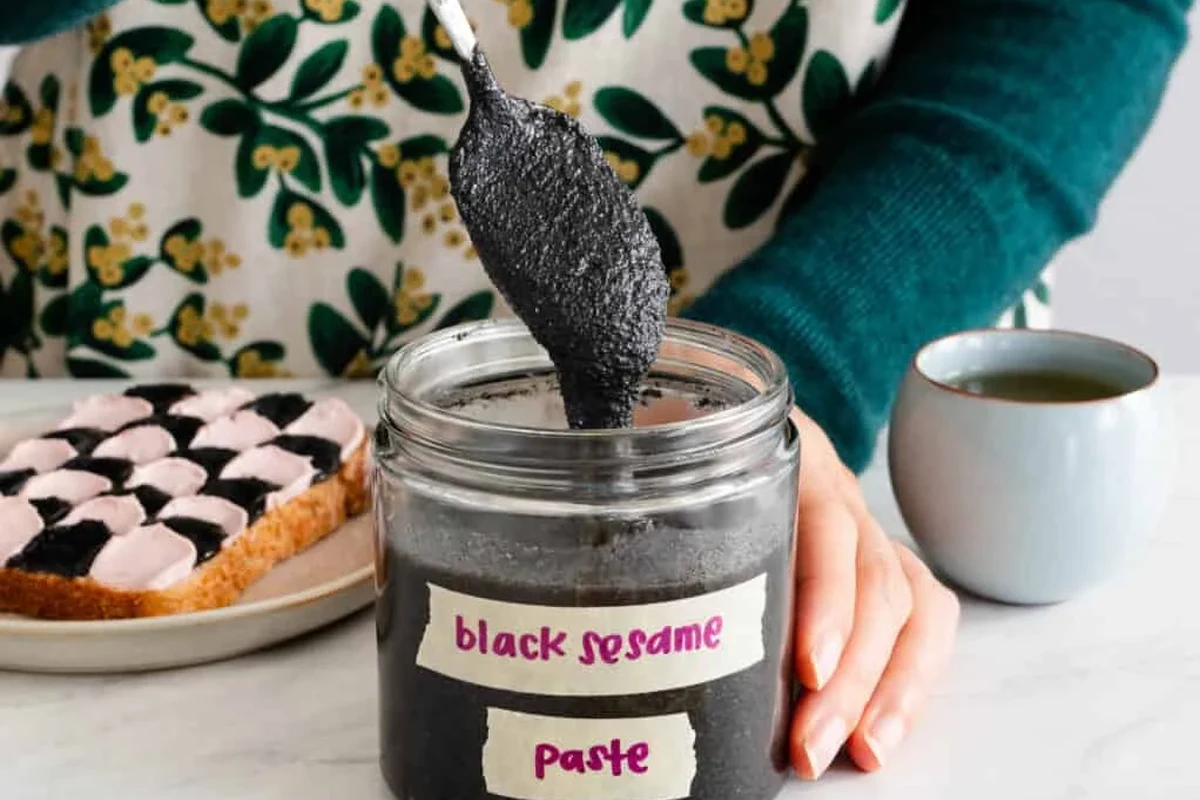
You do not need a long list of ingredients. In most cases, black sesame seeds are the star, and oil helps the paste move smoothly. Sweetener is optional, depending on how you plan to use it.
Choosing black sesame seeds, sweeteners, and oil
Choose fresh black sesame seeds with a clean smell. They should not smell stale, dusty, or sharp. Old seeds can taste bitter and make the paste less pleasant.
For sweeteners, use sugar, honey, maple syrup, or condensed milk if the recipe calls for it. Pick one that matches your dish. For oil, use a neutral one like sesame oil in a small amount, or another mild oil if you want a softer taste.
In short: fresh seeds matter more than fancy add-ins.
Blender, food processor, or mortar and pestle
A powerful blender gives the smoothest result fastest. A food processor can work too, but it may leave a slightly grainy texture unless you stop and scrape often. A mortar and pestle gives the most control, but it takes much longer.
If your machine is small, work in batches. Do not overfill the bowl. That helps the seeds grind evenly and keeps the motor from straining.
Follow the appliance manual and stop using damaged equipment. If the motor smells hot or the blade sticks, pause and let it cool.
How to Make Black Sesame Paste Step by Step
The basic method is simple. Toast the seeds, grind them, and adjust the texture. You can make a plain paste or sweeten it at the end.
Toast the seeds for deeper flavor
Place the seeds in a dry pan over low to medium-low heat. Stir often so they do not burn. You want a light, nutty smell, not a dark or bitter edge.
Once they smell toasted, move them to a plate right away. A hot pan can keep cooking them. Let them cool before grinding.
Black sesame seeds burn fast. Keep the heat low and stay near the stove while they toast.
Grind into a smooth, spreadable paste
Add the cooled seeds to your blender or food processor. Pulse first, then blend in short bursts. Stop often to scrape the sides.
At first, the seeds will look dry and crumbly. Keep going. As the oils release, the mix will start to clump, then turn into a paste.
Use a dry container and work in small batches if needed.
Short bursts help the blades catch the seeds better.
Keep the mix moving until it turns smooth.
In short: patience gives you a better texture than long nonstop blending.
Adjust texture with oil, water, or sweetener
If the paste looks dry, add a small splash of oil. Add it slowly, a little at a time. Too much oil can make the paste loose and greasy.
If you want a sweet version, stir in sugar, honey, or another sweetener after grinding. If the paste feels too thick for your recipe, use a tiny bit of warm water or milk. Add slowly so you do not thin it too much.
- Add liquid in tiny steps so the paste stays thick enough.
- Scrape the bowl often for a smoother finish.
- Taste as you go, since sweetener changes the final balance.
Flavor, Texture, and Nutrition Basics
A good black sesame paste should taste rich, nutty, and a little earthy. It should not taste burnt or flat. The texture depends on your tool and how much oil you add.
What a good paste should taste and feel like
The best paste feels smooth enough to spread or stir. It may still have a slight grain, especially if you use a basic processor. That is normal for homemade paste.
The flavor should feel deep and clean. If it tastes bitter, the seeds may have burned. If it tastes dull, the seeds may be old.
Main benefits and simple nutrition notes
Black sesame seeds naturally contain fats, plant protein, and minerals. They are also energy-dense, so even a small spoonful can go a long way. That makes them useful in rich desserts and sauces.
Keep in mind that sweetened paste has more sugar and calories than plain paste. If you are watching sugar, make the unsweetened version and add sweetness only when needed.
- Strong nutty flavor in a small amount
- Easy to make with simple pantry tools
- Flexible for sweet or savory recipes
Common Mistakes and How to Fix Them
Most problems come from heat, grinding time, or too much liquid. Luckily, they are easy to fix once you know what to look for.
Why the paste turns dry, bitter, or gritty
Dry paste usually means the seeds have not ground long enough, or the machine needs a little help. Bitter paste often means the seeds were toasted too hard. Gritty paste can happen when the grinder is weak or the seeds are not fully broken down.
The paste stays crumbly and dry.
Add a small amount of oil and keep blending in short bursts.
The paste tastes bitter or smoky.
Lower the heat next time and toast only until fragrant.
The paste feels sandy.
Blend longer, or sift seeds before grinding if needed.
How to save a paste that is too thick or too thin
If the paste is too thick, add a few drops of oil or warm liquid. Stir well before adding more. A small change can make a big difference.
If the paste is too thin, add more ground seeds or blend in a little more sesame. For sweet versions, a bit more seed can help restore body without making it bland.
- Add liquid slowly and taste often
- Store extra paste in a clean sealed jar
- Use a scraper to keep the mix moving
- Do not pour in too much oil at once
- Do not toast seeds until dark brown
- Do not leave hot seeds in the pan
Storage, Safety, and Cleaning Tips
Homemade sesame paste keeps best when you store it cold in a sealed container. Clean tools right away, since the oil can coat bowls and blades fast. That makes cleanup much easier.
How long it keeps in the fridge or freezer
Storage time depends on your ingredients and how clean your jar is. Plain paste usually keeps longer than sweetened paste. If you add milk or other fresh ingredients, treat it like a more perishable food.
Use a clean spoon each time. If you see off smells, mold, or a sharp stale taste, throw it out. When in doubt, do not keep using it.
Food safety matters most when you add dairy or other fresh ingredients. Follow standard refrigeration guidance and use clean utensils every time.
How to clean sticky tools and containers
Wipe out extra paste with a paper towel before washing. That keeps the sink from clogging. Warm water and dish soap usually work well on oily residue.
For stubborn spots, soak the jar or blade container for a few minutes first. Then wash carefully with a brush or sponge. If your blender parts are dishwasher-safe, check the manual before using the dishwasher.
Scrape out the paste, then wash with warm water and soap.
Check seals, lids, and blades for wear or stuck residue.
Cost, Value, and When Homemade Makes the Most Sense
Homemade black sesame paste often makes sense if you already keep sesame seeds in the pantry. You also get more control over taste, sweetness, and thickness. That is hard to beat.
Homemade paste vs store-bought options
Store-bought paste is convenient. It saves time and can be a smart choice if you only need a small amount. Homemade paste gives you fresher flavor and fewer surprise ingredients.
Here is the simple trade-off. Buy it when you want speed. Make it when you want control and a fresher taste.
| Option | Best For | Key Consideration |
|---|---|---|
| Homemade | Custom flavor and texture | Needs a grinder and a few extra minutes |
| Store-bought | Quick use and convenience | Check for added sugar or fillers |
When to make it fresh and when to buy it
Make it fresh when you want the best flavor for a dessert or special recipe. It is also a good choice if you already have a strong blender and like to cook from scratch.
Buy it when you need a fast shortcut, or when your machine struggles with small seeds. If you make black sesame paste often, a good grinder can be worth the effort. If not, a ready-made jar may be the more practical choice.
Final Recommendation for Home Cooks
If you want the easiest path, toast the seeds lightly, grind them well, and adjust with just enough oil. That gives you a smooth, rich paste with very little fuss. For most home cooks, that is the best balance of flavor and effort.
Best way to use your paste right away
Start with a simple use so you can taste the paste on its own. Stir it into warm milk, spread it in dessert filling, or mix it with a little sugar for noodles or buns. That helps you learn how strong your batch is.
If the flavor feels too bold, add it in smaller amounts next time. Black sesame paste is powerful, so a little often works better than a lot.
Simple closing advice for Red Kitchen Project readers
For Red Kitchen Project readers, the main advice is simple. Use fresh seeds, gentle heat, and a clean grinder. Those three things do most of the work.
In short: homemade black sesame paste is easy, flexible, and worth making when you want better flavor at home.
- Toast the seeds lightly for richer flavor.
- Blend until the oils release and the paste smooths out.
- Add oil or sweetener slowly to control texture.
- Store it cleanly and use it before it turns stale.
Frequently Asked Questions
It usually takes only a short time once the seeds are toasted. The exact time depends on your grinder and how smooth you want the paste.
Yes, but the paste may stay thicker and less smooth. A small amount of oil helps the seeds blend into a spreadable paste.
Bitterness usually means the seeds were toasted too long or too hot. Try lower heat next time and stop when they smell nutty.
Store it in a clean, sealed container in the fridge. Use a clean spoon each time, and freeze extra paste if you want to keep it longer.
Yes, you can use it in sauces, dressings, and noodle bowls. Start with a small amount because the flavor is strong.
A strong blender usually gives the smoothest result. A food processor also works, but you may need to stop and scrape more often.