What Does Red Bean Paste Taste Like Sweet Flavor Guide

Red bean paste tastes sweet, earthy, and lightly nutty. The exact flavor depends on the bean type, sugar level, and texture.
Red bean paste tastes sweet, earthy, and a little nutty. It often reminds people of a mild bean dessert with a smooth, cozy flavor.
- Main flavor: Sweet, mild, earthy, and lightly nutty.
- Biggest variable: Sugar level changes the taste the most.
- Texture matters: Smooth paste tastes creamier than chunky paste.
- Best uses: Buns, mochi, pastries, and simple dessert toppings.
- Buying tip: Check ingredients, sweetness, and storage instructions.
What Does Red Bean Paste Taste Like? The Short Answer
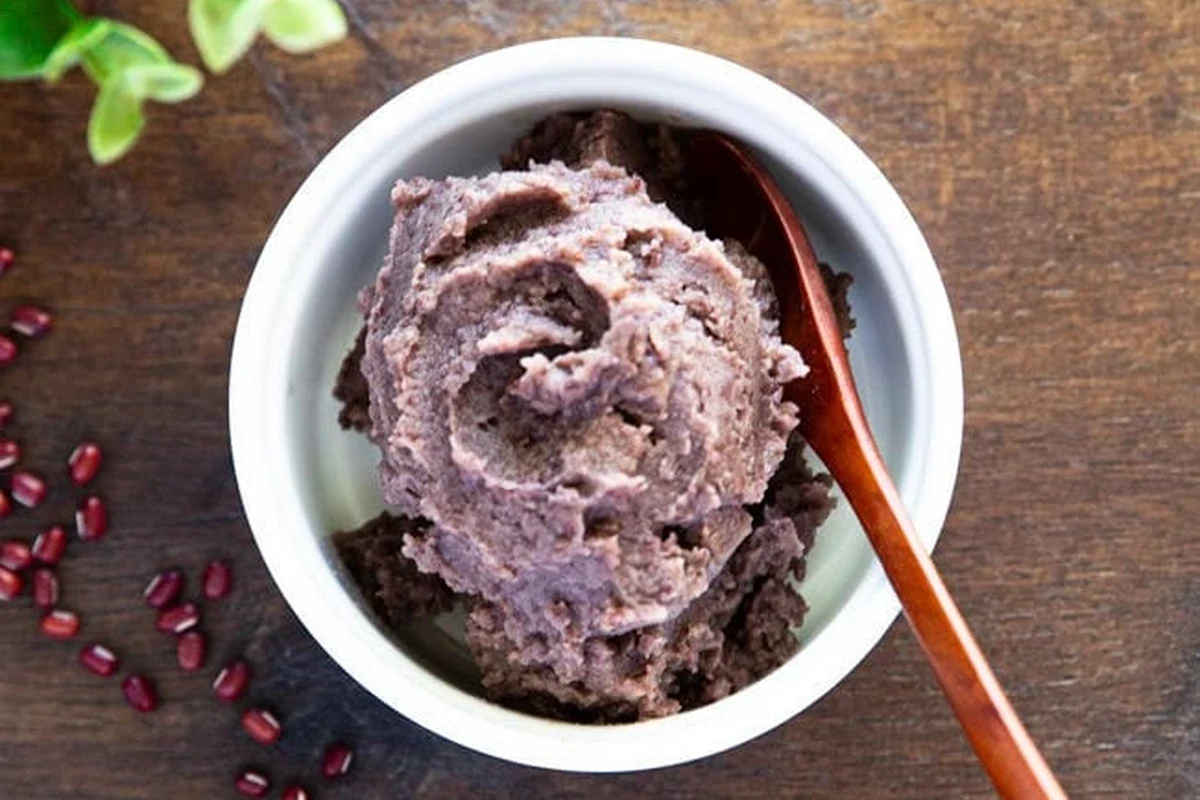
If you want the quick answer, red bean paste tastes like a soft, sweet bean filling with a gentle earth note. It is not as rich as chocolate or as sharp as fruit jam.
The flavor can feel mellow, warm, and slightly nut-like. In many desserts, the sugar and texture matter as much as the bean flavor itself.
Some people taste a hint of chestnut, sweet potato, or even a light caramel note. Others notice a clean bean taste first. That difference is normal.
What Red Bean Paste Is Made From
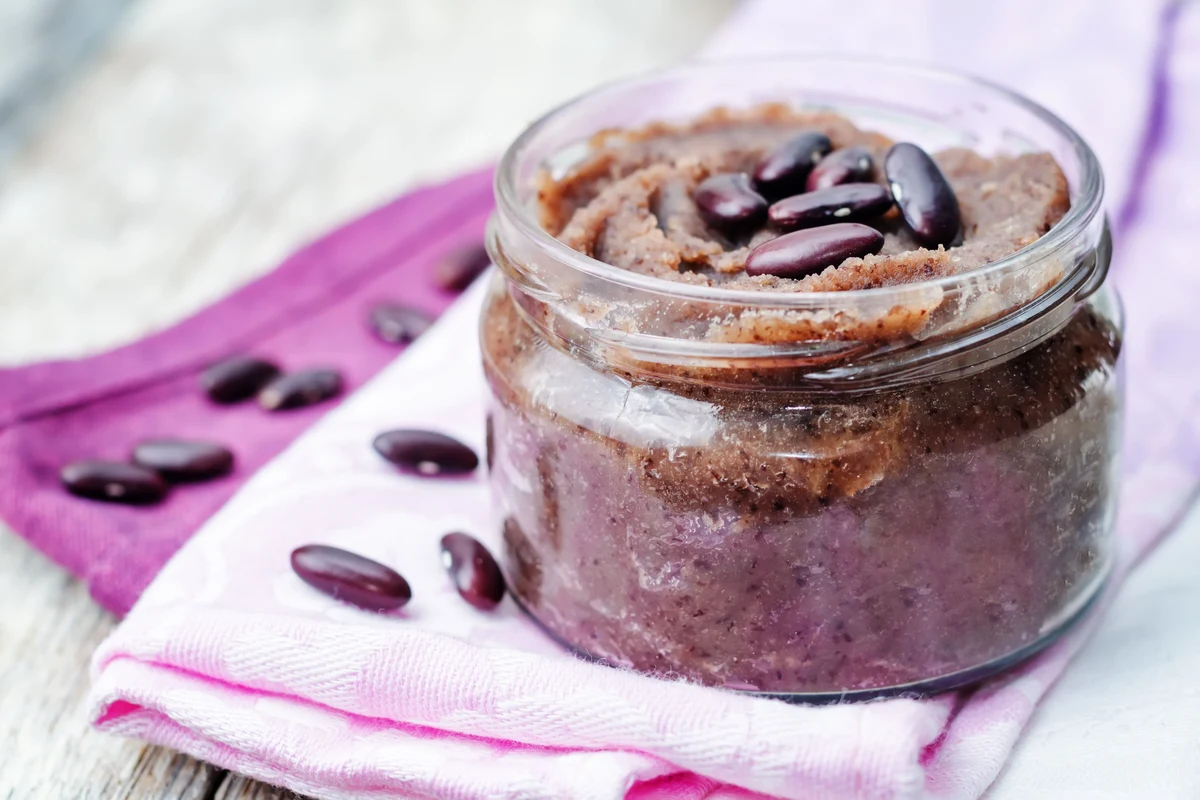
Red bean paste usually starts with adzuki beans. These small red beans cook down into a soft mash or smooth paste.
Most versions also include sugar. Some recipes add oil, salt, or starch to improve texture and shelf life.
Common Ingredients in Sweet Red Bean Paste
Sweet red bean paste often uses just a few simple ingredients. That keeps the flavor clear and easy to recognize.
Common ingredients include:
- Adzuki beans for the main flavor.
- Sugar for sweetness and shine.
- Water for cooking and softening.
- Salt for balance.
- Oil or fat for a richer mouthfeel.
Adzuki beans are naturally lower in fat than many nuts and seeds, so the paste tastes lighter than nut butter.
How Ingredient Choice Changes the Flavor
More sugar makes the paste taste closer to a dessert filling. Less sugar lets the bean flavor come through more clearly.
Salt can make the sweetness feel smoother. Oil can make the paste feel silkier and richer on the tongue.
Recipes vary by region and brand. A jar labeled red bean paste may taste quite different from another jar on the same shelf.
Some pastes also include starch or thickener. That can make the paste hold its shape better, but it may mute the bean taste a bit.
How Red Bean Paste Tastes in Real Foods
The taste changes a lot depending on how you eat it. In a bun, it feels softer and sweeter. In a dessert, it can taste deeper and more balanced.
Flavor in Desserts and Buns
In steamed buns, sweet rolls, and pastries, red bean paste blends with the dough. The bread makes the filling taste milder and warmer.
In cold desserts, the flavor can seem more focused. You may notice the bean taste more because there is less bread or crust to soften it.
How Red Bean Paste Shows Up in Everyday Foods
Here’s how the same paste can taste different in buns, cakes, and chilled sweets.
It can also pair well with dairy. Cream, milk, and ice cream often make the sweetness feel rounder and less heavy.
Texture, Sweetness, and Aftertaste
Texture changes the whole experience. Smooth paste feels creamy and soft. Chunky paste feels more rustic and bean-like.
The aftertaste is usually gentle. It may leave a sweet, slightly earthy finish instead of a bright sugary one.
- Warm, mild flavor that works in many desserts.
- Easy to pair with bread, rice cakes, and pastry.
- Comforting taste that is less sharp than many sweets.
- Can taste too sweet in some store-bought versions.
- Bean flavor may surprise people who expect a candy taste.
- Texture varies a lot from brand to brand.
Types of Red Bean Paste and How They Compare
Not all red bean paste tastes the same. The biggest differences come from texture, sugar level, and how much bean skin stays in the mix.
Smooth Paste vs. Chunky Paste
Smooth paste tastes more even and soft. It spreads well and gives a creamy feel in buns and pastries.
Chunky paste tastes more rustic. You may get small bean bits and a stronger bean flavor in each bite.
Best for soft buns, filled pastries, and neat dessert layers.
Best for people who want more bean texture and a fuller bite.
Sweet Red Bean Paste vs. Less Sweet Versions
Sweet red bean paste tastes closer to dessert filling. It is common in buns, mochi, and cakes.
Less sweet versions taste more bean-forward. They can work better if you do not want a heavy sugar hit.
Some cooks prefer less sweet paste because it gives them more control. That matters when the rest of the recipe already has sugar or glaze.
Best Ways to Use Red Bean Paste in the Kitchen
Red bean paste is very flexible. You can use it in desserts, snacks, and even some drinks.
Popular Desserts and Snacks
It shows up in many comfort foods. The flavor works especially well when paired with soft dough or gentle sweetness.
- Steamed buns with a sweet center.
- Mochi and rice cakes.
- Filled pancakes and pastries.
- Ice cream, shaved ice, and parfaits.
- Sweet rolls and bread fillings.
It can also work as a topping. A small spoonful on toast, waffles, or pancakes adds a simple dessert feel.
If the paste tastes too strong, mix it with cream, butter, or mashed sweet potato.
Simple Home Recipe Ideas
You do not need a fancy recipe to use red bean paste. Start with small amounts and taste as you go.
Use a thin layer so the bean flavor stays balanced.
Add fruit or cream for a softer, sweeter result.
Use a small spoonful to add flavor without making breakfast too sweet.
For a simple dessert, you can also layer red bean paste with whipped cream and soft cake. That gives you a sweet, creamy, and slightly earthy mix.
What to Look For When Buying Red Bean Paste
When you shop for red bean paste, the label matters a lot. Two jars can look similar but taste very different.
Ingredients, Sugar Level, and Texture
Check the ingredient list first. A shorter list often means a cleaner bean flavor, but it depends on the recipe.
Then look at sugar level. If sugar appears early in the list, the paste will likely taste sweeter and less earthy.
- Check whether you want smooth or chunky texture.
- Look at sugar level and added oil.
- Read the ingredient list for fillers or thickeners.
- Confirm the jar size matches how often you cook with it.
Texture matters too. A very firm paste may hold up better in buns. A softer paste may spread more easily on bread or cake.
Price, Value, and Storage Life
Value depends on how often you use it. A larger tub may make sense if you bake often.
For a one-time recipe, a smaller jar can be the smarter pick. That helps reduce waste if you are still learning the flavor.
Storage life also matters. Unopened paste usually lasts longer than opened paste, but exact timing depends on the package and ingredients.
Common Mistakes, Safety Tips, and Storage Advice
Red bean paste is simple to use, but a few small mistakes can make it less enjoyable. The main issues are sweetness, spoilage, and poor storage.
How to Avoid Overpowering Sweetness
Start with a small amount. You can always add more, but you cannot easily remove sweetness once it is mixed in.
Pair the paste with plain bread, unsweetened dough, or mild dairy. That helps the bean flavor stay balanced.
- Taste a small spoonful before adding more.
- Balance sweet paste with plain or lightly sweet foods.
- Use less sugar in the rest of the recipe if needed.
- Do not add a full amount without tasting first.
- Do not pair very sweet paste with another sugary filling.
- Do not ignore texture differences between brands.
How to Store Opened Paste Safely
Store opened paste in a clean, sealed container. Keep it in the fridge unless the package says something different.
Use a clean spoon each time. That helps lower the chance of spoilage.
If the paste smells odd, looks moldy, or changes color in a bad way, throw it out. When in doubt, follow the package directions and food-safety guidance.
Also watch for separation, dryness, or a sour smell. Those can be signs that the paste is past its best quality.
Final Verdict: Is Red Bean Paste Worth Trying?
Yes, red bean paste is worth trying if you enjoy mild, sweet, and cozy flavors. It is a good choice for people who want a dessert filling that feels less sharp than frosting or jam.
If you like bold candy flavors, it may seem subtle at first. But if you enjoy soft buns, mochi, or gentle sweets, the taste can be a real favorite.
Red bean paste tastes sweet, earthy, and lightly nutty, with texture and sugar level making the biggest difference. Smooth sweet paste is best for classic desserts, while less sweet or chunky versions suit cooks who want a stronger bean taste.
In short, start with a small serving and see which style you like best. That is the easiest way to find out what red bean paste tastes like for you.
Frequently Asked Questions
It can be, but the sweetness depends on the brand and recipe. Some versions taste dessert-like, while others keep more of the bean flavor.
Not really. It has a softer, earthier taste that is closer to sweet beans than chocolate or nuts.
It works well in buns, mochi, pastries, pancakes, and ice cream. Mild breads and creamy desserts help balance the flavor.
Choose smooth paste for a creamy filling and neat texture. Choose chunky paste if you want more bean bits and a rustic bite.
Keep opened paste in a sealed container in the fridge unless the label says otherwise. Use a clean spoon each time and discard it if it smells off or shows mold.
Check the sugar level, ingredient list, texture, and jar size. That helps you pick a paste that fits your taste and how often you cook with it.