How Much Velveeta for One Pound of Pasta Easy Guide

Start with 12 to 16 ounces of Velveeta for one pound of pasta. Use the higher end for baked or extra-creamy dishes, and the lower end for a lighter stovetop meal.
For one pound of pasta, start with about 16 ounces of Velveeta for a rich, creamy sauce. If you want a lighter coating, you can use 12 ounces and add a little pasta water or milk.
- Best starting range: Use 12 to 16 ounces of Velveeta per pound of pasta.
- Texture control: Add milk or pasta water slowly to adjust thickness.
- Heat matters: Keep the sauce on low heat to avoid splitting.
- Dish style: Baked pasta usually needs more cheese than stovetop pasta.
How Much Velveeta for One Pound of Pasta: The Quick Answer
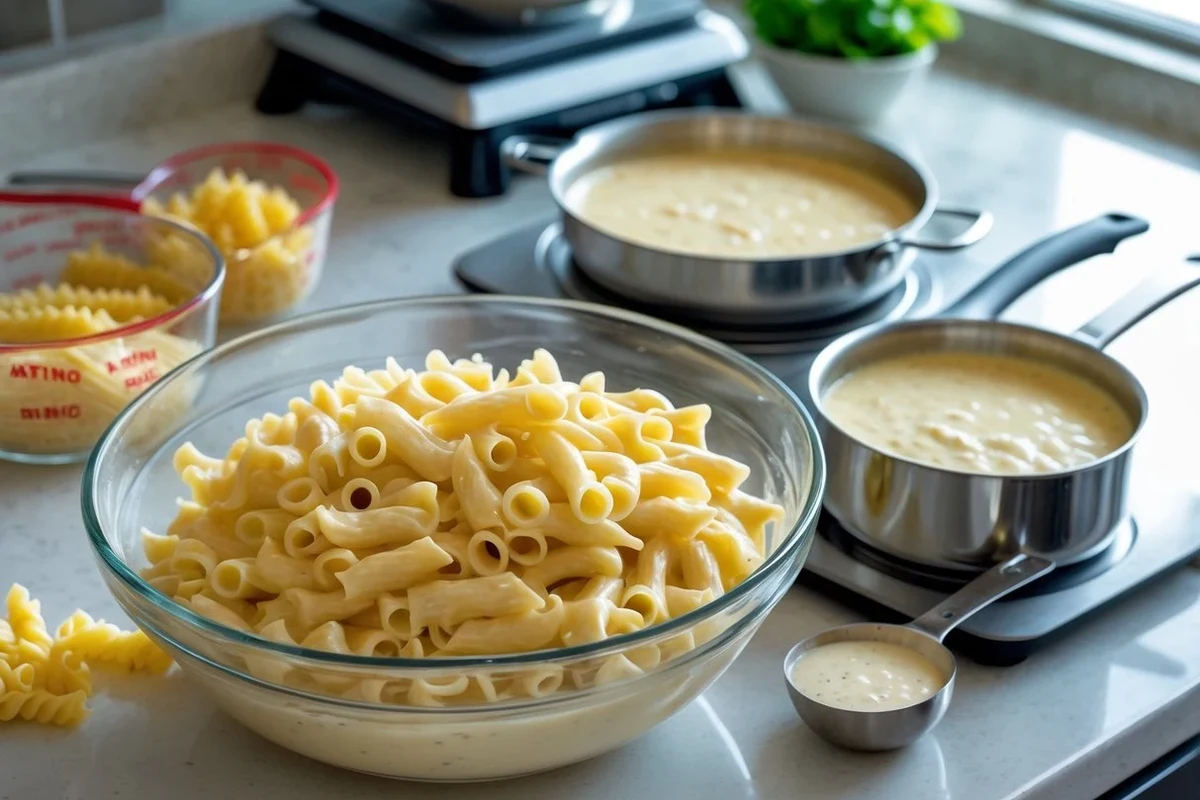
The best starting point is 12 to 16 ounces of Velveeta for 1 pound of pasta. That range gives you a sauce that feels creamy without turning gluey or too thick.
If you like a thick mac and cheese style dish, lean closer to 16 ounces. If you want a lighter pasta, start at 12 ounces and build from there.
Best starting ratio for creamy pasta
A simple rule works well. Use 1 cup of cubed Velveeta for every 2 to 3 cups of cooked pasta, or about 12 to 16 ounces total for a full pound of dry pasta.
That amount coats the noodles well and keeps the sauce smooth. It also leaves room for milk, pasta water, or other mix-ins.
Cube the cheese before melting it. Small pieces melt faster and help the sauce stay smooth.
When to use a little more or less cheese
Use more Velveeta when you want a thick, cheesy finish. This works well for baked pasta, kid-friendly mac and cheese, and dishes with extra add-ins.
Use less when the pasta already has rich ingredients. Sausage, cream, butter, or extra shredded cheese can make the sauce heavy fast.
Ingredient brands and pasta shapes change the final texture. Short pasta often needs less sauce than long noodles.
What Velveeta Does in Pasta and Why It Works
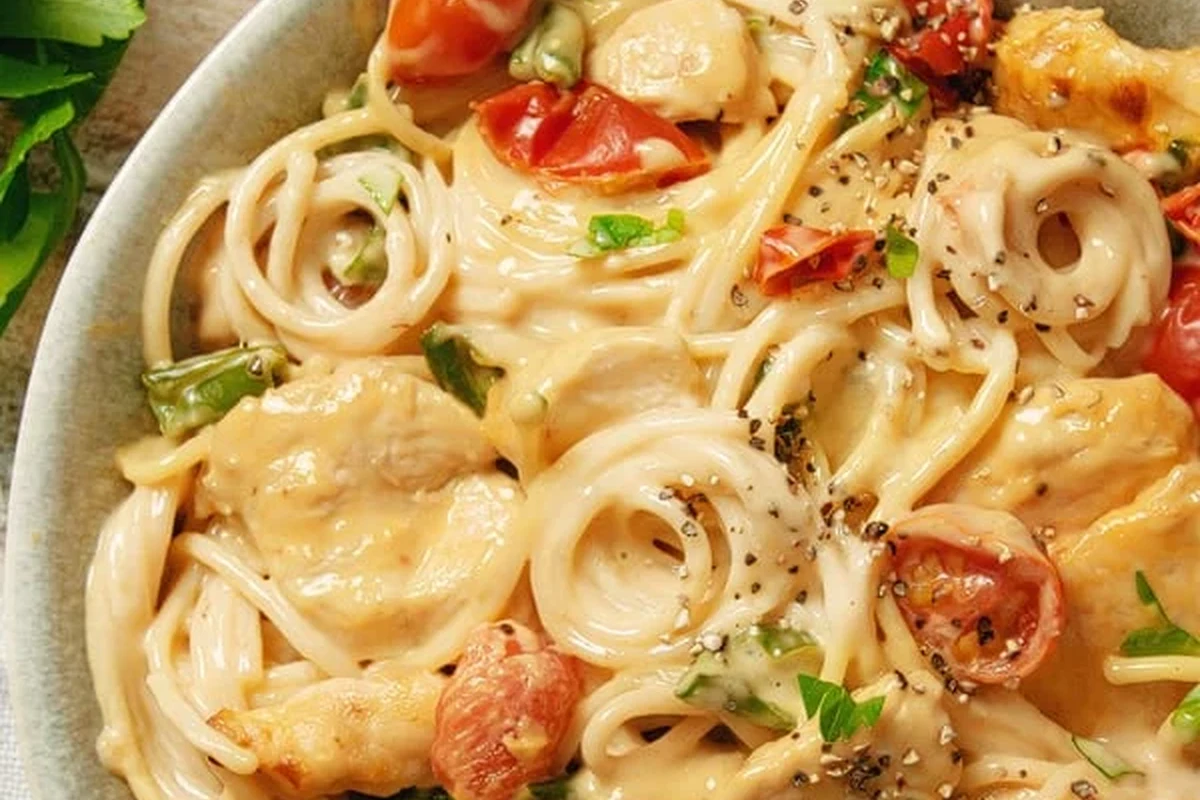
Velveeta melts into a very smooth sauce. That makes it useful when you want a creamy result without grainy bits.
It also has a mild flavor. That lets other seasonings, like pepper, garlic, or hot sauce, stand out more.
Texture, melt, and flavor in simple terms
Velveeta is built to melt evenly. In pasta, that means fewer lumps and fewer broken sauce spots.
The taste is mild and salty. It gives you a classic comfort-food flavor without much effort.
Starchy pasta water helps cheese sauces cling to noodles better.
How Velveeta compares with shredded cheese
Shredded cheese can taste sharper, but it can also melt unevenly. Some cheeses turn stringy or oily if the heat is too high.
Velveeta is easier for beginners. It is less fussy and more likely to stay smooth in a simple stovetop sauce.
- Melts smoothly with less risk of grainy sauce
- Works well for quick weeknight pasta
- Easy to season in many ways
- Milder flavor than many real cheeses
- Can feel heavy if you use too much
- Needs careful heat control like any cheese sauce
How to Build the Right Cheese Sauce for 1 Pound of Pasta
A good sauce starts with a simple base. You want enough liquid to melt the cheese, but not so much that the sauce turns thin.
For most home cooks, a small pot and a steady low heat are enough. You do not need fancy gear for this.
Basic ingredient list and simple measurements
You can also add butter, garlic powder, paprika, or cooked meat. Keep the extras simple at first so the sauce stays balanced.
Step-by-step method for smooth sauce
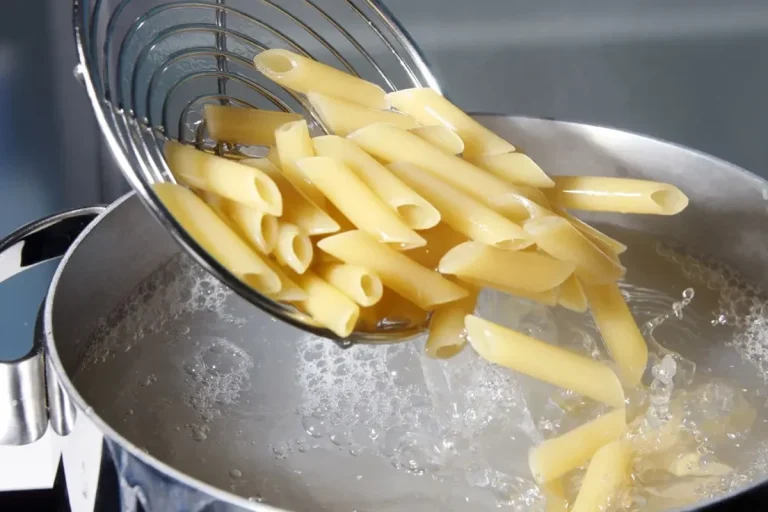
Boil the pasta until just tender. Save about 1 cup of pasta water before draining.
Use low heat and add milk or pasta water to the pan first.
Add cubed Velveeta in small handfuls and stir until smooth.
Add the drained pasta and stir until every piece looks coated.
Keep the heat low the whole time. High heat can make the sauce thick, sticky, or split.
How to thin or thicken the sauce
If the sauce feels too thick, add a splash of warm milk or pasta water. Add it a little at a time.
If the sauce feels too thin, let it sit over low heat for a minute or two. You can also add a few more cheese cubes.
- Stir often so the cheese does not stick.
- Use pasta water for a silkier finish.
- Add seasoning after the cheese melts.
Best Velveeta Amounts for Different Pasta Styles
The right amount depends on how you serve the pasta. A baked dish needs more body than a quick stovetop bowl.
Think about the final texture first. That makes the cheese amount much easier to judge.
Mac and cheese style pasta
For classic mac and cheese, use 14 to 16 ounces of Velveeta per pound of pasta. That gives you a thick, creamy result.
If you add breadcrumbs, bacon, or extra cheese, you may want the full 16 ounces. Those add-ins can dry out the dish a bit.
Baked pasta dishes
Baked pasta often needs a slightly thicker sauce before it goes in the oven. Aim for 14 to 16 ounces of Velveeta.
Baking dries the sauce a little, so a richer base helps. You can also add a small splash of milk before baking if needed.
Hot cheese sauce can splatter when stirred. Keep your face and hands back from the pot.
Stovetop creamy pasta
For a simple stovetop pasta, 12 to 14 ounces is often enough. That keeps the dish creamy without feeling too heavy.
This works well for quick dinners with vegetables, chicken, or ham. It also helps if you want the pasta to stay loose and spoonable.
Common Mistakes When Using Velveeta
Most problems come from heat and liquid, not from the cheese itself. A little care goes a long way.
If your sauce turns odd, it usually has a simple fix.
Using too little cheese
Too little Velveeta makes the sauce taste weak. The pasta may look wet but still feel plain.
If that happens, add more cheese in small cubes. Stir until it melts fully before adding more.
The pasta tastes bland and the sauce does not cling well.
Add more Velveeta in small amounts and finish with salt, pepper, or garlic powder.
Adding too much liquid too fast
Too much milk at once can make the sauce runny. It can also weaken the cheese flavor.
Add liquid by the spoonful or splash by splash. It is much easier to loosen a thick sauce than to fix a thin one.
Overheating the sauce
High heat can make cheese sauce break or turn greasy. That is especially true if the pan gets too hot too fast.
Use low heat and keep stirring. If the sauce starts to look oily, pull it off the heat right away.
Follow the appliance manual and stop using damaged equipment.
Safety, Storage, and Reheating Tips
Cheese sauce is best fresh, but leftovers can still work well. The key is to cool and store them the right way.
Clean handling also matters. Dairy-based sauces need careful storage in the fridge.
How to keep the sauce smooth and safe
Do not leave cheese sauce out for long. Put leftovers away soon after the meal.
Use clean utensils and a clean container. That helps the sauce stay safe and taste better later.
Best way to store leftovers
Store pasta and sauce in a sealed container in the fridge. If possible, keep extra sauce separate from the pasta.
Separate storage helps the pasta stay from getting too soft. It also makes reheating easier.
Cool leftovers, seal them, and refrigerate them promptly.
Check for off smells, odd color, or a slimy feel.
How to reheat without breaking the sauce
Reheat slowly over low heat. Add a splash of milk or water if the sauce has thickened.
You can also warm single portions in the microwave at short intervals. Stir between rounds so the sauce heats evenly.
Cost, Value, and Smart Substitutes
Velveeta is often chosen for convenience. It saves time because it melts so easily.
That can make it a smart choice for busy nights, even if it is not the most complex cheese flavor.
Is Velveeta worth it for pasta night
Yes, if you want a smooth sauce with little fuss. It is especially helpful when cooking for kids or a crowd.
If you care most about bold cheese flavor, you may want to mix it with another cheese. That gives you more depth.
Budget-friendly swaps and mix-ins
If you want to stretch the sauce, mix Velveeta with milk, pasta water, or a little butter. These help the sauce go farther.
You can also blend it with shredded cheddar, Monterey Jack, or a little parmesan. Just add those slowly so the sauce stays smooth.
Final Recommendation for Red Kitchen Project Readers
If you want a clear answer, start with 12 to 16 ounces of Velveeta for one pound of pasta. That range works for most home cooks and most pasta shapes.
Use the low end for a lighter stovetop dish. Use the high end for baked pasta or extra-creamy mac and cheese.
Who should use Velveeta and who should choose another cheese
Velveeta is a good fit if you want easy melting and a smooth finish. It is also helpful when you want reliable results with little effort.
If you want sharper flavor or a more traditional cheese taste, another cheese may suit you better. Many cooks like to blend Velveeta with a second cheese for balance.
Simple final ratio to remember
Remember this: 1 pound of pasta usually needs 12 to 16 ounces of Velveeta. Start low, then add more if the sauce needs it.
- Use 12 to 16 ounces of Velveeta for 1 pound of pasta.
- Low heat keeps the sauce smooth and creamy.
- Add milk or pasta water a little at a time.
- Use more cheese for baked dishes and less for lighter meals.
Frequently Asked Questions
Start with 12 to 16 ounces of Velveeta for 1 pound of pasta. Use the lower end for a lighter sauce and the higher end for a richer, creamier dish.
Yes, a little milk or pasta water helps the cheese melt smoothly. Add it slowly so the sauce does not turn too thin.
Yes, you can mix Velveeta with shredded cheese for more flavor. Add the shredded cheese slowly and keep the heat low.
Use low heat and stir often. High heat can make cheese sauce break or turn oily.
Cool leftovers soon and store them in a sealed container in the fridge. If you can, keep extra sauce separate from the pasta.
Reheat slowly over low heat or in short microwave bursts. Add a splash of milk or water if the sauce gets too thick.