Is Pasta Acidic What You Need to Know Before Eating

Plain pasta is usually not acidic, and most people can eat it without trouble. The sauce and toppings matter much more than the noodles themselves.
Yes, pasta is usually not acidic. Plain pasta is generally mild and close to neutral, so the bigger issue is often the sauce, cheese, or meat you add.
- Plain pasta: Usually mild and low acid.
- Main trigger: Tomato sauce often causes more reflux than pasta.
- Better choices: Mild sauces and smaller portions can help.
- Digestive comfort: Whole wheat and legume pastas may feel heavier for some people.
Is Pasta Acidic? The Short Answer and What It Means
Plain pasta is usually a low-acid food. That means it does not tend to cause the sharp, sour feel people link with acidic foods.
For most people, pasta itself is not the problem. The trouble often starts with tomato sauce, heavy spice, garlic, onion, or rich toppings.
So, is pasta acidic enough to bother most people?
Usually no. Plain pasta is mild, but your full meal may still feel acidic if the sauce or toppings are strong.
If you have reflux or a sensitive stomach, think about the whole plate. A bowl of plain noodles may feel fine, while a loaded pasta dish may not.
In short: pasta itself is usually gentle, but the toppings matter much more.
How Pasta Fits Into the Body’s pH Balance
People often worry that foods change the body’s pH in a big way. In daily life, your body keeps blood pH in a very tight range on its own.
Food can affect how your stomach feels. It does not usually change your body’s overall pH in a major way.
What pH Means in Simple Terms
pH is a scale that shows how acidic or basic something is. Lower numbers are more acidic. Higher numbers are more basic.
Water sits near the middle of the scale. Plain pasta also tends to stay near the mild side, especially before you add sauce.
Many foods taste acidic without being very acidic in the body. Tomato sauce is a common example.
That is why one food can seem “safe” on paper but still bother someone in real life. Taste and digestion are not always the same thing.
Why Pasta Usually Feels Gentle on the Stomach
Plain pasta is mostly starch. It has little acid and little fat on its own.
That simple makeup is one reason many people find it easy to eat. It also makes pasta a common base for bland meals when someone feels under the weather.
Still, portion size matters. A huge serving can feel heavy even if the pasta itself is mild.
In short: pasta is usually gentle because it is simple, not because it has special acid-fighting power.
Different Types of Pasta and Their Acid Levels
Most pasta types are still low acid. The main differences are more about fiber, texture, and how your body handles them.
That said, some people digest one type better than another. Your own comfort matters more than a strict label.
White Pasta vs Whole Wheat Pasta
White pasta is usually made from refined flour. It has a soft texture and a mild taste.
Whole wheat pasta has more fiber. That can help some people feel full longer, but it can also feel heavier for others.
Mild taste and soft texture. Often easier for sensitive stomachs.
More fiber and a stronger taste. Can feel harder to digest for some people.
Neither one is truly “acidic” in the way lemon juice or vinegar is. The better pick depends on your digestion and meal style.
Gluten-Free Pasta and Other Alternatives
Gluten-free pasta can be made from rice, corn, chickpeas, lentils, or other grains and beans. Its acid level still depends on the base ingredient and the full meal.
Some alternatives feel lighter. Others can cause gas or bloating, especially if they use beans or lentils.
Gluten-free pasta is not always easier on the stomach. Ingredient type matters more than the gluten-free label alone.
If you are choosing for comfort, read the ingredient list. A simple rice pasta may feel different from a high-fiber legume pasta.
In short: the pasta shape matters less than the flour or grain used to make it.
What Changes When You Add Sauce, Cheese, or Meat
This is where the meal can shift fast. Plain pasta is mild, but many popular toppings are more acidic, rich, or spicy.
So if pasta bothers you, look at the full recipe first. The sauce often does the real damage.
Tomato Sauce and Other Common Acid Triggers
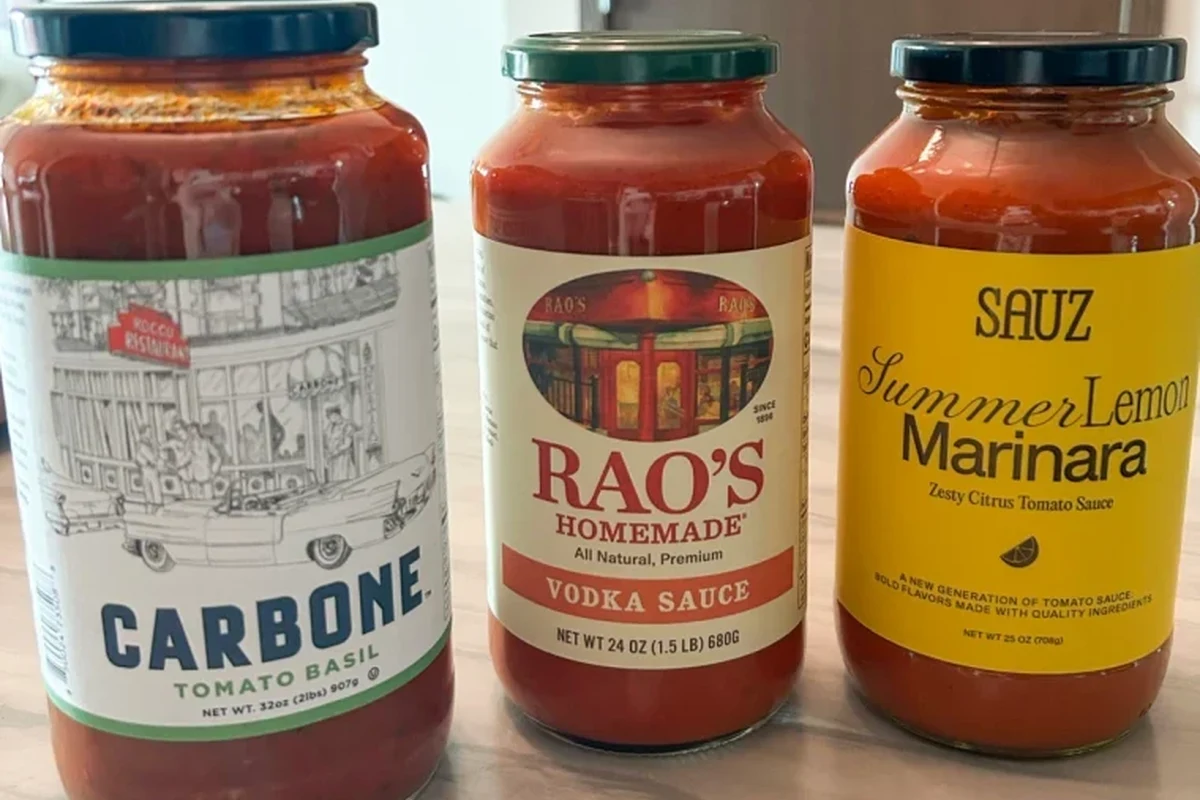
Tomato sauce is one of the biggest triggers for people with reflux. Tomatoes are naturally acidic, and cooked sauces can still feel sharp.
Garlic, onion, chili flakes, and black pepper can make that feeling worse for some people.
If you have GERD or frequent heartburn, tomato-heavy pasta meals may trigger symptoms. Talk with a clinician if symptoms keep coming back.
Meat sauces can also feel heavier because of fat. Fat slows digestion, which may increase discomfort for some people.
Cream Sauces, Pesto, and Mild Options
Cream sauces are usually less acidic than tomato sauces. They can still feel rich, though, so they are not perfect for everyone.
Pesto is often a middle ground. It is not usually very acidic, but garlic, cheese, and oil can still bother some stomachs.
- Try olive oil, herbs, and a little parmesan for a milder bowl.
- Use less sauce and more pasta when acid bothers you.
- Skip hot pepper if you already feel reflux.
Mild options like butter, olive oil, and soft herbs often work best. They keep the meal simple and easier to judge.
In short: the sauce choice matters more than the pasta shape.
Who Should Watch Their Pasta Choices More Closely
Most people can eat pasta without trouble. But some groups should pay closer attention to toppings, portion size, and timing.
That does not mean pasta is off-limits. It just means the details matter more.
People With Acid Reflux or GERD
If you deal with reflux, tomato sauce is the first thing to watch. Large meals, greasy meat, and spicy add-ons can also make symptoms worse.
A smaller serving with a mild sauce often feels safer. Eating slowly can help too.
Follow food safety rules for cooked pasta and meat sauces. Chill leftovers fast and reheat them fully.
If reflux happens often, keep a food log for a few days. That can help you spot which pasta meals cause trouble.
People With Sensitive Stomachs
Some people do not have reflux, but still feel bloated or uneasy after pasta. In those cases, the issue may be fiber, fat, dairy, or large portions.
White pasta in a simple sauce may feel easier than a heavy baked dish. That is especially true when you are already stressed or tired.
Try one change at a time. That makes it easier to see what helps.
In short: sensitive stomachs often do better with simple pasta meals and smaller portions.
How to Make Pasta Meals Less Acidic
You do not have to give up pasta to feel better. A few smart changes can make a big difference.
Think simple, mild, and balanced. That usually works best.
Smart Ingredient Swaps and Portion Tips
Start with a smaller bowl. Then build from there if you still feel fine.
Swap tomato sauce for olive oil, butter, or a light cream sauce. Add cooked vegetables like zucchini or spinach for more volume without extra acid.
- Choose milder sauces when reflux is a concern.
- Use smaller servings and eat slowly.
- Balance pasta with gentle vegetables and lean protein.
- Stacking tomato sauce, hot spice, and fried toppings together.
- Eating a very large pasta meal late at night.
- Assuming all gluten-free pasta will feel light.
If dairy bothers you, go easy on heavy cheese. If garlic bothers you, use less or leave it out.
Cooking Methods That Can Help
Cook pasta until it is tender but not mushy. Overcooked pasta can feel heavier for some people.
Drain it well before adding sauce. Then toss it with the sauce instead of drowning it.
Use plain water and salt. Skip extra acidic ingredients in the pot.
Use a small amount of sauce and add more only if needed.
Fresh pasta meals often feel lighter than long-held baked dishes.
Also, avoid lying down right after eating if reflux is a concern. That simple habit can make a real difference.
In short: mild sauce, smaller portions, and simple cooking are your best tools.
Common Mistakes People Make When Eating Pasta
One common mistake is blaming the pasta when the sauce is the real trigger. Another is eating too much at once.
People also forget about timing. A big pasta dinner right before bed can feel rough, even if lunch was fine.
Another issue is piling on many rich toppings. Cheese, sausage, cream, and spice can turn a mild meal into a heavy one.
Finally, some people switch to a different pasta type and expect instant relief. But the real fix may be changing the whole recipe.
- Plain pasta is usually low acid and gentle.
- Tomato sauce and spicy toppings cause more issues.
- Smaller portions and mild sauces often help most.
- Personal digestion matters more than a strict food label.
Final Verdict: Is Pasta a Safe Choice for Most Diets?
For most people, yes, pasta is a safe and fairly gentle choice. Plain pasta is usually not acidic in a meaningful way.
The main concern is what you add to it. Tomato sauce, heavy cheese, spicy meat, and large portions can all make a meal harder to handle.
Plain pasta is usually a good option for most diets, especially when you keep the toppings mild. If you have reflux or a sensitive stomach, choose simpler sauces and smaller servings, and check with a health professional if symptoms keep showing up.
So if you have been asking, “is pasta acidic,” the short answer is no, not usually. The better question is whether your full pasta meal is gentle enough for your body.
Frequently Asked Questions
Plain pasta is usually low acid and mild. Most people can eat it without the sharp feeling linked to acidic foods.
The sauce, cheese, meat, or spice often causes the problem, not the pasta itself. Tomato sauce is a common trigger.
Not in a major way. The bigger difference is fiber, texture, and how your body digests it.
Mild sauces like olive oil, butter, or light cream sauce often work better. Tomato-heavy and spicy sauces are more likely to bother you.
Sometimes, but not always. Rice-based pasta may feel lighter, while bean-based pasta can cause gas for some people.
If pasta meals regularly cause reflux, pain, or bloating, it helps to change the recipe or ask a health professional. Stop eating the meal if it clearly worsens symptoms.