Is Turkish Pasta Healthy Nutrition Facts You Need to Know

Turkish pasta can be healthy when you keep portions moderate and choose lighter toppings. The sauce, cheese, and add-ins matter more than the pasta alone.
Yes, Turkish pasta can be healthy. It depends on the pasta type, the sauce, and your portion size. A simple home version with vegetables, yogurt, and lean protein can fit a balanced diet well.
- Balanced meal: Turkish pasta works well with vegetables and lean protein.
- Main risk: Heavy sauces and large portions raise calories fast.
- Better choice: Whole wheat or legume pasta adds more fiber.
- Watch labels: Jarred sauces can hide sodium and added sugar.
Is Turkish Pasta Healthy? The Short Answer and What It Really Means
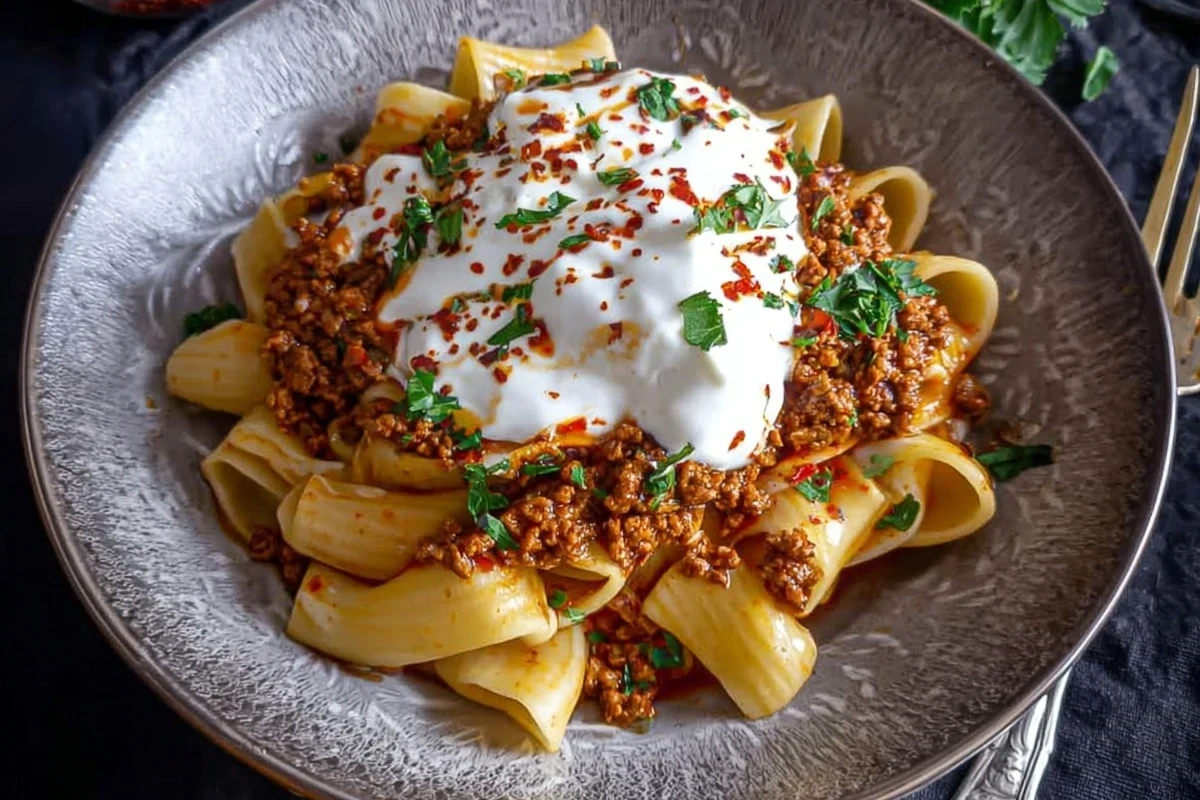
When people ask if Turkish pasta is healthy, they usually mean a few different dishes. Some mean plain pasta served in a Turkish home style. Others mean pasta with tomato sauce, yogurt, minced meat, or lots of butter.
The short answer is this. Turkish pasta can be a smart meal or a heavy one. The difference comes down to ingredients and how much you eat.
What most people mean by Turkish pasta
There is no single recipe that defines Turkish pasta. In many homes, it means pasta served with simple toppings like tomato sauce, yogurt, garlic, herbs, or ground meat. Some versions are rich and filling. Others stay light and fresh.
That range matters. A plain bowl of pasta is not the same as a creamy, cheese-heavy dish.
Quick answer for weight, blood sugar, and balanced eating
For weight control, Turkish pasta can work if you keep portions moderate. It becomes less helpful when the plate is mostly refined pasta and rich sauce.
For blood sugar, the pasta type and serving size matter a lot. Whole wheat or legume pasta usually gives more fiber than white pasta. Adding protein and vegetables can also help slow digestion.
Nutrition changes a lot by recipe. A homemade pasta dish and a restaurant plate can look similar but act very differently in your diet.
What Turkish Pasta Is Made Of and Why Ingredients Matter
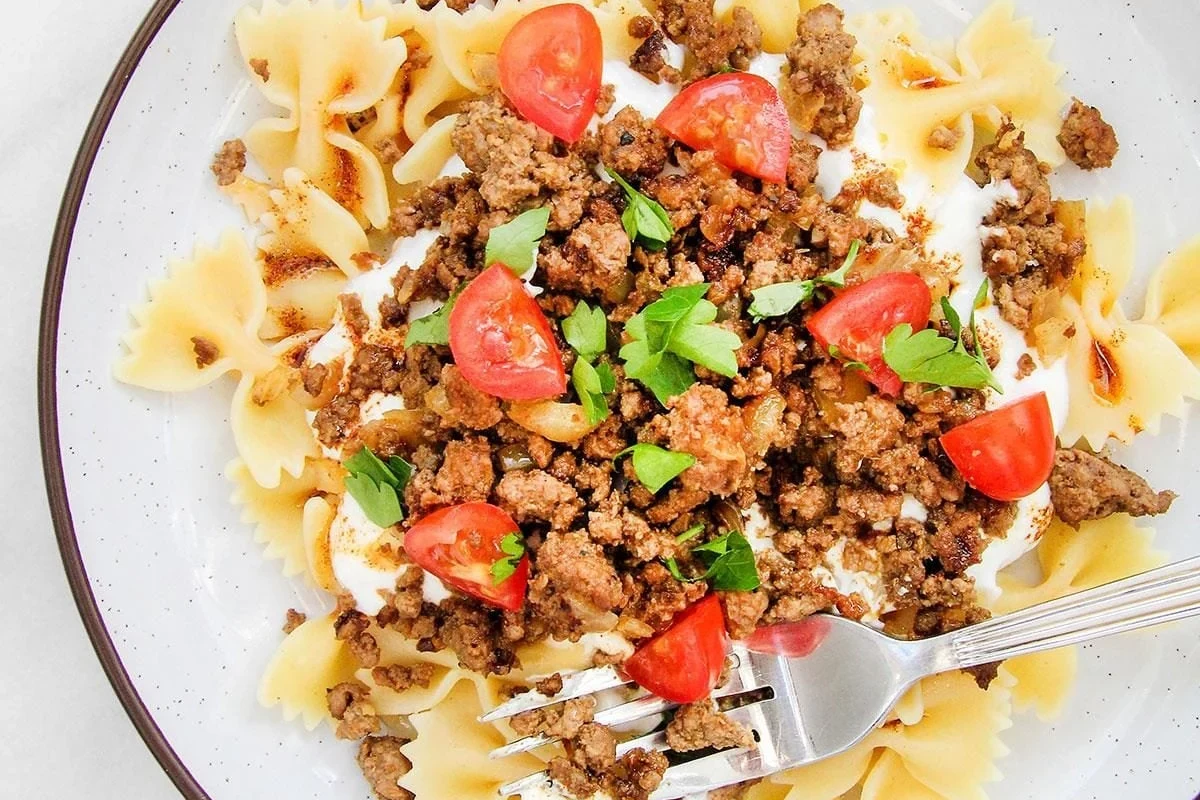
Turkish pasta dishes often start with a simple base. Then the toppings do most of the nutrition work. That means the final meal can swing from light to very rich.
Common pasta base: flour, semolina, eggs, and water
Most pasta starts with refined flour or semolina. Some fresh pasta also uses eggs and water. This base gives carbs, some protein, and a bit of iron, but not much fiber if it uses white flour.
Whole grain pasta changes that picture. It usually has more fiber and keeps you full longer.
How sauces, cheese, and meat change the nutrition
Sauce can change everything. Tomato sauce adds flavor with fewer calories than cream sauce. Yogurt adds protein and tang. Cheese, butter, and oil raise calories fast.
Meat also matters. Lean ground beef or turkey can add protein. Fatty meat or large amounts of sausage can add more saturated fat and sodium.
Portion size and serving style in Turkish home cooking
In many homes, pasta is served as part of a larger meal. It may sit beside salad, yogurt, or vegetables. That style often feels lighter than a huge restaurant bowl.
Portion size is one of the biggest factors in health. A modest serving can fit well. A giant plate can push calories and carbs much higher than you expect.
Pairing pasta with protein and fiber can help you feel full longer than pasta alone.
Nutrition Facts to Know Before You Judge It
It helps to look at the full plate, not just the noodles. Turkish pasta can be a balanced meal, but the toppings often decide the final nutrition.
Calories, carbs, protein, and fiber
Pasta is mostly a carb food. That is not bad on its own. Your body uses carbs for energy, especially if you stay active.
Protein depends on the recipe. Plain pasta has some protein, but not a lot. Add yogurt, meat, lentils, chickpeas, or cheese, and the protein goes up. Fiber stays low unless you use whole wheat or legume pasta, or add vegetables.
Sodium, fat, and added sugar from toppings
Sodium often climbs in sauces, cheese, seasoning blends, and packaged ingredients. Heavy salt use can turn a simple dish into a high-sodium meal.
Fat also varies a lot. Olive oil can be part of a healthy pattern, but too much butter, cream, or cheese adds up fast. Added sugar is less common in pasta itself, but some jarred sauces contain it.
How homemade and restaurant versions can differ
Home cooking gives you more control. You can choose the pasta type, the oil, the salt, and the toppings. That makes it easier to build a balanced bowl.
Restaurant versions often use more oil, salt, and cheese. That does not make them “bad,” but it does make them easier to overeat.
Use the pasta as the base, then build around it. Add vegetables first, protein second, and sauce last.
Health Benefits of Turkish Pasta When You Eat It Well
Turkish pasta gets a bad name only when people eat too much of the rich version. In the right form, it can be a useful, satisfying meal.
Good energy for busy days and active people
Pasta gives quick energy. That can be helpful on busy workdays, long school days, or before physical activity. If you need fuel, pasta can do that job well.
It works best when the meal is not just starch. Protein and vegetables help it feel more complete.
Easy to pair with vegetables and lean protein
This is one of pasta’s biggest strengths. It fits well with spinach, tomatoes, peppers, zucchini, broccoli, chicken, turkey, beans, or yogurt.
That makes it easy to turn one bowl into a fuller meal. You do not need a lot of fancy steps either.
Comfort food value without going overboard
Food is not only about numbers. A warm pasta dish can feel comforting and satisfying. That matters, because meals you enjoy are easier to stick with.
Comfort food can still be balanced. You just need to keep the richer parts in check.
Limits and Health Concerns to Watch
Turkish pasta is not the best fit for every person or every diet. Some versions are high in refined carbs, salt, and fat.
Refined flour and lower fiber issues
White pasta digests faster than whole grain pasta. That can leave some people hungry again sooner. It may also raise blood sugar more quickly.
If you want more fiber, choose whole wheat pasta or mix pasta with beans and vegetables.
Large portions and heavy sauces
Big portions are easy to underestimate. Pasta fills a plate fast, so it is easy to eat more than you planned.
Heavy sauces make that worse. Cream, butter, and lots of cheese can turn a simple meal into a calorie-dense one.
When gluten, dairy, or high sodium may be a problem
People with celiac disease or gluten sensitivity should avoid regular wheat pasta. Dairy can also be a problem for those who are lactose intolerant or sensitive to cheese and yogurt.
High sodium may matter for people watching blood pressure or fluid balance. In those cases, simple homemade versions are often the safer choice.
If you have a food allergy, celiac disease, or a medical diet, check every ingredient and ask a health professional if you are unsure.
How to Make Turkish Pasta Healthier at Home
You do not need to give up pasta to eat better. Small changes can make a big difference.
Better pasta choices, like whole wheat or legume pasta
Whole wheat pasta brings more fiber. Legume pasta, such as lentil or chickpea pasta, often adds more protein too. Both can help the meal feel more filling.
If you do not love the taste of these options, try mixing them with regular pasta at first.
Simple sauce swaps that cut calories and salt
Use tomato sauce, plain yogurt, or a light olive oil sauce instead of heavy cream. Fresh garlic, lemon, chili flakes, and herbs can add flavor without much salt.
If you use jarred sauce, check the label. Some sauces hide a lot of sodium or sugar.
Smart add-ins: vegetables, yogurt, herbs, and lean protein
Vegetables add fiber, color, and volume. Yogurt adds creaminess and can boost protein. Lean chicken, turkey, beans, or lentils can make the dish more filling.
Fresh herbs like parsley, dill, and mint also work well. They brighten the dish without adding much salt or fat.
- Start with half pasta and half vegetables.
- Use a smaller bowl to help control portions.
- Keep cheese as a topping, not the main event.
- Choose tomato or yogurt sauces more often than cream sauces.
Common Mistakes People Make with Turkish Pasta
Most problems come from habit, not from pasta itself. A few easy mistakes can make a good dish feel heavy.
Using too much oil, butter, or cheese
These ingredients taste great, but they add up fast. A little can help. Too much can overwhelm the whole meal.
Try measuring them once or twice. It helps you see how much you really use.
Skipping vegetables and protein
Pasta alone can leave you hungry later. That often leads to snacking soon after the meal.
Vegetables and protein help slow digestion and improve balance. They also make the plate look and feel more complete.
Eating it as a huge main dish every time
Turkish pasta can be a main dish. But it does not need to be the center of every meal.
Sometimes it works better as one part of the plate. Add salad, soup, or vegetables and keep the pasta portion smaller.
- Turkish pasta can be healthy when portions stay moderate.
- The sauce, cheese, and meat change the nutrition most.
- Whole grain pasta and vegetables improve fiber and balance.
- Homemade versions usually give you more control than restaurant plates.
Final Verdict: Is Turkish Pasta Healthy for Most People?
For most people, yes, Turkish pasta can be healthy. It works best as part of a balanced meal with vegetables, protein, and a reasonable portion.
If you eat it often, choose lighter sauces and better pasta more often. If you have gluten, dairy, or sodium concerns, adjust the recipe to fit your needs.
Best for everyday meals, special meals, or limited diets
Turkish pasta can work for everyday meals if you keep it simple. It also fits special meals when you want something warm and comforting.
For limited diets, the details matter more. Low-sodium, gluten-free, or dairy-free versions may be better depending on your needs.
Simple recommendation from the Red Kitchen Project Editorial Team
Our take is simple. Turkish pasta is a solid choice when you treat it like a balanced dish, not just a pile of noodles. Build it with fiber, protein, and smart sauces, and it can fit many eating styles well.
Turkish pasta can be a healthy meal when you keep portions steady and choose lighter toppings. The main downside is that rich sauces and large servings can push calories, salt, and fat too high.
Frequently Asked Questions
Yes, it can be. It works best when you keep portions moderate and add vegetables and protein.
Heavy sauces, lots of cheese, extra butter, and large portions can make it much richer. Refined pasta also gives less fiber than whole grain options.
Use whole wheat or legume pasta when you can. Add vegetables, lean protein, and lighter sauces like tomato or yogurt.
It can be better with whole grain pasta, smaller portions, and protein or vegetables on the plate. White pasta alone may raise blood sugar faster.
Yes, if you watch the portion size and keep rich toppings in check. A balanced bowl is easier to fit into a weight plan than a large creamy one.
People with gluten issues, dairy problems, or sodium limits may need to adjust the recipe. If you have a medical diet, check ingredients with a health professional.