Is Rice Pasta Healthy What You Need to Know

Rice pasta can be a healthy choice, especially if you need a gluten-free option. It works best when you pair it with protein, vegetables, and a simple sauce.
Yes, rice pasta can be a healthy choice. It’s especially useful if you need a gluten-free pasta that feels light and easy to digest. The catch is that rice pasta is not the most filling or nutrient-rich pasta on its own, so the rest of the meal matters a lot.
- Gluten-free fit: Rice pasta is a strong choice for gluten-free diets.
- Nutrition limits: It often has less fiber and protein than other pastas.
- Best pairing: Add protein and vegetables to make it more filling.
- Cooking watch-out: Rice pasta can turn mushy if overcooked.
Is Rice Pasta Healthy? The Short Answer
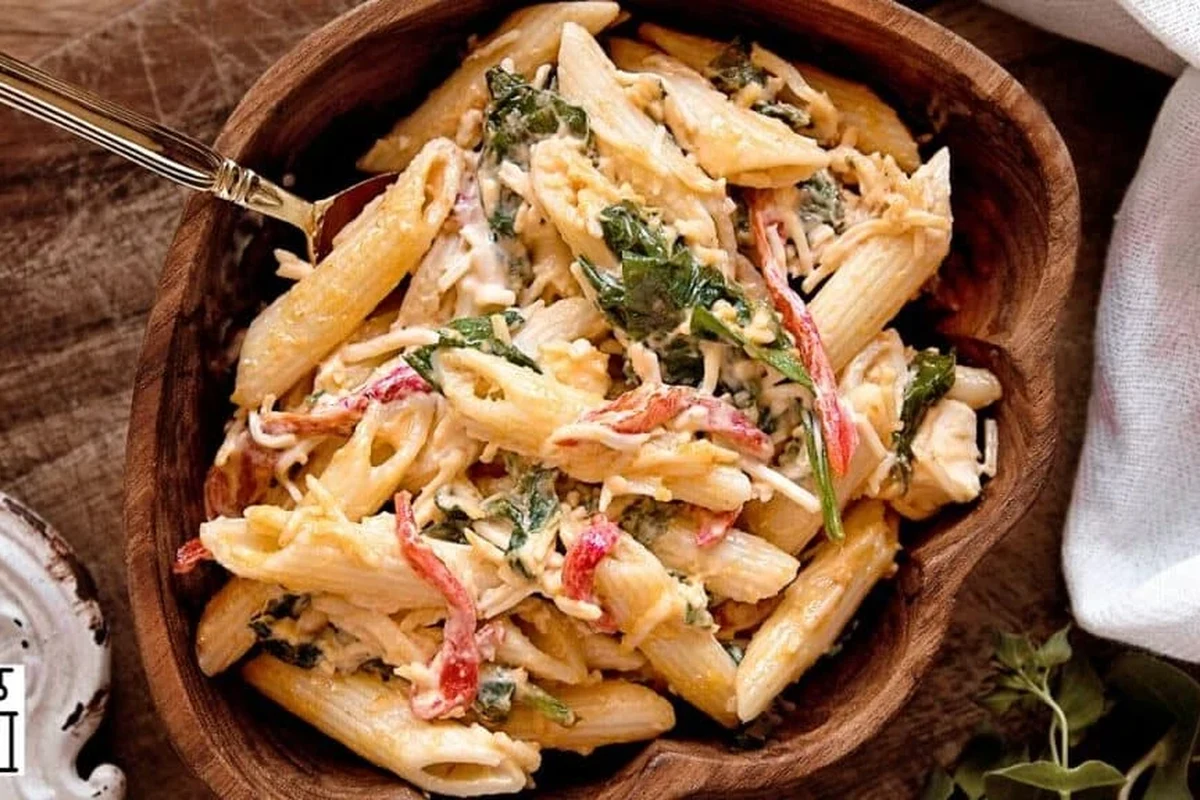
Rice pasta can fit into a healthy diet, but it depends on the type you buy and how you serve it. White rice pasta is usually more refined, while brown rice pasta keeps more of the grain.
For many people, rice pasta works best as a swap, not a health food by itself. If you pair it with protein, vegetables, and a good sauce, it can make a solid meal.
What Rice Pasta Is Made Of
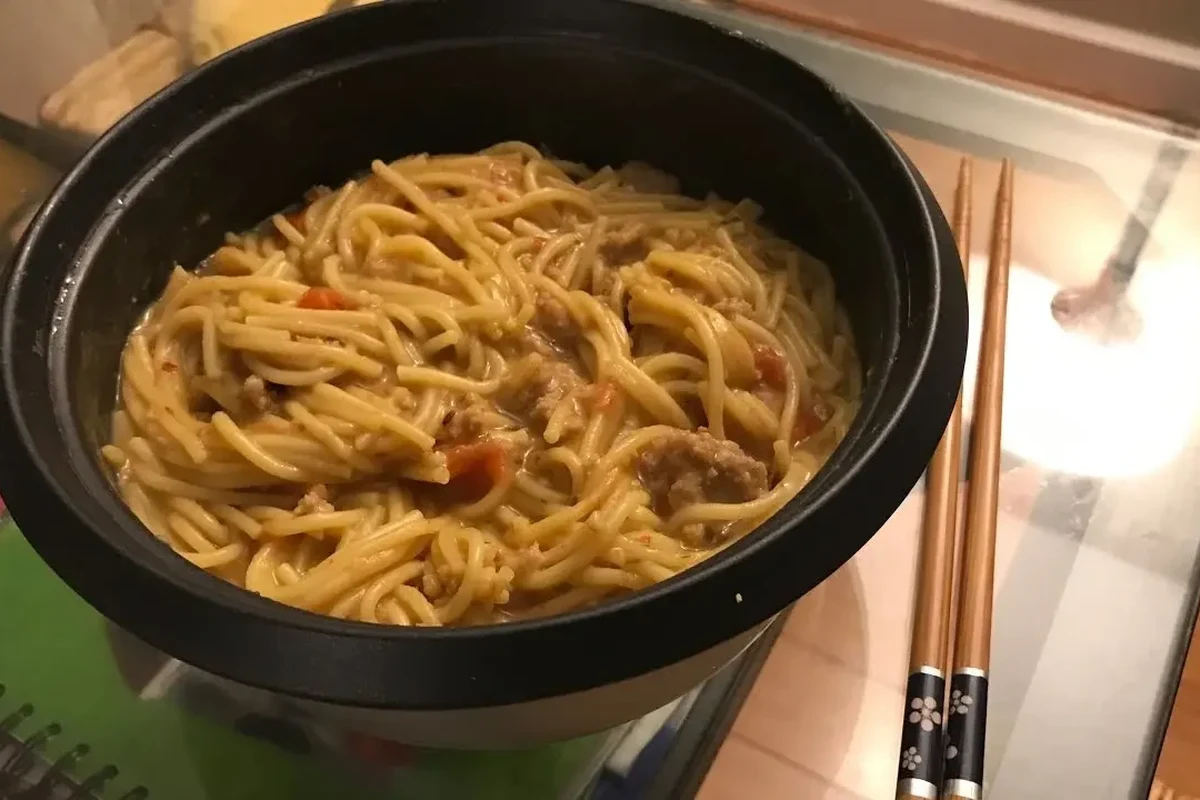
Rice pasta is usually made from rice flour and water. Some brands also add starches or gums to help the pasta hold together.
That simple ingredient list is part of its appeal. It also helps explain why the texture can feel different from wheat pasta.
White Rice Pasta vs Brown Rice Pasta
White rice pasta uses refined rice flour. It often has a softer taste and a smoother texture.
Brown rice pasta uses whole grain rice flour. It usually has a little more fiber and a nuttier flavor.
If you want the lighter taste, white rice pasta may suit you. If you want a bit more fiber, brown rice pasta is often the better pick.
Common Add-Ins and Label Terms
Some rice pastas include corn starch, tapioca starch, or other binders. These ingredients help with shape and chew.
Look for words like “gluten-free,” “whole grain brown rice,” or “enriched.” Each label tells you something different about the pasta.
Ingredient lists can vary a lot by brand. Always check the package if you avoid gluten, soy, eggs, or added gums.
Nutritional Benefits and Limits
Rice pasta has a few clear strengths. It can work well for gluten-free diets and for people who want a mild, easy meal.
It also has limits. Many rice pastas are lower in fiber and protein than legume-based or whole wheat options.
Gluten-Free and Easy to Digest
Rice pasta is naturally gluten-free when the package says so and the brand avoids cross-contact issues. That makes it a helpful choice for people with celiac disease or gluten sensitivity.
It can also feel gentle on the stomach for some people. That said, everyone reacts differently, so what feels easy for one person may not for another.
Rice is naturally free of gluten, but packaged pasta can still face cross-contact during manufacturing.
Where Rice Pasta Falls Short
Rice pasta often has less fiber than whole wheat pasta. It can also have less protein than chickpea or lentil pasta.
That means it may not keep you full for as long. If you eat it alone, you might feel hungry again sooner.
- Gluten-free when made and labeled well
- Mild flavor that fits many sauces
- Usually easy to find in stores
- Often lower in fiber
- Usually lower in protein
- Can turn soft if overcooked
How Rice Pasta Compares With Other Pasta Types
Rice pasta is not the only pasta choice, and it is not always the best one. The right pick depends on your health goals, taste, and digestion needs.
Rice Pasta vs Wheat Pasta
Wheat pasta often has more protein and more fiber, especially when it’s whole wheat. That can make it more filling.
Rice pasta wins when gluten is a concern. It also has a softer flavor, which some people prefer with light sauces.
The big difference is gluten and grain type. Wheat pasta often offers more fiber, while rice pasta offers a gluten-free option.
Rice Pasta
Best for gluten-free meals, mild flavor, and lighter sauces.
VS
Wheat Pasta
Best for more chew, more fiber, and a more classic pasta taste.
Rice Pasta vs Chickpea and Lentil Pasta
Chickpea and lentil pasta usually bring more protein and fiber. That makes them a stronger choice for fullness and blood sugar support.
Rice pasta is often smoother and more neutral in taste. If you want a clean base for a simple dinner, it may be easier to enjoy.
Rice pasta is a simple fit for light sauces and easy meals.
Chickpea or lentil pasta usually gives you more staying power.
Who Rice Pasta Works Best For
Rice pasta is a smart choice for some people and a weaker one for others. Think about your diet goals before you buy it.
Best for Gluten-Free Eaters
If you avoid gluten, rice pasta can be a very practical staple. It gives you a pasta-like meal without wheat.
It also helps when you cook for mixed groups. One pot can serve both gluten-free and wheat-eating guests if you keep sauces and tools separate.
If anyone has celiac disease, check the package for a clear gluten-free label and follow cross-contact guidance.
Best for Light Meals and Simple Sauces
Rice pasta works well with olive oil, tomato sauce, pesto, or broth-based dishes. Its mild flavor does not fight with the sauce.
It can also be a good fit for quick weeknight meals. Think of it as a blank canvas, not the star of the show.
Common Mistakes When Choosing or Cooking Rice Pasta
Rice pasta is easy to buy, but it is also easy to misjudge. The label and the cook time both matter more than many people expect.
Reading Nutrition Labels the Wrong Way
Some shoppers see “gluten-free” and assume it means healthy. That is not always true.
Check fiber, protein, and serving size. A pasta can be gluten-free and still be low in the nutrients that help you feel full.
- Check fiber and protein per serving
- Look for whole grain brown rice if you want more fiber
- Confirm gluten-free labeling if needed
- Review added ingredients if you have allergies
Overcooking and Texture Problems
Rice pasta can go from firm to mushy fast. That is one of the most common complaints.
Follow the package directions closely, then taste early. A minute too long can change the whole dish.
The pasta turns soft, sticky, or breaks apart.
Salt the water, stir early, and start checking for doneness before the timer ends.
- Use plenty of water so the pasta moves freely
- Stir right after adding the pasta
- Drain as soon as it feels tender but still firm
- Mix with sauce right away to keep the texture better
How to Make Rice Pasta a Healthier Meal
Rice pasta gets much better when you build around it. The goal is balance, not just a bigger bowl.
Best Toppings, Proteins, and Veggies
Add chicken, shrimp, tofu, beans, or eggs for protein. Then add vegetables like spinach, broccoli, peppers, or zucchini.
That mix helps the meal feel more complete. It also adds color, fiber, and more nutrients without much fuss.
Helps the meal keep you full longer.
Add fiber, volume, and better balance.
Olive oil, nuts, or avocado add flavor and richness.
Simple sauces often keep the meal lighter and cleaner.
Portion Tips and Smart Pairings
Keep the pasta portion modest if you want a lighter meal. Then fill the rest of the plate with vegetables and protein.
If you are very active, you may need a larger serving. If you want better blood sugar balance, pairing matters even more.
Final Verdict: Is Rice Pasta Healthy for Everyday Eating?
Rice pasta can be healthy enough for everyday meals, especially if you need a gluten-free option. It is best when you pair it with protein, vegetables, and a sauce that does not add too much extra salt or fat.
If you want the most filling pasta, whole wheat, chickpea, or lentil pasta may be better. But if you want a gentle, simple, and flexible option, rice pasta is a good one to keep in the pantry.
Rice pasta is a solid everyday choice for gluten-free eaters and light meals, but it works best as part of a balanced plate. If you want more fiber or protein, a legume-based or whole wheat pasta is usually the stronger pick.
Frequently Asked Questions
Not always. Rice pasta is a better fit if you need gluten-free food, but whole wheat pasta often has more fiber.
Usually, it does not. You can balance the meal by adding protein and vegetables.
Brown rice pasta usually has more fiber. White rice pasta often has a softer taste and texture.
Yes, if the package is clearly labeled gluten-free. It is also smart to check for cross-contact notes.
Cook it just until tender and taste it early. Rice pasta can soften fast if it sits too long in hot water.
Add a protein, like chicken, beans, tofu, or shrimp. Then add vegetables and a simple sauce.