Is Protein Pasta Healthy A Simple Guide to Know

Protein pasta can be a healthy choice, especially when you want more protein and fiber. It works best when you check the label and keep the rest of the meal balanced.
Yes, protein pasta can be healthy. It depends on the brand, the ingredients, and what you serve with it. For many people, it can be a smart swap when you want more protein and a more filling bowl.
That said, it’s not magic food. Some versions are close to regular pasta with a protein boost, while others use a long list of added ingredients. So the real answer is simple. Protein pasta can be healthy, but you still need to check the label and the rest of the meal.
- Protein boost: It can help you feel fuller than regular pasta.
- Label matters: Protein, fiber, sodium, and ingredients all matter.
- Texture varies: Some brands taste close to classic pasta, others do not.
- Portions still count: Healthy pasta can still mean too many calories.
- Best use: Pair it with vegetables and a simple sauce.
Is Protein Pasta Healthy? The Short Answer and What It Means
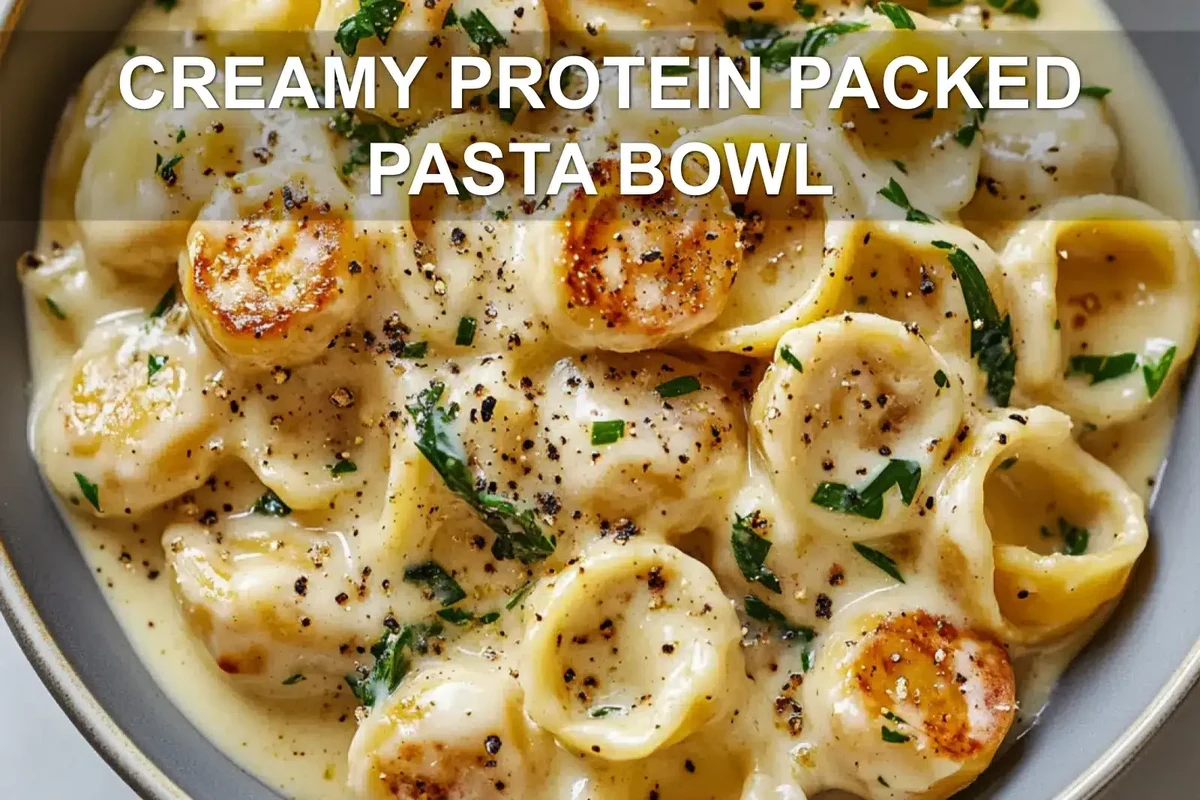
Protein pasta is often a good choice if you want more protein in a familiar meal. It may help you feel full longer than plain pasta. It can also fit well into high-protein, higher-fiber, or balanced meal plans.
However, “healthy” depends on your goal. If you want fewer calories, lower sodium, or a cleaner ingredient list, some protein pastas are better than others. The best pick is the one that fits your needs and still tastes good enough to eat often.
What Protein Pasta Is Made Of
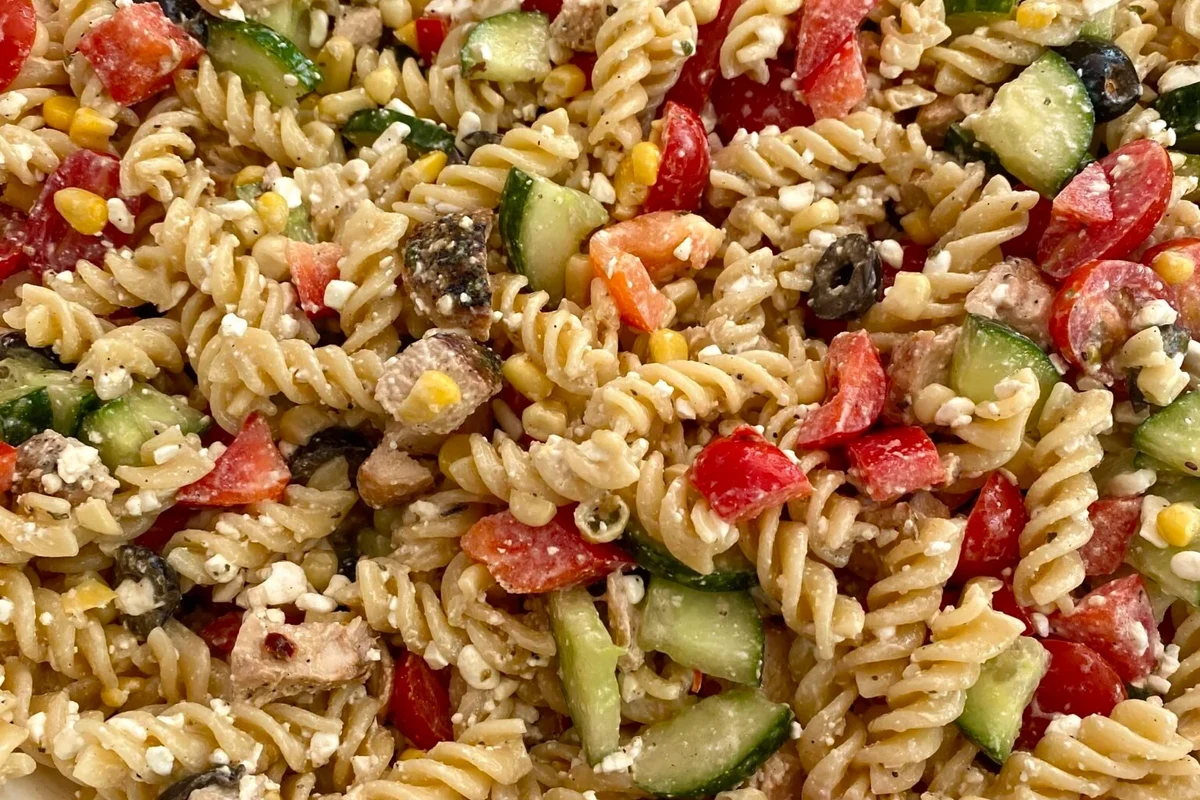
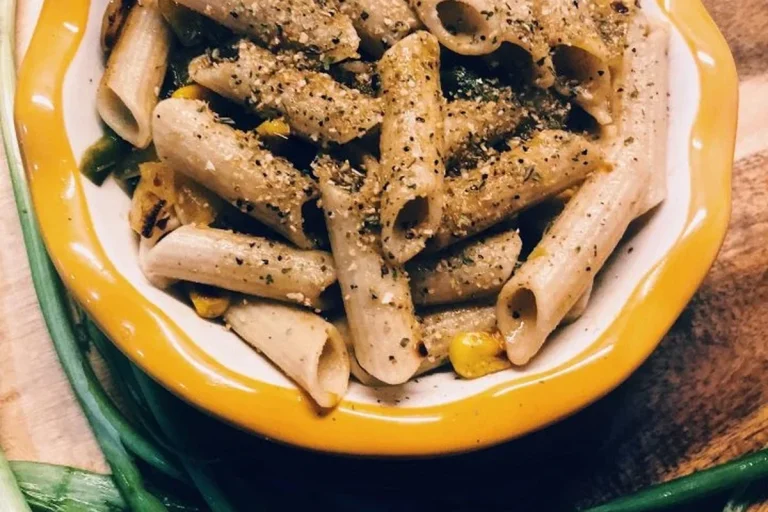
Protein pasta usually starts with a base other than plain wheat flour. Brands may use legumes, lentils, chickpeas, peas, soy, eggs, or added protein powders. Some products mix several sources to improve texture and nutrition.
That mix matters because each source changes the final taste, feel, and nutrition. A lentil pasta may taste earthy. A wheat pasta with added protein may feel more like classic pasta.
Common Ingredients and Protein Sources
Here are some of the most common protein sources you’ll see:
- Red lentils for more fiber and plant protein.
- Chickpeas for a mild nutty taste and steady texture.
- Peas for a softer flavor and plant-based protein.
- Edamame or soy for higher protein in some blends.
- Eggs or egg whites in some higher-protein wheat pastas.
- Wheat gluten or added protein isolates in certain brands.
Each source has trade-offs. Legume-based pasta often brings more fiber. Wheat-based protein pasta may feel closer to regular noodles. In short, the ingredient list tells you a lot about the eating experience.
How Protein Pasta Differs From Regular Pasta
Regular pasta usually relies on refined or semolina wheat flour. Protein pasta often swaps part or all of that flour for legumes or other protein-rich ingredients. That change can raise protein and fiber while lowering the usual starch load.
The texture can change too. Some protein pastas hold their shape well. Others can turn soft or dry if you overcook them. So cooking time matters more than many people expect.
Nutrition can vary a lot by brand. Always compare the label on the exact box you plan to buy.
Health Benefits of Protein Pasta
Protein pasta can offer real benefits, especially if your regular meals are low in protein. It can help turn a simple bowl of noodles into a more balanced dish. That makes it useful for busy weeknights.
It may also work well for people who want a plant-forward meal without giving up pasta. For example, a chickpea pasta with tomato sauce and vegetables can make an easy, satisfying dinner.
More Protein for Fullness and Muscle Support
Protein helps with fullness. That means you may feel satisfied with a smaller portion. For some people, that makes it easier to avoid extra snacking later.
Protein also supports muscle repair and daily body needs. That does not mean pasta alone builds muscle. But it can help you reach your daily protein goal when paired with other foods.
- Can increase protein without changing meals too much
- May help you feel full longer
- Works well with vegetables and lean toppings
Possible Benefits for Blood Sugar and Meal Balance
Some protein pastas may affect blood sugar less than regular refined pasta. This is often due to more protein, more fiber, and less fast-digesting starch. Still, the effect depends on the exact product and portion size.
Meal balance matters just as much. A bowl with protein pasta, vegetables, and a lean sauce will usually work better than pasta with heavy cream sauce and no produce. In other words, the whole plate counts.
Limits and Downsides to Know
Protein pasta is not perfect. Some brands cost more, taste different, or include more sodium than you’d expect. Others may be harder to digest if you’re not used to legumes.
That doesn’t make them bad. It just means you should know the trade-offs before you stock your pantry.
Calories, Fiber, and Sodium
More protein does not always mean fewer calories. Some protein pastas have similar calories to regular pasta. Others are a bit higher because of the ingredient mix.
Fiber can be a big plus, but not every product has a lot of it. Sodium can also vary a lot, especially in flavored or ready-to-serve versions. If you eat pasta often, that difference adds up.
Legume-based pasta often has more fiber than standard white pasta, but the amount depends on the brand.
Texture, Taste, and Digestive Issues
Some people love protein pasta right away. Others need time to adjust. The taste can be nutty, earthy, or slightly bean-like. The texture can also feel firmer or softer than expected.
Digestive comfort is another factor. If you’re not used to higher fiber or legumes, start with a smaller portion. Drink water and see how your body responds. If you have food allergies or a sensitive stomach, read the label carefully.
How to Tell If a Protein Pasta Is a Good Choice
The best protein pasta is the one that fits your diet, your taste, and your routine. A great label on paper means little if you won’t enjoy eating it. So look at the full picture.
Label Checks for Ingredients and Nutrition Facts
Use this simple checklist when you shop:
- Check the protein per serving.
- Look at fiber and sodium.
- Read the ingredient list.
- Watch for allergens like wheat, soy, or eggs.
- Compare serving size with your usual portion.
Also check whether the pasta is made from whole ingredients or heavily processed protein blends. Neither is always wrong. But the label should match your goals.
Best Options for Different Diet Goals
If you want more fullness, look for higher protein and fiber. If you want a closer match to regular pasta, choose a wheat-based blend. If you avoid gluten, make sure the package says gluten-free and check for cross-contact notes.
For plant-based diets, lentil, chickpea, pea, or soy pasta can work well. For a more classic texture, some mixed-grain or added-protein wheat pastas may be a better fit. The right choice depends on what matters most to you.
Common Mistakes People Make With Protein Pasta
Protein pasta can look healthier than it is if you don’t pay attention. People often assume it’s a free pass to eat more. That’s where the trouble starts.
Another common issue is ignoring the rest of the meal. A heavy sauce can turn a smart dinner into a very rich one.
Eating Too Much Because It Seems Healthier
It’s easy to serve a bigger bowl because protein pasta sounds better for you. But portion size still matters. Too much of any pasta can push calories up fast.
A better approach is to build the plate around balance. Use a normal portion of pasta, then add vegetables and a clear protein source. That gives you more volume without going overboard.
Choosing a Pasta That Is High in Salt or Additives
Some products include extra salt, gums, or flavoring agents. Those ingredients are not always a problem. But they can matter if you eat the pasta often or follow a low-sodium plan.
If you want a simpler option, choose a short ingredient list. If you’re sensitive to certain additives, compare brands before you buy. Small label differences can make a big difference in daily use.
How to Cook and Use Protein Pasta the Right Way
Protein pasta often needs careful cooking. Overcooking can make it mushy. Undercooking can make it chalky or firm in the center. The package directions are a good starting point, but taste testing helps too.
Best Sauces, Portions, and Meal Ideas
Protein pasta works well with many sauces. Tomato sauce, pesto, olive oil, and light cream sauces all pair nicely, depending on the pasta type. A bean-based pasta often tastes best with bold flavors.
Good meal ideas include:
- Protein pasta with marinara and roasted vegetables.
- Chickpea pasta with tuna, lemon, and herbs.
- Lentil pasta with spinach and garlic sauce.
- Wheat protein pasta with chicken and broccoli.
- Salt the water lightly unless the pasta is already salty.
- Stir early to prevent sticking.
- Test a piece a minute before the package time ends.
Storage, Reheating, and Leftover Tips
Leftover protein pasta can dry out faster than regular pasta. Store it in a sealed container in the fridge after it cools. Add a little sauce or water before reheating.
Reheat gently on the stove or in the microwave. Stir partway through so it heats evenly. If it smells off or sat out too long, throw it away. Food safety still matters, even with pasta.
Do not leave cooked pasta at room temperature for long periods. Refrigerate leftovers promptly and reheat them until steaming hot.
Final Verdict: Is Protein Pasta Healthy for You?
Protein pasta can be healthy for many people, especially if you want more protein, more fullness, or a better meal balance. It’s often a useful upgrade from regular pasta, but it still depends on the brand and the rest of your plate.
If you want the best result, compare labels, watch portions, and pair it with vegetables and a sensible sauce. If you have allergies, digestive issues, or a special diet, choose carefully and check the package every time. In short, protein pasta is a good tool, not a health shortcut.
Protein pasta is a healthy choice for many home cooks when it fits your diet and you keep portions balanced. If you want the closest match to classic pasta, choose a brand with a simple ingredient list and moderate sodium.
Frequently Asked Questions
It can be, especially if you want more protein and fiber. The answer depends on the brand, the serving size, and what you eat with it.
Check protein, fiber, sodium, and the ingredient list. Also look for allergens like wheat, soy, eggs, or legumes.
Not always. Some brands taste close to regular pasta, while others have a nutty or bean-like flavor.
It can, especially if you are not used to more fiber or legumes. Start with a smaller portion and drink water.
Follow the package time, then taste test near the end. It can turn mushy if you overcook it.
Use balanced toppings like vegetables, lean protein, and a sauce you enjoy. That helps make the meal more filling and complete.