Is Brown Rice Pasta Healthy A Simple Guide to Know

is brown rice pasta healthy is easiest to understand by checking the intended use, important specifications, real limitations, safety guidance, and maintenance needs.
Yes, brown rice pasta can be a healthy choice. It works well for many people, especially if you need a gluten-free pasta and want a simple pantry staple. Still, it is not a magic health food. The real answer depends on the brand, the portion size, and what you serve with it.
In short: brown rice pasta can fit a healthy diet, but it is best when you treat it like one part of a balanced meal.
- Match the use: Choose advice and features that fit your household and cooking habits.
- Verify details: Check the exact model, manual, dimensions, warranty, and safety instructions.
- Consider upkeep: Cleaning and maintenance affect convenience and long-term value.
- Know the limits: Results vary by appliance, ingredients, batch size, and technique.
Is Brown Rice Pasta Healthy? The Short Answer
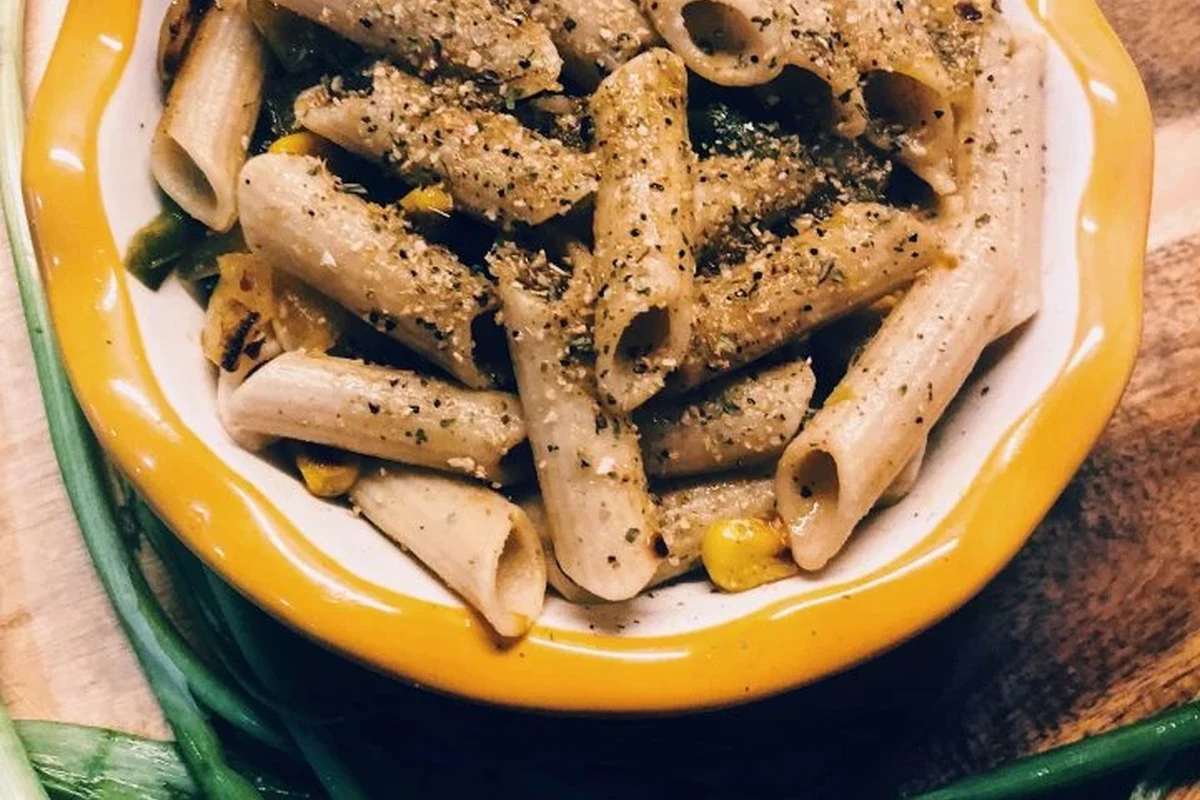
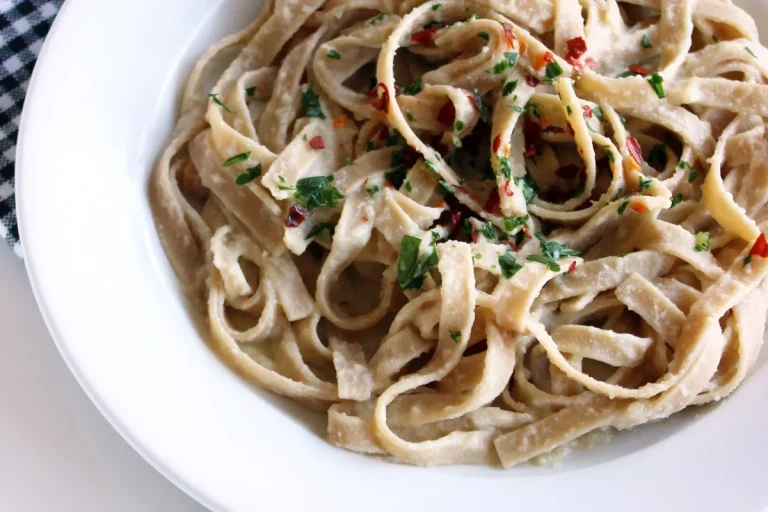
Brown rice pasta is often a better pick than refined white pasta for some eaters. It usually gives you more fiber and a slightly nuttier taste. It also avoids wheat, so it can help people who need gluten-free meals.
But it still counts as a pasta made from starch. That means it can raise blood sugar and fill you up fast if the portion is large. So, it is healthy in the right setting, not on its own.
In short: it can be a smart choice, but the full meal matters more than the pasta alone.
What Brown Rice Pasta Is Made Of
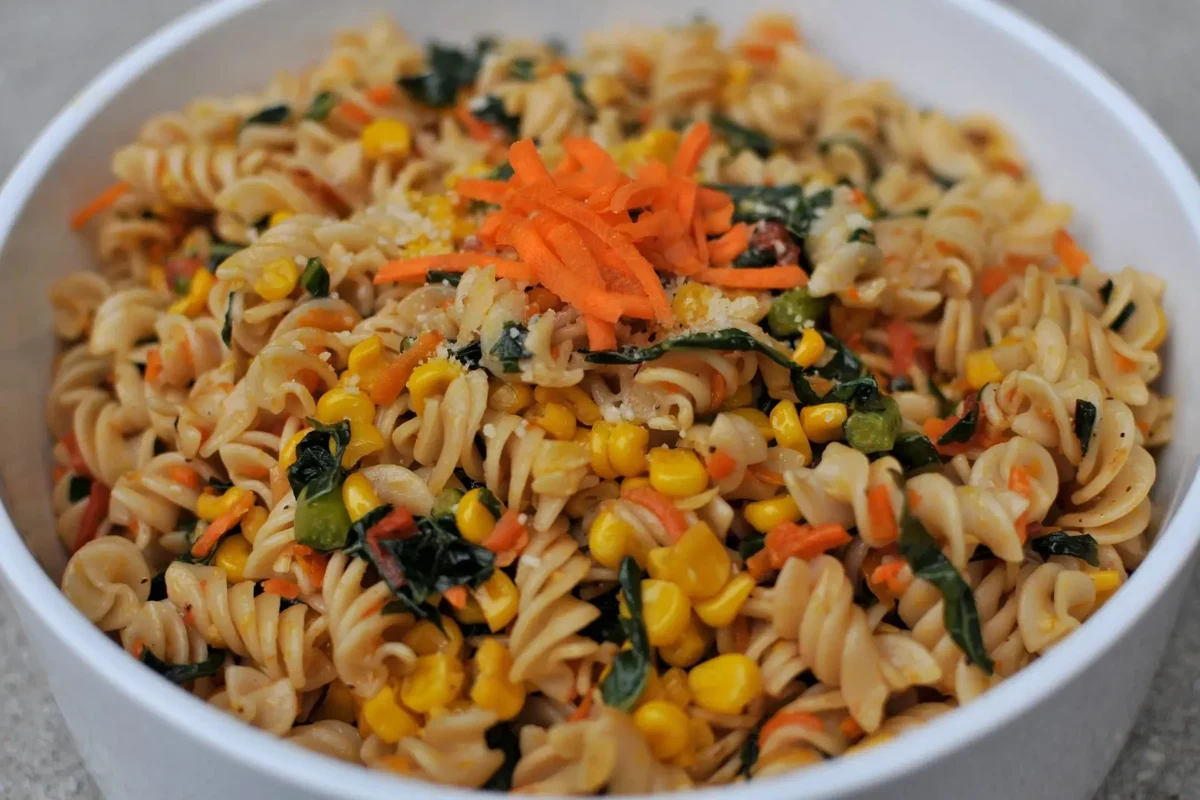
Brown rice pasta usually starts with brown rice flour. Some brands also add water, tapioca starch, corn flour, or other binders to help the noodles hold together. That mix changes the texture and cooking feel from brand to brand.
Because the ingredient list is short, it can look very clean on the shelf. Still, short labels do not always mean better nutrition. You should check the whole package, not just the front.
Key Ingredients to Look For
When you shop, look for a short ingredient list you can read easily. The main ingredient should usually be brown rice flour.
- Brown rice flour as the main ingredient
- Simple binders like tapioca or corn starch
- Low added sodium if you want more control
- Allergen notes if your kitchen needs them
Some brands add extra grains or legumes. That can boost protein or fiber. It can also change the taste and cooking time.
How It Differs From Wheat Pasta
Wheat pasta comes from durum wheat semolina. Brown rice pasta comes from rice, so it has no gluten.
That difference changes more than allergy use. Wheat pasta often has a firmer bite and better stretch. Brown rice pasta can taste lighter and sometimes softer or more fragile.
- Gluten-free for wheat-free diets
- Often easy to find in stores
- Works in many classic pasta dishes
- Texture can turn soft fast
- Some brands taste plain
- Usually less protein than bean pasta
In short: wheat pasta and brown rice pasta are useful for different needs.
Nutrition Facts That Matter Most
The healthiest pasta is the one that fits your diet and keeps you satisfied. For brown rice pasta, the biggest nutrition points are calories, fiber, protein, and how fast it digests.
Exact numbers vary by brand. Always check the label, since added grains or legumes can change the values a lot.
Calories, Fiber, and Protein
Brown rice pasta usually has a similar calorie count to many other dried pastas. The bigger difference often shows up in fiber and protein.
Some brown rice pastas have a bit more fiber than regular refined pasta. That can help you feel full longer. Protein is usually modest unless the brand blends in lentils, chickpeas, or other higher-protein ingredients.
Helps with fullness and can support better meal balance.
Usually modest, so pair it with beans, meat, tofu, or cheese.
In short: brown rice pasta can help, but it is not a high-protein food by itself.
Carbs, Glycemic Impact, and Satiety
Brown rice pasta is still mostly carbohydrate. That means it can affect blood sugar, especially if you eat a large bowl alone.
Fiber, fat, and protein in the full meal can slow digestion. That helps with satiety and may soften the blood sugar rise. For example, pasta with salmon and vegetables will usually feel more balanced than pasta with only sauce.
Cooling cooked pasta before eating can change its starch structure a little. That may affect how your body digests it.
In short: the pasta matters, but the rest of the plate matters too.
Health Benefits of Brown Rice Pasta
Brown rice pasta can earn a place in a healthy kitchen for a few simple reasons. It is easy to store, easy to cook, and useful for people who avoid gluten.
It also gives you a familiar pasta shape without wheat. That makes it easier to keep family meals simple.
Good Choice for Gluten-Free Diets
If you avoid gluten, brown rice pasta can be a helpful swap. It lets you keep pasta night on the menu without using wheat.
That matters for people with celiac disease or gluten sensitivity. It also helps if you cook for mixed diets and want one pasta that many guests can eat.
Not every brown rice pasta is made in a gluten-free facility. If cross-contact matters, check the package carefully.
In short: it is a practical gluten-free pantry option, but labels still matter.
When It Can Fit a Balanced Meal
Brown rice pasta fits best when it sits next to other real foods. Think vegetables, protein, and a sauce that adds flavor without drowning the plate.
Here are a few easy pairings:
- Tomato sauce with turkey or lentils
- Olive oil, garlic, and broccoli
- Pesto with chicken and peas
- Marinara with mushrooms and spinach
This kind of meal gives you more staying power. It also makes the pasta feel more satisfying.
- Add a protein source to slow digestion.
- Use vegetables to boost volume and nutrients.
- Keep portions moderate if you want steadier energy.
Limits and Possible Downsides
Brown rice pasta is not perfect. The most common complaints are texture, taste, and cooking trouble. Some people also worry about arsenic in rice-based foods.
Those concerns do not mean you must avoid it. They just mean you should use it with some care.
Texture, Taste, and Cooking Challenges
Brown rice pasta can go from firm to mushy fast. That is one of the biggest reasons people dislike it.
It can also feel a little grainy or break apart if you overcook it. Different brands behave differently, so the box instructions matter more than usual.
The pasta turns soft, sticky, or breaks apart.
Check early, stir gently, and stop cooking when it is still a little firm.
In short: brown rice pasta needs close attention at the stove.
Arsenic Concerns and How to Reduce Risk
Rice can absorb arsenic from soil and water. That does not mean brown rice pasta is unsafe by default. It does mean variety is smart.
You can reduce risk by rotating grains. Use brown rice pasta some weeks, then switch to wheat pasta, chickpea pasta, or whole grains like quinoa. Rinsing pasta after cooking is not usually needed, but cooking it in plenty of water and draining well may help lower some surface starch and residue.
For babies, young children, and anyone with a rice-heavy diet, ask a health professional for diet guidance.
In short: variety is the safest long-term approach.
How to Choose the Best Brown Rice Pasta
The best brown rice pasta is the one that fits your diet, your taste, and your cooking habits. A good box should be simple, sturdy enough for your sauce, and worth the shelf space.
Do not buy based on the front label alone. The back panel tells you much more.
Labels, Brands, and Ingredient Checks
Start with the ingredient list. Brown rice flour should lead the list if you want a true rice-based pasta.
Then check for gluten-free certification if that matters in your home. Also look at the shape. Some shapes hold sauce better than others.
If you often cook for kids, choose a shape that is easy to eat and hold onto sauce. If you want a heartier meal, look for blends with lentils or chickpeas.
Price, Value, and Pantry Use
Brown rice pasta often costs more than basic wheat pasta. The value question is whether it solves a real need in your kitchen.
If you need gluten-free meals, the extra cost may make sense. If you just want a healthier pasta, compare it with whole wheat, bean pasta, or a smaller portion of regular pasta plus more vegetables.
In short: buy it for the job it does best, not because it sounds healthier on the box.
How to Cook It So It Tastes Better
Good cooking makes a big difference with brown rice pasta. A few small steps can help you avoid mushy noodles and bland flavor.
Think gentle cooking, careful timing, and a sauce that brings the dish together.
Simple Cooking Tips That Help Texture
Use a large pot with plenty of boiling water. Stir early so the noodles do not clump.
Start checking a minute or two before the package says they will be done. Brown rice pasta can overcook fast. Drain it as soon as it reaches a pleasant bite.
Give the pasta room so it cooks evenly.
Keep strands or shapes from sticking together.
Stop when the pasta still has a little bite.
- Use a timer as a guide, not a rule
- Drain right away when texture feels right
- Serve soon after cooking for best results
- Walking away during the last minutes
- Letting it sit in hot water too long
- Expecting every brand to cook the same way
In short: careful timing is the secret to better brown rice pasta.
Best Sauces and Add-Ins for Balance
Brown rice pasta tastes better with bold but balanced sauces. Tomato sauce, pesto, garlic oil, and creamy sauces all work if you add enough flavor.
Try these add-ins for a more complete meal:
- Roasted vegetables for color and fiber
- Beans or chicken for protein
- Parmesan or nutritional yeast for umami
- Fresh herbs for a brighter finish
A little acid helps too. Lemon juice or a spoon of tomato paste can make the dish taste less flat.
In short: strong sauce and smart add-ins can make brown rice pasta much more satisfying.
Final Verdict: Who Should Eat Brown Rice Pasta?
Brown rice pasta is a healthy choice for many people, especially if you need gluten-free pasta or want a simple swap for wheat pasta. It can also work well in balanced meals with vegetables and protein.
It is less ideal if you want the highest protein, the firmest texture, or the lowest cost. If that sounds like you, bean pasta, whole wheat pasta, or smaller portions of regular pasta may fit better.
Brown rice pasta is a solid pantry option for gluten-free cooking and easy weeknight meals. Choose it for convenience and diet needs, but pair it with protein and vegetables for the best result.
In short: yes, brown rice pasta can be healthy. Just judge it by the full meal, not the noodle alone.
Frequently Asked Questions
Start with the intended use, capacity, controls, safety instructions, cleaning needs, and limits that apply to the exact model or method.
The best fit depends on household size, available counter space, cooking habits, budget, and how often the appliance or method will be used.
A common mistake is following generic advice without checking the manual, model specifications, food quantity, or real-world space and power limits.
Use a stable heat-safe surface, keep vents clear, follow the manual, allow hot parts to cool, and never use damaged cords or plugs.
Stop using it if you notice smoke, sparking, a damaged cord, repeated overheating, unusual burning smells, or another serious fault. Contact the manufacturer or a qualified repair professional.
Review the manual and current product information whenever the model, ingredients, usage pattern, safety guidance, price, or warranty details change.