Is Lentil Pasta Healthy Benefits Nutrition and Taste

Yes, lentil pasta is healthy for many people because it usually has more protein and fiber than wheat pasta. It’s best when you like the taste, tolerate the fiber, and cook it carefully.
Yes, lentil pasta can be a healthy choice for many people. It usually offers more protein and fiber than regular wheat pasta, which can help you feel full and support steadier energy.
That said, it’s not perfect for everyone. The best choice depends on your digestion, your goals, and the exact ingredients on the box.
- More filling: Protein and fiber can help you stay full longer.
- Label matters: Ingredients and allergen notes vary by brand.
- Texture differs: Lentil pasta is firmer and can overcook fast.
- Not for everyone: Sensitive stomachs may need smaller portions.
Is Lentil Pasta Healthy? The Short Answer
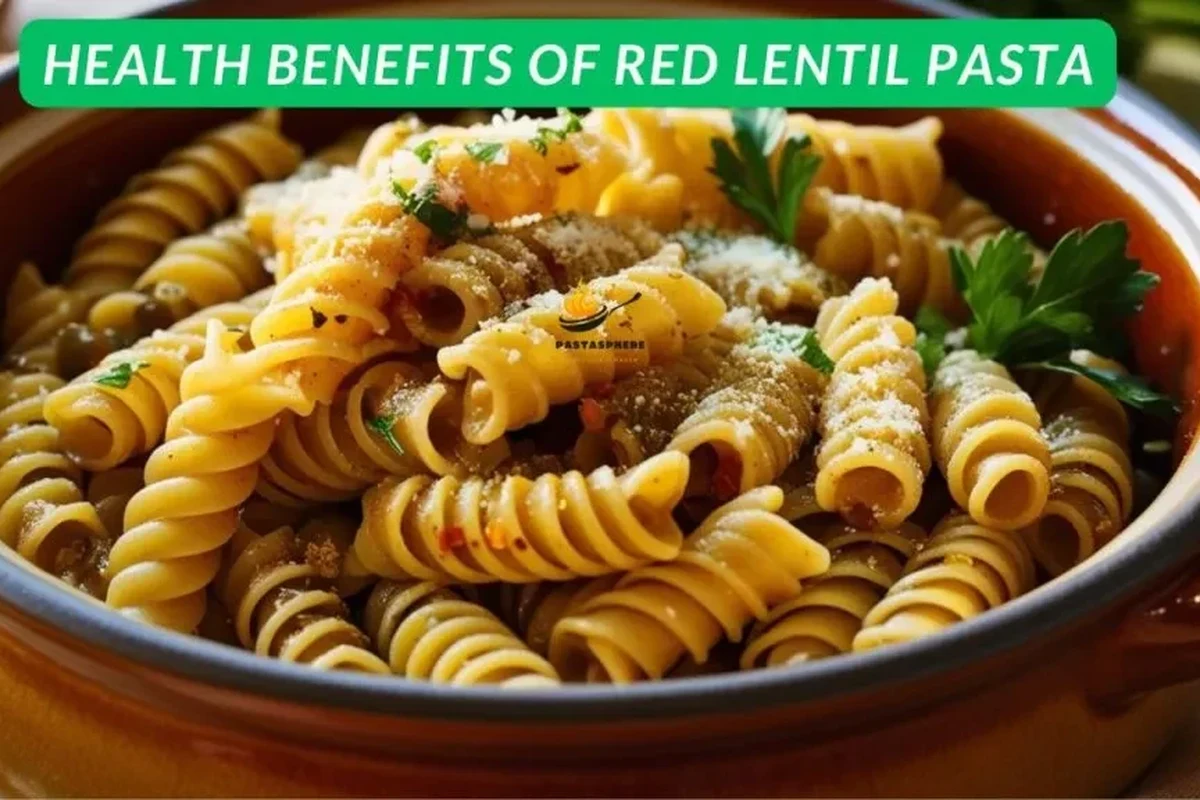
Lentil pasta is often healthier than standard pasta if you want more protein and fiber. It can fit well in balanced meals, especially when you pair it with vegetables, healthy fats, and a simple sauce.
Still, healthy doesn’t mean “best for every person.” Some brands taste better than others, and some people find legume pasta harder to digest.
What Lentil Pasta Is Made Of and How It Differs From Regular Pasta
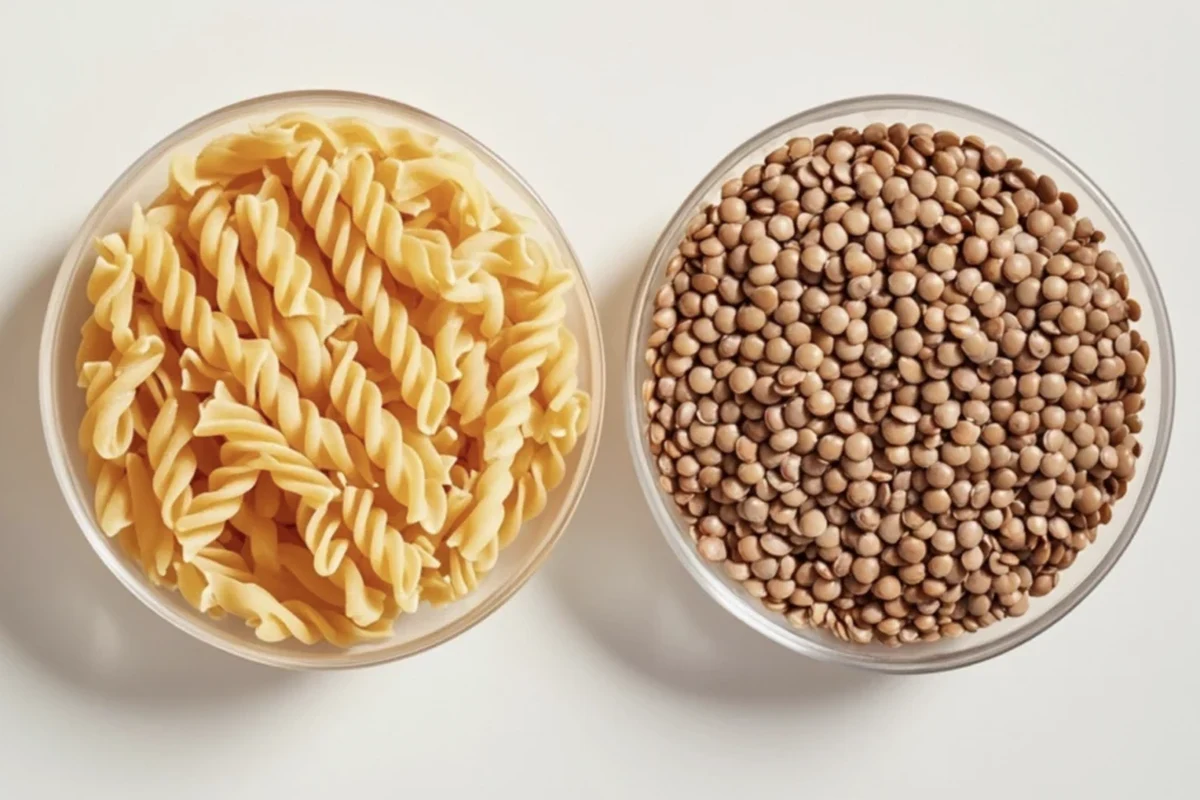
Lentil pasta is usually made from lentil flour. Some brands use red lentils, green lentils, or a mix with other legumes or grains.
Regular pasta is usually made from wheat flour, often semolina. That difference changes the protein, fiber, texture, and cooking behavior.
Key ingredients to look for on the label
Start with the first ingredient. In many cases, the best sign of a true lentil pasta is simple wording like “red lentil flour” or “lentil flour.”
Some products mix lentils with rice, corn, chickpeas, or tapioca. That can change the taste and nutrition, so the label matters.
- Look for lentil flour near the top of the list
- Check for added grains if you need gluten-free pasta
- Watch for extra sodium in flavored blends
- Compare serving size, since brands can vary
How lentil pasta is made and why that matters
Most lentil pasta starts with dried lentils that are milled into flour. The flour is then shaped and dried into pasta forms.
That process keeps the food simple, but it also affects texture. Since lentil flour has no gluten, the pasta can break more easily if overcooked.
Legume pastas often cook faster than wheat pasta, so timing matters a lot.
Nutrition Breakdown: Protein, Fiber, Carbs, and Calories
The big nutrition win with lentil pasta is usually protein and fiber. Those two nutrients help make a bowl of pasta feel more filling.
Exact numbers vary by brand, shape, and serving size. Always check the package, because one pasta can differ quite a bit from another.
How lentil pasta compares with wheat pasta
Compared with regular wheat pasta, lentil pasta often has more protein and fiber. It may also have a different carb profile, depending on the brand.
Wheat pasta often has a softer bite and a more familiar flavor. Lentil pasta usually feels denser and more earthy.
| Option | Best For | Key Consideration |
|---|---|---|
| Lentil pasta | Higher protein and fiber meals | Texture and digestibility vary by brand |
| Wheat pasta | Classic taste and softer bite | Usually lower in protein and fiber |
What the numbers mean for everyday eating
More protein can help a meal feel more balanced. More fiber can also help slow down digestion, which may support steadier hunger levels.
But nutrition only matters if you’ll actually enjoy eating it. If the taste turns you off, you may end up wasting food or adding too much sauce to cover it.
- Can add more protein to a simple pasta meal
- Can bring more fiber than standard pasta
- Works well with vegetables and lean sauces
Health Benefits of Lentil Pasta
Lentil pasta can support a more filling meal with fewer refined carbs than some regular pasta options. That makes it appealing for busy weeknights when you want dinner to work harder for you.
It also fits many plant-based eating styles because it uses legumes instead of animal protein.
Why it may help with fullness and blood sugar
Protein and fiber often help people feel full longer. That can make it easier to avoid snacking right after dinner.
For some eaters, a higher-fiber pasta may also feel more balanced than a refined grain pasta. Still, blood sugar response depends on the full meal, not just the pasta.
Why it can fit high-protein and plant-based diets
Lentil pasta can help vegans and vegetarians add more protein without using meat. It can also be useful for anyone trying to build a more filling bowl.
It’s a simple swap in many recipes. You can use it in marinara bowls, pasta salads, and baked dishes, as long as you watch the cooking time.
- Pair lentil pasta with olive oil, vegetables, or lean protein
- Use lighter sauces if you want the lentil flavor to stay mild
- Try smaller portions first if you’re new to legume pasta
Limits, Drawbacks, and Who Should Be Careful
Lentil pasta is not always the best fit. The same fiber that helps some people can bother others.
If you have a sensitive stomach, you may need to start with a smaller serving.
Digestive issues and fiber sensitivity
Some people feel bloated or gassy after eating more legumes. That’s common when your body isn’t used to that much fiber.
If that happens, try a smaller portion and drink enough water. You can also build up slowly over a few meals.
If a food causes strong or repeated digestive pain, stop eating it and ask a health professional for advice.
Allergies, gluten concerns, and label checks
Lentils are not wheat, so many lentil pastas are gluten-free. But not all brands are safe for gluten-free diets, especially if they share equipment with wheat.
Always read the package for allergen notes. If you have celiac disease or a serious allergy, verify the label and the manufacturer’s statements before buying.
Gluten-free status can vary by brand, recipe, and factory setup. The box should say what you need to know.
Taste, Texture, and Cooking Performance
Lentil pasta tastes different from wheat pasta. That’s the biggest reason people either love it or leave it on the shelf.
It can be a smart pantry staple if you know what to expect and cook it with care.
What to expect in flavor and mouthfeel
The flavor is usually mild, but it can taste earthy or bean-like. Red lentil pasta often tastes a little softer and sweeter than green lentil versions.
The texture is usually firmer and less stretchy than wheat pasta. If you expect exact spaghetti-house texture, you may be disappointed.
- Hearty bite that works well with thick sauces
- Mild flavor in many red lentil pastas
- Good option for protein-focused meals
- Can taste earthy to some eaters
- Overcooks faster than wheat pasta
- Can break apart if handled too roughly
Best cooking tips to avoid mushy pasta
Use plenty of water and stir early. That helps keep the pieces from sticking together.
Start checking for doneness a minute or two before the box time ends. Lentil pasta can go from firm to soft very fast.
- Salt the water lightly if the package allows it
- Drain as soon as the pasta is tender
- Mix with sauce right away to prevent clumping
- Boiling it far past the package time
- Leaving it in hot water after draining
- Rinsing unless the recipe calls for it
How to Choose a Good Lentil Pasta in 2026
The best lentil pasta is the one that fits your goals, tastes good to you, and cooks the way you want. In 2026, there are many more options, so label reading pays off.
If you shop carefully, you can usually find a solid balance of taste, nutrition, and value.
Best label checks for quality and value
Look for a short ingredient list when possible. Simple formulas often make it easier to predict taste and texture.
Also check the serving size, protein, fiber, and allergen notes. If a box looks healthy only because the serving is tiny, that can be misleading.
When lentil pasta is worth the price
Lentil pasta is worth it when you want a more filling bowl and don’t mind paying a bit more for better nutrition. It can be especially useful if you’re trying to eat more plant protein.
If you mainly want the cheapest pantry pasta, regular wheat pasta may still make more sense. The better value depends on what you eat most often.
Choose lentil pasta and pair it with vegetables or a simple sauce.
Choose wheat pasta, especially for picky eaters or classic recipes.
Final Verdict: Should You Eat Lentil Pasta Regularly?
Lentil pasta is a healthy choice for many people, especially if you want more protein, more fiber, and a plant-based pasta option. It works best when you like the taste and your stomach handles it well.
If you want a simple rule, here it is: choose lentil pasta for nutrition, but choose it only if you’ll enjoy eating it. For many home cooks, that makes it a strong regular pantry option.
Lentil pasta is a smart, nutritious swap for many meals. It’s best for shoppers who want more protein and fiber, while wheat pasta still wins for classic texture and easy comfort.
Frequently Asked Questions
Often, yes. Lentil pasta usually has more protein and fiber than wheat pasta, which can make it a more filling choice.
Not exactly. It usually tastes a bit earthy and has a firmer texture than wheat pasta.
It can for some people. The higher fiber content may cause gas or bloating if you are not used to legumes.
Many lentil pastas are gluten-free, but not all are safe for gluten-free diets. Check the label for wheat warnings and cross-contact notes.
Cook it in plenty of water and start checking early. Drain it as soon as it is tender and sauce it right away.
It is worth buying if you want more protein, more fiber, or a plant-based pasta option. If you want the most familiar pasta taste, regular wheat pasta may be better.