Is Fresh Pasta Healthier Than Dried Pasta and Why

Fresh pasta is not automatically healthier than dried pasta. The better choice depends on ingredients, portion size, and the sauce you serve with it.
Fresh pasta is not always healthier than dried pasta. It depends on the recipe, portion size, and what you serve with it. In many homes, dried pasta can be the better everyday choice, while fresh pasta can be a better fit for special meals or soft-texture dishes.
- Not automatic: Fresh pasta is not always healthier than dried pasta.
- Ingredients matter: Flour type and eggs change nutrition more than freshness.
- Meal balance matters: Vegetables, protein, and sauce affect health most.
- Best value: Dried pasta usually wins for storage and everyday use.
- Best texture: Fresh pasta works well for soft, rich, special dishes.
Is Fresh Pasta Healthier Than Dried Pasta? The Short Answer
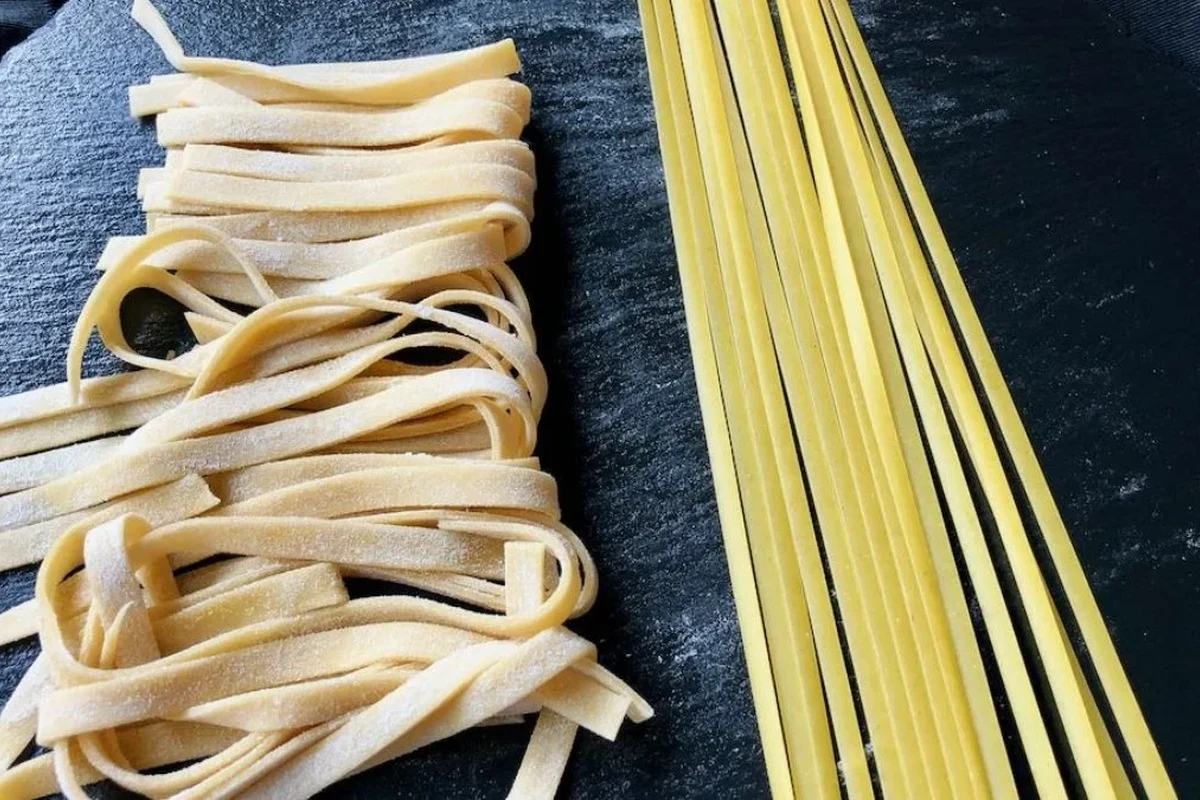
The short answer is no, not by default. Fresh pasta often has more moisture and may use eggs, so it can taste richer and feel softer. But that does not make it automatically better for your body.
Dried pasta is usually made from durum wheat and water. It often has a firmer bite and can work well in larger portions without adding extra fat. If you want more fiber or protein, the real answer often comes from the type of flour and the sauce, not from fresh or dried alone.
What Fresh Pasta and Dried Pasta Are Made Of
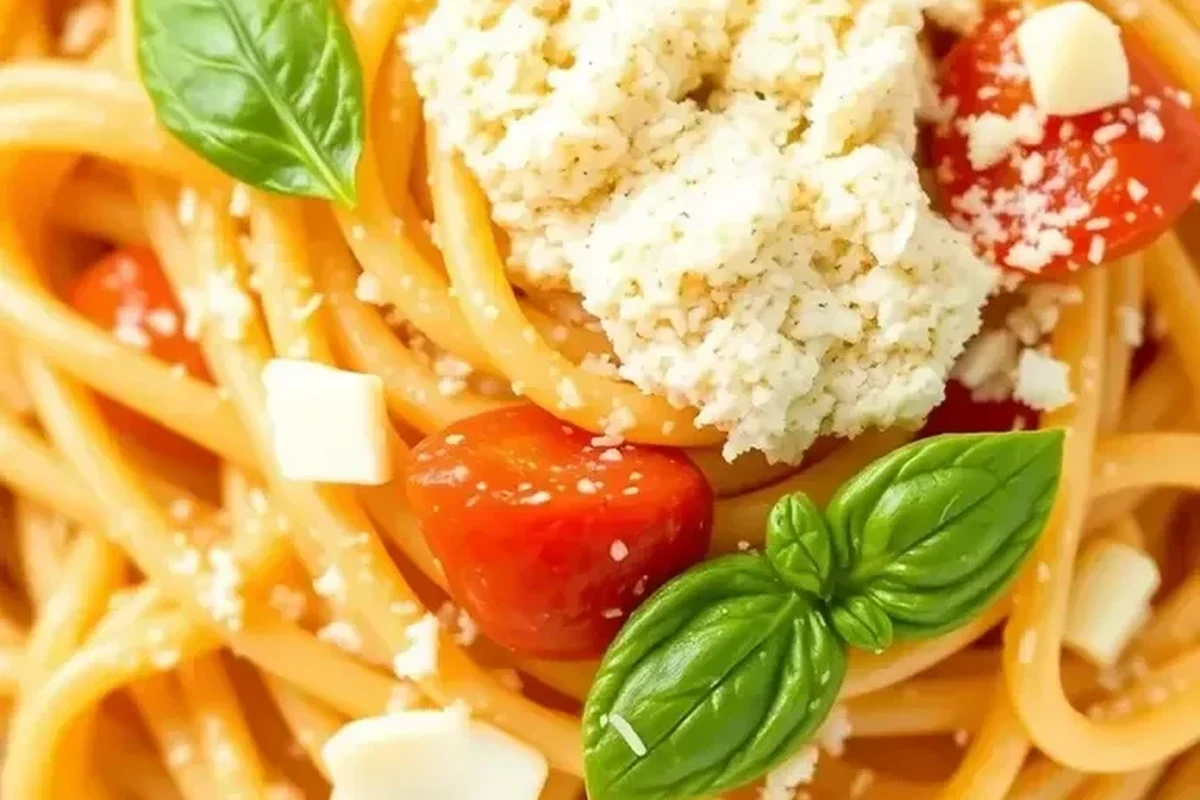
Both kinds of pasta start with simple ingredients. The main difference is how much water they hold and whether the dough includes eggs or other rich add-ins.
That small change affects texture, shelf life, cooking time, and sometimes nutrition. It also changes how the pasta behaves with sauce.
Common Ingredients in Fresh Pasta
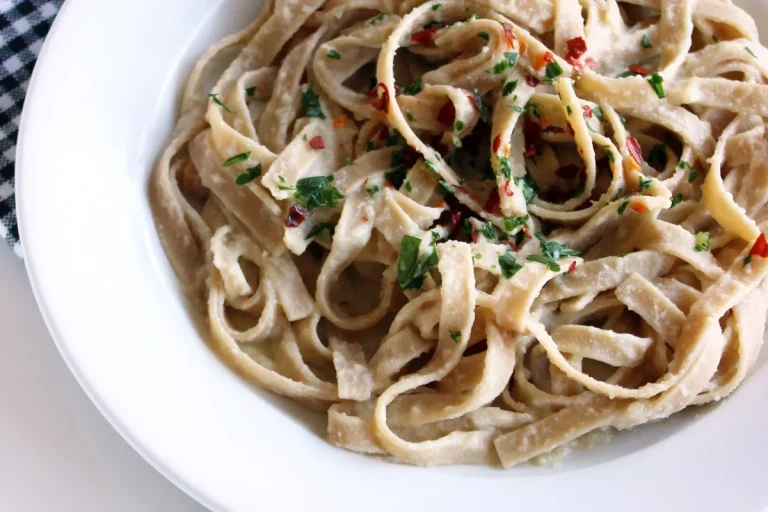
Fresh pasta usually includes flour and eggs. Some versions use only flour and water, while others add olive oil, spinach, tomato, or herbs.
Because fresh pasta is soft and perishable, it needs careful storage. It may be sold refrigerated, frozen, or made at home and used quickly.
Fresh pasta recipes vary a lot. Egg-rich doughs often feel more tender and taste more filling.
Common Ingredients in Dried Pasta
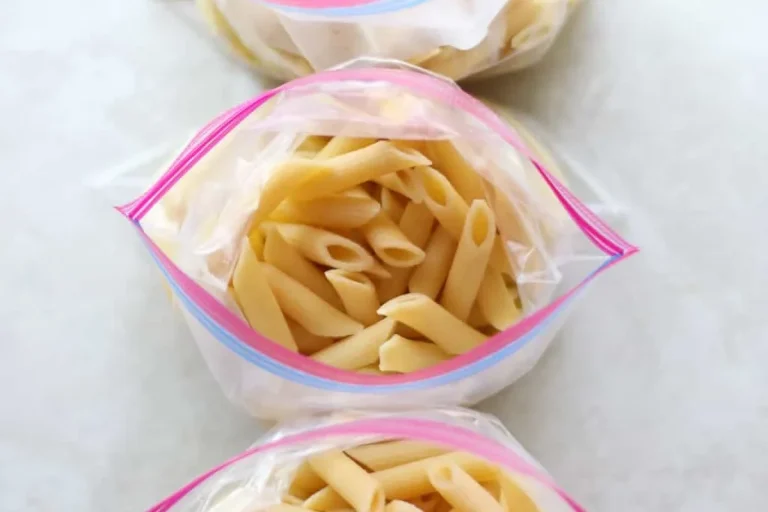
Dried pasta usually uses durum wheat semolina and water. It is then dried to last much longer on the shelf.
Most dry pasta has a leaner ingredient list. That can make it a simple base for a meal, especially if you want to control added fat and sodium.
Durum wheat gives dried pasta its firm bite and helps it hold shape during cooking.
Nutrition Comparison: Calories, Protein, Fiber, and Sodium
Nutrition can differ more by brand and recipe than by fresh versus dried pasta alone. Still, some patterns show up often.
Fresh pasta is usually denser and softer because of the higher moisture and egg content. Dried pasta is usually more concentrated by weight because it has less water.
| Option | Best For | Key Consideration |
|---|---|---|
| Fresh pasta | Soft texture and rich flavor | May contain more egg and less fiber |
| Dried pasta | Everyday meals and pantry use | Often simpler and easier to portion |
Calories can look close when you compare equal cooked portions. Protein may be higher in some egg-based fresh pasta, but that is not guaranteed. Fiber depends mostly on the flour type, such as whole wheat or enriched flour.
How Fresh Pasta Can Differ by Recipe
Fresh pasta can be made with white flour, semolina, whole wheat flour, or a mix. Some recipes add more eggs, which can raise protein and fat a little.
Vegetable-based fresh pasta may sound lighter, but the nutrition change is often small unless the recipe uses a large amount of vegetables. Color does not always mean more fiber.
- Check the ingredient list, not just the front label.
- Whole grain flour usually matters more than fresh or dried.
- Watch serving size, since pasta portions grow fast.
When Dried Pasta May Be the Better Pick
Dried pasta can be the better choice if you want a simple pantry staple. It stores well, cooks evenly, and makes portion control easier for many cooks.
It can also be a good pick when you want more fiber. Whole wheat dried pasta is often easier to find than a fresh whole grain version.
How Fresh Pasta Affects Digestion, Blood Sugar, and Fullness
Fresh pasta often feels softer and may digest a little faster than dried pasta. That can be nice if you want a gentle meal, but it may not keep you full as long.
Dried pasta, especially when cooked al dente, often has a firmer texture. That firmer bite can slow eating and may help some people feel satisfied longer.
Does fresh pasta spike blood sugar more?
It can, but the full meal matters more than the pasta alone. Sauce, protein, fiber, and portion size all affect the final response.
Blood sugar response depends on many things. A big bowl of fresh pasta with a creamy sauce will act differently from a small serving with vegetables and beans.
If you want steadier energy, pair pasta with protein and fiber. Think chicken, lentils, tuna, tofu, or a pile of vegetables.
When Fresh Pasta Is the Better Choice
Fresh pasta shines when texture matters most. It works well in dishes where a tender bite and rich flavor help the meal feel special.
It is also useful when you want a quick cook time. Many fresh pasta shapes cook fast, which can help on busy nights.
Best Uses for Fresh Pasta at Home
Fresh pasta is a smart pick for delicate sauces. It pairs well with butter sauces, light cream sauces, stuffed pasta dishes, and simple tomato sauces.
It also works well for meals where the pasta is the star. If you are making ravioli, tagliatelle, or pappardelle, fresh dough can give a softer, more luxurious result.
Use fresh pasta with lighter sauces so the texture stays front and center.
Who May Prefer Dried Pasta Instead
Dried pasta is often better for busy households. It keeps for months, so you can grab it when dinner plans change.
It may also suit people who want firmer texture, easier storage, and more budget-friendly meal planning. For many families, that makes it the practical default.
Common Mistakes That Change the Health Value of Pasta
The pasta type matters, but the rest of the plate matters more. A healthy pasta meal can turn heavy fast if portions and toppings grow too large.
Portion Size and Sauce Choices
Big portions can erase any small nutrition edge. A large serving of fresh pasta with a rich sauce can be more calorie-heavy than a modest bowl of dried pasta with vegetables.
Sauce matters a lot. Creamy sauces, heavy cheese, butter, and salty meats can raise calories and sodium fast.
- Use a measured portion of pasta.
- Add vegetables, beans, or lean protein.
- Choose tomato or olive oil based sauces often.
- Letting pasta become a huge main course by itself.
- Loading on cheese and cream without balance.
- Ignoring sodium in jarred sauces and toppings.
Cooking Time and Texture Problems
Overcooked pasta can feel mushy and may digest faster. That can make it less satisfying and less useful for a balanced meal.
Undercooked pasta can be hard to chew and less pleasant to eat. For dried pasta, cooking it al dente often gives the best texture and helps it hold sauce well.
Always follow package directions and food safety guidance. If pasta smells off, looks moldy, or was stored too long, throw it out.
Cost, Storage, and Convenience: Which Pasta Gives Better Value
For most homes, dried pasta gives better value. It stores well, costs less per meal in many cases, and is easy to keep on hand.
Fresh pasta offers a different kind of value. You get better texture and faster cooking, but you usually give up shelf life and often pay more for convenience.
Best for special meals and soft, rich dishes.
Best for everyday cooking and pantry storage.
If you cook pasta often, dried pasta is usually the easier home staple. If you cook it less often and want a better texture for a special dinner, fresh pasta can be worth it.
Storage also affects waste. Dried pasta lasts longer, so it is less likely to spoil before you use it.
Final Verdict: Is Fresh Pasta Healthier for Most People?
For most people, fresh pasta is not clearly healthier than dried pasta. The healthier choice usually depends on the flour, portion size, sauce, and what else is on the plate.
If you want the best everyday option, dried pasta often wins for value, storage, and flexibility. If you want a softer texture and a richer meal, fresh pasta can be the better fit.
Fresh pasta is not automatically healthier, but it can be a great choice for texture and special meals. Choose dried pasta for everyday value, and choose fresh pasta when you want a softer bite and a more delicate dish.
In short, the healthiest pasta is the one that fits your meal well and stays balanced on the plate. If you keep portions sensible and add vegetables or protein, both fresh and dried pasta can work in a healthy diet.
Frequently Asked Questions
Not always. Health depends more on the flour, portion size, and sauce than on fresh or dried pasta alone.
It can, but not always. Calories vary by recipe and serving size, so compare labels and portions.
Neither wins by itself. A smaller portion with protein, vegetables, and sauce balance matters most.
Dried pasta cooked al dente may feel more filling for some people. Fiber and protein also play a big role.
Dried pasta is usually better for everyday use. It stores longer, costs less in many cases, and is easy to keep on hand.
Use a measured portion, add vegetables or lean protein, and choose lighter sauces more often.