How Much Miso Paste Per Cup of Water for Perfect Soup

Start with 1 to 1 1/2 tablespoons of miso paste per cup of water. Taste it, then add more only if you want a stronger bowl.
If you want a quick answer, start with 1 to 1 1/2 tablespoons of miso paste per cup of water. That gives you a light, balanced soup that most home cooks will find easy to adjust.
- Best starting ratio: Use 1 to 1 1/2 tablespoons per cup of water.
- Flavor control: Add paste slowly so you do not over-salt the soup.
- Heat tip: Stir miso in near the end, not at a hard boil.
- Miso type matters: White, yellow, and red miso need different handling.
- Freshness matters: Store opened miso well and watch for spoilage signs.
How Much Miso Paste Per Cup of Water: The Quick Answer
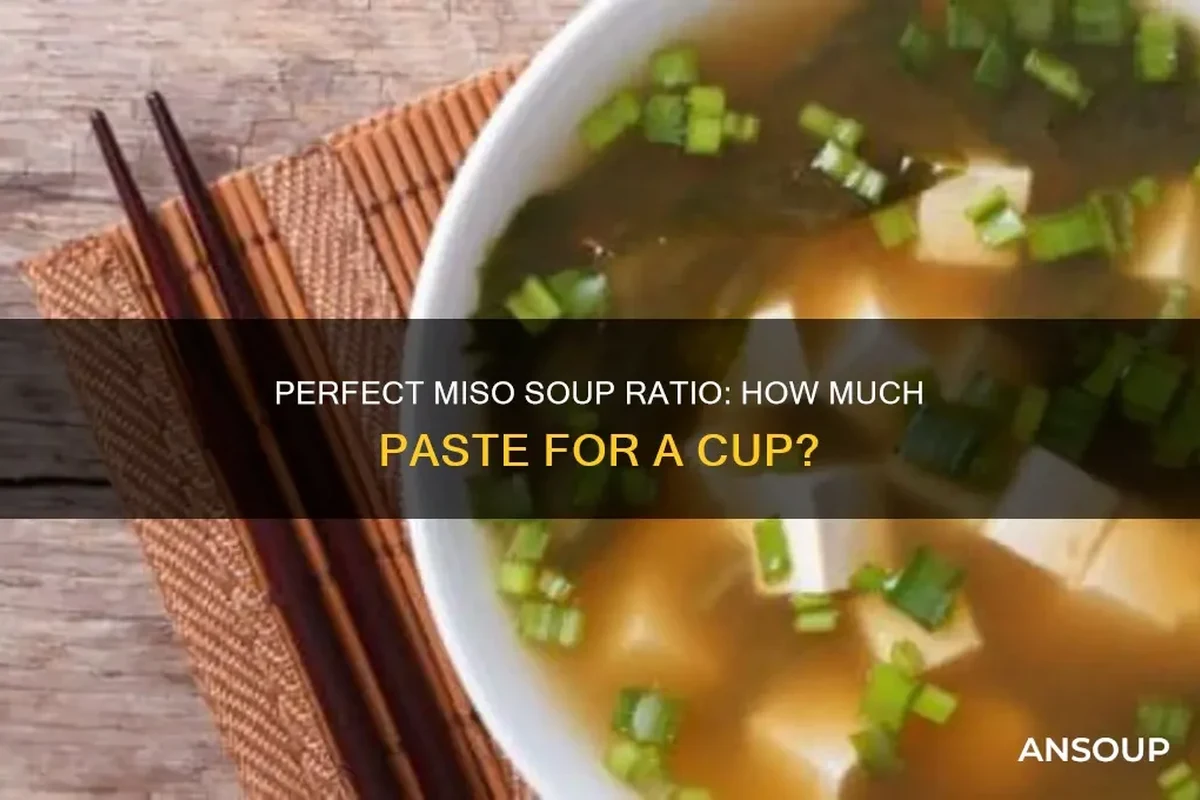
The best starting point is 1 tablespoon for a mild soup and 1 1/2 tablespoons for a fuller flavor. If you like a stronger bowl, you can move toward 2 tablespoons per cup of water.
That range works because miso paste varies a lot by type and brand. Some pastes taste sweet and soft, while others taste deep, salty, and bold.
Standard ratio for light, balanced soup
For a simple home bowl, 1 to 1 1/2 tablespoons per cup of water is the sweet spot. This gives you a soup that tastes savory without turning too salty.
In short: start low, then add more if needed.
How to adjust for stronger or milder flavor
Use less paste if you want a gentle broth. Use more if you want a rich, restaurant-style taste.
For example, a white miso soup may taste fine at 1 tablespoon. A red miso soup may need a bit less water or more broth support from vegetables or dashi.
Why the right ratio matters for taste and texture
The ratio changes both flavor and mouthfeel. Too little paste makes the soup thin and flat.
Too much paste can make it heavy, salty, and muddy. A balanced mix keeps the soup smooth and clear.
Brand, style, and salt level can change the best ratio. Always taste before serving.
What Miso Paste Is and How It Works in Soup
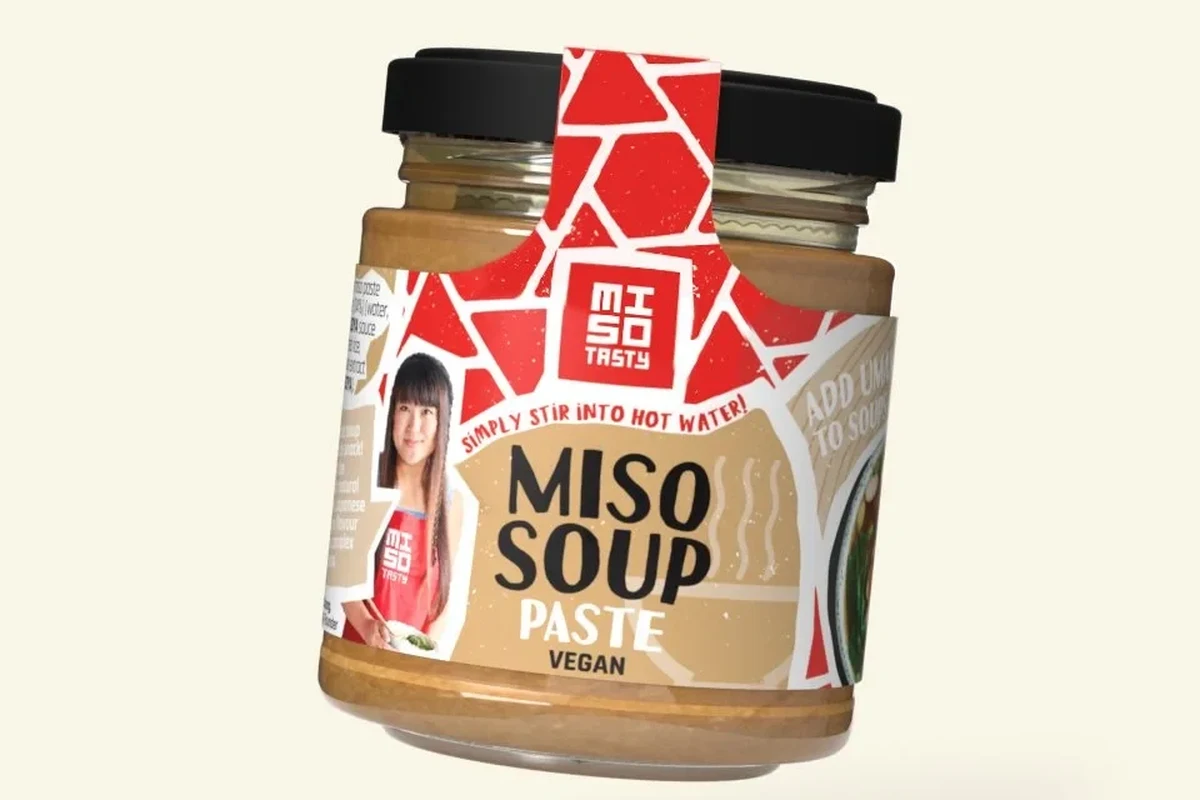
Miso is a fermented paste made from soybeans and often rice or barley. It adds salt, body, and a deep savory taste called umami.
When you stir it into warm water, it dissolves into the liquid and seasons the whole bowl. That is why a small amount can go a long way.
White, yellow, and red miso explained
White miso is usually milder and a little sweeter. Yellow miso sits in the middle with a balanced flavor.
Red miso tastes stronger and saltier. It often needs a lighter hand, especially in simple soups.
How salt, soybeans, and fermentation shape flavor
Fermentation changes the soybeans and grains over time. That process builds a richer taste than plain salt alone.
Because miso already brings salt, you may not need much extra seasoning. Taste first, then add more only if the soup needs it.
Why miso should not boil hard
Hard boiling can dull the flavor. It can also make the soup taste less fresh.
For best results, dissolve miso in warm liquid near the end of cooking. Then serve it soon after mixing.
Do not add miso paste to a rolling boil if you want the best flavor. Keep the heat gentle once the paste goes in.
Choosing the Right Amount for Different Soup Styles
The best amount depends on the kind of soup you want. A light broth needs less paste than a hearty bowl with tofu and vegetables.
Think about the other ingredients too. More add-ins can soften the saltiness and make the soup feel more rounded.
Clear miso soup for a light bowl
For a clear soup, start with 1 tablespoon per cup of water. This keeps the broth light and easy to drink.
If you add seaweed or scallions, the flavor will still stay clean. That style works well as a starter or side dish.
Hearty soup with tofu, seaweed, or vegetables
Heavier soups can handle more paste. Try 1 1/2 tablespoons per cup, then taste before adding more.
Tofu, mushrooms, and greens all add body. They can make the soup feel fuller without needing much extra miso.
Restaurant-style flavor versus home-style flavor
Restaurant soup often tastes deeper because cooks use a stronger broth base. They may also balance the soup with more layers of flavor.
Home soup can still taste great. You just need to taste as you go and avoid over-salting early.
How to Build Flavor Without Overdoing the Salt
Small changes in paste, broth, and add-ins can make a big difference in the final bowl.
How to Mix Miso Paste Into Water the Right Way
Miso mixes best when you treat it like a seasoning, not a sauce. First, dissolve it in a small amount of warm liquid.
Then stir that mixture back into the pot or bowl. This helps prevent clumps and gives you a smoother soup.
Step-by-step method for smooth mixing
Start with 1 cup of water for each serving.
Use 1 tablespoon first for a mild bowl.
Stir until the paste looks smooth and even.
Add more paste in small amounts if needed.
Best water temperature for dissolving miso
Warm water works best. Very hot water can push the soup toward a harsh taste.
If the soup is already hot, turn the heat down before adding miso. That keeps the flavor softer and more balanced.
Tools that help, like a bowl, whisk, or ladle
A small bowl makes it easy to mix a paste slurry first. A whisk or spoon also helps break up lumps.
A ladle works well if you want to dissolve the miso in a little broth before adding it back to the pot.
Common Mistakes When Measuring Miso Paste
Most miso soup problems come from simple measuring errors. The good news is that they are easy to fix.
Slow down, taste often, and keep the heat gentle. That alone solves many common issues.
Using too much paste and making soup too salty
This is the most common mistake. If you add too much paste at once, the soup can become hard to save.
Start with less than you think you need. You can always add another spoonful, but you cannot take salt back out.
Adding miso to boiling water
Boiling water can flatten the flavor. It can also make the soup taste rough instead of smooth.
Let the soup cool slightly before stirring in the paste. That small pause helps a lot.
Skipping taste checks before serving
Taste the soup after the miso dissolves. Then decide if it needs more paste or a little more water.
This step matters because different brands vary. Even the same brand can taste different from batch to batch.
- Mix a small test bowl before seasoning the full pot.
- Add paste in tiny amounts near the end of cooking.
- Keep extra warm water nearby in case the soup gets too strong.
Ingredients, Quality, and Cost: What to Look For
Not all miso paste tastes the same. The label, color, and ingredient list can help you choose the right one.
That matters when you want a soup ratio that feels reliable from one batch to the next.
Reading the label for salt level and ingredients
Check the sodium content if the package lists it. Some miso is much saltier than others.
Also look at the ingredient list. Simple formulas often give a cleaner, more classic taste.
Choosing paste based on color and flavor strength
Lighter miso usually tastes softer. Darker miso often tastes stronger and more savory.
If you are new to miso, start with a milder paste. It gives you more room to adjust without overshooting.
Value tips for buying miso in 2026
In 2026, value still depends more on quality and size than on brand hype. A larger tub can make sense if you cook miso often.
If you only make it now and then, choose a smaller container. That helps you use it while it still tastes fresh.
Safety, Storage, and Keeping Miso Fresh
Miso is a shelf-stable fermented food, but opened paste still needs care. Keep it sealed and stored the way the package says.
Good storage helps the paste keep its flavor and makes your measurements more dependable.
How to store opened miso paste
After opening, close the container tightly. Many cooks keep it in the fridge, but always follow the label.
Use a clean spoon each time. That helps protect the paste from moisture and stray food bits.
When miso may not suit low-sodium diets
Miso can be a high-salt ingredient. If you watch sodium closely, use less paste and taste carefully.
If you have a health condition that limits salt, talk with a qualified health professional. That is the safest way to plan meals.
Signs your miso paste is still good to use
A normal color change over time does not always mean the paste is bad. Fermented foods can darken a bit as they age.
Look for off smells, mold, or strange texture. If anything seems wrong, it is safer to throw it out.
Follow the package storage instructions and stop using miso that shows mold, spoilage, or a bad smell.
Final Recommendation: The Best Starting Ratio for Most Home Cooks
For most people, 1 to 1 1/2 tablespoons of miso paste per cup of water is the best place to begin. It gives you a good balance of salt, body, and flavor.
That ratio is easy to adjust for different tastes and soup styles. It also keeps you from making the soup too salty too fast.
When to stick with the basic ratio
Stick with the basic ratio when you want a light, dependable bowl. It works well for everyday cooking and simple ingredient lists.
If you are serving guests, this is also a safe starting point. Most people can handle a balanced, mild soup more easily than a very strong one.
When to change it for taste or diet needs
Use less paste if you want a softer flavor or need to lower sodium. Use more if you want a deeper, bolder bowl.
Just change it in small steps. That makes the final taste much easier to control.
Simple closing advice for confident soup making
Start small, taste often, and keep the heat gentle. That is the easiest way to get good miso soup at home.
If you remember one thing, make it this: measure first, then adjust. That habit gives you better soup every time.
- Start with 1 to 1 1/2 tablespoons per cup of water.
- Use less for mild soup and more for stronger flavor.
- Add miso near the end and avoid hard boiling.
- Taste before serving, since brands and styles vary.
Frequently Asked Questions
Start with 1 to 1 1/2 tablespoons per cup of water. That gives you a light, balanced soup that you can adjust to taste.
The soup can turn too salty and heavy. Add paste in small amounts so you can stop at the flavor you want.
It is better not to. Very hot water can dull the flavor, so add miso near the end after lowering the heat.
Not always. White miso is usually milder, while red miso often tastes stronger and saltier, so the amount may need to change.
Mix it with a little warm water first, then stir it into the soup. A small bowl, whisk, or ladle helps smooth it out.
Follow the package directions and keep the container sealed. Many people refrigerate opened miso, and a clean spoon helps it stay fresh.