How to Make Healthy Pasta Sauce That Tastes Amazing

Healthy pasta sauce starts with tomatoes, vegetables, and herbs. Simmer it well, season it simply, and keep sugar, salt, and oil modest.
Healthy pasta sauce is easy to make at home. The best version starts with tomatoes, adds plenty of vegetables, and keeps sugar, salt, and oil in check. You can still get rich flavor without making it heavy.
- Start simple: Tomatoes, onion, garlic, and herbs do most of the work.
- Watch the extras: Too much sugar, salt, or oil makes sauce less healthy.
- Simmer for flavor: Longer cooking builds body and reduces watery taste.
- Add balance: A little acid, spice, or protein can improve the final dish.
How to Make Healthy Pasta Sauce: The Simple Answer
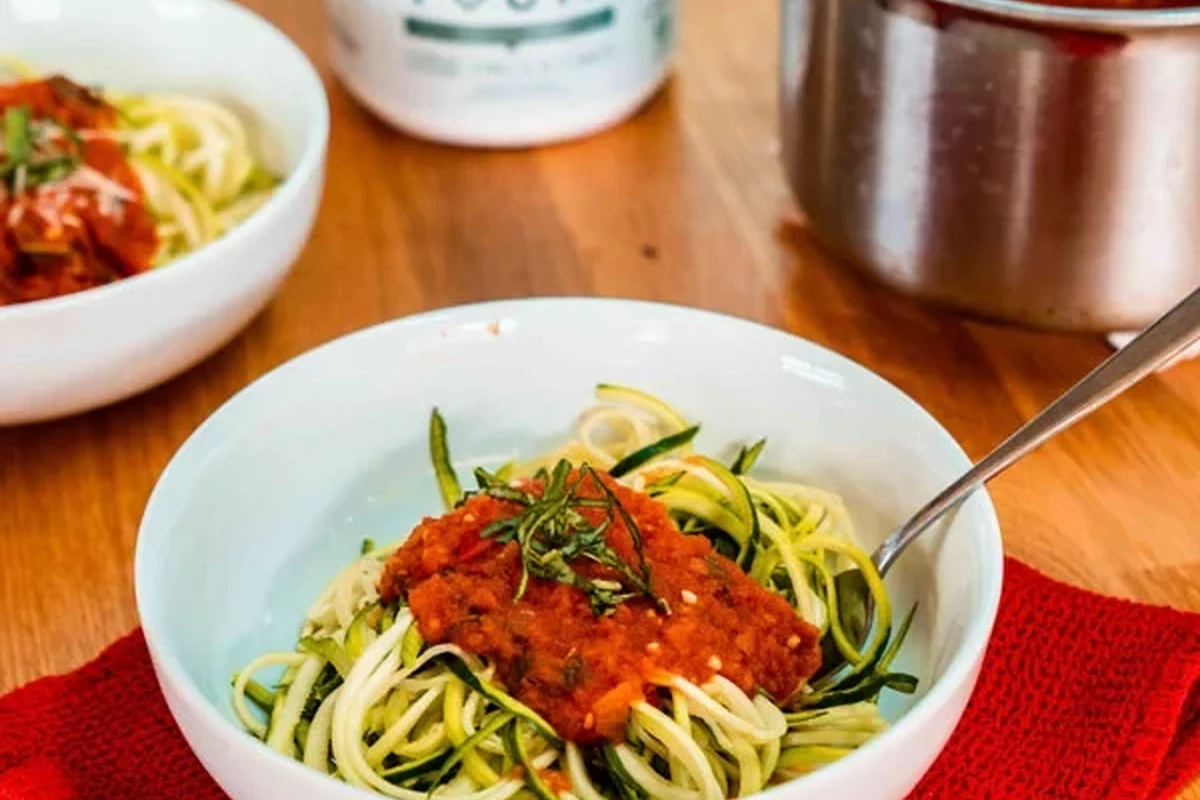
The short answer is this. Start with good tomatoes, cook onions and garlic, add vegetables, then simmer until the sauce tastes deep and smooth.
For extra balance, use herbs, a small amount of olive oil, and a little protein if you want a fuller meal. In short, healthy pasta sauce should taste bright, savory, and satisfying, not bland.
Build flavor in layers. A little browning at the start often helps more than extra salt later.
What Makes a Pasta Sauce Healthy
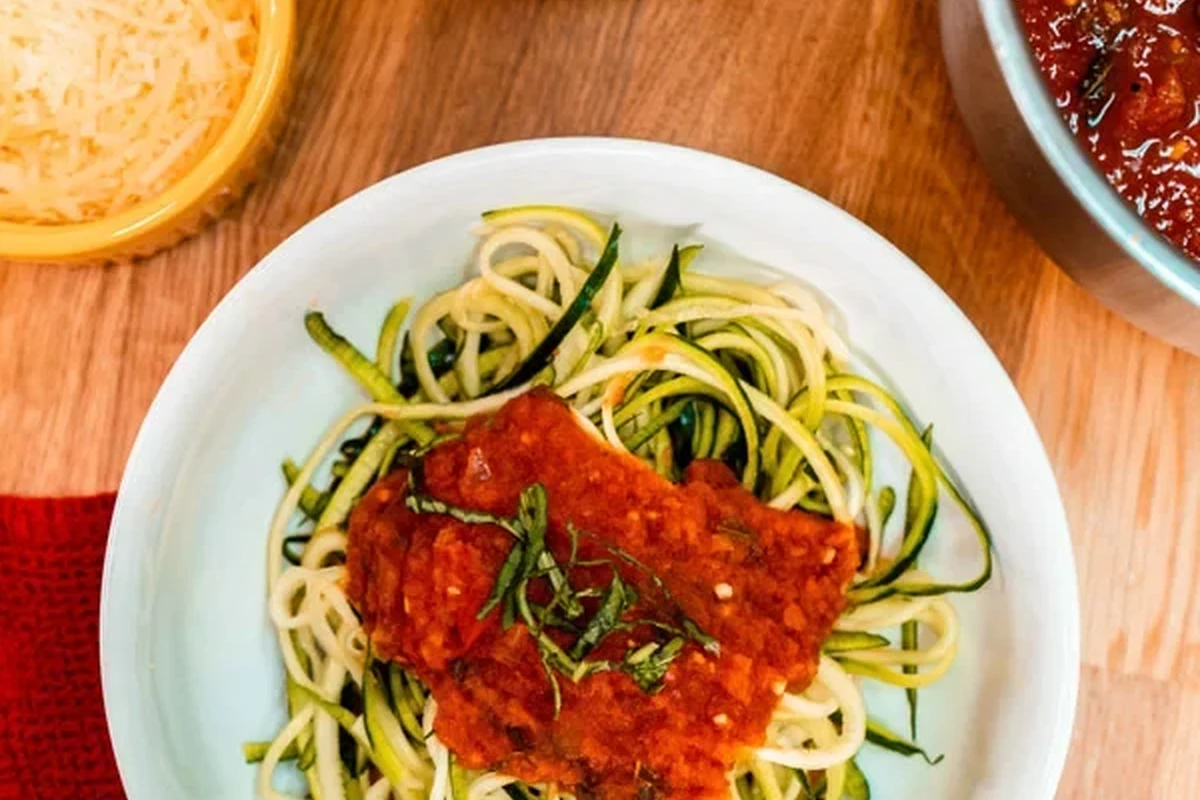
A healthy pasta sauce gives you flavor with more real food and less added sugar. It also keeps sodium and saturated fat lower than many store-bought sauces.
That does not mean every healthy sauce needs to be ultra light. It should still taste good enough that you want to eat it again.
Key ingredients to use
Look for ingredients that add color, fiber, and natural flavor. Tomatoes, onions, garlic, carrots, peppers, mushrooms, and herbs all fit well.
These foods help create a sauce that feels rich without relying on cream or lots of cheese. They also make it easier to build a balanced meal.
Tomato sauce often tastes sweeter after a longer simmer, even with no added sugar.
Ingredients to limit or skip
Try to limit added sugar, heavy cream, and too much oil. These can make sauce richer, but they also raise calories fast.
Also watch sodium in canned tomatoes, broth, and jarred sauce add-ins. A small amount is fine, but it adds up quickly.
If you use canned or jarred ingredients, check labels for sodium and added sugar. Recipes vary, so the final nutrition will vary too.
Best Healthy Pasta Sauce Ingredients for Great Flavor
The best healthy sauce tastes layered, not flat. You get that by mixing sweet vegetables, acidic tomatoes, and savory herbs.
Tomatoes, vegetables, and herbs
Use crushed tomatoes, diced tomatoes, or tomato passata as your base. These give you body and a clean tomato taste.
Add onions, carrots, celery, mushrooms, zucchini, or bell peppers for more depth. Fresh or dried basil, oregano, parsley, and thyme all work well.
Healthy fats, protein, and smart seasonings
A small amount of olive oil can help carry flavor. You do not need much.
If you want more protein, add lentils, white beans, ground turkey, or crumbled tofu. For seasoning, use black pepper, chili flakes, smoked paprika, and a splash of vinegar or lemon juice.
Creates body, acidity, and the classic pasta sauce taste.
Adds fiber, color, and natural sweetness.
Step-by-Step Method for Making Healthy Pasta Sauce
You do not need fancy tools. A pot, a spoon, and a stove are enough for most home cooks.
How to build flavor from the start
Start by heating a small amount of oil in a pan or pot. Add chopped onion and cook until soft.
Then add garlic and cook for a short time. If you like, add carrots, celery, or peppers next so they can soften before the tomatoes go in.
Cook onion and other firm vegetables until they smell sweet.
Stir them in briefly so they bloom without burning.
Add your tomato base and stir well.
How to simmer, blend, and finish the sauce
Let the sauce simmer gently. This helps the flavors come together and makes the sauce thicker.
If you want a smooth sauce, blend it carefully after cooking. If you like texture, leave it chunky and stir in soft vegetables at the end.
Finish with herbs, black pepper, and a small splash of lemon juice or vinegar. Taste before serving, then adjust slowly.
- Use low heat once the sauce starts simmering.
- Stir often so the bottom does not scorch.
- Add pasta water if the sauce gets too thick.
- Taste near the end, not only at the start.
Common Mistakes That Make Sauce Less Healthy or Less Tasty
Most bad sauce problems come from trying to fix flavor too late. It is better to build flavor early and keep the recipe simple.
Too much sugar, salt, or oil
A spoonful of sugar can help a very sharp sauce, but too much hides the tomato taste. The same goes for salt and oil.
Use small amounts first. You can always add more, but you cannot take them out once they are in.
Watery texture and weak flavor
Watery sauce usually means the sauce did not simmer long enough. It can also happen when too many watery vegetables are added at once.
To fix it, simmer longer with the lid partly off. You can also blend in some cooked vegetables or stir in a little tomato paste for more body.
The sauce tastes thin and flat.
Simmer longer, add herbs, and finish with a small splash of acid.
Healthy Pasta Sauce Variations for Different Needs
There is no single best sauce for everyone. Your best version depends on your diet, your pantry, and the meal you want.
Vegetarian and vegan options
Vegetarian sauce is simple. Use tomatoes, vegetables, herbs, and olive oil.
For vegan meals, skip cheese and use nutritional yeast or blended cashews if you want a creamy feel. Beans and lentils also make the sauce more filling.
Best when you want a simple, flexible sauce for most pasta shapes.
Best when you want creaminess without dairy.
High-protein and low-sodium options
For more protein, add lentils, beans, turkey, chicken, or tofu. This works well when pasta is the main meal.
For a lower-sodium sauce, choose no-salt-added tomatoes when you can. Use herbs, garlic, onion, and acid to boost flavor instead of extra salt.
Nutrition changes with every ingredient swap. Store brands, canned goods, and homemade add-ins can all change the final result.
Storage, Reheating, and Food Safety Tips
Healthy sauce is only useful if it stores well. Good cooling and storage help keep leftovers safe and tasty.
How to cool and store sauce safely
Let the sauce cool a bit before storing it. Move it to shallow containers so it cools faster in the fridge.
Do not leave cooked sauce out for too long. If you are unsure about the safe time, follow standard food-safety guidance and local health advice.
Always store leftovers in clean containers and refrigerate them promptly. If the sauce smells off, looks strange, or sat out too long, throw it out.
How long it lasts in the fridge or freezer
Storage time depends on your fridge, container, and ingredients. In general, refrigerated sauce lasts only a few days, while frozen sauce lasts longer.
For the best answer, check trusted food-safety guidance and use your own senses when reheating. When in doubt, discard it.
Final Recommendation: The Best Way to Make Healthy Pasta Sauce at Home
The best way to make healthy pasta sauce is to start with tomatoes, add vegetables, and simmer until the flavor deepens. Then finish with herbs, a little olive oil, and just enough seasoning to make it pop.
If you want the easiest path, keep the recipe simple and focus on balance. That gives you a sauce that feels fresh, tastes rich, and works for everyday dinners.
- Use tomatoes, vegetables, herbs, and small amounts of oil.
- Limit added sugar, salt, and heavy cream.
- Simmer long enough for a thicker, richer taste.
- Store leftovers safely and reheat them gently.
Frequently Asked Questions
Healthy pasta sauce uses real ingredients like tomatoes, vegetables, herbs, and small amounts of oil. It also keeps added sugar and sodium lower when possible.
Yes, you often can. Sweet vegetables like onion, carrot, and bell pepper can soften the tomato taste without added sugar.
Simmer the sauce longer, add garlic and herbs, and use a little olive oil. Tomato paste, mushrooms, or a splash of vinegar can also deepen the flavor.
The time varies by recipe and how thick you want the sauce. A longer gentle simmer usually gives a better texture and deeper flavor.
Yes, most homemade pasta sauce freezes well. Cool it first, store it in a freezer-safe container, and thaw it safely before reheating.
Add lentils, beans, tofu, ground turkey, or chicken. These options make the sauce more filling without needing heavy ingredients.