How Much Basil Paste Equals 1 Cup Fresh Basil Guide

Use about 2 to 3 tablespoons of basil paste for 1 cup fresh basil. Start with less if the paste has oil, salt, garlic, or cheese.
If you need a fast swap, start with 2 to 3 tablespoons of basil paste for 1 cup fresh basil. The best amount depends on how strong the paste tastes and how your recipe uses basil.
- Best starting point: 2 to 3 tablespoons basil paste replaces 1 cup fresh basil.
- Flavor check: Salted or oily paste needs a lighter hand.
- Best uses: Sauces, soups, marinades, dressings, and compound butter.
- Watch out for: Overpowering flavor, extra salt, and texture changes.
How Much Basil Paste Equals 1 Cup Fresh Basil?
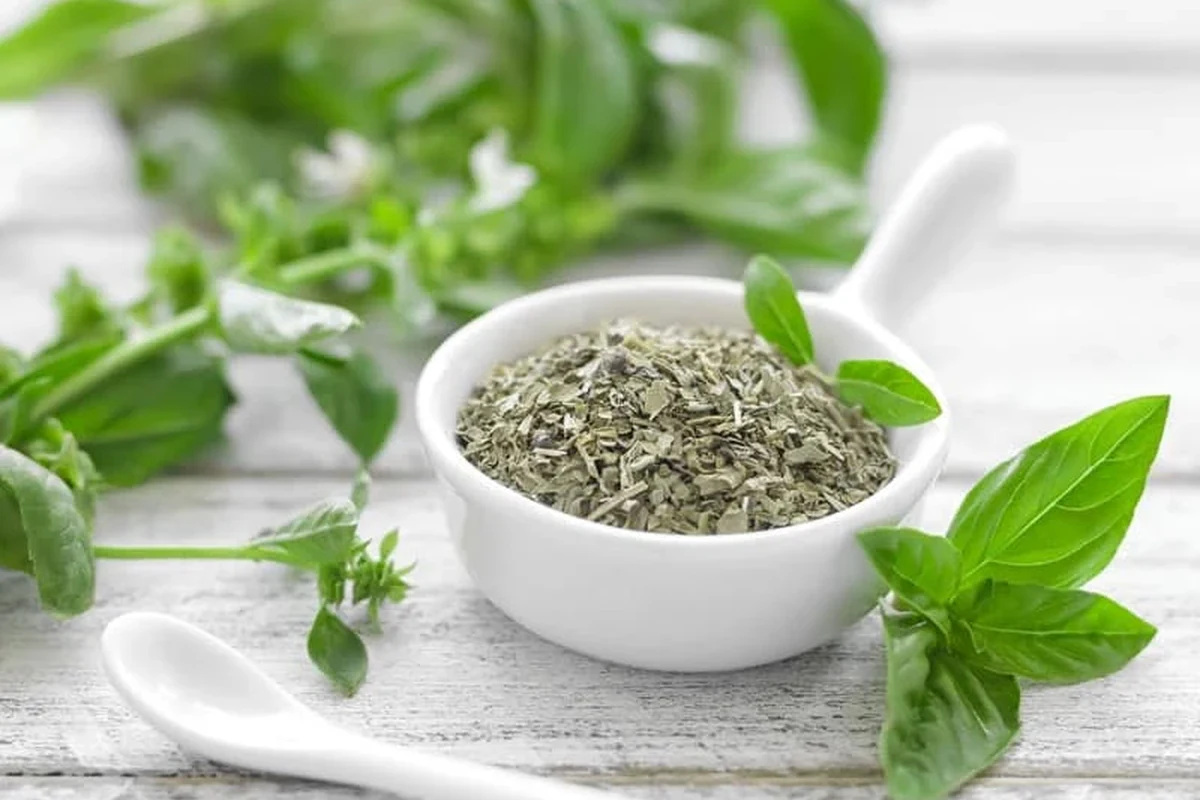
Most home cooks can use about 2 to 3 tablespoons of basil paste in place of 1 cup fresh basil. That is the safest starting point for soups, sauces, and cooked dishes.
Fresh basil is light and airy. Basil paste is dense, wet, and often stronger, so you usually need less.
Quick answer and simple conversion rule
A useful rule is this. Use 2 tablespoons for a mild paste and 3 tablespoons for a stronger, more herb-rich paste.
If the paste includes oil, garlic, salt, or cheese, start on the low end. Those extras can change both flavor and salt level.
Can I use basil paste as a straight 1:1 swap for fresh basil?
Not usually. Basil paste is more concentrated and often wetter, so a full 1 cup swap can overwhelm a dish.
Why the exact amount can change by brand and texture
Not all basil pastes taste the same. Some are made with oil only. Others include nuts, garlic, cheese, or salt.
Texture matters too. A thick paste packs more basil into each spoonful. A looser paste may need a little more to match fresh flavor.
For that reason, treat any conversion as a starting point, not a hard rule.
Recipe results can change based on brand, storage, and the other ingredients in the dish.
What Basil Paste Is and How It Compares to Fresh Basil
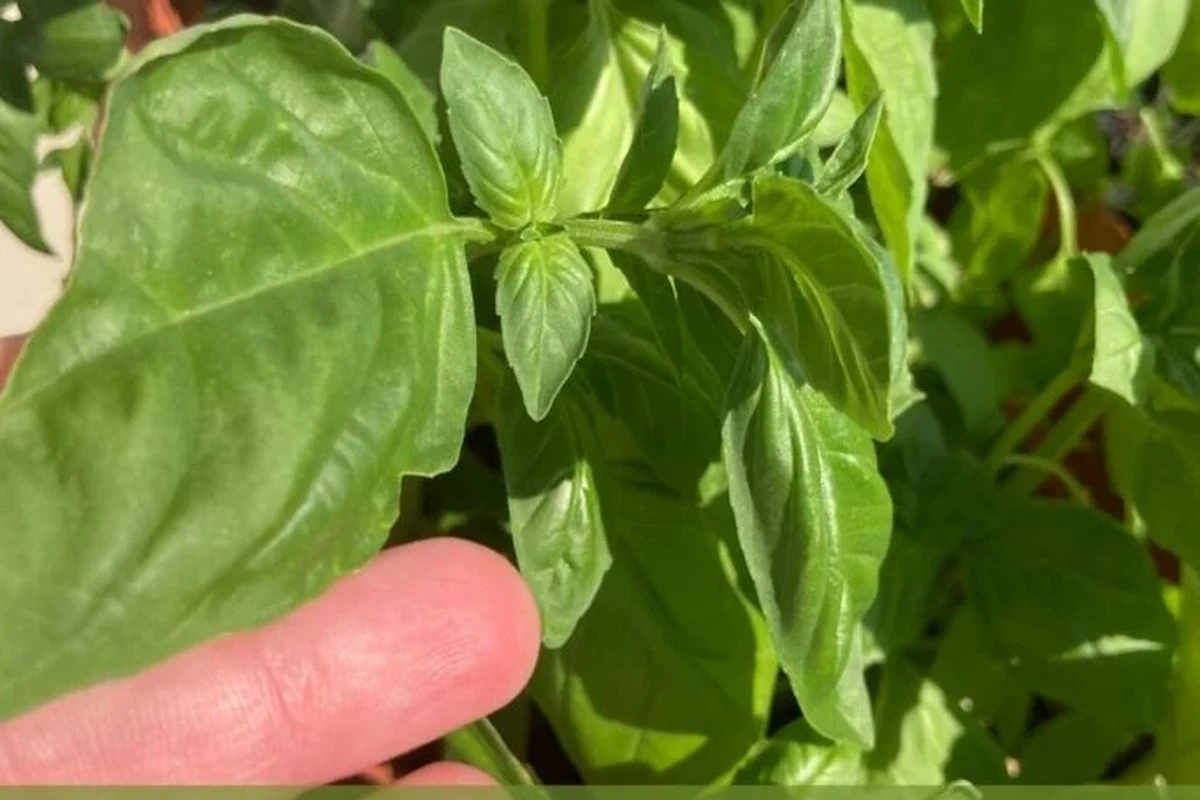
Basil paste is a blended herb product. It gives you basil flavor without washing, drying, and chopping fresh leaves.
That makes it handy when you want speed. It also helps when fresh basil costs more or spoils too fast.
What basil paste usually contains
Most basil pastes include basil leaves and some kind of fat or liquid. Olive oil is common. Some versions also include salt, garlic, lemon juice, nuts, or cheese.
Those extras help with texture and shelf life. They also change how much you should use in a recipe.
How paste differs from chopped, packed, or whole basil leaves
Fresh basil leaves take up a lot of space. One cup of whole leaves is very different from one cup of chopped basil.
Chopped basil is denser than whole leaves. Packed basil is denser still. Basil paste is the most compact form of the three.
Fresh herbs lose flavor fast when cut. Blending them into a paste can slow that loss for a short time.
When basil paste works better than fresh basil
Basil paste works well when you want even flavor throughout a dish. It mixes in quickly and saves prep time.
It is also useful when basil is out of season. In a pinch, it can keep dinner moving.
- Fast to measure and stir in.
- Good for cooked dishes and sauces.
- Often stores longer than fresh basil.
- Flavor can be stronger than expected.
- May add oil, salt, or garlic.
- Texture does not match fresh leaves.
How to Measure Basil Paste for Recipes
Use a spoon, not a guess. Basil paste can swing a recipe fast because it is dense and flavorful.
If the dish is delicate, add less first. You can always add more later.
Best tablespoon and teaspoon conversions
Here is a simple kitchen guide:
- 1 cup fresh basil equals about 2 to 3 tablespoons basil paste.
- 1 tablespoon basil paste equals about 3 to 4 tablespoons fresh chopped basil.
- 1 teaspoon basil paste works for very small flavor boosts.
These numbers are practical, not exact. They work best in cooked recipes with room for tasting.
How to adjust for strong or mild basil flavor
Start with less if the paste smells sharp or salty. Start with more if the paste tastes mild or watered down.
A good method is to mix in half the amount first. Taste the dish. Then add the rest only if needed.
- Add basil paste early for sauces and soups.
- Add it late for brighter flavor in uncooked dishes.
- Taste before adding extra salt.
How moisture and oil affect the final result
Basil paste often brings oil into the recipe. That can make sauces smoother, but it can also thin a dish.
If your recipe already has plenty of oil, butter, or cream, use the lower end of the range.
Best Uses for Basil Paste in Cooking
Basil paste fits best in recipes that already welcome bold herb flavor. Think warm, saucy, or blended dishes.
It is less useful when basil leaves need to stay visible or crisp.
Pasta sauces, pesto, and marinades
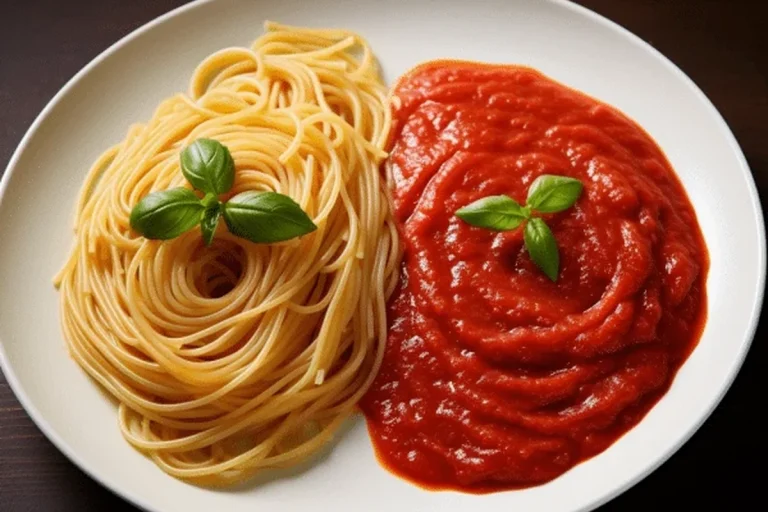
Pasta sauces are one of the easiest places to use basil paste. It spreads evenly and blends well with tomato, cream, or olive oil.
It also works in quick pesto-style sauces and marinades. Just watch the salt, since many pastes already contain some.
Soups, dressings, and compound butter
Soup is a great match because the paste melts into the pot. Dressings and compound butter also work well when you want smooth herb flavor.
For cold dishes, start with a small amount. Basil paste can taste more intense when it is not cooked.
When not to use basil paste as a full swap
Do not use basil paste as a full swap when the recipe depends on fresh herb texture. A Caprese salad is a good example.
It also may not fit recipes that need bright basil leaves for garnish. In those cases, fresh basil still looks and tastes better.
If a recipe depends on fresh herbs for garnish or texture, basil paste will change the dish.
Benefits and Limits of Using Basil Paste
Basil paste can save time and cut waste. It can also help when you only need part of a bunch of basil.
Still, it is not a perfect match for fresh leaves. The trade-offs are real.
Time-saving benefits for busy home cooks
You skip washing, drying, and chopping. That makes weeknight cooking easier.
It also helps when you cook in small batches. You can scoop out only what you need.
Flavor, color, and shelf-life trade-offs
Fresh basil has a brighter taste and a cleaner green look. Basil paste can be a little darker or more muted.
Shelf life is usually better after opening, but only if you store it well. Once opened, it still needs care.
Texture changes in cooked and uncooked dishes
In cooked dishes, basil paste disappears into the sauce. That is often a plus.
In uncooked dishes, it can feel heavier. The oil and puree can change the mouthfeel more than fresh basil does.
Common Mistakes When Replacing Fresh Basil
Most mistakes come from using too much paste or forgetting what else is inside it. A little attention goes a long way.
Using too much paste and overpowering the dish
Basil paste can take over fast. This is especially true in light sauces, eggs, and dressings.
If you are unsure, use less than you think you need. You can always add more at the end.
Ignoring salt, oil, or garlic in the paste
Many pastes are not just basil. They may add salt, oil, garlic, or cheese.
That means the paste can change more than flavor. It can also change seasoning and richness.
Forgetting to taste and adjust before serving
Always taste near the end of cooking. Basil flavor shifts as a dish heats up.
If the flavor feels flat, add a little more paste or a touch of acid. Lemon juice or vinegar can help brighten it.
- Start with 2 tablespoons for 1 cup fresh basil.
- Taste before adding more.
- Check the label for salt and oil.
- Do not dump in a full cup of paste.
- Do not ignore other seasonings.
- Do not use it blindly in delicate dishes.
Storage, Safety, and Value Tips
Good storage helps basil paste last longer and taste better. It also helps keep waste down.
As with any refrigerated food, follow the label and use common sense. If it looks or smells off, throw it out.
How to store basil paste after opening
Keep opened basil paste sealed and chilled if the package says to refrigerate it. Use a clean spoon each time.
That helps prevent contamination and keeps the paste fresh longer.
Wipe the rim, seal the container, and return it to the fridge if needed.
Check the label, date, and storage instructions before using old paste.
Signs the paste is no longer good to use
Watch for mold, sour smell, odd color, or a badly separated texture that does not mix back together.
When in doubt, do not risk it. Food safety matters more than saving a spoonful.
Follow the package storage directions and stop using any paste that smells or looks spoiled.
Cost and value compared with buying fresh basil
Basil paste can be a good value if you waste fresh basil often. It may also make sense if you cook basil-heavy dishes now and then.
Fresh basil can still be better when you use it right away and want the best flavor. Value depends on how often you cook with it.
Final Recommendation for Home Cooks
For most recipes, use 2 to 3 tablespoons of basil paste to replace 1 cup fresh basil. That gives you a solid starting point without overdoing the flavor.
If the paste is salty, oily, or mixed with garlic, start low and taste as you go. That small habit usually gives the best result.
Best conversion choice for everyday recipes
For pasta sauce, soup, and marinades, basil paste is a smart shortcut. It saves time and still brings clear basil flavor.
If you want one simple rule, use 2 tablespoons first. Then adjust upward if needed.
When fresh basil is still the better option
Choose fresh basil when the recipe needs bright color, fresh aroma, or visible leaves. Salads, garnishes, and light summer dishes often fit that best.
In short, basil paste is a handy backup. Fresh basil is still the gold standard when the herb is the star.
- 1 cup fresh basil equals about 2 to 3 tablespoons basil paste.
- Start low if the paste contains oil, salt, garlic, or cheese.
- Use paste for cooked dishes and fresh basil for garnish or texture.
Frequently Asked Questions
Use about 2 to 3 tablespoons of basil paste for 1 cup fresh basil. Start with less if the paste tastes strong or salty.
Not usually. Basil paste is more concentrated and often wetter, so a full cup can overwhelm the dish.
Yes. Thick pastes and mild pastes can need different amounts. Added oil, garlic, or cheese also changes the result.
It works well in pasta sauces, soups, marinades, dressings, and compound butter. It blends best in cooked or mixed dishes.
Follow the package directions and refrigerate it if needed. Use a clean spoon and keep it sealed.
Choose fresh basil when you want bright color, fresh aroma, or visible leaves. It is often best for salads and garnish.