How Does an Electric Milk Frother Work for Perfect Foam

An electric milk frother works by spinning a whisk or using steam to mix air into milk. That creates the foam that makes lattes, cappuccinos, and cocoa feel smoother and richer.
An electric milk frother works by spinning a whisk or using steam to pull air into milk. That air creates the light foam you want for lattes, cappuccinos, and hot chocolate.
- How it works: A motor or steam pulls air into milk and builds foam.
- Best milk: Whole milk often makes rich foam, but results vary by type.
- Common mistakes: Overfilling, wrong temperature, and too much frothing hurt foam.
- Safety matters: Keep water away from electrical parts and follow the manual.
What an Electric Milk Frother Does and Why It Matters
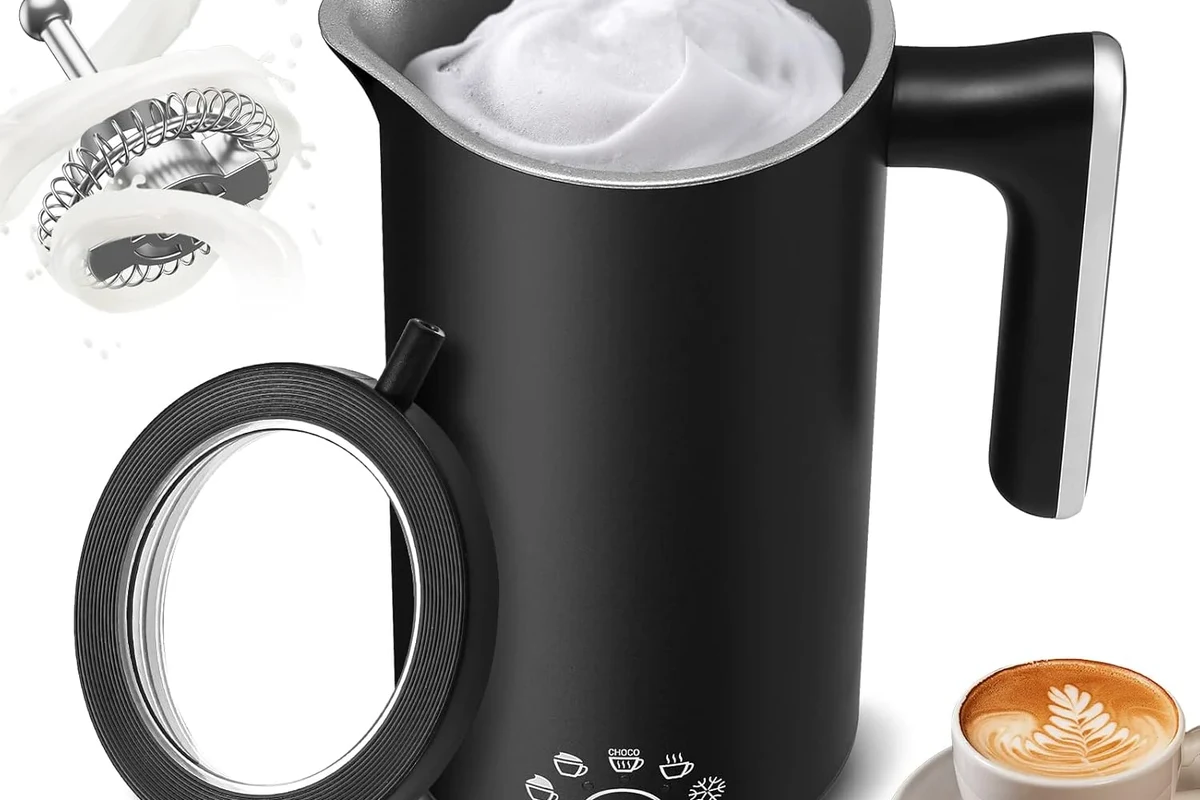
An electric milk frother changes plain milk into foam with tiny air bubbles. It can also warm the milk in some models, which makes drinks feel smoother and richer.
That matters because foam does more than look nice. It changes the drink’s texture, taste, and how the coffee mixes with the milk.
Quick answer: how does an electric milk frother work?
Most electric milk frothers use a small motor to spin a whisk fast. The whisk beats air into the milk and turns it into foam.
Heated frothers add warmth at the same time. Steam wand models use hot steam to stretch the milk and build foam.
Why foam changes the feel and taste of drinks
Foam makes a drink feel lighter on your tongue. It also softens the sharp edge of coffee and can make cocoa taste creamier.
In short, foam changes the balance of the drink. You get more body, a softer sip, and a nicer top layer.
Milk foams best when it has proteins that can trap air and hold shape.
How an Electric Milk Frother Works Step by Step
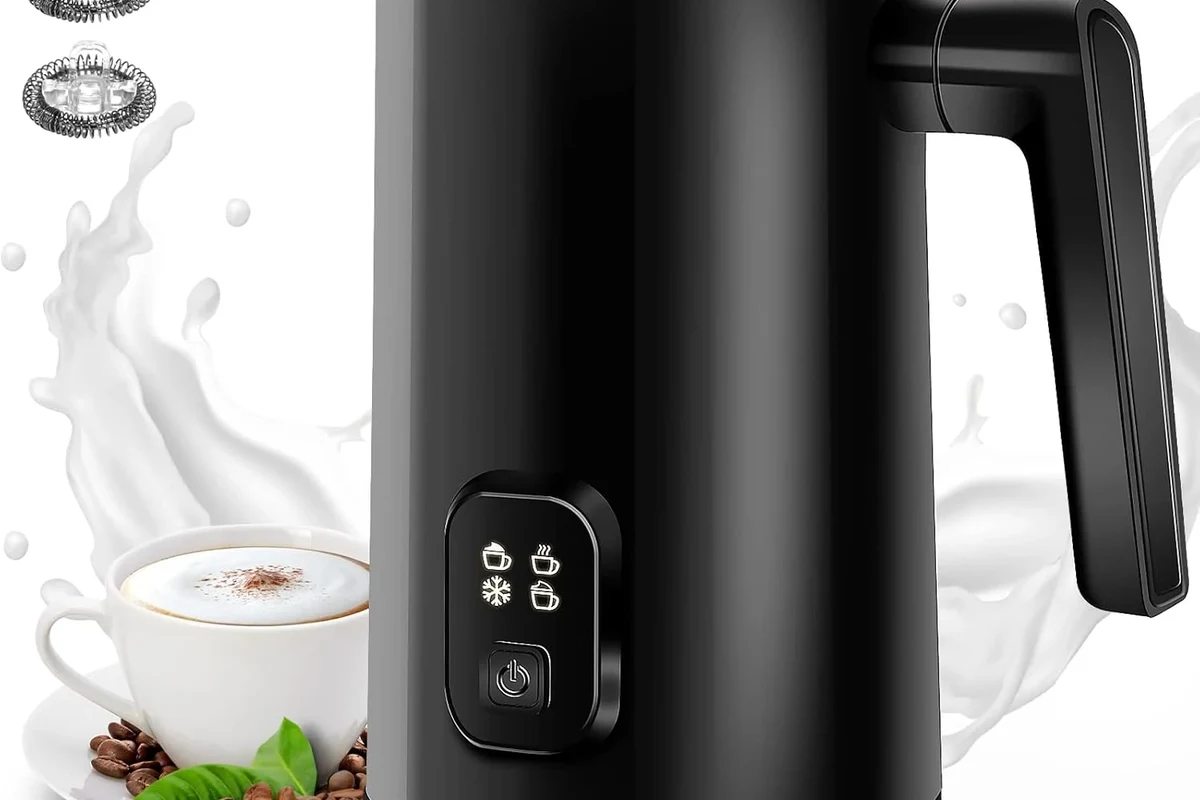
The basic idea is simple. The frother moves fast, pulls air into the milk, and turns that air into stable bubbles.
Different models do this in different ways. But the foam starts the same way each time.
The motor, whisk, and spinning action
A small electric motor powers the whisk. The whisk spins quickly and stirs the milk hard enough to mix in air.
That fast motion breaks the milk surface into tiny bubbles. Smaller bubbles usually make smoother foam.
How air gets mixed into milk
Air enters when the whisk moves through the milk. The spinning blade or coil keeps breaking the liquid and folding air inside.
As the bubbles spread, the milk thickens and looks frothy. If the motion is too weak, the foam stays thin and loose.
What heat does in heated frothers
Heat helps some frothers make a warmer drink. Warm milk also feels sweeter and blends well with coffee.
But too much heat can hurt foam. Very hot milk often makes weak foam and can taste flat.
Exact frothing results vary by model, milk type, and fill level. Always check the product manual for the best method.
Add the amount the frother allows. Leave room for foam to expand.
The whisk spins, or steam pushes through the milk.
The milk thickens as air gets trapped in tiny bubbles.
Types of Electric Milk Frothers and How They Differ
Not all frothers work the same way. The type you choose affects foam style, cleanup, and how much milk you can make.
Handheld frothers
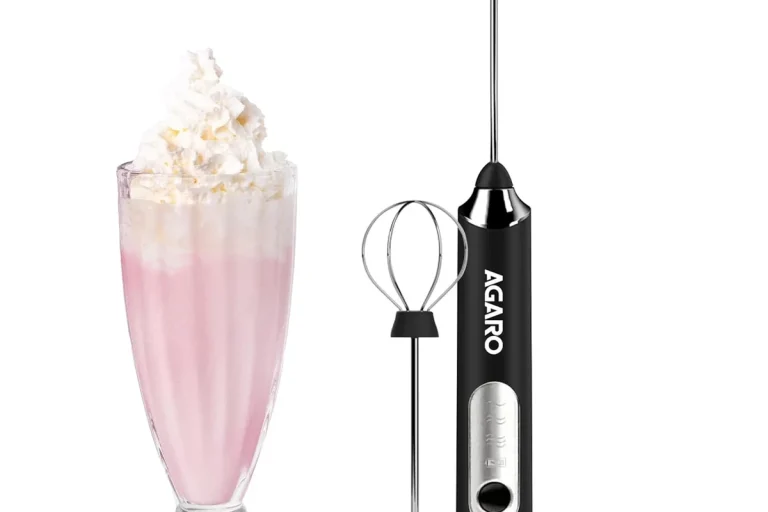
Handheld frothers are small battery or plug-in tools with a spinning whisk. You place them in a cup or mug and move them by hand.
They are fast and easy to store. They also work well for one drink at a time.
Jug or pitcher frothers
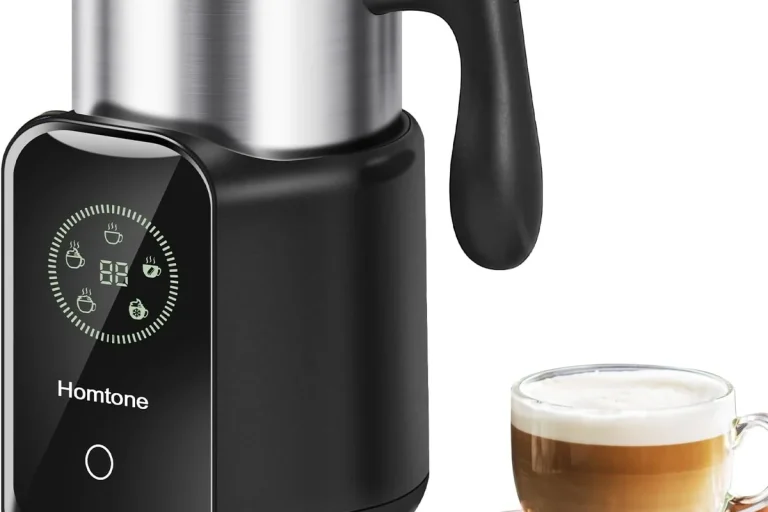
Jug frothers sit on a base and froth milk in a built-in container. Many can also heat the milk.
They often give more even foam because the whisk and container work together. They are a good fit if you make drinks often.
Steam wand style frothers
Steam wand frothers use hot steam to stretch milk. This style is common on espresso machines.
It can make fine, silky foam when used well. It also takes more practice than a simple whisk frother.
Best for quick foam and small kitchens.
Best for easy heating and more even results.
Best for café-style milk texture with practice.
Best Milk, Temperature, and Froth Results
Milk choice has a big effect on foam. So does temperature, since milk that is too hot or too cold can behave badly.
Whole milk vs low-fat milk vs plant milks
Whole milk usually makes rich, stable foam. Its fat and protein balance helps create a creamy mouthfeel.
Low-fat milk can make more foam volume, but the foam may feel less rich. Plant milks vary a lot, so some froth well and others fall flat.
Ideal milk temperature for foam
Warm milk often froths best. It helps the foam form without making the milk taste cooked.
Very hot milk can break down foam and dull flavor. Very cold milk may need more time to froth well.
Ingredients and add-ins that can change froth quality
Sugar, syrups, and cocoa can change foam texture. Some add-ins make the milk heavier or stop bubbles from holding well.
For example, thick sauces and heavy mix-ins can weigh foam down. Add them after frothing when possible.
- Use fresh milk for better foam and cleaner flavor.
- Keep thick syrups out of the frothing step when you can.
- Check plant milk labels for “barista” blends if you want better foam.
Benefits, Limits, and Who Should Use One
An electric milk frother is useful if you like coffee drinks at home. It can make drinks feel more like a café order without much effort.
Still, it has limits. It won’t replace an espresso machine for every drink style.
Best uses for lattes, cappuccinos, and hot chocolate
Frothers work well for lattes because they make smooth milk with light foam. They also help cappuccinos by adding a thicker top layer.
Hot chocolate can benefit too. The foam makes it feel creamier and more special.
When a frother may not be the right choice
If you want large drinks for a crowd, a small frother may feel slow. If you need true espresso texture, a basic handheld model may not be enough.
Some drinks also need more control than a simple frother can give. In that case, a steam wand or espresso setup may fit better.
Cost and value in 2026
Value depends on how often you use it and what style you want. A basic frother can be a smart buy for simple home drinks.
More advanced models may be worth it if you want heat control, easier cleanup, or bigger batches. Compare features, not just looks.
Common Mistakes That Ruin Foam
Most bad foam comes from a few easy-to-fix problems. The good news is that they are simple to avoid once you know them.
Overfilling the frother
Too much milk leaves no room for air and expansion. That can cause spills and weak foam.
Use the fill line if your model has one. If not, leave clear space at the top.
Using milk that is too hot or too cold
Milk that is too hot can lose its texture. It may also taste scorched.
Milk that is too cold may froth slowly. It may also need more time than the machine can give well.
Frothing for too long or too little
Short frothing can leave milk thin and uneven. Too much frothing can make the foam dry and stiff.
Watch the texture, not just the clock. The right stop point depends on the model and milk type.
Using the wrong milk type for the drink
Some milks are made for foam, while others are not. Thin foam may be fine for one drink and wrong for another.
Choose the milk that matches your goal. Rich foam, soft foam, and pourable foam all need different results.
The foam looks thin, watery, or uneven.
Use less milk, check the temperature, and froth for a shorter time.
Safety, Cleaning, and Maintenance Tips
Electric frothers are simple, but they still need care. Heat, water, and electricity can create problems if you rush.
Safe use around heat and electricity
Keep the base, cord, and plug dry. Never use a damaged frother or one with loose parts.
Safety Note: follow the manual for fill levels, heat limits, and cleaning steps. If the cord or housing looks damaged, stop using it.
Follow the appliance manual and stop using damaged equipment.
How to clean the whisk, jug, and lid
Clean the parts soon after use. Milk dries fast and becomes harder to remove later.
Rinse removable parts with warm water. Use mild soap if the manual allows it.
Simple care tips that help it last longer
Do not scrape delicate parts with sharp tools. That can damage the whisk or coating.
Store the frother dry and unplugged. Check the whisk, seals, and lid now and then for wear.
Rinse or wash removable parts right away and dry them well.
Inspect the whisk, lid, and power parts for wear or buildup.
Final Recommendation: Is an Electric Milk Frother Worth It?
For most home coffee drinkers, yes, an electric milk frother is worth it. It gives you faster foam, better texture, and more drink variety with little effort.
If you want café-style drinks at home, it is one of the easiest tools to add to your kitchen.
Best choice for home coffee drinkers
A basic frother is a strong pick if you make one or two drinks at a time. It is simple, compact, and easy to learn.
If you want more control, a jug frother or steam wand style may be a better long-term fit.
When to upgrade, skip, or buy a basic model
Upgrade if you want better heat control, smoother foam, or more capacity. Skip it if you rarely make milk drinks at home.
Buy a basic model if you want a low-fuss way to improve coffee and cocoa. That is usually the best first step for most kitchens.
An electric milk frother works by mixing air into milk with a fast whisk or steam. For most people, a basic model is the best value, while steam wand styles suit readers who want more control and café-like foam.
Frequently Asked Questions
It uses a small motor or steam to mix air into milk. That turns the milk into light foam with tiny bubbles.
Whole milk usually makes rich, stable foam. Low-fat and plant milks can work too, but results vary by brand and formula.
Thin foam often comes from overfilling, the wrong milk, or frothing for too short a time. Milk temperature can also affect the result.
Rinse or wash removable parts soon after use, if the manual allows it. Keep the base, cord, and plug dry.
A handheld frother works well for one quick drink and saves space. A jug frother is better if you want easier heating and more even foam.
Stop using it if the cord, plug, housing, or whisk looks damaged. Follow the manual and replace the unit if it no longer works safely.