Why Is My Electric Milk Frother Not Working Fix It Fast

Most electric milk frother problems come from power, fill level, dirty parts, or a worn motor. Clean it, test it safely, and replace it if you spot damage or a burnt smell.
If your electric milk frother is not working, the cause is usually simple. Start with power, fill level, cleaning, and the whisk, then move to a replacement if the unit still fails.
- Check power first: Outlets, batteries, plugs, and base contacts fail often.
- Use the right fill level: Too much or too little milk can stop frothing.
- Clean the whisk well: Milk residue and scale can block smooth spinning.
- Stop on safety warning signs: Burnt smells, damaged cords, and cracks need replacement.
Why Is My Electric Milk Frother Not Working? The Fast Answer

Most frother problems come from a dead outlet, a loose base, too much or too little milk, or buildup around the whisk. Some models also stop if the lid is not seated, the cup is dirty, or the motor has worn out.
In short, check the easy stuff first. If the frother still will not spin, heat, or turn on, stop using it and review the manual.
Follow the appliance manual and stop using damaged equipment.
How an Electric Milk Frother Works

An electric milk frother uses a small motor to spin a whisk or heat and whip milk. Some models only froth, while others also warm the milk.
That simple design helps explain most failures. If one small part gets blocked or loses power, the whole unit may seem broken.
Frother types and what each one does
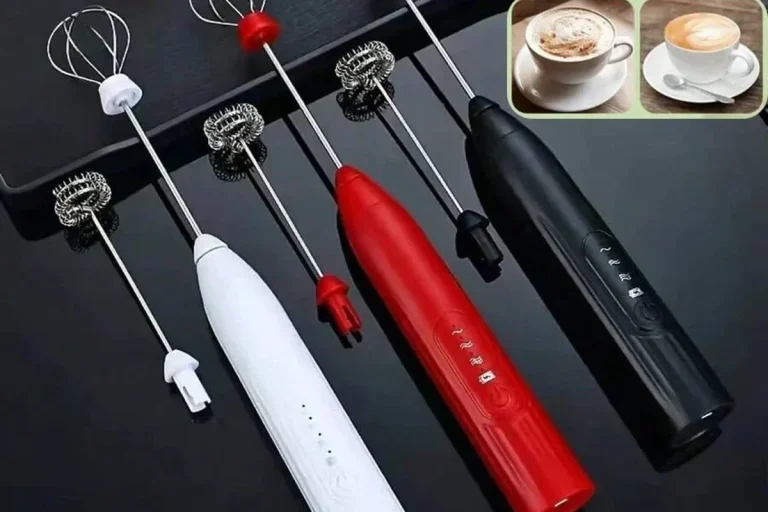
Handheld frothers use a small wand with a spinning whisk. They are light, fast, and easy to store.
Jug-style frothers sit on a base and often heat and froth at the same time. These are common for lattes, cappuccinos, and hot chocolate.
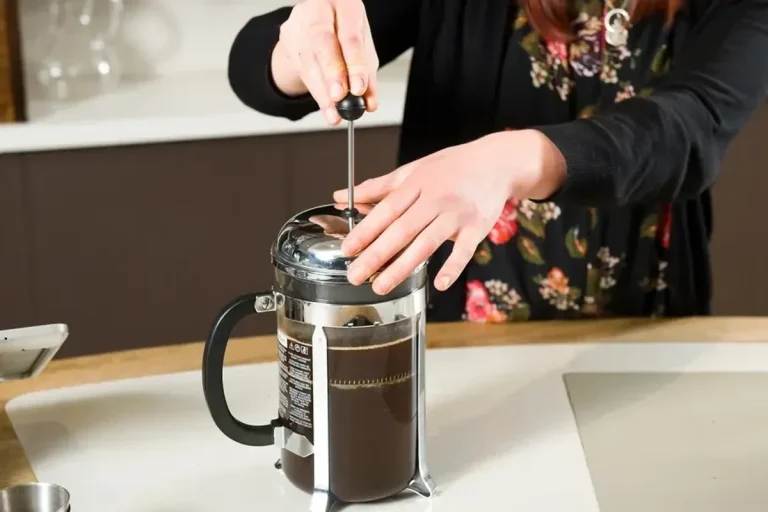
Manual frothers use no power at all. They work by pumping, pressing, or shaking milk by hand.
In short, the type matters because the failure points change. A handheld unit often has battery or motor issues, while a jug model may have base or heating problems.
Key parts that can fail
Several parts can stop a frother from working well. The most common are the power source, whisk, lid, base contact, and heating system.
Some models also have a safety switch that prevents use when parts are not locked in place. That is helpful, but it can confuse people when the frother will not start.
Brings electricity from outlet or battery to the motor.
Spins milk into foam and can clog with residue.
May block startup if the unit is not set correctly.
Common Reasons Your Milk Frother Stops Working
When a frother fails, the cause is often ordinary. It may be a power issue, a fill mistake, or a dirty part that no longer moves freely.
Power problems and bad connections
Check the outlet first. Plug in another small appliance to see if the outlet works.
For corded frothers, look for a loose plug or a damaged cord. For battery models, weak batteries can make the motor sound tired or stop it completely.
With jug frothers, make sure the cup sits flat on the base. If the contact points are dirty, the unit may not power on.
The frother will not turn on at all.
Test the outlet, check the plug or batteries, and clean the contact points.
Wrong fill level or poor milk choice
Too much milk can stop the whisk from moving well. Too little milk can leave the whisk spinning in air.
Both problems can make the frother seem weak or broken. Many models work best with cold or just-warmed milk, but the exact range varies by model.
Milk type also matters. Whole milk usually makes richer foam, while some plant milks need a frother made for them.
Foam results vary by milk type, fat level, and the frother’s design. Check the manual for the best fill line and milk advice.
Clogged whisk, scale, or burned motor
Milk residue can dry around the whisk and slow it down. Hard water can leave scale on heating parts and metal pieces.
If the motor sounds strained, smells hot, or stops after a short time, it may be overloaded. That can happen after thick milk, overfilling, or long use without a break.
Do not keep restarting a frother that smells burnt. That can make the damage worse.
Broken lid, switch, or heating element
Some frothers need the lid or whisk cap in the right place before they start. A cracked lid or bent part can block the safety lock.
If the unit spins but does not heat, the heating element may have failed. That kind of repair often needs a technician or a full replacement, depending on the model.
Step-by-Step Troubleshooting Guide
Work from the safest and simplest checks first. That saves time and helps you avoid a needless replacement.
Look for cracks, loose parts, leaks, or a damaged cord.
Test the outlet, batteries, or base contact with another device if safe.
Use the fill line in the manual, not a guess.
Remove dried milk and check that the whisk spins freely.
Quick checks before you buy a replacement
Try the frother with the right milk amount and a clean whisk. Then listen for the motor and watch for movement.
If the unit works sometimes, the issue may be a loose connection or dirty contact point. If it never works, the fault is likely deeper.
Mild dish soap
Dry cloth
Warm water
How to test the frother safely
Only test the frother when it is clean, dry, and assembled the right way. Use the manual as your guide.
Do not open the housing or touch internal wiring. That can be dangerous and may void the warranty.
- Use the manual’s fill line and assembly steps.
- Unplug the unit before cleaning or checking parts.
- Do not force a stuck whisk or lid.
- Do not run a damaged frother.
When a fix is simple and when it is not
A simple fix often means cleaning, reseating parts, or swapping batteries. Those are common and low risk.
It is not a simple fix if the motor smells burnt, the cord is damaged, or the heating function fails. At that point, replacement is often the safer path.
Cleaning and Maintenance That Keep It Working
Good cleaning habits prevent most frother problems. Milk dries fast, and even a thin film can cause trouble later.
Daily cleaning habits that help
Rinse the whisk and cup right after use. Warm water and mild soap usually do the job.
Dry all parts fully before storage. Moisture can lead to smell, residue, and rust on some parts.
Rinse, wash, and dry the whisk, cup, and lid.
Check for residue around seams, seals, and contact points.
Inspect for scale, wear, loose parts, or strange smells.
Deep cleaning for buildup and residue
If milk has dried inside the frother, soak removable parts only if the manual allows it. Use warm water and a soft brush or sponge.
For scale, many manufacturers suggest a safe descaling method. Always follow the brand’s instructions, since some finishes and coatings can be damaged by harsh cleaners.
If foam starts dropping off fast, check for hidden residue on the whisk or inside the cup.
Storage tips to prevent damage
Store the frother dry and assembled only as the manual recommends. Keep cords untangled and away from heat.
If your model uses batteries, remove them for long storage when the maker advises it. That can help prevent leaks.
Safety Tips and Common Mistakes to Avoid
Frothers are small, but they still use heat and electricity. That means simple mistakes can create real risk.
Milk, water, and heat safety
Use only the amount of liquid the manual allows. Hot milk can bubble up fast and spill over.
Keep water away from non-washable electrical parts. Even a small leak can damage the unit or create a shock risk.
Never submerge the motor base or corded electrical parts in water unless the manual clearly says they are washable.
Overfilling, overheating, and misuse
Overfilling is one of the easiest mistakes to make. It can stop the whisk and push milk into places it should not go.
Running the frother too long can also overheat the motor. If the unit feels very hot, let it cool before trying again.
Repair, Replace, or Upgrade: What Makes Sense?
Some frothers are worth saving. Others are not, especially if the unit is old or the problem affects safety.
Signs your frother is worth fixing
It is often worth fixing when the issue is just dirt, a bad battery, or a loose lid. Those problems are cheap and easy to address.
If the frother is still under warranty, check the maker’s support page before doing more. That may save you money and protect your coverage.
When a new model is the better value
Replacement makes more sense when the motor is weak, the heating part fails, or the cord is damaged. Those problems usually point to deeper wear.
It also makes sense if the unit needs frequent cleaning and still clogs often. At some point, a better design saves more time than a repair.
Features to look for in a replacement
If you decide to upgrade, focus on the features that match your habits. Easy cleaning and the right capacity matter more than flashy extras.
- Check capacity and footprint.
- Look for easy cleaning and safe parts.
- Review warranty terms and return rules.
- Confirm milk type and foam settings.
Final Recommendation: Fix It Fast or Move On
Start with power, fill level, cleaning, and reassembly. Those checks solve many frother problems without any cost.
If the frother still will not work after those steps, stop using it and consider replacement. A burnt smell, damaged cord, or failed heating part usually means it is time to move on.
Most electric milk frother problems are simple and fixable, but safety comes first. Clean it, test it correctly, and replace it if the motor, cord, or heating part shows damage.
Frequently Asked Questions
Check the outlet, plug, batteries, and base contact first. Also make sure the lid and whisk are seated the way the manual shows.
The milk level may be off, or the whisk may be dirty or worn. Milk type also matters, and some plant milks foam better than others.
Often, yes, if the issue is only buildup on removable parts. Clean it gently and follow the manual for any safe descaling steps.
No, stop using it right away. A burnt smell can point to motor damage or overheating, which may be unsafe.
Replace it if the cord is damaged, the motor fails, or the heating part no longer works. Replacement also makes sense if repairs cost more than a new model.
Rinse and dry it after each use, avoid overfilling, and store it carefully. Regular cleaning keeps milk residue from building up and slowing the whisk.