How Often Should You Replace Coffee Mugs for Safety and Style

Replace coffee mugs when they crack, chip, smell bad after washing, or feel unsafe to hold. If a mug still looks smooth, cleans well, and feels solid, it can keep serving coffee.
Most coffee mugs do not need a set replacement date. Replace them when you see chips, cracks, worn glaze, bad smells, or handle damage. For many homes, that means checking mugs often and replacing the ones that no longer feel safe or comfortable.
- Replace by condition: Cracks, chips, and weak handles are the main warning signs.
- Check often: Daily-use mugs deserve a quick look every few months.
- Safety first: Damaged mugs can cut you, leak, or fail with hot drinks.
- Care helps: Gentle washing and careful storage can extend mug life.
How Often Should You Replace Coffee Mugs? The Short Answer
There is no single rule for every mug. A sturdy mug can last for years if you treat it well. But a mug with damage should go sooner, even if it still holds coffee.
A good habit is to inspect mugs every few months. If you use one daily, look at it more often. The real answer is simple. Replace the mug as soon as safety or comfort starts to slip.
Follow the mug maker’s care notes and stop using any mug with cracks or sharp chips.
Signs Your Coffee Mug Needs to Go

Some mug problems are easy to spot. Others build up slowly. Either way, the goal is the same. Catch the damage before it turns into a burn, spill, or cleanup mess.
Cracks, chips, and hairline damage
Cracks are the biggest red flag. Even a thin hairline crack can grow fast with hot drinks, cold water, or dishwashing. A chip on the rim can also cut your lip or tongue.
If the mug has a crack, stop using it. If it has a deep chip, replace it soon. Small rim chips may seem minor, but they often get worse with time.
You notice a crack, chip, or rough edge.
Retire the mug from daily use and move it out of the hot-drink rotation.
Stains, odors, and rough surfaces
Some stains are harmless, but heavy buildup can hide wear. If a mug keeps a sour smell after washing, something may be trapped in tiny surface marks. A rough inside can also mean the glaze has worn down.
That rough feel matters. It can make cleaning harder and may hold residue longer. If scrubbing no longer helps, replacement is often the easiest fix.
Small surface scratches can hold coffee oils and make a mug smell stale faster.
Loose handles and glaze wear
A mug handle should feel solid. If it wiggles, cracks, or feels thin, the mug may fail when it’s full of hot liquid. That is not a risk worth taking.
Glaze wear is another clue. When the finish looks thin, dull, or pitted, the mug may be nearing the end of its useful life. It may still look okay from far away, but close up tells the truth.
What Affects Coffee Mug Lifespan
How long a mug lasts depends on more than age. Material, use, and care all matter. Two mugs bought on the same day can age very differently.
Material type: ceramic, glass, stainless steel, and travel mugs
Ceramic mugs are common and easy to enjoy. They can last a long time, but they chip more easily than metal. Glass mugs look nice, but they can crack from sudden heat changes.
Stainless steel mugs and travel mugs usually handle bumps better. Still, lids, seals, and coatings can wear out. If the mug is meant for travel, the lid often fails before the cup itself.
Good for daily home use, but chips can shorten its life.
Looks clean and modern, but it dislikes sudden temperature shifts.
Strong for travel, though lids and seals need checks.
Great for commuting, but moving parts wear faster than the cup.
How often you use it
A mug used once a week may last much longer than one used every morning. Daily use means more washing, more heat, and more chances for bumps in the sink.
If you stack mugs tightly or grab the same one fast each day, wear can show up sooner. It’s a bit like shoes. The more you wear them, the sooner they show it.
Dishwasher, microwave, and temperature shock
Dishwashers can be rough on some mugs, especially older ones with worn glaze or printed designs. Microwaves can also stress mugs that have metal trim or hidden damage. Always check the mug’s care label or maker notes.
Temperature shock matters too. A cold mug filled with boiling liquid, or a hot mug rinsed in cold water, can crack. That kind of damage often starts small and gets worse later.
Only microwave mugs that the maker says are microwave safe. If a mug sparks, smells odd, or gets very hot, stop using it.
Safety Risks You Should Not Ignore
Most mug problems are small at first. But some can affect food safety or burn safety. That’s why it helps to treat damage seriously instead of hoping it stays minor.
Bacteria buildup in damaged mugs
Cracks and chips can trap coffee, milk, and moisture. That creates tiny hiding spots that are hard to clean well. Even if you wash the mug, residue can stay behind.
If a mug keeps smelling stale or looks dirty after normal washing, that’s a warning sign. You may not be able to clean it back to full shape. In that case, replacing it is the safer move.
Lead, glaze, and old printed designs
Older mugs and some low-quality imported mugs can raise concern if the glaze or printed design wears badly. The safest move is to follow the maker’s guidance and avoid using mugs that show heavy surface damage.
If you have an older mug with a faded graphic, worn rim, or unknown origin, be cautious. When in doubt, use it for dry storage or decor instead of hot drinks. For safety questions, check official recall notices and product guidance.
When a mug becomes unsafe for hot drinks
A mug becomes unsafe when it can no longer hold hot liquid without risk. That may happen because of a crack, a weak handle, or a damaged base. It may also happen if the mug leaks or gets too hot to hold.
If you would not trust the mug with boiling water, don’t trust it with coffee. That simple test often tells you enough.
Cleaning and Maintenance Tips to Make Mugs Last Longer
Good care can stretch a mug’s life. It also keeps stains down and makes daily use more pleasant. A little routine goes a long way here.
Daily cleaning habits that help
Rinse mugs soon after use so coffee oils do not sit and dry. Wash them with a soft sponge and mild soap. Then let them dry fully before stacking.
Avoid hard scrubbing unless you need it. Very rough pads can wear the surface faster. That can make stains and odors come back sooner.
Rinse, wash, and dry the mug before storing it.
Check for chips, cracks, handle wear, and stubborn residue.
How to remove stains and coffee buildup
For light stains, try warm water, dish soap, and a soft sponge. For tougher marks, a paste made from baking soda and water can help lift coffee rings. Rinse well after cleaning.
If buildup stays after normal care, don’t keep scrubbing forever. A mug that needs too much effort may already be worn. At some point, replacement saves time and hassle.
Storage tips to prevent chips and cracks
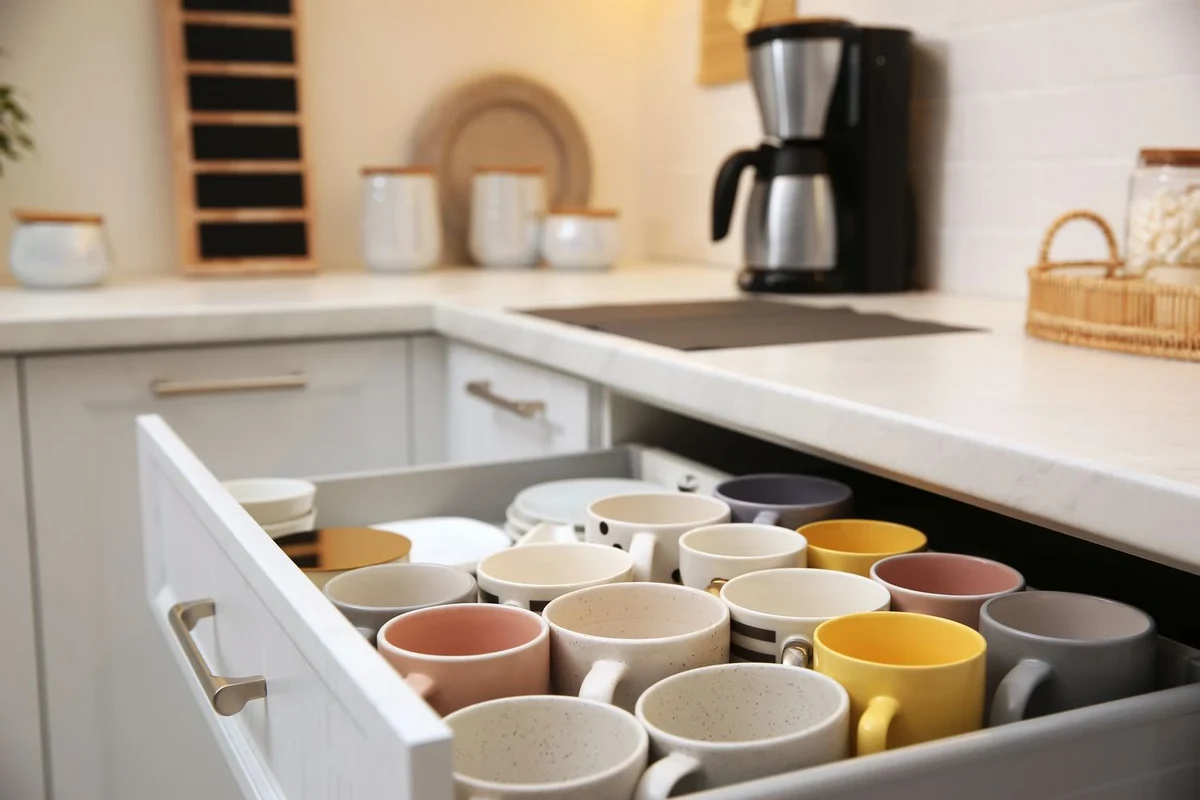
Store mugs where they won’t knock into each other. If you stack them, make sure the rims do not grind together. A small shelf liner can help reduce damage.
Keep mugs away from crowded cabinet edges. One bump from a heavy plate can chip a rim fast. I’ve seen this happen in busy kitchens more than once, and it’s usually preventable.
- Let mugs cool before washing them in cold water.
- Store favorite mugs where they’re easy to grab safely.
- Check handles first if you use the mug for very hot drinks.
When to Replace for Style, Comfort, or Value
Safety is the main reason to replace a mug. But comfort and style matter too. If a mug no longer fits your routine, it may not earn its spot in the cabinet.
Outdated designs and worn looks
A mug can still work fine and look tired. Faded prints, dull glaze, and old gift designs can make your kitchen feel cluttered. If you enjoy a cleaner look, replacement can refresh the whole shelf.
That does not mean every old mug should go. Some people like the charm of a well-used favorite. The key is whether it still feels good to use.
Handle comfort and size issues
Some mugs look nice but feel awkward in the hand. A handle that is too small, too narrow, or too hot can make daily use annoying. If you keep avoiding one mug, that tells you something.
Size matters too. A mug that is too small may force refills, while one that is too large may cool coffee too fast. The best mug is the one you reach for without thinking.
When replacement costs less than repair
Most mugs are not worth repairing. A chipped rim, worn glaze, or weak handle usually means the mug has reached the end. Since mugs are simple items, replacement often makes more sense than fixing them.
That is especially true for low-cost mugs. If the damage affects safety or comfort, move on. Save repairs for pieces that truly matter, like heirloom ceramics.
Best Replacement Choices and Final Recommendation
When it’s time for a new mug, focus on safety first. Then look at comfort, cleaning, and how you actually drink coffee each day. That keeps you from buying another mug that fails the same way.
How to choose a safe, durable new mug
Pick a mug with a smooth rim, a solid handle, and a finish that feels even. Check that it matches your microwave and dishwasher needs if you plan to use those. If you buy online, read the care notes before you order.
- Check material and care instructions.
- Look for a comfortable handle and stable base.
- Confirm microwave and dishwasher use if needed.
- Choose a size that fits your daily coffee habit.
Best options by use case and budget
For everyday home use, a simple ceramic mug is often the easiest choice. For travel or commuting, stainless steel or a sealed travel mug usually makes more sense. For display or special drinks, glass can be a nice pick if you handle it carefully.
Budget matters, but value matters more. A mug that lasts longer and cleans easily is usually the better deal. A cheap mug that chips fast can cost more in the long run.
Choose a sturdy ceramic mug with a smooth finish.
Choose a travel mug with a secure lid and easy-clean parts.
Replace it right away if it has cracks, chips, or a loose handle.
Final verdict on replacement timing
So, how often should you replace coffee mugs? Replace them as soon as they show damage, smell bad after cleaning, or stop feeling safe and comfortable. For many households, that means some mugs last for years, while others need replacement much sooner.
The best rule is simple. Keep the mugs that are smooth, solid, and easy to clean. Retire the ones that no longer pass that test.
Replace coffee mugs based on condition, not age. If a mug has cracks, chips, weak handles, or stubborn wear, it’s time for a new one.
Frequently Asked Questions
Check for cracks, chips, loose handles, and rough spots. If the mug leaks, smells bad after washing, or feels weak, replace it.
Not always. Light stains are common, but heavy buildup, odd smells, or rough glaze can mean the mug is worn out.
It depends on the chip, but rim chips can cut your mouth and grow over time. If the damage is sharp or deep, replace the mug.
Rinse them soon after use, wash with a soft sponge, and store them so they do not knock together. Avoid sudden temperature changes when possible.
Travel mugs are often better for bumps and spills, but lids and seals wear out. Ceramic mugs are fine for home use if they stay intact and clean.
Stop using it for hot drinks as soon as it cracks, chips, or develops a loose handle. If you would not trust it with boiling water, replace it.