Do Electric Milk Frothers Work A Simple Honest Review

Yes, electric milk frothers work well for easy home drinks and quick foam. They do best when you use the right milk, fill level, and cleaning routine.
Yes, electric milk frothers do work. For most home drinks, they can make light foam, warm milk, and quick cold foam with very little effort.
They are not the same as a café steam wand, though. A good frother can be a smart buy if you want easy drinks and simple cleanup.
- Good for home use: They make foam, heat milk, and save time.
- Milk matters: Dairy and barista plant milks usually froth best.
- Not café perfect: Steam wands still make finer microfoam.
- Easy care helps: Clean the whisk and jug right after use.
Do Electric Milk Frothers Work? The Short Answer and What to Expect

An electric milk frother can make a nice cup feel more like a café drink. It works best for people who want fast results without learning espresso machine skills.
In short, it can do the job well for daily home use. But it has limits, and those limits matter if you want thick microfoam or large drinks.
What an electric milk frother can do well
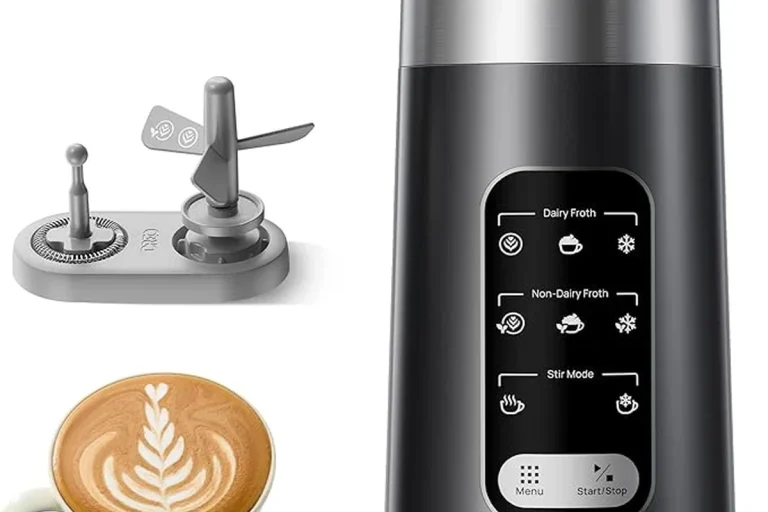
Most electric frothers handle three main jobs. They can froth milk, heat milk, or do both at once.
They are great for:
- Quick foam for lattes and cappuccinos
- Warm milk for hot chocolate
- Cold foam for iced coffee and matcha
- Small servings with little mess
Many users like them because they are simple. You add milk, press a button, and wait a short time.
Electric milk frothers work well for easy home drinks, but they do not match a steam wand for café-style texture.
Where it falls short compared with steam wands
A steam wand can create finer foam and more control. That matters if you want latte art or very dense foam.
Electric frothers also vary a lot by model. Some make airy foam, while others make only a light layer on top.
They may also struggle with bigger batches. If you serve more than one drink at a time, capacity can become a problem.
Milk foam changes based on protein, fat, and temperature. That is why the same frother can give different results with different milks.
How Electric Milk Frothers Work
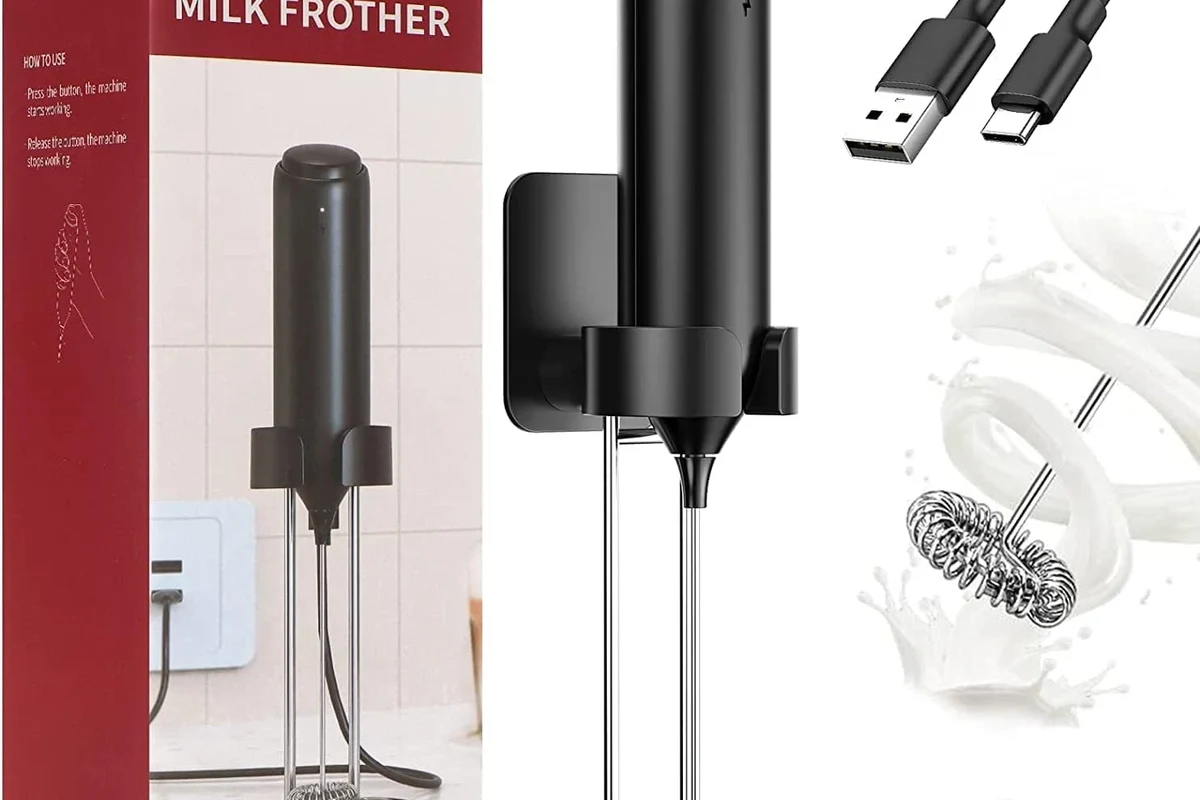
Most electric frothers use a small whisk, spinning disk, or built-in heater. The moving part pulls air into the milk and builds foam.
Some models heat the milk at the same time. Others only froth, so you must warm the milk first.
Frothing vs heating vs whisking
Frothing means adding air to milk. That creates foam on top or through the drink.
Heating raises the milk temperature. It does not always make foam by itself.
Whisking mixes and aerates the milk. In some machines, this action is the main reason the foam forms.
Why milk type changes the result
Milk type matters a lot. Different milks hold air in different ways.
Dairy milk often gives the most reliable foam. Whole milk usually tastes richer, while lower-fat milk can make lighter foam.
Plant milks can work too, but results vary by brand. Some are made to froth better than others.
Plant-based milks often need a frother that matches the brand and style. Barista blends usually foam more predictably than standard cartons.
Key Features That Affect Froth Quality
Not every frother gives the same result. A few design choices have a big effect on foam, heat, and ease of use.
Milk temperature settings and froth modes
Models with more than one setting give you more control. That can help if you want hot foam in winter and cold foam in summer.
Temperature control also matters for taste. Milk that gets too hot can taste flat or burnt.
Froth modes can change the texture too. Some make thick foam, while others make a smoother, lighter finish.
Capacity, power, and whisk design
Capacity tells you how much milk the frother can handle. If you want two drinks, check that the jug can support that use.
Power can affect speed, but design matters just as much. A smart whisk shape often helps more than raw wattage alone.
Whisk design changes the air flow and the foam size. That is one reason two frothers with similar specs can feel very different.
Material quality and ease of use
Stainless steel jugs often feel sturdy and clean up well. Plastic parts may be lighter, but they can wear faster.
Easy controls help a lot. A frother should feel simple enough for daily use, not like a puzzle.
Makes daily use fast and simple.
Helps with easier cleaning after use.
Best Uses for an Electric Milk Frother
Electric frothers shine when you want a quick drink at home. They are especially useful if you do not own an espresso machine.
Hot drinks like lattes, cappuccinos, and hot chocolate
For lattes, a frother can add a smooth milk layer on top. For cappuccinos, it can make a thicker cap of foam.
Hot chocolate also benefits from frothing. The milk mixes better, and the drink feels richer.
For example, a simple evening cocoa can feel much better with warm, foamed milk on top.
Cold foam for iced coffee and matcha
Cold foam is one of the easiest wins. It adds a creamy top without heating the drink.
This works well for iced coffee, iced lattes, and matcha drinks. It can make homemade drinks feel more polished.
Some frothers do better with cold foam than hot foam. That depends on the whisk and mode design.
Plant-based milk and dairy milk results
Dairy milk usually gives the most stable foam. That makes it a safe pick for most users.
Plant-based milk can still work well. Oat milk often performs well, but results depend on the brand and formula.
Almond and soy milks can work too. Still, they may make thinner foam or separate faster.
Best Results Start With the Right Milk
Pick a frother and milk type that fit your drink style. That simple choice often matters more than fancy extras.
Common Problems and Mistakes That Hurt Performance
When a frother disappoints, the problem is often simple. The milk, fill level, or cleaning routine may be the real issue.
Using the wrong milk or fill level
Too little milk can froth poorly. Too much milk can spill or stop the foam from building well.
Very low-protein milk may not hold air well. That can lead to weak foam and a thin result.
Read the manual for the fill line. It varies by model, and that line matters more than many people think.
Overheating, underfilling, and poor cleaning habits
Overheating can change taste and texture. Milk that gets too hot may lose sweetness and smell off.
Underfilling can make the whisk spin too fast without enough milk. That often leaves you with bubbles instead of smooth foam.
Dirty parts also hurt performance. Old milk residue can change taste and make the frother work less well.
How to fix weak foam or thin texture
Start by checking the milk type. Try a higher-protein dairy milk or a barista-style plant milk.
Then check the fill level. Stay within the marked line and avoid guessing.
If foam still looks weak, clean the whisk and jug well. Small buildup can make a bigger difference than you expect.
The foam looks thin or watery.
Use the right fill line, try a better frothing milk, and clean the whisk fully.
Safety, Cleaning, and Maintenance Tips
Milk frothers are simple, but they still need care. Heat, steam, and electricity can create risk if you ignore the manual.
Safe use around heat and electricity
Keep the base dry. Do not use the appliance if the cord, plug, or body looks damaged.
Never leave a heating frother unattended for long periods. Follow the maker’s instructions for safe use and shutoff.
If a model smells burnt, sparks, or behaves oddly, stop using it. Check the manual and contact the maker if needed.
Unplug the frother before cleaning it. Stop using it right away if you see damage, leaks, or odd heat.
How to clean the frother without damage
Clean it soon after use. Dried milk is harder to remove and can affect the next drink.
Wipe the inside with a soft cloth or sponge if the manual allows it. Avoid soaking the base or electrical parts.
Some parts may be dishwasher safe, but not all. Always check the product manual first.
Long-term care for better results
Keep the whisk, lid, and jug free of buildup. That helps the motor work smoothly and keeps foam more even.
Store the frother in a dry spot. Moisture can shorten its life.
Rinse or wipe the jug and whisk right away.
Check for residue, wear, and any loose parts.
Cost, Value, and Buying Advice
Electric frothers come in many styles, from basic whisks to richer countertop jugs. The best value depends on how often you’ll use it.
What price range makes sense in 2026
In 2026, the best choice is usually the one that fits your routine, not the fanciest model. Budget options can work well for light use.
Midrange models often give better control, stronger build quality, and easier cleaning. That can be worth it if you make drinks often.
Very expensive models only make sense if you need extra settings or larger capacity. Otherwise, the added cost may not help much.
Which features are worth paying for
Pay more for a good whisk, clear fill marks, and easy cleaning. Those features affect daily use more than flashy extras.
Temperature control is also useful. It helps you avoid overheated milk and better match different drinks.
A stable base and durable jug can also be worth it. They often make the machine feel safer and more solid.
- Check capacity for your usual drink size
- Look for easy cleaning and clear fill lines
- Review the manual, warranty, and safety notes
- Match the froth style to your favorite drinks
Who should buy one and who should skip it
Buy one if you want easy foam for coffee, cocoa, or tea drinks. It’s a strong fit for small kitchens and simple routines.
Skip it if you want café-level microfoam every day. A steam wand or espresso machine may fit you better.
Best for one or two drinks and small counters.
Best for larger batches and frequent use.
Final Verdict: Are Electric Milk Frothers Worth It?
For most home users, yes, electric milk frothers are worth it. They make good foam, save time, and keep the process simple.
They are best for people who want easy drinks without a big learning curve. They are less ideal for anyone chasing café-style precision.
Best overall recommendation for most home users
A midrange electric frother with clear settings and easy cleaning is usually the safest pick. That balance gives you better foam and less hassle.
If you mostly make one or two drinks, a compact model makes sense. If you make drinks for more people, choose a larger jug.
When a frother is a smart buy and when it is not
It is a smart buy if you want convenience, speed, and decent foam. It is not the best choice if you need pro-level texture or big volume.
In short, electric milk frothers do work. They work best when you match the model to your milk, drink style, and cleanup habits.
- Electric milk frothers make real foam and warm milk with little effort.
- Results depend on milk type, fill level, and model design.
- They work best for home drinks, not café-level steam wand foam.
- Cleaning and safe use matter as much as the machine itself.
Frequently Asked Questions
Yes, they can make good foam for home drinks. Results depend on the milk, the model, and the fill level.
Dairy milk often gives the most stable foam. Barista-style oat, soy, or other plant milks can also work well.
Weak foam often comes from the wrong milk, too much or too little milk, or a dirty whisk. Check the manual and clean the parts well.
Many are easy to clean if you do it right away. Always unplug the unit first and follow the manual for any removable parts.
Choose a frother for simple home drinks and easy use. Choose a steam wand if you want finer foam and more control.
Check capacity, cleaning, safety notes, and froth modes. Also review the warranty and make sure the size fits your counter.