Do Milk Frothers Work A Simple Guide to Better Foam

Yes, milk frothers work, and they can make smooth foam for many home drinks. The best results come from the right milk, the right fill level, and a model that fits your routine.
Yes, milk frothers do work. They can turn plain milk into foam for lattes, cappuccinos, and other drinks, but the result depends on the frother type, the milk, and how you use it.
If you want light foam for coffee at home, a good frother can make a real difference. If you want café-style foam every time, it helps to know what each model can and can’t do.
- Yes, they work: Frothers add air and can heat milk for foam.
- Results vary: Milk type, heat, and fill level change the outcome.
- Best uses: Great for lattes, cappuccinos, matcha, and hot chocolate.
- Buy smart: Check cleaning, capacity, controls, and safety notes first.
Do Milk Frothers Work? The Short Answer and What to Expect

A milk frother works by adding air to milk. Some models also warm the milk at the same time. That creates foam that looks and feels better than plain stirred milk.
For many home drinks, that’s enough. You can get a smoother top on a latte, a thicker cap for cappuccino, or a frothy layer for hot chocolate.
What a milk frother can do well
Milk frothers are great at making foam fast. They also save time compared with shaking milk by hand or whisking it in a bowl.
Many electric models are simple to use. You press a button, wait a short time, and pour.
- Makes foam with little effort
- Helps heat milk for warm drinks
- Works well for quick home coffee drinks
When a frother falls short
A frother is not a magic fix. Thin milk, old milk, or a unit filled too high can lead to weak foam.
Some frothers also make a different texture than a steam wand. That matters if you want dense microfoam for latte art.
Hot milk can burn skin fast. Follow the manual and stop if the frother smells odd, leaks, or acts strangely.
How Milk Frothers Work in Simple Terms
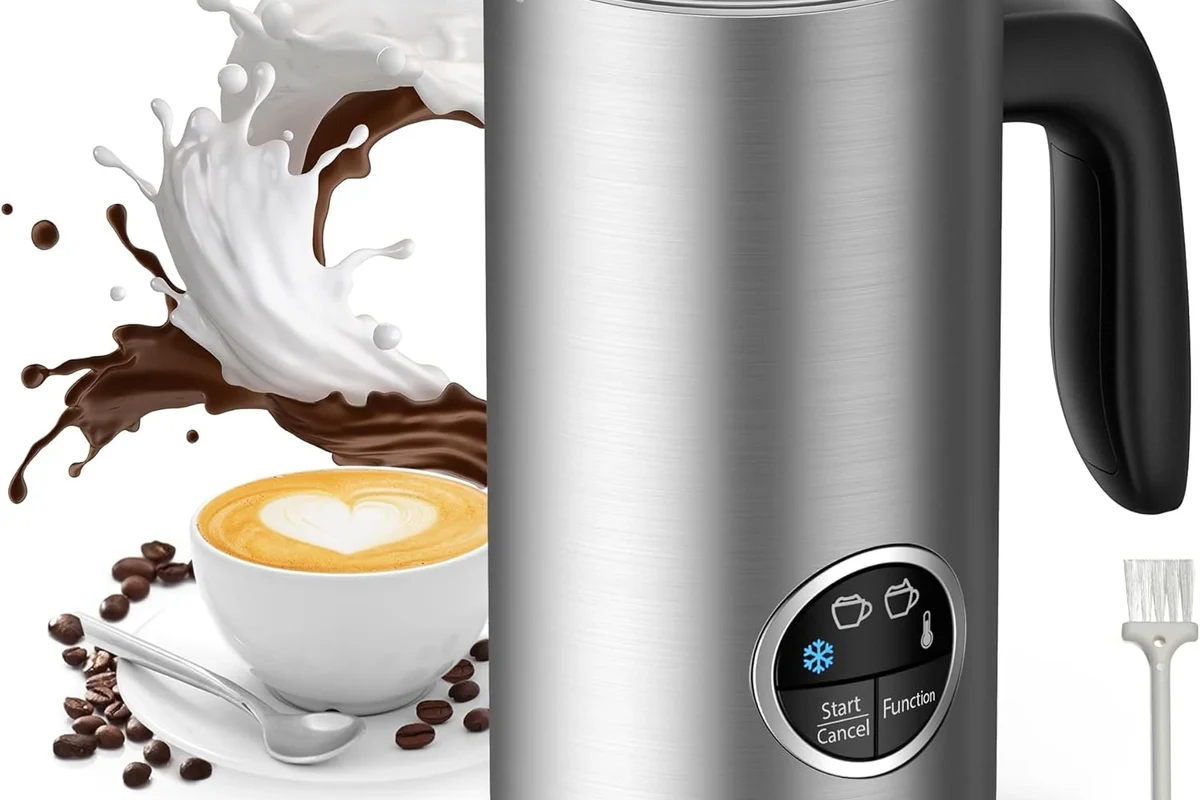
Most frothers spin, whisk, or steam milk to trap air inside it. The air bubbles give milk its foam.
Heat changes the result too. Warm milk feels richer, but too much heat can hurt taste and foam quality.
Handheld, electric jug, and steam wand styles
Handheld frothers use a small spinning whisk. You hold them in a cup or pitcher and move them through the milk.
Electric jug frothers do the work in a closed container. Many heat and froth at the same time, which makes them easy for daily use.
Steam wands use hot steam from an espresso machine. They can create very fine foam, but they take more skill.
Best for quick foam and small spaces.
Best for easy heating and frothing together.
Best for espresso fans who want more control.
Why air, heat, and milk type matter
Air creates foam. Heat helps shape the milk and improve the drink feel. Milk type changes how stable the foam becomes.
Milk with more protein often froths better. Dairy milk usually gives the easiest foam, while many plant milks vary a lot by brand.
Cold milk often froths better at first because it gives the foam more room to build before heating.
Best Uses for a Milk Frother at Home
A frother is useful if you make coffee drinks at home and want a nicer finish. It’s also handy for drinks that need a light, airy top.
You don’t need a big setup to get value from one. Even a small frother can make weekday drinks feel more special.
Coffee drinks, matcha, hot chocolate, and more
Milk frothers work well for lattes, cappuccinos, macchiatos, and iced coffee drinks. They also help mix matcha and make hot chocolate feel smoother.
Some people use them for milk-based sauces or for blending protein drinks. Just check that the container and whisk are safe for the ingredients you use.
When a frother is better than a whisk
A frother is better when you want speed and less mess. It also gives more even foam than a hand whisk in many home kitchens.
A whisk still works for a pinch. But if you make frothy drinks often, a frother saves time and effort.
- Use a tall cup with handheld frothers to reduce splashes.
- Warm milk gently for better taste and smoother foam.
- Pour right away for the best foam texture.
What to Look for Before You Buy
The best milk frother for you depends on how you drink coffee and how much space you have. It also depends on whether you want foam only or heat plus foam.
Before you buy, check the manual, the cleaning method, and the milk types the model supports. That can save you a lot of hassle later.
Foam quality, speed, heat settings, and capacity
Foam quality matters most if you like cappuccinos or latte art. Speed matters if you make drinks before work.
Heat settings are useful if you want more control over milk temperature. Capacity matters if you serve more than one drink at a time.
- Check foam style and heating options
- Match capacity to your daily drink size
- Review cleaning steps and removable parts
- Read the warranty and safety notes
Milk type, power, and ease of use
Some frothers handle dairy milk better than plant milk. Others work well across several milk types, but results still vary.
Ease of use matters too. Simple controls help if you want a fast routine. Clear markings and easy cleaning also matter for daily use.
Common Mistakes That Ruin Froth
Most bad froth comes from small mistakes. The good news is that many of them are easy to fix.
If your foam keeps falling flat, the issue is often milk choice, fill level, or heat.
Using the wrong milk or fill level
Very low-protein milk may not foam well. Some plant milks need a “barista” version to get better results.
Overfilling the cup can also hurt foam. Milk needs room to expand as air gets mixed in.
Foam looks thin or disappears fast.
Use the right fill line and try a milk that froths more easily.
Overheating, overfilling, and poor cleaning
Too much heat can make milk taste flat or burnt. It can also weaken foam.
Old milk residue can change taste and make the frother harder to clean. A clean frother usually works better and lasts longer.
- Fill only to the marked line
- Clean parts soon after use
- Use the right milk for the drink
- Do not overheat the milk
- Do not run a dirty frother
- Do not ignore odd smells or sounds
Safety, Cleaning, and Maintenance Tips
Milk frothers are simple, but they still need care. Heat, steam, and electricity all deserve respect.
Always follow the manual for your exact model. That matters because cleaning and safety steps vary a lot.
How to clean each frother type
Handheld frothers usually need a quick rinse and a wipe. Remove the whisk if the model allows it.
Jug frothers often need the container washed after each use. Some parts may be dishwasher safe, but check the manual first.
Steam wands need prompt wiping and purging after use. If you use one, clean it right away so milk does not bake on.
Rinse or wipe parts before milk dries on the surface.
Check for buildup, wear, loose parts, or damage.
Safety checks for electric models
Look for damaged cords, cracked parts, or loose lids. Stop using the frother if you see any of those signs.
Keep water away from powered bases unless the manual says a part is washable. Unplug the unit before cleaning if the instructions call for it.
Follow the appliance manual and stop using damaged equipment.
Value and Final Verdict: Is a Milk Frother Worth It?
For many home cooks, yes, a milk frother is worth it. It gives you better drinks with less effort than hand whisking.
The real value depends on how often you use it and how much foam quality matters to you. If you make coffee only once in a while, a simple handheld model may be enough.
Who should buy one and who can skip it
Buy one if you make lattes, cappuccinos, matcha, or hot chocolate often. It also makes sense if you want café-style drinks without a big machine.
You can skip one if you never use foamed milk or if you already have an espresso machine with a steam wand you like.
A milk frother adds convenience and better texture for daily drinks.
A steam wand or larger machine may suit your routine better.
Best overall takeaway for Red Kitchen Project readers
Milk frothers do work, and they work best when you match the tool to your drink style. For most people, a simple electric frother gives the best mix of ease, speed, and value.
In short, choose the model that fits your milk type, batch size, and cleanup habits. That’s the easiest way to get foam you’ll actually enjoy using.
A milk frother is a smart buy for everyday coffee and simple foam. If you want the richest control or large batches, a steam wand or larger jug model may be the better fit.
Frequently Asked Questions
Yes, but results vary by brand and type. Barista-style plant milks often foam better than regular versions.
Steam wands can make very fine foam, but they need more skill. Electric jug frothers are easier for most home users.
Follow the manual for your exact model. Rinse or wipe parts after use, and clean the base or electrical parts only as directed.
The milk may be the wrong type, the cup may be overfilled, or the milk may be too hot. Dirt buildup can also hurt foam quality.
Yes, if you make lattes, cappuccinos, matcha, or hot chocolate often. It may not be worth it if you rarely use foamed milk.
Check foam style, capacity, heat settings, cleaning steps, warranty, and safety notes. Also make sure it fits the milk types you use most.