Electric Milk Frother Tips and Tricks for Perfect Foam

An electric milk frother works best when you match the milk, fill level, and foam style to the drink. Clean it after each use, and follow the manual for safe heating and care.
Electric milk frother tips and tricks can help you get smoother foam, better taste, and fewer messes at home. The big idea is simple. Use the right milk, the right fill level, and the right froth style for your drink.
That matters because foam changes both texture and flavor. A good frother can make a plain latte feel richer and more café-like. It can also save time when you want hot milk for cocoa or cold foam for iced drinks.
- Milk matters: Whole milk and barista blends usually foam best.
- Fill level matters: Stay below the max line to prevent spills.
- Cleaning matters: Rinse or wash parts right after frothing.
- Drink style matters: Thick foam suits cappuccinos, while light foam fits lattes.
What an Electric Milk Frother Does and Why It Matters
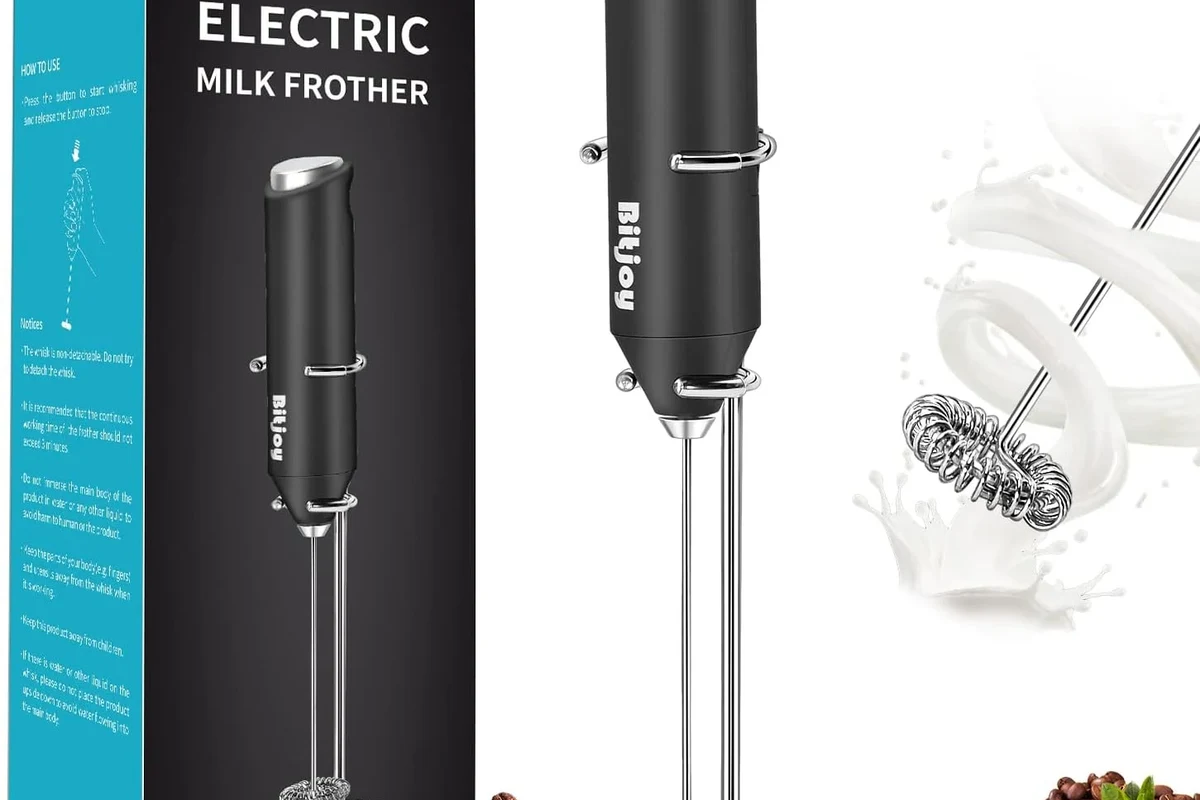
An electric milk frother adds air to milk or warms it while it spins. That turns thin milk into a light, creamy layer. Some models also heat the milk at the same time.
How frothing changes milk texture and taste
Frothing breaks milk into tiny bubbles. That makes the milk feel softer and fuller in your mouth. It can also make sweet notes stand out more.
Foam changes the drink’s balance too. Espresso can taste less sharp when you add smooth milk foam. Hot chocolate can feel thicker and more comforting.
Milk with more protein usually holds foam better than many low-protein options.
Which drinks benefit most from better foam
Many drinks improve with better foam. Lattes, cappuccinos, macchiatos, matcha drinks, and hot cocoa all benefit in different ways.
Cold foam also works well on iced coffee and iced matcha. If you like layered drinks, a frother can help you build that café look at home.
Electric Milk Frother Tips and Tricks for Better Results
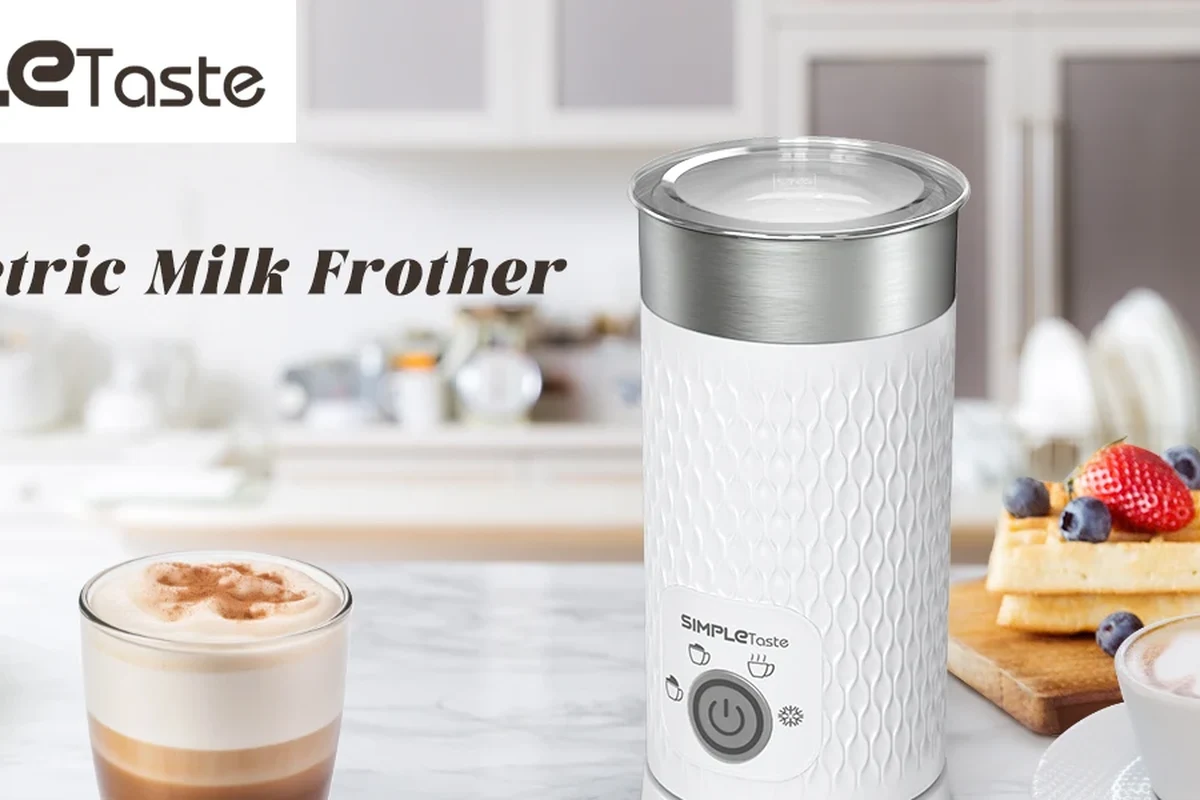
Most frother problems come from milk choice, fill level, or heat. Fix those first, and results usually improve fast.
- Use cold milk for more foam volume.
- Stay below the max line to avoid spills.
- Clean the whisk right after use.
- Match foam thickness to the drink style.
Pick the right milk for thick or light foam
Different milks froth in different ways. Dairy milk often gives the most stable foam. Whole milk usually makes a richer texture, while lower-fat milk can make a lighter top.
Many plant milks work too, but results vary by brand. Some barista-style oat or soy milks foam better than standard versions. If you want a thick cap, check the carton for froth-friendly blends.
Results vary by milk brand, fat level, protein level, and added sweeteners.
Use the right fill level for smooth froth
Overfilling is one of the fastest ways to make a mess. Foam expands as air gets mixed in, so the milk level needs space.
Always follow the max line in the manual. If your model has no clear mark, start with less milk than you think you need. You can always make a second batch.
Hot milk can spill fast when it expands. Never fill past the marked line.
Warm milk the smart way before frothing
Some frothers heat milk for you. Others work best with milk that starts cold or room temp. Check your manual before preheating.
If you warm milk first, keep it gentle. Too much heat can thin the foam and change the taste. For many drinks, mild warmth is enough.
Match the froth style to your drink
Not every drink needs the same foam. A cappuccino usually needs thicker foam. A latte often tastes better with a smoother, silkier top.
For iced drinks, cold foam should stay light and scoopable. For cocoa, a softer froth blends in well. Think about the final drink, not just the foam itself.
Choose the foam style based on the drink, not just your taste.
How an Electric Milk Frother Works
Most electric frothers use a small whisk or spinning part. That motion pulls air into the milk. Some units also use heat to warm the milk at the same time.
Heated frothers vs. cold frothers
Heated frothers are handy for lattes, cappuccinos, and cocoa. They save a step and cut down on extra pans or microwaves.
Cold frothers suit iced coffee and cold foam drinks. They do not warm the milk, so they work well when heat would hurt the final drink.
Best when you want warm drinks and one-step prep.
Best for iced drinks and light foam on top.
Whisk speed, air flow, and foam texture
Fast whisk motion usually adds more air. That can create bigger foam volume. Slower motion may make a denser, smoother texture.
Air flow also matters. More air makes lighter foam. Less air gives you a creamier feel. The best setting depends on the drink and the milk.
Key parts that affect performance
A frother’s whisk, jug shape, lid, and heat control all matter. A narrow jug can help foam rise. A weak whisk may leave the milk flat.
Build quality matters too. A good lid helps limit splashes. A stable base helps the unit stay steady on the counter.
- Capacity and dimensions
- Controls, cleaning, warranty, and safety
- Heat and foam settings
- Noise and build quality
Best Uses, Limits, and Common Mistakes
An electric frother is great for quick drinks and small batches. It is less useful when you need a lot of foam at once.
When a frother works well
Frothers shine for single servings. They are also handy when you want fast cleanup and easy use. That makes them a smart pick for busy mornings.
They also work well for simple drink upgrades. A plain latte, mocha, or hot cocoa can feel much more special with little effort.
When results may fall short
Some frothers struggle with very large pours. Others do not handle certain plant milks well. A few models also make foam that looks good but fades quickly.
If you want café-level milk art, a frother may not be enough on its own. Steam wands often give more control, but they also need more skill and cleanup.
Model design, milk type, and user technique can change results a lot. Always check the manual for your exact frother.
Common errors that ruin foam
Many foam problems come from simple mistakes. Using milk that is too warm, filling past the max line, or skipping cleaning can all hurt results.
Foam is thin and falls apart fast.
Use colder milk, reduce fill level, and choose a foam mode with more air.
Milk splashes over the top.
Stop at the fill line and use the lid before starting the cycle.
Safety Tips for Daily Frothing
Milk frothers look simple, but hot liquid and electricity need care. A few safe habits can prevent burns, spills, and damage.
Avoid spills, burns, and overfilling
Keep the milk below the max line. Leave room for foam to grow. Set the frother on a flat, dry counter before you start.
Open the lid slowly after heating. Steam can escape fast. Let the frother cool a bit before you move it.
Handle hot milk and steam with care
Hot milk can burn skin quickly. Use a steady grip and avoid leaning over the jug. Keep kids away while the frother runs.
Follow the appliance manual and stop using damaged equipment.
Keep cords, bases, and lids dry
Water and electricity do not mix well. Wipe the base with a dry cloth only. Never soak the power base unless the manual says it is safe.
If the cord looks frayed or the base feels loose, stop using the frother. Check the manual and contact the maker if needed.
Cleaning and Maintenance Tips
Clean-up is a big part of good frother results. Milk residue can build up fast and change the next batch.
Clean after every use to prevent buildup
Rinse the jug and whisk soon after use. Milk dries fast and gets sticky. A quick wash now saves more work later.
Rinse or wash removable parts right away.
Check for buildup around the whisk, lid, and seams.
How to care for the whisk and jug
Use soft cloths or non-scratch sponges. Harsh pads can wear down the finish. If the whisk comes out, handle it gently and keep track of small parts.
If your model is dishwasher safe, follow the manual exactly. If it is not, hand wash only. That small step can help the frother last longer.
Signs your frother needs deeper cleaning
If foam smells off or looks uneven, buildup may be the cause. Sticky residue around the whisk is another sign. White film or dried milk can also point to deeper cleaning needs.
When basic cleaning does not help, check the manual for safe care steps. Do not open the housing or try to fix internal electrical parts yourself.
Buying Guide: What to Look for in 2026
If you are shopping in 2026, focus on the features that match how you drink coffee. The best frother is not always the fanciest one. It is the one you will use often.
Capacity, heat settings, and foam modes
Capacity matters if you make drinks for more than one person. Smaller frothers suit single cups. Larger ones help when you want extra milk or more than one serving.
Heat settings also matter. Some users want only warm milk. Others want hot foam or cold foam too. More modes can help, but only if you will use them.
Ease of cleaning and build quality
Easy cleaning saves time and keeps milk taste fresh. Look for smooth inside surfaces, simple parts, and clear care steps in the manual.
Build quality matters for daily use. A sturdy lid, stable base, and well-made whisk can make the frother feel less fussy over time.
Noise, speed, and energy use
Some frothers run quietly. Others make a clear whirring sound. If you make coffee early in the morning, noise may matter more than you think.
Speed affects texture and timing. Faster is not always better. Energy use may also vary by model, so check the product details if that matters to you.
Value for home baristas and casual users
Home baristas may want more control and more foam modes. Casual users may prefer a simple one-button model. Either way, choose the design that fits your routine.
Final Recommendation for Home Coffee Lovers
An electric milk frother is a smart pick if you want better foam with less effort. It is especially useful for one or two drinks at a time. It also helps if you want café-style drinks without extra tools.
Who should buy an electric milk frother
Choose one if you make lattes, cappuccinos, hot cocoa, or iced coffee often. It also suits small kitchens, since many models take up little space.
If you want full control over milk texture, a steam wand may be better. But for ease and speed, a frother is often the simpler choice.
Electric milk frother
Best for fast, low-effort foam at home. The right model depends on your milk, drink style, and cleaning needs.
Best next step for getting café-style foam at home
Start with the manual, then test one milk type and one fill level. Keep notes on what works best for your favorite drink. That simple habit often leads to better foam fast.
In short, the best electric milk frother tips and tricks are about control, not luck. Use the right milk, avoid overfilling, clean it well, and match the foam to the drink.
- Choose milk that matches your foam goal.
- Stay below the fill line for safer frothing.
- Clean the whisk and jug after every use.
- Pick a model that fits your drink habits.
Frequently Asked Questions
Whole dairy milk often makes rich, stable foam. Barista-style oat or soy milk can work well too, but results vary by brand.
Stay below the max line in the manual. Foam expands fast, and overfilling can cause spills.
Milk may be too warm, the jug may be overfilled, or the whisk may need cleaning. Try colder milk and a lower fill level.
Rinse or wash removable parts after each use and follow the manual for your model. Never soak the base unless the maker says it is safe.
Yes, if your frother has a cold setting or works well without heat. Cold foam is great for iced coffee and iced matcha.
Stop using it if the cord is damaged, the base feels loose, or the unit behaves oddly. Check the manual and contact the maker if needed.