Why Cold Brew Coffee Tastes Smoother and Better

Cold brew tastes smoother because cold water extracts coffee more slowly and with less harsh bite. It’s a great choice if you want mellow coffee, easy batch prep, and a drink that mixes well with ice or milk.
Cold brew tastes smoother because it uses cold water, a long steep, and less acid extraction. That mix pulls out coffee flavor in a gentler way, so the cup often feels softer, sweeter, and less bitter than hot-brewed coffee.
- Smoother taste: Cold water usually pulls less bitterness and sharp acid.
- Simple setup: You only need coffee, water, a container, and a filter.
- Best results: Use coarse grounds, a sensible ratio, and careful straining.
- Buying tip: Choose a brewer that fits your fridge and cleans easily.
Why Cold Brew Tastes Smoother and Better
Here’s what changes in the cup, why it happens, and how to make better cold brew at home.
Why Cold Brew Tastes Smoother: The Short Answer
The short answer is simple. Cold brew tastes smoother because cold water pulls flavor from coffee more slowly and with less harsh acid.
It also tends to taste less sharp than hot coffee. That makes it feel mellow, round, and easy to sip.
Cold brew is often served diluted or mixed with milk. That can make the flavor seem even softer.
What Cold Brew Is and How It Differs From Iced Coffee
Cold brew is coffee steeped in cold or room-temperature water for many hours. Iced coffee usually starts as hot coffee, then gets cooled and poured over ice.
That difference matters a lot. Hot water pulls flavor fast, while cold water works slowly and gently.
Brewing Time, Water Temperature, and Flavor Extraction
Cold brew usually steeps for hours, not minutes. The long soak gives the water time to draw out coffee oils and flavor compounds.
Because the water stays cool, it pulls fewer of the sharp-tasting parts. Hot brewing can pull more bite, more aroma, and more acidity.
Exact taste changes depend on the bean, the grind, the steep time, and the brewer design.
Why Less Acid Often Means a Milder Cup
Many people describe cold brew as smoother because it seems less acidic. That does not mean it has no acid. It just often tastes less bright and less sharp.
For sensitive drinkers, that lower bite can be a big plus. For others, it may taste too flat without milk, water, or a sweetener.
The Science Behind Cold Brew Flavor
Cold brew flavor comes from extraction. Extraction is the process of moving flavor from the grounds into the water.
Temperature changes that process. Cold water extracts some compounds more slowly than hot water does.
How Cold Water Changes Bitterness and Strength
Cold water usually pulls fewer bitter compounds at first. That can make the drink taste cleaner and less harsh.
Still, cold brew can become bitter if it steeps too long or uses a very fine grind. Stronger does not always mean better here.
If your cold brew tastes harsh, shorten the steep time before you change the coffee brand.
What Coffee Beans and Roast Level Do to Taste
Bean choice matters a lot. A light roast can taste bright and fruity, while a dark roast can taste bold and chocolatey.
Medium roasts often work well for cold brew because they keep some sweetness without too much bite. But taste is personal, so feel free to test a few beans.
Changes sweetness, body, and how bold the brew feels.
Light, medium, and dark roasts each bring a different flavor balance.
How to Make Cold Brew at Home the Right Way
You do not need fancy gear to make good cold brew. You need coffee, water, a container, and a way to strain the grounds.
The main goal is balance. Too much coffee can taste muddy. Too little can taste weak.
Best Coffee-to-Water Ratios for Smooth Results
A common starting point is a medium-strength ratio. Many home brewers use about one part coffee to four to eight parts water, depending on the final drink they want.
If you plan to dilute the concentrate later, start stronger. If you want a ready-to-drink batch, start lighter.
Grind Size, Steep Time, and Filtering Tips
Use a coarse grind when you can. Fine grounds can make the brew cloudy and harder to filter.
Steep time varies by recipe and taste. Many people start in the 12 to 18 hour range, then adjust from there.
Mix coarse grounds with cold water in a clean container.
Let it sit in the fridge or on the counter, based on your recipe.
Filter slowly to keep grit out of the cup.
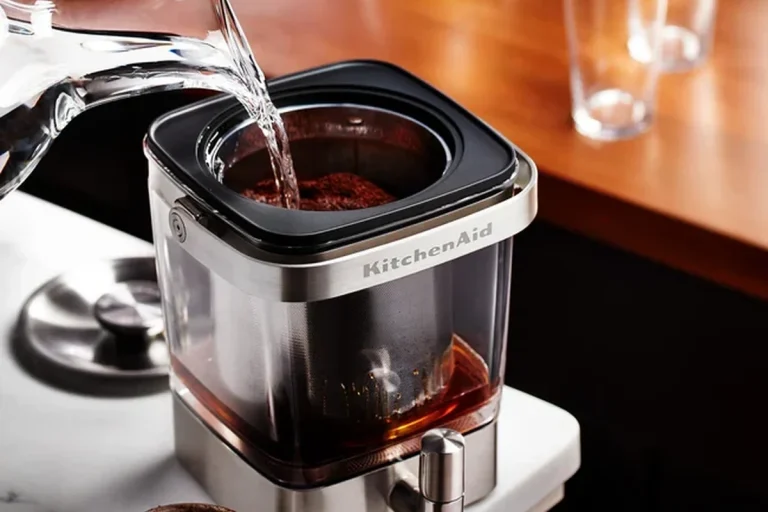
What to Look for in a Cold Brew Coffee Maker
A cold brew coffee maker can make the process easier and cleaner. The best one for you depends on batch size, filter quality, and cleanup.
Some brewers are simple pitcher-style units. Others use baskets, mesh filters, or sealed jars.
Size, Filter Quality, and Ease of Cleaning
Size matters more than many buyers expect. A small brewer may suit one or two drinkers, while a larger one helps families or meal prep fans.
Filter quality also matters. A better filter can reduce grit and make pouring easier.
- Choose a size that fits your fridge and routine
- Check whether the filter is easy to rinse and reuse
- Review the manual for cleaning and safe use
- Look for parts that are simple to remove and dry
Glass, Plastic, and Stainless Steel Options
Glass can feel sturdy and clean, but it can break if dropped. Plastic is lighter and often cheaper, though some buyers prefer to avoid it for taste or wear reasons.
Stainless steel can be durable and good for storage. The right choice depends on your kitchen habits and how often you brew.
Benefits and Limits of Cold Brew Coffee
Cold brew has real strengths, but it is not the best fit for every coffee drinker. Knowing both sides helps you choose better.
Who Will Love It Most
Cold brew is a great fit for people who want a smooth, low-bite cup. It also works well for busy mornings because you can make a batch ahead of time.
It can be a smart pick for iced coffee fans who want less sharpness. If you like milk-based drinks, cold brew can blend in nicely.
- Softer taste than many hot-brewed coffees
- Easy to make in larger batches
- Often mixes well with milk or ice
- Can stay ready in the fridge
When Cold Brew Might Not Be the Best Choice
If you love bright, lively coffee, cold brew may feel too mellow. It can also take planning, since you cannot make it in a few minutes.
Some people also miss the aroma of fresh hot coffee. That rich smell is part of the hot-brew experience.
- Smoother, less sharp taste
- Good for batch brewing
- Easy to serve over ice
- Needs long steep time
- Can taste flat to some drinkers
- Cleanup can be messy without a good filter
Common Cold Brew Mistakes and How to Fix Them
Most cold brew problems come from ratio, grind, steep time, or storage. The good news is that each one has a simple fix.
Weak Flavor, Over-Steeping, and Cloudy Brew
Weak coffee usually means not enough grounds or too much water. Try a stronger ratio before changing anything else.
Over-steeping can make the brew taste dull or rough. Cloudy coffee often comes from very fine grounds or poor filtering.
The brew tastes watery or bland.
Use more coffee, a coarser grind, or a longer steep within reason.
The brew tastes bitter or muddy.
Shorten the steep time and filter more carefully.
Storage, Safety, and Freshness Problems
Always store cold brew in a clean, covered container. Keep it refrigerated if your recipe or brewer calls for that.
Use clean tools and wash parts well after each batch. If a brewer has cracked parts, a damaged seal, or rust, stop using it and check the manual.
Follow the maker’s cleaning and storage directions. If coffee smells sour, looks off, or the brewer shows damage, do not use it.
Rinse the filter, wash removable parts, and let everything dry fully.
Check seals, screens, lids, and cracks. Replace worn parts if the maker offers them.
Final Verdict: Is Cold Brew Worth It in 2026?
Yes, cold brew is worth it for many home coffee drinkers. It gives you a smoother cup, easy batch prep, and a flexible base for iced drinks.
It is especially useful if you dislike harsh coffee bite. It may not be the best choice if you want fast brewing or bright, hot-coffee flavor.
Best Value Tips for First-Time Buyers
If you are new to cold brew, start simple. A basic brewer with a good filter is often enough.
Focus on easy cleaning, a size that fits your fridge, and a design you will actually use. Fancy features help less than a setup that feels simple every day.
Red Kitchen Project Editorial Team Recommendation
For most readers, cold brew makes sense if smooth taste matters more than speed. A simple, easy-clean brewer is the best place to start.
If you want a stronger, brighter cup, iced coffee or hot brew over ice may fit better. In short, cold brew wins on smoothness, while hot brewing wins on speed and sharp flavor.
Cold brew is a smart choice for smooth, mellow coffee and easy batch prep. Just make sure the brewer is easy to clean and sized for your routine.
Frequently Asked Questions
Cold brew uses cold water and a long steep, which usually pulls fewer harsh-tasting compounds. That often makes the cup feel softer and less bitter.
A coarse grind is usually best because it filters more easily and helps reduce grit. Fine grounds can make the brew cloudy and bitter.
A common starting point is one part coffee to four to eight parts water, depending on how strong you want the final drink. If you plan to dilute it later, start on the stronger side.
Many home recipes start around 12 to 18 hours, but the best time depends on the coffee, grind, and brewer. Taste and adjust in small steps.
Rinse parts right after use and wash removable pieces with warm, soapy water if the manual allows it. Let everything dry fully before storing it.
Weak brew often needs more coffee or less water, while bitter brew may need a shorter steep or a coarser grind. If the brewer has damage, stop using it and check the manual.