What Coffee Mug Materials Are Best for Safety and Taste

Ceramic, porcelain, and glass are the best coffee mug materials for safety and taste. Stainless steel can be safe too, but plastic and melamine need more caution with hot drinks.
If you want the safest coffee mug, start with ceramic, porcelain, or glass from a trusted maker. For most people, these materials offer the best mix of safety, taste, and everyday ease.
- Best all-around: Ceramic and porcelain balance safety, taste, and daily use.
- Best taste: Glass keeps coffee flavor clean and easy to inspect.
- Use with care: Stainless steel, plastic, and melamine need closer label checks.
- Buy smart: Look for food-safe, lead-free, and hot-drink-safe labeling.
What Coffee Mug Materials Are Best for Safety and Taste?
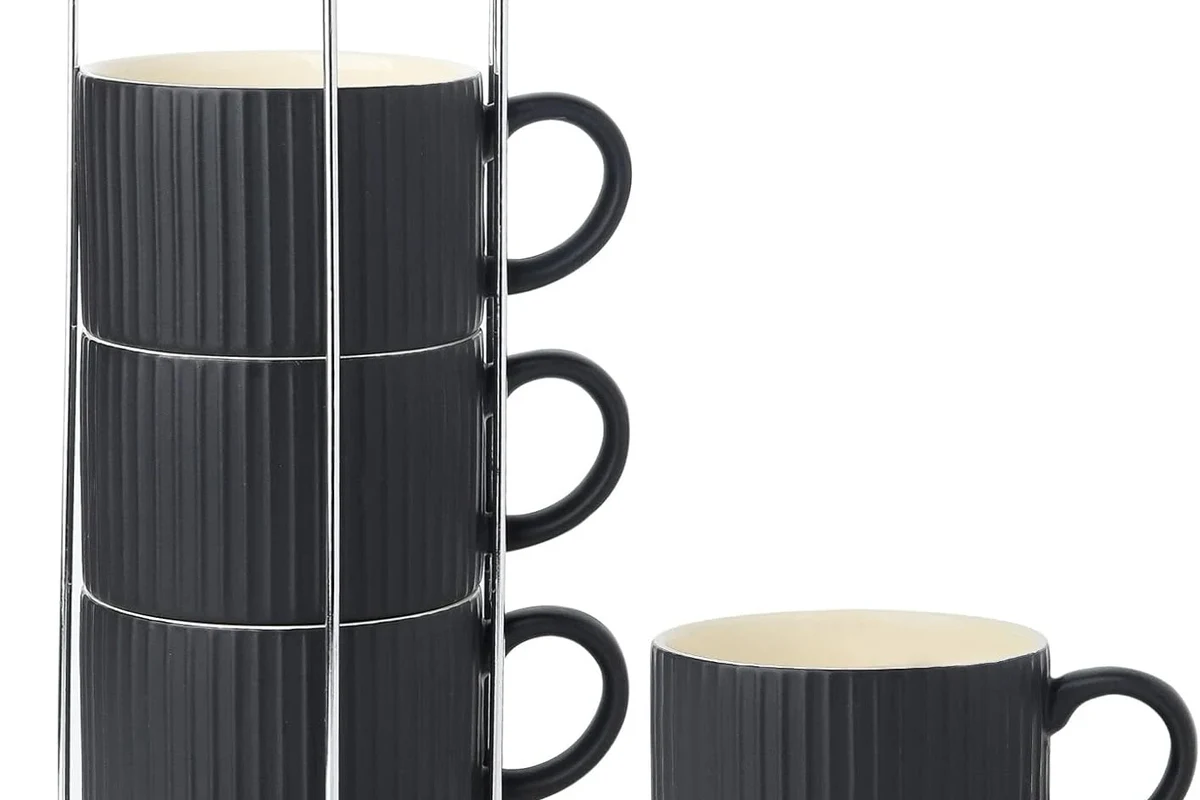
The best coffee mug materials for safety are usually ceramic, porcelain, and glass. They are stable, common, and easy to find in food-safe versions.
For taste, glass and quality ceramic often win because they do not add flavor. Stainless steel can be safe too, but it may affect taste more than the others.
Plastic and melamine mugs need more care. They can be fine in some cases, but they are not my first pick for hot coffee.
Always follow the mug maker’s care guide. If a mug is cracked, chipped, or badly worn, stop using it for hot drinks.
Quick Answer: The Safest Mug Materials at a Glance
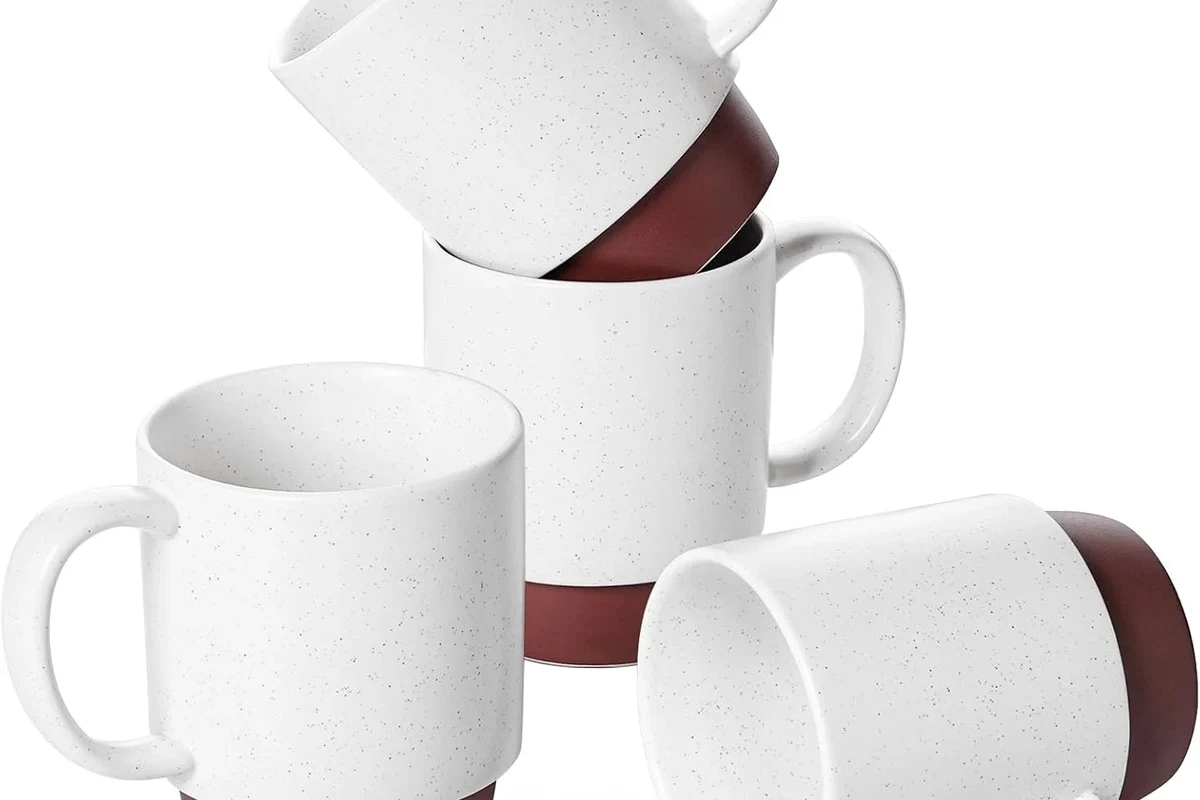
There is no single perfect mug for every home. Still, some materials are clearly better for daily coffee use.
Best overall choices for daily use
These are the safest and most practical picks for most people:
- Ceramic mugs from trusted brands
- Porcelain mugs with food-safe glaze
- Glass mugs made for hot drinks
These options usually handle heat well and do not hold strong odors. They also keep the coffee taste clean.
Materials to use with more care
Some mug types are not bad, but they need more caution:
- Stainless steel mugs, especially for taste-sensitive drinkers
- Plastic mugs, if they are clearly marked for hot drinks
- Melamine mugs, which are better for cold use or light duty
These can work in the right setting. However, they are less ideal for a hot daily coffee routine.
A mug’s glaze or coating can matter as much as the base material. A food-safe finish helps protect both taste and safety.
How Coffee Mug Materials Affect Safety and Flavor
The mug material changes more than looks. It can affect heat, smell, cleanup, and how the coffee tastes.
Heat retention, taste, and odor transfer
Thick ceramic and porcelain hold heat well. That can keep coffee warm longer, which many people like.
Glass gives a clean taste and lets you see stains or buildup fast. Stainless steel keeps heat well too, but some people notice a metal edge in the flavor.
Plastic and melamine may pick up smells over time. That can be a problem if you hate stale coffee notes.
Glaze, coating, and material quality matters
Material alone does not tell the whole story. The finish on the mug matters just as much.
A poor glaze can stain more, wear faster, or raise safety concerns. That is why food-safe labeling matters so much.
When a mug looks handmade or decorative, check the maker’s notes. Some display pieces are not meant for hot drinks.
Best Coffee Mug Materials Compared
Here is a simple way to think about the most common mug materials.
| Option | Best For | Key Consideration |
|---|---|---|
| Ceramic | Daily coffee use | Check glaze quality and chips |
| Glass | Clean taste | Can be more breakable |
| Stainless steel | Durability and travel | May affect flavor |
| Porcelain | Refined, safe feel | Still needs careful handling |
| Plastic or melamine | Limited use | Watch heat limits and wear |
Ceramic mugs: safe, common, and easy to find
Ceramic is one of the best all-around choices. It is familiar, easy to clean, and widely sold in food-safe forms.
Good ceramic mugs usually do a nice job with heat and taste. They also come in many styles, so it is easy to find one you like.
The main risk is damage. A chip or crack can trap grime and weaken the mug.
- Good balance of safety and taste
- Widely available in food-safe versions
- Easy to wash and use every day
- Can chip or crack
- Quality varies a lot by brand
- Heavy mugs may feel bulky
Glass mugs: clean taste and easy to inspect
Glass is a strong choice if you want pure taste. It does not absorb odors or stains the way some other materials can.
It is also easy to inspect. You can spot buildup, clouding, or damage quickly.
The trade-off is break risk. Glass mugs need gentler handling than many ceramic mugs.
Stainless steel mugs: durable but not always ideal for flavor
Stainless steel is tough and long-lasting. That makes it useful in busy homes or for travel.
Still, it is not always the best for flavor. Some coffee drinkers notice a slight metallic taste, especially with cheaper mugs.
It also helps to check the lining and lid, if the mug has one. Those parts can affect both safety and taste.
Porcelain mugs: refined feel with strong safety appeal
Porcelain is a type of ceramic, but it often feels smoother and finer. Many people like it for its clean look and light feel.
It can be a very safe choice when the glaze is food-safe. It also tends to keep coffee tasting neutral.
The downside is simple. Porcelain can still chip if you knock it around.
Plastic and melamine mugs: when to avoid or limit use
Plastic mugs are light and cheap, but they are not my first choice for hot coffee. Heat can speed wear, stain the surface, or affect taste.
Melamine mugs also deserve caution. They are often better for cold drinks or light use than for very hot coffee.
If you use either one, check the label closely. Make sure the maker says it is safe for hot beverages.
Safety rules can vary by brand and country. Always check the mug’s label, care card, or product page before using it with boiling water.
What to Look for When Buying a Safe Coffee Mug
A pretty mug is nice. But safety should come first.
Food-safe labels and trusted materials
Look for clear food-safe wording from the maker. That is a simple sign the mug is meant for drinks.
Trusted ceramic, porcelain, and glass mugs are usually the easiest path. If the listing feels vague, keep shopping.
- Check for food-safe use
- Confirm hot drink safety
- Review care instructions
- Look for crack and chip warnings
Lead-free and cadmium-free finishes
This matters most with glazed mugs. Some finishes can raise concern if they are poorly made or not meant for food use.
Look for lead-free and cadmium-free claims when possible. If the maker does not give clear safety details, that is a red flag.
For handmade mugs, ask extra questions. Decorative mugs can be beautiful, but beauty should not replace safe materials.
Microwave, dishwasher, and temperature safety
Check how the mug handles heat changes. Some mugs are fine with hot coffee but not with a microwave or dishwasher.
Sudden temperature swings can stress glass and ceramic. For example, a cold mug filled with boiling water may crack more easily.
- Warm the mug before pouring very hot coffee.
- Avoid moving a hot mug onto a cold, wet surface.
- Use the dishwasher only if the maker says it is safe.
Common Safety Mistakes People Make with Coffee Mugs
Most mug problems come from small habits. The good news is that these are easy to fix.
Using chipped, cracked, or old mugs
A tiny chip can look harmless. But it can trap dirt and grow into a bigger break.
Cracks are even more serious. A cracked mug can fail when filled with hot liquid.
Stop using any mug that leaks, has sharp edges, or shows deep cracks.
Ignoring warning labels and finish quality
Some mugs are for display only. Others may not be safe for microwaves or dishwashers.
If a label says hand wash only, take that seriously. It often protects the finish and the mug’s life.
Choosing style over safe materials
It is easy to fall for a cute mug. I get it. The problem is that style can hide weak glaze, poor heat handling, or rough edges.
When in doubt, pick the mug that gives you the best safety record first. You can still choose a nice look after that.
Cleaning and Maintenance Tips for Safer Mugs
Good cleaning keeps coffee mugs safer and nicer to use. It also helps the mug last longer.
How to keep stains, odors, and buildup away
Wash mugs soon after use when you can. Old coffee sits leave stains and smell behind.
Use a gentle sponge for most mugs. Harsh scrubbing can wear down the finish over time.
Rinse or wash the mug soon to stop stains and odors.
Check for chips, clouding, rough spots, or hidden cracks.
When to replace a mug
Replace a mug if it cracks, chips badly, or starts to smell even after washing. Also replace it if the glaze looks worn through.
If the mug no longer feels stable in your hand, that matters too. A safer mug should feel solid and easy to trust.
Final Recommendation: The Best Choice for Most Coffee Drinkers
For most people, ceramic or porcelain is the best answer. These materials offer a strong mix of safety, taste, and easy everyday use.
Glass is the best choice if you care most about clean flavor and easy inspection. Stainless steel is a good backup when durability matters more than taste.
Choose ceramic or porcelain for the best all-around mug. Pick glass if you want the cleanest taste, and use plastic or melamine only when the maker clearly says it is safe for hot drinks.
Best pick for safety
Ceramic or porcelain from a trusted maker is the safest everyday bet for most homes.
Best pick for taste
Glass usually gives the cleanest coffee flavor and makes buildup easy to spot.
Best pick for value
Basic food-safe ceramic often gives the best mix of cost, comfort, and daily reliability.
In short, the best coffee mug is the one that is food-safe, heat-safe, and easy to keep clean. If you check the material and finish before you buy, you can avoid most problems.
Frequently Asked Questions
Ceramic and porcelain are usually the safest everyday choices when they are food-safe and in good shape. Glass is also a strong option if you want a clean taste and easy inspection.
Yes, it can. Glass and good ceramic usually keep flavor neutral, while stainless steel may add a slight metal note for some drinkers.
Some are, but you need to check the label carefully. If the mug is not clearly marked for hot drinks, it is better to avoid it.
Look for clear food-safe wording from the maker and check the care instructions. If the product page gives vague details, choose a mug with better safety info.
Replace it if it has cracks, deep chips, rough glaze wear, leaks, or stubborn odors. Damage can make the mug less safe and less pleasant to use.
Check the material, food-safe label, hot drink safety, and cleaning instructions. Also confirm whether it is microwave or dishwasher safe if you plan to use those features.