How to Use Bodum Electric Milk Frother for Perfect Foam

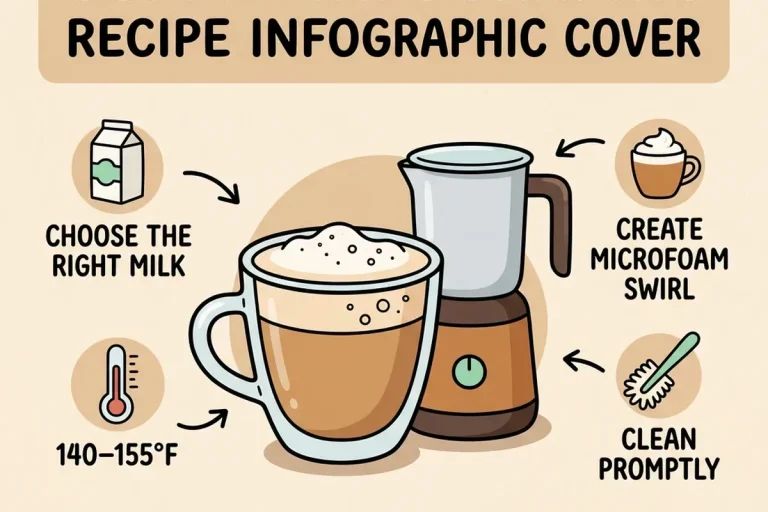
Use the right milk, stay below the fill line, and pick the correct froth or heat setting. Clean the jug and whisk after each use so the frother keeps working well.
If you want café-style foam at home, the Bodum electric milk frother is simple to use. Add the right milk, choose the right setting, and pour it right away for the best texture.
- Use cold milk: It usually froths better than warm milk.
- Do not overfill: Milk expands and can spill over the jug.
- Match the setting: Froth for foam, heat for warm milk.
- Clean after use: Dried milk hurts taste and performance.
How to Use Bodum Electric Milk Frother: Quick Answer and What to Expect
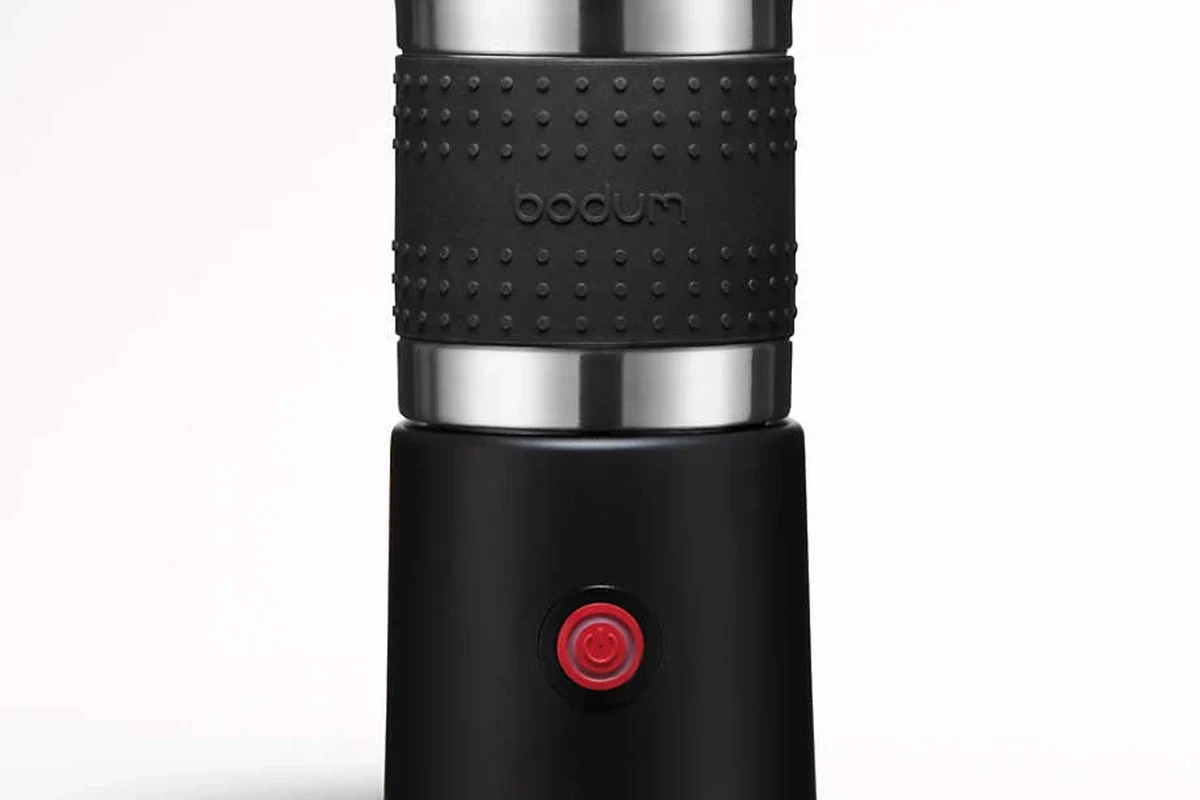
The basic process is easy. Add milk to the fill line, close the lid, pick a froth or heat mode, and wait for the cycle to finish.
Most users want two results from this kind of frother. You can make light foam for lattes or cappuccinos, or warm milk for drinks like hot chocolate.
Results depend on the milk, the fill level, and the model’s controls. That means your foam may look a little different from cup to cup.
What the Bodum Electric Milk Frother Does and How It Works
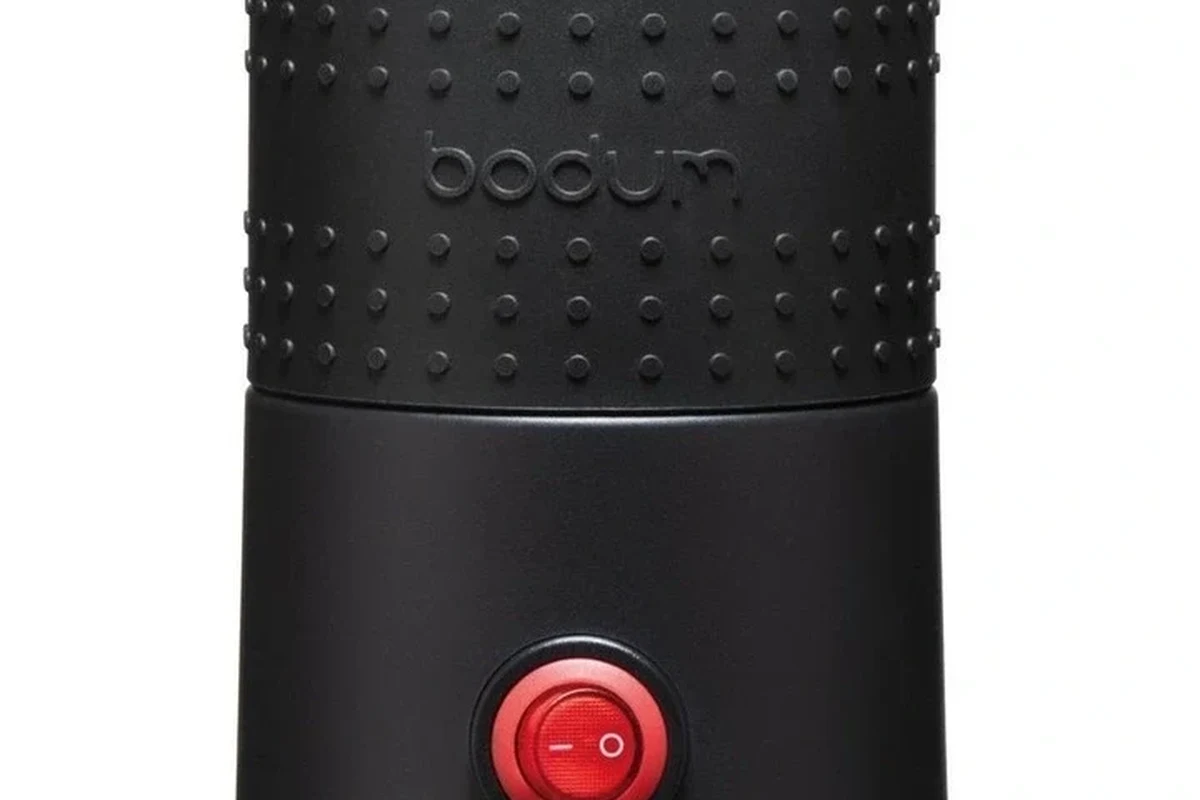
A Bodum electric milk frother heats and stirs milk at the same time. Some models also add air to create foam.
That makes it useful for coffee drinks, cocoa, and warm milk. It saves you from using a whisk, wand, or stovetop pan.
Frothing vs. Heating Milk
Frothing adds air. Heating only warms the milk without much foam.
For a cappuccino, you usually want more foam. For a latte, you may want smoother milk with a thinner layer of foam.
Some Bodum models offer separate modes. If yours does, use the froth setting for foam and the heat setting for plain warm milk.
Cold milk often froths better than warm milk at the start of the cycle.
Best Milk Types for Foam
Whole milk usually makes rich foam with a smooth feel. Low-fat milk can make more foam, but it may feel less creamy.
Many plant milks also work. Barista-style oat milk often gives the most stable foam, while some almond or soy milks can be thinner.
Results vary by brand. If one carton fails, another may work much better.
Plant milk foam can change a lot by brand, protein level, and added stabilizers.
Step-by-Step Guide to Using the Bodum Electric Milk Frother
Here’s a simple way to get started. Keep the manual close, since controls can vary by model.
Preparing the Frother and Milk
Make sure the base and jug are clean before you begin.
Do not go over the max mark, since milk expands while frothing.
A loose lid can let milk splash or stop the cycle from working well.
Never overfill the jug. Hot milk can rise fast and spill over.
Choosing the Right Froth or Heat Setting
Pick the setting that matches your drink. Use froth for cappuccino-style drinks and heat for plain warm milk.
If your model has more than one option, start with the gentlest setting. You can always make a second batch if you want more foam.
Do not guess if the buttons are unclear. Check the manual before the first use.
- Use cold milk for better foam structure.
- Clean and dry the whisk before each batch.
- Let the cycle finish before opening the lid.
Pouring, Serving, and Getting the Best Texture
Pour the milk soon after the cycle ends. Foam settles fast, so timing matters.
Hold back the foam with a spoon if you want to layer it. This works well for lattes and hot chocolate.
For a smoother drink, swirl the jug gently before pouring. That helps blend the milk and foam.
- Fast way to make foam at home
- Simple for beginners
- Works for hot and cold-style drinks
- Results depend on milk type
- Foam can fade if you wait too long
- Model controls may differ
Key Features, Specs, and What They Mean for Daily Use
Exact specs vary by Bodum model, so check the product page or manual for your version. Still, a few features matter in daily use.
Capacity, Power, and Speed
Capacity matters most if you make drinks for more than one person. A smaller jug works well for one cup, while a larger one helps with back-to-back drinks.
Power and speed affect how quickly the milk heats and foams. But the right setting matters more than raw power for most home users.
Jug Design, Lid, and Ease of Handling
A good jug should feel easy to grip and pour. A lid that fits well also helps reduce splashes.
Some designs make cleanup easier. If you plan to use the frother daily, that matters as much as foam quality.
Helps you move foam into cups without spilling.
Supports cleaner frothing and less mess.
Common Mistakes and How to Fix Them
Most frother problems come from small setup issues. The good news is that many are easy to fix.
Overfilling or Using the Wrong Milk
Too much milk can overflow. That usually happens when the milk expands more than expected.
If the foam is weak, try a different milk. Whole milk and barista-style plant milks usually give better results than thin low-protein options.
Milk spills out or rises too high.
Use less milk and stay below the max line.
Thin Foam, Burnt Milk, or Uneven Results
Thin foam can happen if the milk is too warm before frothing. It can also happen if the whisk is dirty or worn.
Burnt milk usually means the cycle ran too hot for that batch. If that happens often, stop using the unit and check the manual.
Uneven results may come from a crooked jug, a loose lid, or an old frothing piece.
Foam looks weak, lopsided, or grainy.
Use fresh milk, clean the parts, and make sure the jug sits level.
Safety Tips, Cleaning, and Maintenance
Milk frothers are simple, but they still use heat and electricity. Treat them with the same care you’d give any countertop appliance.
Safe Use Around Heat and Electricity
Follow the appliance manual and stop using damaged equipment.
Keep the base, cord, and plug dry. Never place the unit near a sink or let liquid reach the electrical parts.
If you see cracks, a loose cord, strange smells, or odd noises, stop using it right away.
How to Clean the Jug and Frothing Parts
Clean the jug after each use, once it cools. Dried milk is harder to remove and can affect taste later.
Use a soft sponge or cloth with mild soap if the manual allows it. Avoid harsh pads that can scratch the surface.
Check the whisk, lid, and seals often. Small milk bits can hide there and lead to bad foam.
Rinse or wash the jug, lid, and whisk as the manual allows.
Inspect the frothing parts for wear, buildup, or loose fit.
- Capacity and dimensions
- Controls, cleaning, warranty, and safety
- Manual cleaning instructions for your exact model
Is the Bodum Electric Milk Frother Worth It in 2026?
For many home coffee drinkers, yes. It offers an easy way to make warm milk and foam without much effort.
The real value depends on how often you use it and how much cleanup you’re willing to do. If you make milk drinks a few times a week, it can be a smart kitchen helper.
Who It’s Best For
This frother fits people who want simple foam without learning espresso machine skills. It also works well in small kitchens.
If you like lattes, cappuccinos, or hot chocolate, it can save time on busy mornings.
Best for one or two cups and limited counter space.
Best for users who want quick foam with little fuss.
Limits, Value, and Final Recommendation
The main limits are milk choice, batch size, and the need for regular cleaning. It is not the best pick if you want huge servings or perfect café foam every time.
Still, for everyday home use, it offers a practical balance of ease and convenience. If you want a simple way to froth milk, it’s a solid option as long as you follow the manual and use the right milk.
The Bodum electric milk frother is a good fit for easy home foam and warm milk. Choose it if you want simple daily use, but look elsewhere if you need larger batches or advanced control.
Frequently Asked Questions
Fill only to the max line shown on your model. Milk expands during frothing, so overfilling can cause spills.
Whole milk often makes rich, smooth foam. Barista-style oat milk can also work well, but results vary by brand.
Thin foam often comes from the wrong milk, a dirty whisk, or milk that is too warm before frothing. Try a fresh batch and clean the parts first.
Let the unit cool first, then clean the jug and removable parts as the manual allows. Keep the base and cord dry at all times.
Yes, many plant milks work, especially barista-style versions. Foam quality depends on the brand and its protein or stabilizer content.
Stop using it if you notice cracks, a damaged cord, burning smells, strange noises, or repeated overheating. Check the manual and contact the maker for help.