How to Make Coffee Drinks with Electric Milk Frother Tips

An electric milk frother helps you make café-style coffee drinks at home with less effort. The best results come from the right milk, careful fill levels, and good cleaning habits.
An electric milk frother makes coffee drinks easier, faster, and more consistent at home. It can turn plain coffee into a latte, cappuccino, macchiato, mocha, or iced drink with cold foam.
- Best first drink: Start with a latte for the easiest foam balance.
- Milk matters: Whole, low-fat, and oat milk can each give different results.
- Control overflow: Stay below the fill line and froth in small batches.
- Clean fast: Wash milk parts soon after use to protect taste and function.
- Know the limit: Electric frothers are easy, but not the same as a steam wand.
How to Make Coffee Drinks with an Electric Milk Frother
What this tool does and why it matters
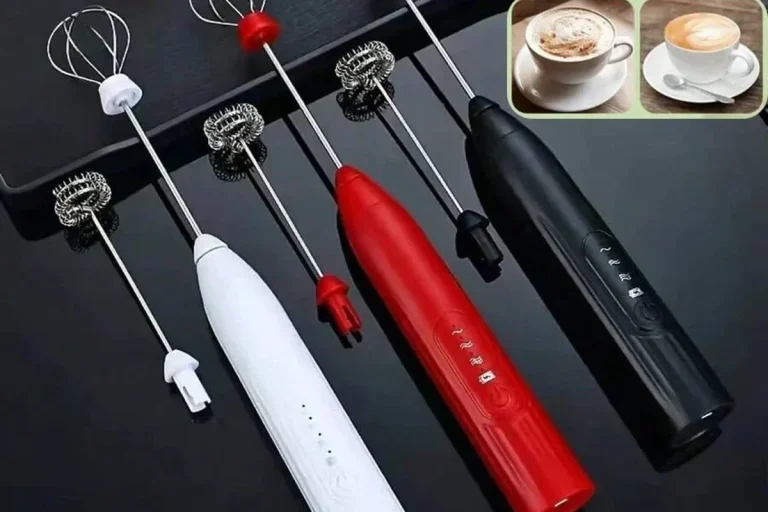
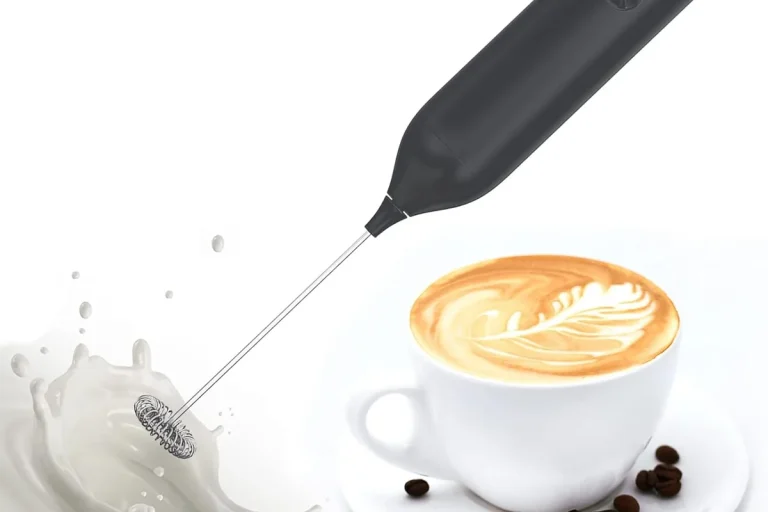
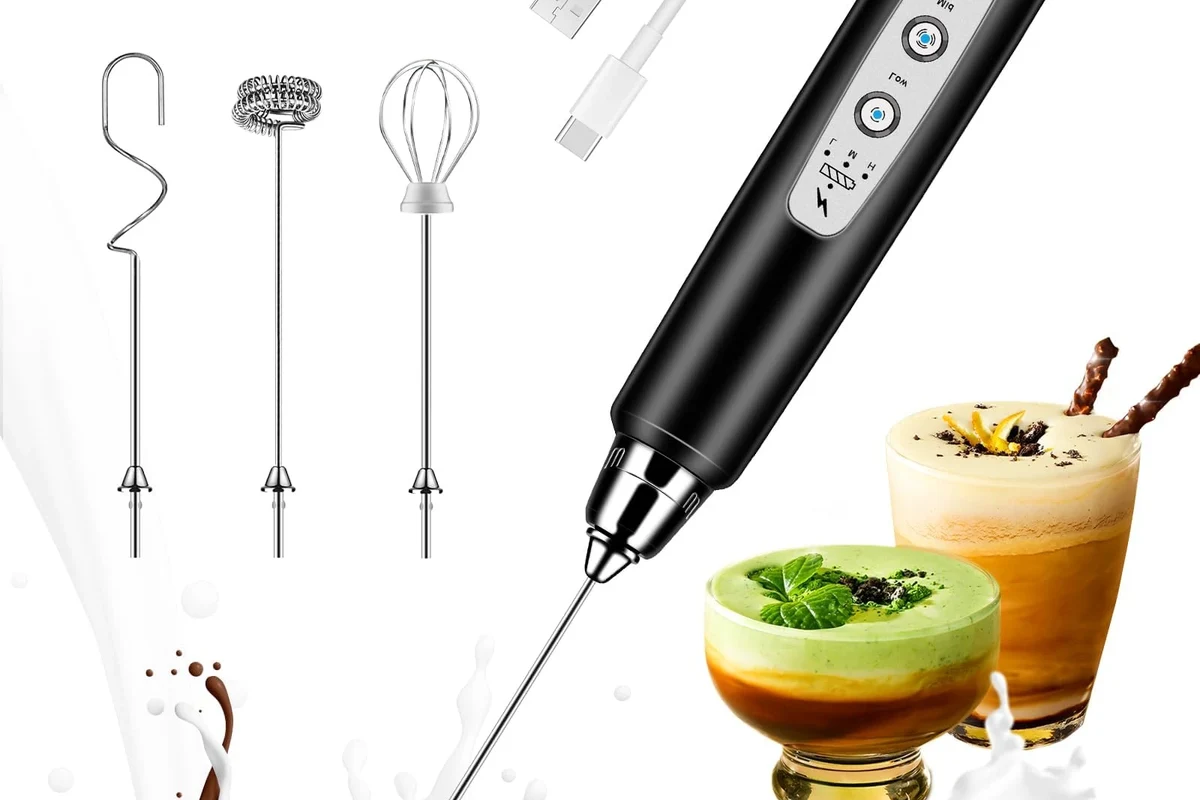
An electric milk frother adds air to milk and can also warm it, depending on the model. That gives you a smooth, café-style top layer without a steam wand.
It matters because you can make better drinks with less effort. You also get more control over foam texture, milk temperature, and drink style.
Use fresh milk and a clean frother for the best foam and the cleanest taste.
In short: the frother helps you make coffee drinks that feel more polished, even in a small kitchen.
The basic drinks you can make at home
You do not need a fancy espresso machine to start. A strong brewed coffee or espresso-style shot works well as the base.
From there, you can build drinks like:
- Latte with more milk and a light foam cap.
- Cappuccino with equal parts coffee, milk, and foam.
- Macchiato with just a little milk foam on top.
- Mocha with chocolate and steamed or frothed milk.
- Iced coffee with cold foam for a smooth finish.
In short: most coffee shop drinks start with the same simple idea, then use different milk and foam amounts.
How to get the best foam and texture
The best foam starts with the right milk level and the right frothing time. Most frothers work best when you stay below the fill line.
For a finer texture, tap the cup or jug gently after frothing. That helps break up big bubbles.
Results vary by model, milk type, and how much liquid you use. Always check the manual for fill limits and cycle times.
In short: less overflow, less foam collapse, and better pouring all start with a careful setup.
How an Electric Milk Frother Works
Frothing, heating, and whisking explained
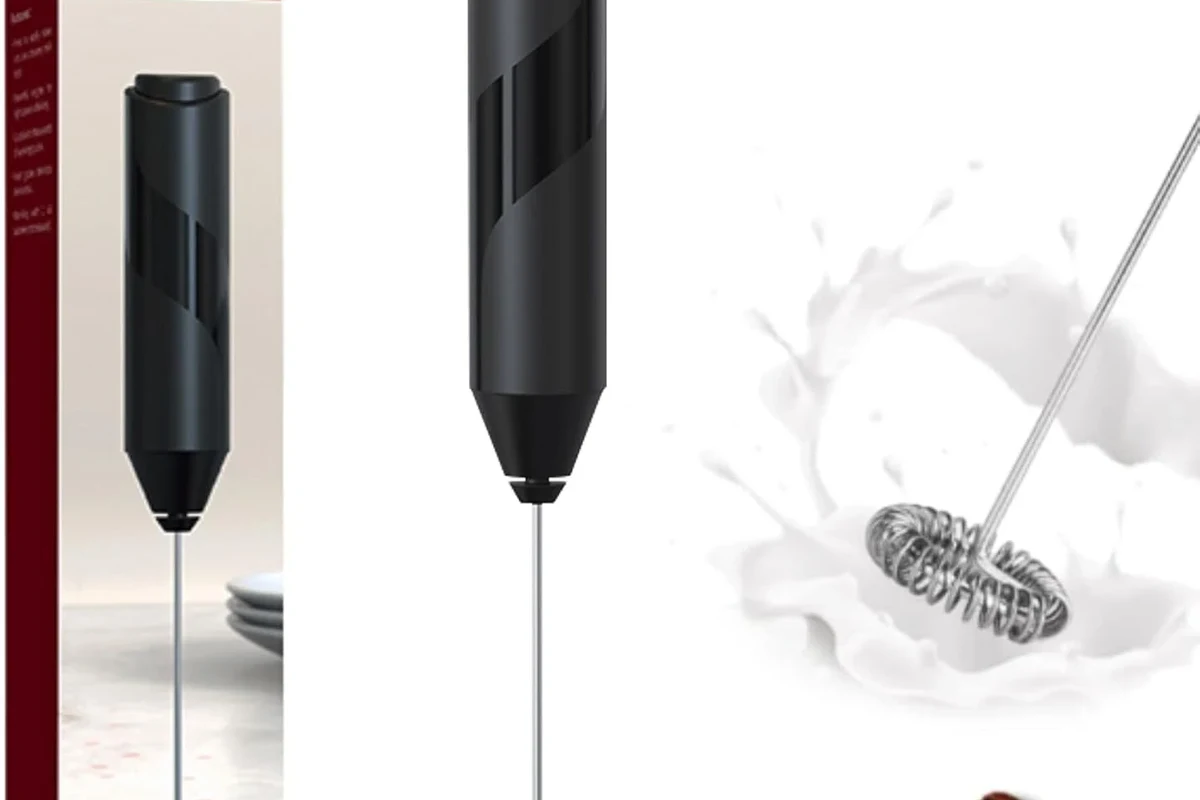
Most electric milk frothers use a small whisk or spin tool. That tool pulls air into the milk and builds foam.
Some frothers also heat the milk at the same time. Others only froth, so you heat the milk first or use it cold.
Milk foam forms best when proteins trap air bubbles during whisking.
In short: the frother works by mixing air into milk, then shaping that air into foam.
Hot foam vs cold foam
Hot foam gives drinks a warm, soft top. It works well in lattes, cappuccinos, and mochas.
Cold foam stays chilled and feels lighter. It is a nice match for iced coffee and cold brew.
Hot foam usually blends more easily with warm drinks. Cold foam sits higher and can give an iced drink a layered look.
In short: choose hot foam for classic coffee drinks and cold foam for iced ones.
Why milk type changes the result
Milk changes foam because fat, protein, and sugar levels all affect the bubbles. Some milk makes thick foam. Some makes a thinner top.
Whole milk often gives rich foam and a creamy feel. Low-fat milk can make more foam, but it may feel less rich.
Many plant milks can froth too. The result depends on the brand and the added proteins or stabilizers.
If you have a milk allergy or use plant milk for diet reasons, check labels carefully before frothing.
In short: the milk you choose shapes both the foam and the taste.
Best Coffee Drinks to Make with a Milk Frother
Latte
A latte uses more milk than foam. Start with espresso or strong coffee, then add frothed milk.
Pour the milk first, then spoon a little foam on top. That gives the drink a smooth, soft finish.
In short: a latte is the easiest place to start if you want a creamy drink.
Cappuccino
A cappuccino uses more foam than a latte. The drink feels lighter and has a stronger coffee taste.
Use equal parts coffee, warm milk, and foam if you want a classic style. You can adjust the balance to your taste.
In short: cappuccino works best when you want a bold coffee flavor with a fluffy top.
Macchiato
A macchiato is a coffee drink with just a small amount of milk foam. It keeps the coffee flavor front and center.
You can add a spoonful of foam or a little frothed milk. That gives the drink a softer edge without turning it into a latte.
In short: a macchiato is ideal when you want only a touch of milk.
Mocha
A mocha mixes coffee, chocolate, and milk. A frother helps the milk blend into the chocolate more smoothly.
Stir the chocolate into the coffee first, then add frothed milk. Top with a bit of foam if you like a café look.
In short: mocha is a good choice when you want a sweet, rich drink.
Iced coffee with cold foam
Iced coffee with cold foam feels refreshing and smooth. It is one of the easiest drinks to make when the weather is warm.
Make the coffee strong enough to stand up to ice. Then add cold foam right before serving.
In short: cold foam works best when you want a cool drink with a soft top layer.
What You Need for Better Results
Milk choices and which ones foam well
Whole milk gives a creamy texture and stable foam. Low-fat milk can give more volume, but it may taste lighter.
Oat milk often froths well in many homes. Almond, soy, and other plant milks can work too, but results vary a lot by brand.
Best for one cup and small daily drinks.
Best for several drinks or larger batches.
In short: pick the milk that fits your taste, your diet, and your frother.
Coffee base options
You can use espresso, moka pot coffee, strong drip coffee, or cold brew. The best base depends on the drink you want.
Espresso gives the boldest flavor. Drip coffee works well if you want a gentler cup.
In short: stronger coffee helps the milk and foam stand out.
Sweeteners, syrups, and flavor add-ins
Simple syrup blends in easily. Vanilla, caramel, and chocolate syrup are common choices.
You can also add cinnamon, cocoa powder, or a little honey. Keep the add-ins light so the coffee still tastes balanced.
In short: flavor add-ins work best when they support the coffee instead of hiding it.
Useful cup and pitcher sizes
Choose a cup that leaves room for foam and stirring. A too-small cup can spill fast.
A small pitcher helps when you want to pour clean layers. A larger mug works well for casual home drinks.
In short: the right cup size makes the drink easier to build and serve.
Step-by-Step Guide to Frothing Milk for Coffee
How to prepare the milk
Use the amount your frother allows, and stay below the max line.
Decide whether you want warm foam or cold foam before you start.
Leave room for the foam to rise during frothing.
In short: careful measuring prevents overflow and gives you more control.
How to froth without overflow
Set the frother on a flat surface. Make sure the lid fits well before you start.
Do not fill past the marked line. That is the simplest way to avoid mess.
- Use the fill line on the jug.
- Watch the first few seconds of frothing.
- Stop when the milk looks smooth and airy.
- Overfilling the jug.
- Walking away while the frother runs.
- Using a damaged lid or whisk.
In short: overflow usually comes from too much milk or too much time.
How to pour and layer the drink
Pour the coffee into the cup first for most drinks. Then add the milk slowly.
If you want layers, pour gently down the side of the cup. Spoon foam on top at the end.
For a mocha, mix the chocolate and coffee first. Then add milk and finish with foam.
In short: slow pouring helps you build a cleaner-looking drink.
How to fix weak foam or big bubbles
The foam looks thin, loose, or full of large bubbles.
Use colder milk, froth a little longer, and tap the jug gently after frothing.
If the foam still looks weak, try a different milk. Some brands simply froth better than others.
In short: better foam often comes from small changes, not a new machine.
Common Mistakes and How to Avoid Them
Using the wrong milk temperature
Milk that starts too warm can foam poorly. Milk that is very cold may need a little more time.
For hot drinks, many people get better results with chilled milk before frothing. For cold foam, keep the milk cold from the start.
In short: temperature changes the foam, so match it to the drink.
Overfilling the frother
Too much milk can spill when the foam rises. That makes a mess and may stress the machine.
Use the max line on the jug every time. If you need more milk, make two small batches.
In short: small batches are safer and easier to manage.
Frothing too long or too little
Too little frothing leaves thin milk with little air. Too much frothing can make foam dry or unstable.
Watch the texture, not just the clock. The right finish looks smooth and light.
In short: stop when the milk looks ready, not when you guess it should be done.
Skipping cleaning after each use
Milk residue dries fast and can affect taste. It can also make the whisk harder to move.
Rinse and clean the parts after every use, if your manual allows it. That simple habit helps the frother last longer.
In short: cleaning right away saves time later.
Cleaning, Safety, and Maintenance Tips
How to clean the whisk and jug
Always follow the manual for cleaning steps. Some parts may be removable, while others need a wipe-down only.
Wash milk-contact parts soon after use. Dry them fully before storing.
Rinse or wash milk-contact parts as the manual allows.
Check the whisk, lid, and seals for wear or buildup.
In short: quick cleaning helps with both hygiene and foam quality.
What not to put in the frother
Do not put in anything the manual says to avoid. That often includes thick mixtures, hard bits, or unsafe liquids.
Never use the frother as a blender unless the maker says it is allowed. That can damage the whisk or motor.
Follow the appliance manual and stop using damaged equipment.
In short: if a liquid or mix seems too thick or odd, leave it out.
How to keep the machine working longer
Use the right fill level every time. Clean the parts often and store the frother dry.
Avoid hard scrubbing on coated surfaces. Gentle care usually works better.
In short: simple habits protect the whisk, jug, and heating parts.
Signs it may need replacement parts
Watch for weak spinning, odd noise, loose parts, or poor heat. Those signs can point to wear.
If the cord, plug, or housing looks damaged, stop using the frother. Check the manual or the maker’s support page for parts and service.
In short: do not keep using a frother that shows clear damage.
Is an Electric Milk Frother Worth It?
Who will get the most value from one
An electric milk frother makes the most sense for people who drink coffee often. It also helps if you want café-style drinks without much fuss.
It is a smart pick for small kitchens, quick morning routines, and anyone who likes easy cleanup.
In short: if you want better coffee with less work, a frother can be a very useful tool.
Limits compared with steam wands and manual frothers
A steam wand can make very fine foam, but it often takes more skill and a bigger machine. A manual frother costs less in effort, but it needs more arm work.
An electric frother sits in the middle. It is easy to use, but it may not match every café result.
Performance, capacity, and cleanup can vary a lot by model. Check the product manual and specs before you buy.
In short: electric frothers trade some control for speed and convenience.
Final recommendation for home coffee drink makers
If you want an easy way to make better coffee drinks at home, an electric milk frother is worth a look. It gives you more drink options without a steep learning curve.
Start with a simple latte or cappuccino, then try cold foam or flavored drinks once you know your machine. If you value speed, small size, and simple cleanup, this tool fits well in most home kitchens.
An electric milk frother is a strong choice for home coffee drink makers who want easy café-style drinks. The best results come from the right milk, careful fill levels, and regular cleaning.
In short: for most home users, the frother is a practical, low-stress way to upgrade daily coffee.
Frequently Asked Questions
Whole milk often gives rich foam, while low-fat milk can make more volume. Many oat, soy, and almond milks also work, but results vary by brand.
Yes. Strong drip coffee, moka pot coffee, or cold brew can all work as a base. The best choice depends on the drink style and how bold you want the flavor.
Follow the manual first, since some parts are removable and others are not. Clean milk-contact parts soon after use and dry them fully before storing.
Weak foam often comes from the wrong milk, too much milk, or frothing too long or too short. Try colder milk, a smaller batch, and a gentle tap after frothing.
Hot foam works best in warm drinks like lattes and cappuccinos. Cold foam is better for iced coffee and cold brew because it stays chilled and light.
It is a good choice if you want quick café-style drinks with simple cleanup. It may not match a steam wand for fine control, but it is easier for most home users.