What Coffee Mugs Are Lead Free Safe Picks for 2026

The safest coffee mugs are plain glass, stainless steel, and clearly labeled ceramic or porcelain. The real test is the glaze, paint, and condition of the mug, not just how it looks.
If you want the safest answer, choose coffee mugs made from plain glass, stainless steel, or clearly labeled lead-free ceramic or porcelain. The key is not just the material. It’s also the glaze, paint, and age of the mug.
- Safest materials: Plain glass and stainless steel are the easiest low-risk picks.
- Watch the finish: Lead risk often comes from glaze, paint, and trim.
- Check labels: Look for food-safe and lead-free claims from the maker.
- Inspect damage: Chips, cracks, and worn rims are warning signs.
What Coffee Mugs Are Lead Free and Why It Matters in 2026
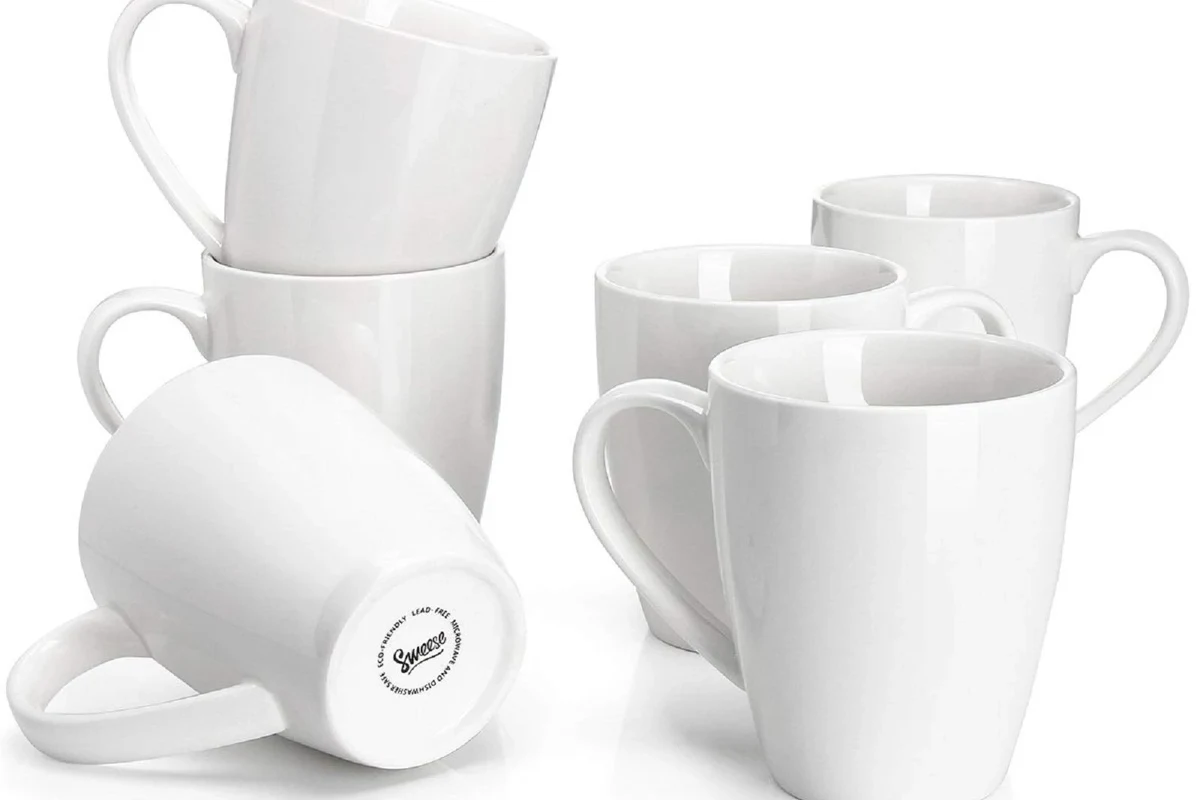
Lead-free coffee mugs are mugs made with materials and finishes that do not use lead in the drinking surface. That matters because lead can move into hot drinks if a mug has unsafe glaze, paint, or worn decoration.
In 2026, shoppers have more options than ever. Still, older mugs, imported mugs, and decorative mugs can raise more concern than plain, modern ones.
Quick answer: the safest mug types to look for
The safest mug types are usually plain glass, stainless steel, and ceramic or porcelain mugs that clearly state they are lead free. Look for mugs made for food use, with no damaged glaze and no unknown painted trim.
If you want the lowest-risk pick, choose a simple mug from a brand that names its food-safe finish. Avoid mystery mugs with no material details.
Why lead can show up in mugs at all
Lead can appear in glaze, paint, or decorative coatings. It may also show up in older or imported mugs that were made under looser rules.
Heat, repeated washing, and chips can make a bad surface more of a concern. A mug can look fine and still have a risky finish.
Who should care most about lead-free mugs
Everyone should care, but some people should be extra careful. That includes pregnant people, families with young children, and anyone who uses mugs every day.
If you drink hot coffee or tea often, small risks can add up over time. So a safer mug choice is worth the extra attention.
Do not keep using a mug with chipped glaze, peeling paint, or unknown decoration if you worry about lead.
How to Tell if a Coffee Mug Is Lead Free
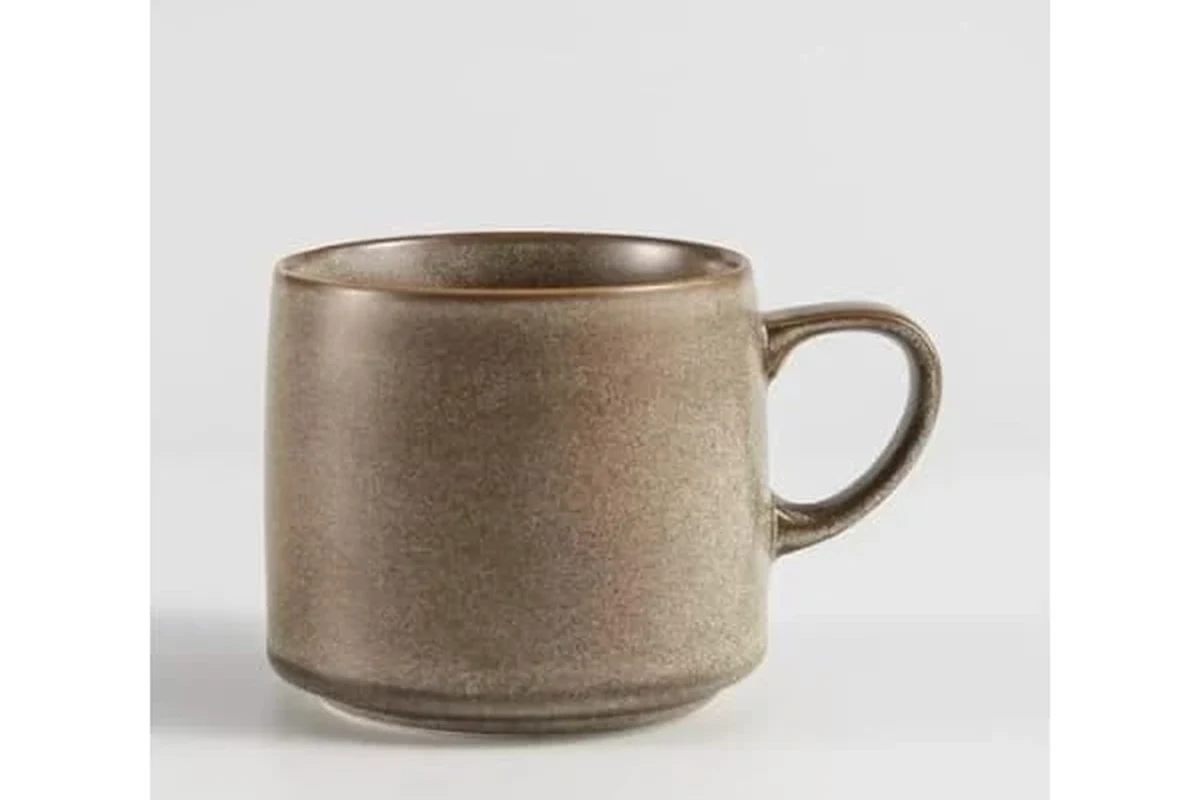
You usually cannot tell by looks alone. You need clear product info, food-safe claims, or third-party test results.
Labels and claims that matter most
Start with the product page, box, or bottom stamp. Helpful terms include lead free, food safe, and dishwasher safe, though those claims do not always mean the same thing.
Look for a clear description of the material and finish. If the brand says the mug is safe for food contact, that is better than a vague style description.
Save the product listing or packaging. It can help if you need to check safety details later.
What food-safe and third-party tests can tell you
Food-safe labels tell you the mug is meant for drinks and regular kitchen use. Third-party tests can add more trust, especially for ceramic, porcelain, or vintage pieces.
Still, test results depend on the exact mug, batch, and finish. If a seller does not share clear test info, treat the mug with caution.
Common warning signs that a mug may not be safe
Watch for bright painted trim, gold or silver edging, and heavy decoration on the drinking rim. These details do not always mean danger, but they deserve a closer look.
Also be careful with old mugs, handmade mugs with no label, and thrift store finds with no material info. If the maker is unknown, safety is harder to judge.
Microwave-safe and lead-free are different claims. A mug can be one and not the other.
Best Lead-Free Coffee Mug Materials to Consider
Material is your first filter. Finish and use case come next.
Plain ceramic and stoneware
Plain ceramic and stoneware can be good lead-free choices when the glaze is clearly food safe. They feel familiar, hold heat well, and work for most home coffee setups.
The main risk is quality control. Choose simple designs from brands that explain their glaze and food safety claims.
Glass mugs
Glass mugs are often a strong pick for cautious buyers. They do not need colored glaze on the drinking surface, so they can reduce one common concern.
They can still break if handled roughly. If you want easy visual checks and a clean look, glass is a smart option.
Stainless steel mugs
Stainless steel mugs are another solid lead-free option. They are common for travel, work, and outdoor use.
They do not have glaze, so that removes one issue. The trade-off is taste, weight, and the fact that some people prefer a ceramic feel.
Porcelain mugs with clear, lead-free glaze
Porcelain can be a great choice when the glaze is clear and clearly marked lead free. It often looks polished and feels nice in the hand.
Just be careful with decorative rims and printed art. Those details matter more than many shoppers realize.
Lead-Free Mug Materials at a Glance
Use the material, finish, and daily use to narrow your choice fast.
Usually easier to trust than heavy decoration.
Helps you judge food safety with less guesswork.
Lead-Free Mug Brands and Styles to Compare
Brand matters, but style matters too. The same brand may offer both safer and riskier designs.
Best for everyday home use
For daily use, look for plain ceramic, porcelain, or glass mugs with simple finishes. These are easy to wash and easy to inspect.
Choose a mug that fits your coffee maker, your hand, and your cabinet space. A safe mug that feels awkward usually gets used less.
Best for travel and commuting
Stainless steel travel mugs are often the best fit for commuting. They usually come with lids, hold heat well, and skip glaze concerns.
Check the lid material, too. A safe mug body does not help much if the lid leaks or traps odors.
Best for gift buying and style
For gifts, many people want a mug that looks special. In that case, choose a brand that clearly states its materials and food-safe finish.
Pretty mugs are fine. Just make sure the style does not hide risky decoration or unknown coatings.
Best budget-friendly picks
Budget-friendly does not have to mean unsafe. Plain glass mugs and simple ceramic mugs often give the best value.
What matters most is a clear label and a finish you can trust. A cheap mug with no safety details is not a bargain.
| Option | Best For | Key Consideration |
|---|---|---|
| Plain glass | Cautious buyers | Easy to inspect, but can break |
| Stainless steel | Travel and commuting | No glaze, but different drinking feel |
| Lead-free ceramic | Home use | Check glaze and decoration |
| Lead-free porcelain | Gift and style | Watch painted rims and trim |
What to Check Before You Buy a Coffee Mug
Before you buy, slow down and inspect the details. A few small checks can save you from a poor pick.
Glaze, paint, and rim details
Focus on the part that touches your drink. That means the inside, rim, and any painted edge.
If the mug has bright trim, metallic accents, or a rough surface, ask more questions. Simple is usually safer.
Microwave and dishwasher safety
Microwave and dishwasher safety are useful, but they do not prove lead-free status. They only tell you how the mug handles heat and cleaning.
Always follow the maker’s care guide. Some decorated mugs should never go in the microwave.
If a mug cracks, chips, or changes color, stop using it until you confirm it is still safe.
Size, handle comfort, and heat hold
A good mug should fit your drink habits. Some people want a small cup for espresso drinks. Others want a larger mug for drip coffee.
Also check the handle. If it feels cramped or gets too hot, the mug may not be a good daily fit.
Price versus long-term value
Value is more than the sticker price. A better-made mug may last longer and stay safer with normal use.
Cheap mugs can still be fine, but only if the finish and labeling are clear. If not, spend a little more for peace of mind.
- Confirm food-safe and lead-free claims
- Check glaze, paint, and rim details
- Review care rules and return policy
Common Mistakes People Make With Coffee Mugs
Most mug mistakes come from guessing. That is risky when the drinking surface matters.
Trusting looks instead of safety claims
A mug can look clean, modern, and expensive, yet still lack clear safety info. Style does not prove anything.
Always check the label, listing, or maker details before you buy.
Using old or imported mugs without checks
Older mugs can be lovely, but they may come from a time with weaker rules. Imported mugs can also vary a lot in quality.
If you love vintage pieces, treat them as display items unless you can verify safety.
Ignoring chips, cracks, and worn glaze
Damage can expose more of the mug’s surface. It can also make cleaning harder.
When a mug starts to wear out, it may be time to retire it from daily use.
- Check the inside, rim, and maker label
- Replace mugs with damaged surfaces
- Keep old decorative mugs for display only if needed
- Assuming every ceramic mug is lead free
- Using chipped vintage mugs without proof
- Ignoring worn paint near the drinking edge
How to Clean and Care for Lead-Free Coffee Mugs
Good care helps a safe mug stay safe. It also helps the finish last longer.
Safe daily cleaning steps
Wash mugs with warm water, mild soap, and a soft sponge. Rinse well so no soap stays behind.
If the mug is dishwasher safe, place it where it will not bang into other dishes. That helps reduce chips.
How to avoid damage to glaze and finish
Do not scrub hard with metal pads unless the maker says it is okay. Harsh cleaning can wear down the surface.
Also avoid sudden temperature swings when possible. A very hot mug and very cold water can be a bad mix for some materials.
Wash, rinse, and dry the mug fully.
Check for chips, cracks, and worn decoration.
When to replace a mug
Replace a mug if the glaze chips, the rim wears down, or the handle loosens. Also replace it if you can no longer trust the finish.
For an everyday coffee mug, safety and comfort should both stay high. If either one drops, it may be time for a new mug.
Final Verdict: The Safest Lead-Free Coffee Mug Picks for 2026
The safest lead-free coffee mugs are usually plain glass, stainless steel, and clearly labeled ceramic or porcelain mugs. The best choice depends on how you drink coffee and how much care you want to put into inspection.
Best overall choice
Plain glass mugs are the best overall choice for many cautious buyers. They are simple, easy to inspect, and usually free of glaze concerns.
Best value choice
Lead-free ceramic mugs with simple finishes are often the best value. They give a familiar feel and work well for daily home use.
Best choice for cautious buyers
Stainless steel mugs are the best choice for buyers who want to avoid glaze altogether. They are especially useful for travel and commuting.
Final buying advice from Red Kitchen Project Editorial Team
If you want to know what coffee mugs are lead free, start with the material, then check the finish. Choose clear labels, plain surfaces, and trusted food-safe claims.
When in doubt, skip decorative mystery mugs and go with a simple, well-labeled option. That’s the easiest way to buy with confidence in 2026.
- Plain glass and stainless steel are the safest simple picks
- Lead risk often comes from glaze, paint, or decoration
- Clear food-safe labeling matters more than looks alone
- Chips, cracks, and worn trim are warning signs
Frequently Asked Questions
Plain glass, stainless steel, and clearly labeled ceramic or porcelain mugs are the safest places to start. The finish and decoration matter as much as the base material.
Check the product listing, box, or bottom stamp for food-safe and lead-free claims. If the brand gives no clear material or finish details, treat the mug with caution.
Vintage mugs can be charming, but they may come from older rules and unknown finishes. Unless you can verify safety, it is smarter to keep them for display.
No. Those labels only describe how the mug handles heat and cleaning, not whether the glaze or paint contains lead.
Stop using it if the damage affects the drinking edge, glaze, or decoration. Chips and cracks can make a mug harder to clean and less safe.
Plain glass is often the easiest choice for cautious buyers because it avoids glaze concerns. Stainless steel is a strong alternative for travel and commuting.