What to Look for in a French Press Coffee Maker Guide

Look for the right size, a tight filter, and a durable build when buying a French press. The best choice is the one that fits your routine and cleans up easily.
If you’re wondering what to look for in a French press coffee maker, start with size, filter quality, and build material. Those three choices shape taste, cleanup, and how long the press will last.
- Size matters: Match capacity to your daily coffee habits.
- Filter quality counts: A tighter fit means less grit.
- Material changes use: Glass, steel, and plastic each have trade-offs.
- Cleaning affects value: Easy-to-wash parts save time and effort.
- Safety comes first: Check heat guidance and avoid damaged glass.
What to Look for in a French Press Coffee Maker: The Quick Answer
The best French press for most people is one that fits your daily coffee habit, seals well, and feels sturdy in hand. A good model should also be easy to clean and simple to use every morning.
In short, focus on the parts you’ll notice every day. That means capacity, the plunger and filter, heat retention, and how safe and easy it feels to handle.
How a French Press Works and Why It Matters
A French press brews coffee by soaking grounds in hot water, then pressing a mesh filter through the liquid. That simple design gives you a full, bold cup with more body than paper-filter methods.
Because the coffee stays in contact with the water, small design details matter a lot. A loose plunger, weak filter, or poor heat control can change the flavor fast.
The basic brewing process
You add coarse coffee grounds, pour in hot water, and let the mix steep. After a few minutes, you press the plunger down slowly and pour the coffee out.
That process sounds easy, and it is. Still, the grind size, water temp, and steep time all affect the final cup.
French press coffee often tastes fuller because the mesh filter lets more fine oils pass through.
How design affects taste and texture
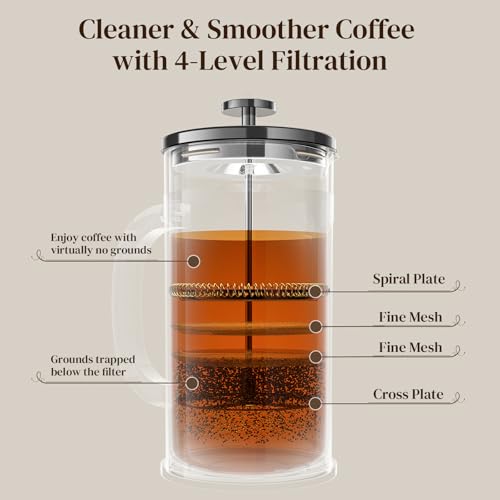
A tight filter helps keep grit out of the cup. A better seal also makes the press feel smoother when you push the plunger down.
Heat retention matters too. If the brew cools too fast, extraction can shift and the coffee may taste flat.
- Use a coarse grind for cleaner French press coffee.
- Pour slowly and press gently to avoid splashing.
- Serve soon after brewing for the best taste.
Key Features to Check Before You Buy
When you shop, don’t get distracted by looks alone. The best French press is the one that matches your kitchen, your habits, and your cleanup tolerance.
Material: glass, stainless steel, or plastic
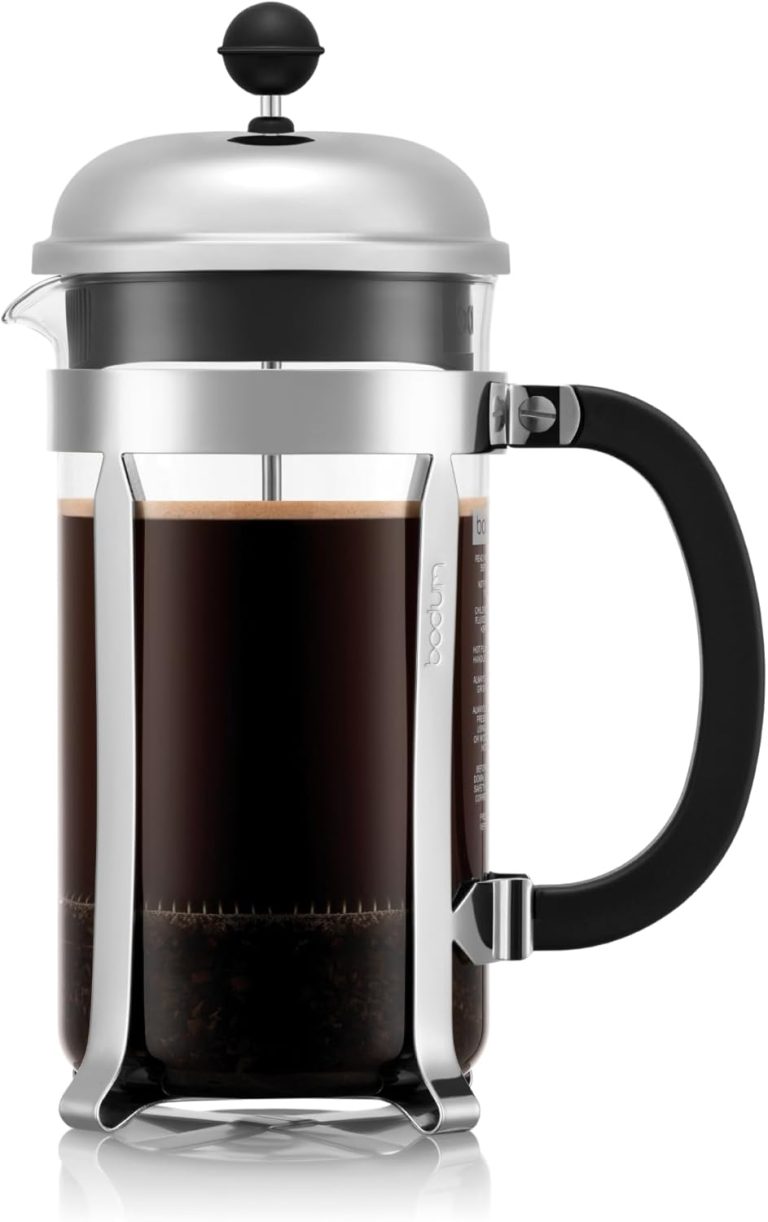
Glass presses let you see the brew and often feel classic. They can look great, but they may break more easily if dropped or bumped.
Stainless steel models usually feel tougher and often hold heat better. They can also hide the coffee level, which some people find less convenient.
Plastic presses are usually lighter and more travel-friendly. However, quality can vary, so check the material details and heat guidance in the product listing.
Best if you want a classic look and can handle it with care.
Best if you want better durability and heat retention.
Best if you want a lighter press for travel or casual use.
Capacity and serving size
Size is one of the first things to check. A press that’s too small forces you to brew twice, while one that’s too big can waste coffee.
Think about how you really drink coffee. If you brew only for yourself, a compact model may work best. If you serve guests or a family, a larger press makes more sense.
Filter quality and plunger fit
The filter does most of the work. A well-made mesh filter helps reduce sediment and gives a cleaner cup.
Also check the plunger fit. If it feels sloppy or uneven, you may get more grounds in the mug and a less pleasant press.
- Capacity and dimensions
- Filter design and plunger fit
- Cleaning steps and removable parts
- Material, heat retention, and safety notes
Heat retention and build quality
Heat retention helps keep the brew steady while it steeps. Stainless steel usually does well here, while thinner glass models may cool faster.
Build quality matters just as much. Look for a stable base, solid handle, and parts that line up cleanly.
Always follow the maker’s heat guidance. Some French presses handle boiling water well, while others do not.
Which French Press Is Best for Your Needs?
The right press depends on how you brew, where you use it, and how much cleanup you want. A “best” press for one person may be a poor fit for another.
Best for beginners
Beginners usually do best with a simple, sturdy model that has clear parts and easy cleanup. A basic design lowers the chance of user error.
Look for a press with a strong handle, a smooth plunger, and a filter that comes apart easily. That makes the first few brews less frustrating.
Best for travel or daily use
For travel, weight and durability matter more than looks. Stainless steel or tough plastic can make more sense than fragile glass.
For daily use at home, think about how often you wash it. A press with fewer small parts can save time every morning.
Best for rich flavor and strong coffee
If you want bold flavor, choose a press that seals well and keeps heat steady. That helps the coffee steep more evenly.
Many coffee fans like French press because it keeps more body in the cup. Still, the result depends on grind size, water temp, and brew time.
Simple, well-built French press with a tight filter
For most shoppers, the safest choice is a press that balances size, durability, and easy cleaning. The ideal model depends on your household, but a tight filter and solid build should be non-negotiable.
Benefits and Limits of French Press Coffee
French press coffee has a loyal following for good reason. It makes a rich cup with a hands-on feel that many people enjoy.
But it also has limits. It asks for a little more care than some automatic brewers.
Why coffee fans love it
French press brewing is simple and low-tech. You do not need pods, paper filters, or a power cord.
It also gives you more control over taste. You can change the grind, steep time, and water amount to suit your taste.
- Full, rich coffee with more body
- No paper filter needed
- Simple setup and easy brewing
- Good control over strength and flavor
Where it can fall short
French press coffee can leave some sediment in the cup. If you want a very clean, crisp brew, this style may not be your top pick.
It also needs a bit more cleanup than a drip mug. Grounds can stick to the filter and the bottom of the carafe.
- Rich taste and strong aroma
- Simple parts and no paper filters
- Flexible for small or large batches
- Can leave more sediment in the cup
- Needs careful cleaning after use
- Glass models can be more fragile
Common Buying Mistakes to Avoid
A lot of buyers focus on style first and regret it later. The better move is to look at how the press works in real life.
Choosing the wrong size
Buying too small is a common mistake. It can force extra brewing and make mornings slower.
Buying too large can be just as annoying. The coffee may cool too fast, and you may waste grounds on small batches.
Ignoring filter design
Some presses look similar but perform very differently. The filter and plunger fit can change the whole drinking experience.
If the filter feels flimsy, expect more grit and more mess. That can make the press less pleasant over time.
Overlooking cleaning needs
French presses need regular washing. If the parts are awkward to remove or rinse, you may stop using the press as often.
Check whether the carafe, lid, and filter parts are easy to take apart. That small detail can save a lot of time later.
The press leaves too much grit in the cup.
Check the filter fit, use a coarse grind, and press slowly without forcing it.
Cleaning, Safety, and Long-Term Care
Good care keeps a French press working well for years. It also makes each cup taste better.
How to clean it the right way
Rinse the press soon after brewing so grounds do not dry inside. Then wash all removable parts with warm water and mild soap.
If your model allows dishwasher use, follow the manual. Not every press or lid part is dishwasher safe.
Empty the grounds, rinse the parts, and wash with mild soap.
Check the mesh, plunger, and seals for wear or buildup.
Safety tips for hot water and glass parts
Hot water can burn you fast, so pour with care. Keep the press on a stable surface before you add water.
If you use glass, handle it gently and watch for chips or cracks. Stop using damaged equipment right away.
Follow the appliance manual and stop using damaged equipment.
How to make it last longer
Do not force the plunger down if it resists. That can strain the filter or bend small parts over time.
Store it dry and keep the lid and plunger clean. That helps reduce odor and buildup between uses.
- Rinse after every brew
- Check the filter for wear
- Store the press dry
- Forcing the plunger down
- Using cracked glass parts
- Leaving wet grounds inside
Final Recommendation: How to Choose the Right French Press
The best French press coffee maker is the one that fits your routine, not just your counter. Start with the right size, then check the filter, material, and cleaning steps.
If you want a simple everyday brewer, choose a sturdy model with a tight plunger and easy wash-up. If you travel often, a durable stainless steel or plastic press may suit you better.
In the end, the smartest choice is usually the one that balances flavor, durability, and ease of care. If you keep those three in mind, you’ll avoid most buyer regret.
- Choose the right size for your daily coffee habit.
- Check filter quality and plunger fit before anything else.
- Pick a material that matches your durability and heat needs.
- Make sure cleanup feels easy enough for regular use.
Frequently Asked Questions
Choose a size that matches how many cups you brew most days. A smaller press works well for one person, while a larger one suits couples or families.
Stainless steel usually offers better durability and heat retention. Glass gives you a classic look, but it can be more fragile.
Use a coarse grind and check that the filter fits tightly. Press slowly and avoid forcing the plunger.
Rinse it after every use and wash all removable parts regularly. If your model allows dishwasher use, follow the manual.
Check capacity, filter quality, build material, and how easy it is to clean. Also review the manual for heat and dishwasher guidance.
French press coffee can leave more sediment than paper-filter brews. It also needs a little more cleaning and care after each use.