Should You Make Cold Brew in the Fridge or Not

Yes, you can make cold brew in the fridge, and it’s a great choice for easy, steady brewing. It takes longer than countertop steeping, but it can be simpler and more convenient.
Yes, you can make cold brew in the fridge, and for many home brewers, it’s a smart choice. It slows the steeping process, but it can also help keep the brew cold, steady, and easy to manage.
The short answer is this. If you want simple, low-fuss cold brew, the fridge works well. If you want it faster, room temperature is usually better.
That trade-off matters. Cold brew is already a slow drink, so fridge brewing can stretch the wait. Still, the cooler setting can help if you want a more stable, low-risk setup.
- Best use: Fridge brewing suits easy, low-fuss cold brew.
- Main trade-off: Cooler temperatures usually mean a longer steep.
- Best grind: Use coarse coffee for cleaner filtering and better taste.
- Best container: A clean jar works well for most home brewers.
- Safety point: Keep tools clean and discard brew that smells off.
Should You Make Cold Brew in the Fridge or Not?
You should make cold brew in the fridge if you want a hands-off method and don’t mind waiting longer. It’s a good fit for busy people who like to set it up and forget it.
You may want to skip the fridge if you want faster extraction or a stronger brew in less time. In that case, a countertop steep often makes more sense.
Is fridge cold brew always better?
No. It depends on your taste, your schedule, and how much space you have in the fridge.
There’s also a practical side. A jar in the fridge takes up shelf space, and some brewers are too tall for crowded doors. So the best method often comes down to your kitchen, not just the coffee.
How Cold Brew Works and Why the Fridge Changes the Process
Cold brew works by soaking coffee grounds in cold water for a long time. Since the water stays cool, the coffee extracts more slowly than hot coffee.
The fridge changes that process by keeping the mix even colder. That can slow extraction even more, which affects both taste and timing.
What happens when coffee steeps in cold water
Cold water pulls flavors from coffee in a gentler way. It usually makes a drink that tastes smoother and less sharp than hot brewed coffee.
Because the process is slow, the coffee needs enough time to steep fully. If you cut the time too short, the result can taste weak or thin.
Cold brew often tastes less acidic than hot coffee, but taste still depends on the beans and brew ratio.
How fridge temperature affects flavor and brew time
A colder fridge slows the brew down. That can be helpful if your kitchen runs warm or if you want a very steady steep.
However, colder temperatures can also mean you need more time. If your brew tastes flat, it may simply need longer in the fridge.
Brew time varies by bean type, grind size, ratio, and your fridge’s actual temperature.
The Best Way to Make Cold Brew in the Fridge
The best fridge method is simple. Use coarse coffee, cold filtered water if you like, and a clean container with enough room for stirring.
Keep the setup easy. That helps you avoid mess and makes cleanup much less annoying later.
Simple ingredients and basic ratios
A common starting point is a coarse coffee-to-water ratio that makes a concentrate or ready-to-drink brew. The exact ratio depends on how strong you like it.
If you want a milder cup, use more water. If you want a stronger base for milk or ice, use less water.
Step-by-step fridge brewing method
Put coarse grounds in a clean jar or pitcher.
Wet all the grounds and stir gently.
Seal the container and place it in the fridge.
Filter out the grounds before serving.
For most home setups, a long steep is the key. Start with a standard cold brew window, then adjust next time if the flavor feels too weak or too bold.
Best containers and coffee grind size
A wide-mouth jar, pitcher, or cold brew brewer works well. The main goal is easy stirring and easy straining.
Use a coarse grind. Fine grounds can make the brew muddy and harder to filter. They can also leave more bitter grit behind.
- Use a container with extra room for stirring.
- Keep the lid on to limit fridge smells.
- Label the brew start time if you make it often.
Benefits of Brewing Cold Brew in the Fridge
Fridge brewing has a few real upsides. It can make the process cleaner, steadier, and easier to fit into a busy day.
That’s why many people like it. You do the work once, then let the fridge handle the rest.
Flavor, freshness, and convenience
The fridge helps keep the brew cold from start to finish. That can support a clean, fresh taste, especially in warm homes.
It also helps with convenience. You can mix it at night and strain it later without worrying about leaving it on the counter.
- Easy set-it-and-forget-it brewing
- Stable cold temperature during steeping
- Simple cleanup with the right container
Why some home brewers prefer this method
Some people just like the control. The fridge keeps the brew in one safe spot, away from sun and room heat.
Others like the taste. A slower, colder steep can feel smoother and less sharp, which many cold brew fans want.
Limits, Risks, and Common Mistakes
Fridge brewing is useful, but it’s not perfect. The biggest downsides are time, space, and the chance of weak flavor if you rush it.
You also need to keep things clean. Coffee may seem simple, but a dirty jar or old filter can ruin the batch.
When fridge brewing gets too slow
If your brew tastes underdone, the fridge may be part of the reason. Very cold storage can slow extraction enough that the coffee needs extra time.
That means fridge brewing may not suit people who want same-day coffee. If you want faster results, room temperature steeping often works better.
Storage issues, weak flavor, and oversteeping
Weak flavor usually means one of three things. The grind was too coarse, the ratio was too light, or the brew time was too short.
Oversteeping can also hurt taste. A very long steep may pull out dull or woody notes, especially if the coffee sits too long.
The brew tastes watery or flat.
Use a slightly finer coarse grind, more coffee, or a longer steep next time.
Food safety and cleanliness concerns
Cold brew is a food item, so clean tools matter. Wash jars, lids, filters, and spoons well before each batch.
Also, don’t leave brewed coffee sitting out too long. Follow safe storage habits and check your container for cracks, odors, or residue.
If a container smells sour, looks dirty, or has visible damage, clean it well or replace it.
Should You Use a Cold Brew Coffee Maker or a DIY Jar?
Both can work well. The better choice depends on how often you make cold brew and how much cleanup you want.
A dedicated cold brew maker can feel easier. A simple jar can feel cheaper and more flexible.
The real difference is convenience. A maker can simplify filtering, while a jar keeps the process basic and low cost.
Built for easier brewing
Good for frequent use, cleaner filtering, and less guesswork.
VS
Simple and flexible
Good for beginners, small budgets, and casual cold brew drinkers.
Who a cold brew maker is best for
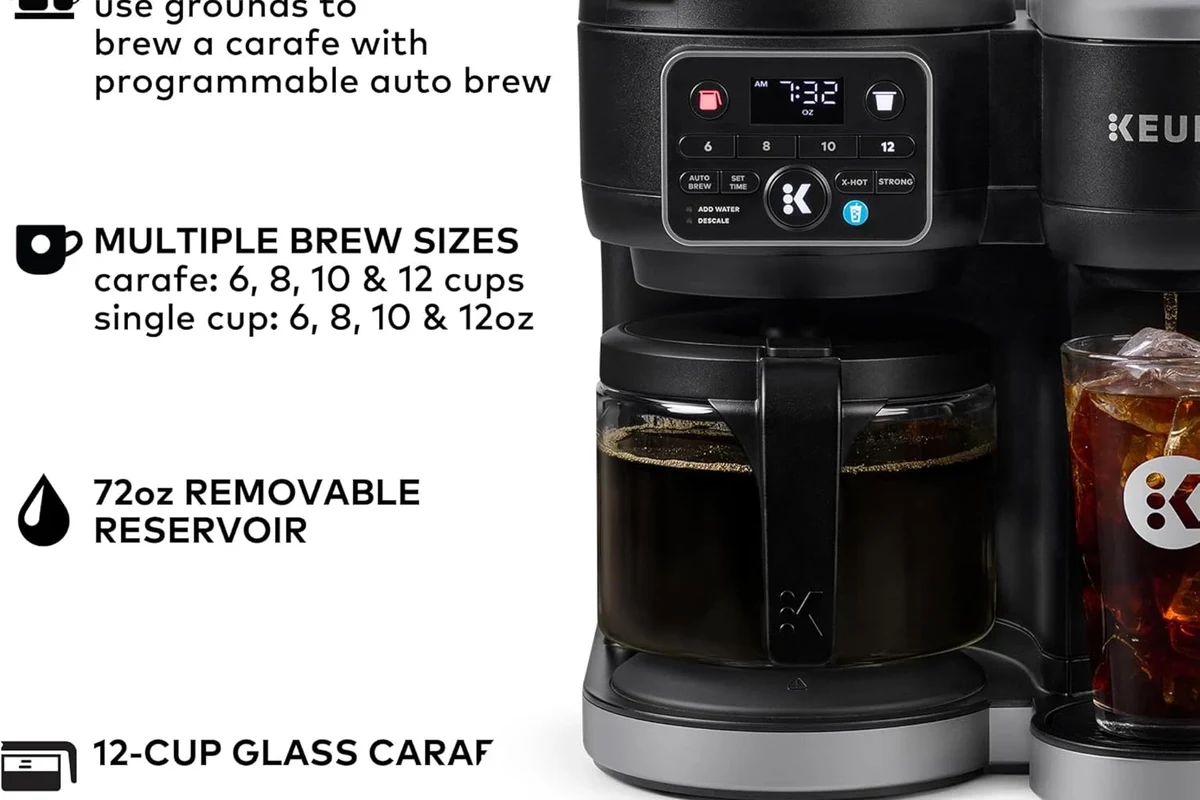
A cold brew maker is best if you brew often. It can make straining easier and may help keep grounds contained.
It’s also helpful if you want a neater setup. Some brewers are designed to fit better in the fridge and pour more cleanly.
Who should stick with a simple jar
A jar is best if you want low cost and low commitment. It works well for occasional batches and small households.
It’s also a good choice if you already have the right container. You may not need another appliance at all.
Cost, ease, and cleanup comparison
Cold brew makers often save time during straining. But they can add parts that need washing and storing.
Jars cost less and are easy to replace. The trade-off is that you may need to filter more carefully.
| Option | Best For | Key Consideration |
|---|---|---|
| Cold brew maker | Frequent brewers | Easier filtering and cleaner pouring |
| DIY jar | Beginners and budget users | Simple, but needs careful straining |
Cleaning, Storage, and Maintenance Tips
Good cleanup keeps cold brew tasting better. It also helps your tools last longer and smell fresher.
That matters more than people think. Old coffee oils can make the next batch taste stale.
How to clean containers and filters
Rinse containers right after use. Then wash them with warm, soapy water and let them dry fully.
If you use a filter or brew basket, clean it well so fine grounds do not build up. Check the manual if your brewer has removable parts.
Wash the jar, lid, and filter with warm, soapy water.
Inspect seals, screens, and any plastic parts for wear.
How long cold brew lasts in the fridge
Cold brew usually keeps best when stored cold in a clean, sealed container. Exact storage time can vary by recipe and fridge conditions.
If it smells off, tastes sour, or shows signs of spoilage, discard it. When in doubt, it’s safer to make a fresh batch.
Follow your brewer’s manual and stop using any damaged container, filter, or lid.
Final Verdict: Is Fridge Cold Brew Worth It?
Yes, fridge cold brew is worth it for many people. It’s simple, steady, and easy to fit into a normal kitchen routine.
It’s not the fastest method, though. If speed matters most, room temperature steeping may be the better choice.
Best choice for beginners, budget brewers, and busy coffee drinkers
Beginners often do well with a simple jar in the fridge. It keeps the method easy and helps you learn what strength you like.
Budget brewers should also start there. Busy coffee drinkers may prefer a cold brew maker if they want less mess and easier filtering.
Start with a jar and a coarse grind.
Choose a maker if cleanup matters most.
Use a counter steep if you want quicker results.
Clear recommendation based on taste, time, and effort
If you want the easiest path to cold brew, yes, make it in the fridge. You’ll get a simple, low-stress method with good flavor potential.
If you want the fastest cup, skip the fridge and use a warmer steeping spot. In short, fridge brewing is best for convenience, while countertop brewing is best for speed.
Fridge cold brew is a solid choice for most home brewers who value ease and steady results. If you want faster extraction or less fridge space use, a simple countertop method may suit you better.
- Fridge brewing works well, but it usually takes longer.
- Coarse grind and clean tools matter a lot.
- A jar is fine for most beginners.
- A cold brew maker helps if you brew often.
Frequently Asked Questions
Yes. Fridge brewing can taste a little steadier and slower to extract. The final flavor still depends on grind size, ratio, and steep time.
Use a coarse grind. Fine grounds can make the brew cloudy, bitter, and harder to filter.
It varies by recipe and fridge temperature. Start with a standard cold brew steep, then adjust the time if the coffee tastes weak or too strong.
Yes. A clean jar works well for many home brewers, especially beginners and budget shoppers. A maker mainly helps with filtering and cleanup.
Store it in a clean, sealed container in the fridge. If it smells off or tastes sour, throw it out and make a fresh batch.
Use more coffee, a slightly longer steep, or a bit finer coarse grind next time. Weak taste usually comes from a light ratio or short brew time.