Why Some Coffee Mugs Are Hand Wash Only Explained

Some coffee mugs are hand wash only because dishwashers can damage their print, finish, or seal. Hand washing is the safest way to protect delicate mugs and keep them looking good.
Some coffee mugs are hand wash only because dishwashers can damage their finish, print, or seal. The mug may still be safe for drinks, but its looks and structure can wear out faster in a machine.
- Label matters: Hand wash only means the maker wants gentler cleaning.
- Decoration is fragile: Prints, decals, and metallic trim often wear first.
- Dishwashers add stress: Heat, spray, and soap can fade or peel finishes.
- Gentle care helps: Mild soap and a soft sponge protect delicate mugs.
Why Some Coffee Mugs Are Hand Wash Only

The short answer is simple. Some mugs use materials or decorations that do not handle dishwasher heat, water force, or strong soap very well.
That does not always mean the mug is fragile. It often means the maker wants to protect a special surface, like a printed design, metallic trim, or insulated body.
The quick answer in plain terms
If a mug says hand wash only, the maker is warning you that a dishwasher may shorten its life. The mug might fade, chip, peel, or lose its seal over time.
In many homes, that label matters most for decorated mugs and travel mugs. Plain ceramic mugs often do fine in the dishwasher, but not always.
What the label really means
The label is a care rule, not just a suggestion. It tells you how the maker expects the mug to be cleaned for best results.
Sometimes the mug can survive a few dishwasher cycles. Still, repeated washing can slowly damage it.
Care rules can vary by brand, model, and finish. Always check the bottom stamp, package insert, or product page.
What Makes a Mug Hand Wash Only
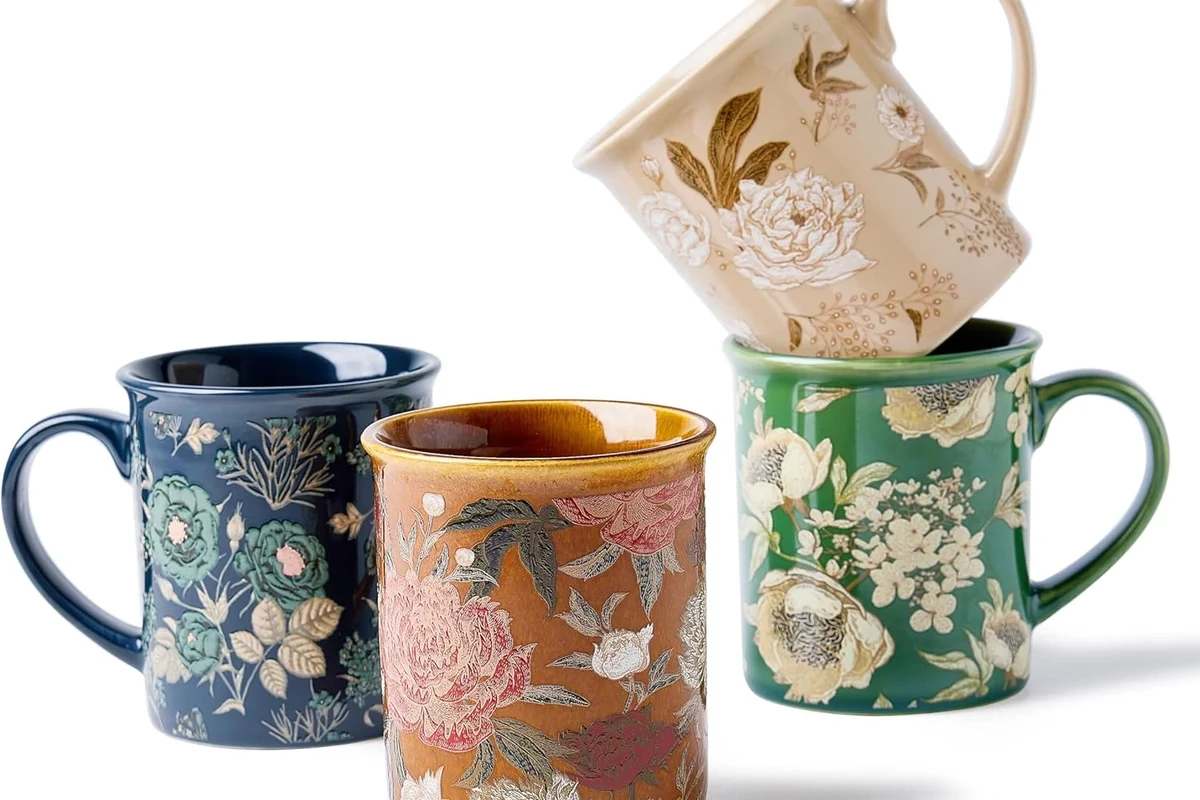
Many mugs look simple on the outside. But the details on the surface or inside the mug can make a big difference.
Printed designs and decals
Printed art and decals often sit on top of the mug surface. Dishwasher heat and detergent can slowly break them down.
Bright colors may fade first. Thin lines, logos, and gold accents can also wear away with time.
Metallic finishes, glazes, and special coatings
Metallic trim and shiny finishes need extra care. Harsh detergent and hot water can dull the shine.
Some glazes also react badly to repeated machine washing. Over time, the surface can look cloudy or uneven.
Gold rims and metallic details are often among the first mug features to wear in a dishwasher.
Insulated walls and sealed parts
Double-wall mugs and travel mugs often have sealed layers. That seal helps keep drinks hot or cold longer.
If water gets into that sealed space, the mug can lose insulation. In some cases, it may even trap moisture inside.
If a mug has a vacuum seal or insulation layer, follow the maker’s cleaning rules closely. Water inside sealed parts can cause damage.
How Dishwashers Can Damage Coffee Mugs
Dishwashers clean well, but they are also rough on delicate finishes. Heat, spray force, and detergent all play a part.
Heat, water pressure, and soap wear
Hot wash cycles can weaken glue, decals, and coatings. Strong spray can also hit the mug with steady force.
Dishwasher soap is made to clean hard. That is great for grease, but not always great for soft finishes.
Chips, cracks, fading, and peeling
Mugs can chip when they bump other dishes. Cracks may grow if the mug already has weak spots.
Fading and peeling often happen slowly. You may not notice damage after one wash, but it builds up.
Why some materials hold up better than others
Plain stoneware and some glazed ceramics often handle dishwashers better. Their surface is usually more stable.
Still, not every ceramic mug is the same. A hand-painted mug, even if ceramic, may need hand washing.
Often durable, but decoration can still be the weak point.
Prints and metallic trim usually need gentler care.
How to Tell If a Mug Needs Hand Washing
You do not always need to guess. A few quick checks can tell you a lot.
Reading care labels and bottom stamps
Look for dishwasher-safe icons on the mug or box. If you see hand wash only, follow that instruction.
Bottom stamps can help, but they are not always complete. When in doubt, check the maker’s website or manual.
What if the mug has no care label at all?
Use the safest choice and wash it by hand, especially if it has paint, trim, or a soft coating.
Spotting warning signs before damage starts
Look closely at the mug before and after washing. Small changes can warn you early.
- Colors look dull or faded.
- Edges feel rough or chipped.
- Print starts to lift or peel.
- The mug shows hairline cracks.
When the brand instructions matter most
Brand instructions matter most for gift mugs, collectible mugs, and insulated mugs. Those items often use special finishes.
They also matter if the mug came with a lid, sleeve, or insert. Extra parts may need different care.
Best Ways to Wash Hand Wash Only Mugs
Hand washing is easy when you keep it gentle. You do not need fancy tools.
Safe cleaning steps for daily use
Remove coffee stains before they set.
Use a soft sponge and light pressure.
Prevent water spots and trapped moisture.
What soaps and tools work best
A mild dish soap is usually enough. You want cleaning power, not harsh scrubbing.
Use a soft sponge, microfiber cloth, or soft bottle brush. Avoid anything that scratches the surface.
- Use mild soap and warm water.
- Clean stains early.
- Rinse well after washing.
- Use steel wool or rough pads.
- Soak delicate mugs for long periods.
- Scrub printed areas hard.
How to dry and store mugs the right way
Dry mugs with a soft towel or let them air dry on a rack. This helps protect prints and trim.
Store mugs so they do not knock into each other. A crowded shelf can cause chips.
- Place a soft liner between stacked mugs.
- Keep decorated mugs on higher shelves.
- Check handles for tiny cracks often.
Common Mistakes That Shorten Mug Life
A few simple habits can cut a mug’s life short. Most of them happen by accident.
Using harsh scrubbers
Rough scrubbers can scratch glaze and strip print. Once the surface wears down, damage spreads faster.
That is especially true for matte finishes and metallic trim. They show wear sooner than plain glossy mugs.
Leaving mugs in hot cycles too long
Long hot cycles can be hard on delicate mugs. Extra heat gives coatings more time to break down.
If your dishwasher has a heated dry setting, that can add more stress. Hand washing avoids that risk.
Stacking mugs the wrong way
Stacking mugs rim to rim can cause chips. Handles can also bump and crack if shelves are crowded.
If you must stack them, use care. Give each mug enough room to rest safely.
Buying Guide: How to Choose a Mug That Fits Your Routine
When you shop for mugs, think about how you really live. The best mug is not always the prettiest one.
When dishwasher safety matters more than design
If you use mugs every day, dishwasher safety can save time. It also helps if your kitchen already runs full of dishes.
For busy homes, a plain dishwasher-safe mug is often the easiest pick. It gives you less worry and less hand washing.
When hand wash care is worth the tradeoff
Some mugs are worth the extra care because they look special. That can include handmade mugs, souvenir mugs, or art mugs.
If a mug has personal meaning, hand washing is often a fair trade. A little extra care can help it last longer.
Value, durability, and style compared
Cheap mugs are not always less durable. And expensive mugs are not always dishwasher safe.
Look at the full package. Think about material, finish, care needs, and how often you will use it.
Choose dishwasher safety for convenience. Choose hand wash care when the mug’s finish or design matters more.
Final Recommendation: When to Hand Wash and When to Skip It
If the mug says hand wash only, follow that rule. It is the safest way to protect the mug’s look and structure.
For plain mugs with no special finish, dishwasher use is often fine. Still, always check the maker’s guidance first.
Best choice for busy homes
Choose dishwasher-safe mugs if you want less cleanup and fewer care steps. They fit daily use best.
If you buy a mug set, check each mug type. A set can include mixed materials or finishes.
Best choice for gift mugs and display pieces
Choose hand wash only care for mugs with art, metallic trim, or personal value. Gentle washing helps preserve the details.
That is often the right call for keepsakes. A few extra seconds at the sink can protect a mug for years.
Hand wash only mugs need gentle care because dishwashers can damage their print, finish, or seal. For everyday use, pick dishwasher-safe mugs; for special mugs, hand washing is the better long-term choice.
Frequently Asked Questions
Many mugs have prints, metallic trim, or special coatings that can wear down in a dishwasher. The label helps protect the mug’s look and structure.
It might survive one wash, but damage can still start. If the mug has a delicate finish or seal, hand washing is the safer choice.
Check the bottom stamp, care label, box, or maker’s website. If you do not see clear dishwasher-safe guidance, hand washing is the cautious choice.
Use warm water, mild dish soap, and a soft sponge. Dry it right away to help protect the finish and avoid water spots.
Heat, detergent, and strong spray can break down decals and printed inks over time. Repeated cycles often make fading and peeling worse.
Stop using it if you see cracks, sharp chips, peeling, or a damaged seal. If the mug is insulated and water gets inside, follow the maker’s guidance.