Electric Milk Frother Safety Tips for Home Baristas

Use the fill line, keep the base dry, and stay nearby while the frother runs. Clean it after each use and stop using it if it overheats or looks damaged.
Electric milk frother safety tips matter because these small appliances use heat, spinning parts, and sometimes steam. Used the right way, they are simple and handy. Used the wrong way, they can spill hot milk, scorch surfaces, or damage the unit.
This guide walks through safe daily use, smart buying choices, cleaning habits, and warning signs to watch for. It also helps you know when to stop using the frother and check the manual or the maker’s support page.
- Follow the manual: Model rules can differ for heat, fill lines, and cleaning.
- Prevent spills: Never overfill the jug, even for small drinks.
- Keep it dry: Water near the base or cord can create electrical risk.
- Watch for damage: Cracks, scorch marks, or odd smells mean stop using it.
What Electric Milk Frothers Are and Why Safety Matters
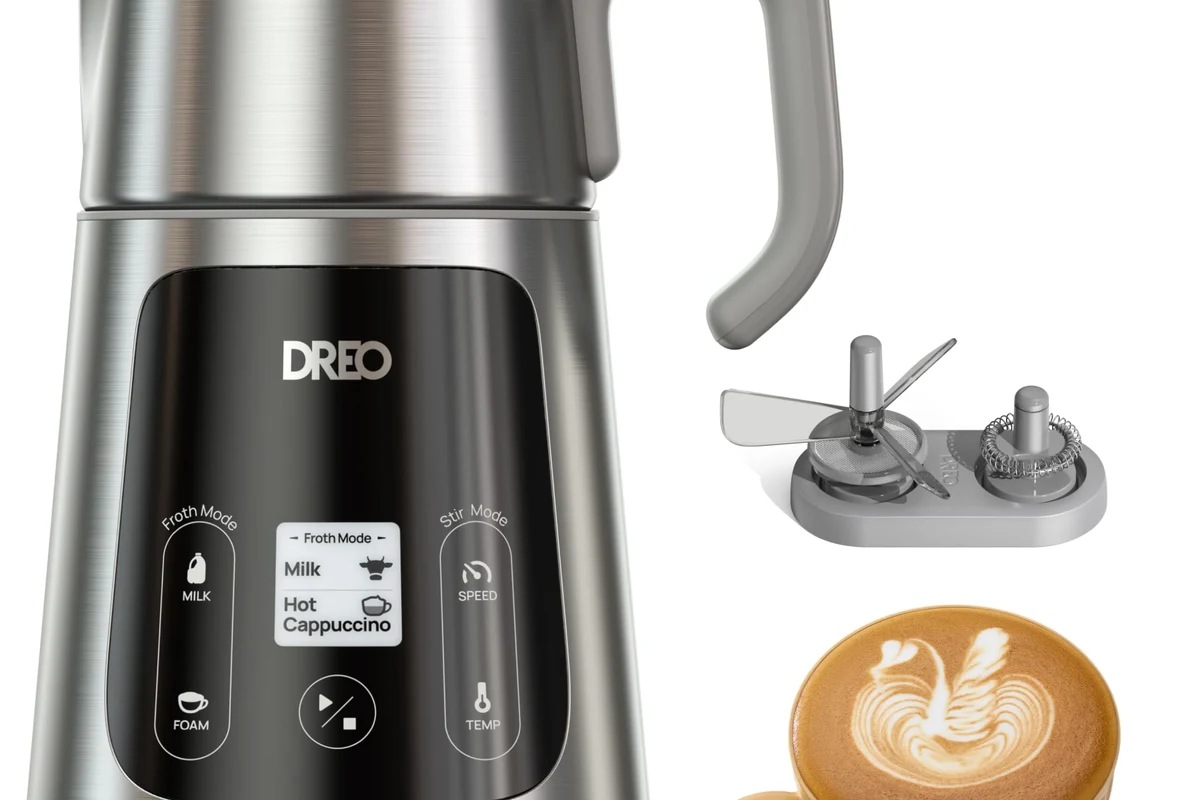
Electric milk frothers heat and mix milk to make foam for drinks like lattes and cappuccinos. Some models warm milk and froth it at the same time. Others only froth cold or room temp milk.
They may look simple, but they still need care. Hot milk can burn skin fast. Steam can sting. Water near the base or cord can also create an electrical risk.
How a frother works in a home kitchen
Most electric frothers use a small whisk, a spinning disk, or an induction-style heater. The motor or heating part sits in the base or under the jug. The whisk adds air, which turns milk into foam.
That means the machine has both food and electrical parts. You need to keep those parts clean and dry in the right places. You also need to use the fill line so the milk has room to expand.
Why safety rules matter for hot milk and steam
Milk can rise fast once it warms. If you overfill the jug, it can spill or splash. That can make a mess and can also burn your hand or counter.
Steam is another issue. It can build up near the lid or spout and escape in a sudden burst. In short, a frother is safe when you respect heat, motion, and fill limits.
Always follow the manual for your exact model. Safety steps can vary by brand, size, and heating method.
Electric Milk Frother Safety Tips for Daily Use
Safe frothing starts before you press a button. A few small habits can prevent burns, spills, and damage. The goal is simple. Keep the machine stable, dry, and within its limits.
Read the manual before the first use
Start with the manual, even if the frother looks easy to use. It tells you the fill line, safe milk types, cleaning steps, and any parts you should never soak. It may also explain whether the jug is dishwasher safe.
Do not guess on first use. For example, some frothers can heat milk. Others only froth. That difference changes how you handle them.
Use the right milk level and fill line
Never fill past the marked line. Milk expands as it froths, so extra space matters. If you go over the limit, foam can overflow onto the base or counter.
Use the line that matches your goal. Some models have separate marks for froth and heat. If your unit has one line only, treat it as the max level.
Pour less than you think you need. Foam grows fast, and a little room helps prevent spills.
Keep hands, cords, and water away from heat and power parts
Place the frother on a dry, flat counter. Keep the cord away from the edge, sink, and stove. Do not touch plugs with wet hands.
Also, do not move the frother while it is running. A quick bump can tip it and send hot milk onto your skin. Keep children and pets back while it works.
Watch for hot surfaces and steam burns
The jug, lid, and metal parts can get hot. Even if the handle feels cool, the body may not be. Use care when lifting the jug and pouring foam.
Let the frother cool before cleaning. If you open a lid too soon, steam can hit your hand or face. A short pause is safer than a rushed pour.
Follow the appliance manual and stop using damaged equipment.
How to Choose a Safe Electric Milk Frother
Safety starts at the store, not just at the counter. A well-made frother should fit your kitchen, your drink habits, and your cleaning routine. It should also have clear limits and easy controls.
Important safety features to look for
Look for auto shutoff, overheat protection, and a stable base. These features help reduce risk if you get distracted. Clear fill marks also help prevent overflow.
A cool-touch handle can help too. So can a lid that fits well without being hard to remove. Simple controls are often easier to use safely than crowded button sets.
Turns the unit off after a cycle ends.
Helps limit damage if the jug runs too hot.
Makes it easier to avoid spills and splashes.
Helps the frother stay steady on the counter.
Best materials for heat, cleaning, and long life
Stainless steel jugs are common because they handle heat well and clean up easily. Some models use nonstick coatings, which can help with cleanup. The best choice depends on care needs and build quality.
Also check the lid, whisk, and handle. Parts that remove easily can make cleaning safer. If a part traps milk or feels flimsy, it may be harder to maintain over time.
Capacity, power, and auto shutoff as key buying points
Capacity matters because a small frother can overflow fast. A large one may take more space but can suit families or frequent use. Pick the size that fits your usual drink count.
Power and heating speed vary by model. Faster is not always better if the unit runs too hot. Auto shutoff is one of the most useful safety features because it helps when you step away.
- Check fill line, capacity, and counter footprint.
- Look for auto shutoff and overheat protection.
- Review cleaning steps and removable parts.
- Confirm cord length and storage needs.
- Read warranty terms and recall notices.
Common Mistakes That Can Make Frothing Unsafe
Most frother problems come from simple mistakes. The good news is that many are easy to avoid. A careful setup and a little patience go a long way.
Overfilling the jug
Overfilling is one of the fastest ways to make a mess. Milk expands as air gets whipped in. If the jug is too full, foam can climb out of the top.
That can stain the counter and reach the base. In some cases, it can also affect the motor or heating area. Use the fill line every time, even for a small drink.
Using the wrong milk or thick mix
Not every liquid belongs in a frother. Very thick mixes, syrups, or powders can clog the whisk or strain the motor. Some plant milks also foam better than others, but results vary by brand.
Check the manual before trying anything beyond milk. If a recipe calls for a thick mix, use a method made for that job. A frother is not a blender.
Leaving the frother unattended
Do not walk away for long while it runs. Milk can overheat, foam can rise, and the unit can shut off at the wrong time if something goes wrong. A quick glance is often all it takes to catch a problem early.
If you need to leave the kitchen, stop the cycle first. That is safer than hoping the frother will finish without issue.
Cleaning the base or cord the wrong way
Never dunk the base in water unless the manual says it is safe. Wipe the outside with a damp cloth instead. Keep the plug and cord dry at all times.
Do not pull on the cord to unplug the unit. Grip the plug itself. That small habit helps protect the cord and the outlet.
Cleaning and Maintenance Tips to Keep Your Frother Safe
Clean gear is safer gear. Milk residue can smell bad, affect taste, and make parts stick. It can also hide wear that you need to spot early.
How to clean after each use
Let the frother cool first. Then remove the whisk or jug parts the manual says are washable. Rinse right away so milk does not dry on the surface.
Use mild soap and a soft sponge when allowed. Avoid rough scrub pads unless the maker says they are safe. Dry every part fully before putting it back together.
Rinse milk parts, wipe the base, and dry all pieces fully.
Check for buildup around the whisk, lid, and fill marks.
Inspect the cord, plug, and moving parts for wear or damage.
What parts need extra care
The whisk, lid, and seals often need the most attention. Milk can hide in small gaps. If those spots stay damp, they can get sticky or stale.
Watch the heating surface too, if your model has one. Built-up residue can affect performance and may lead to overheating. Keep the outside clean, but do not scrub any marked sensor or power area harshly.
When to replace worn whisk or damaged parts
Replace parts that bend, wobble, crack, or stop fitting well. A worn whisk may froth poorly and strain the motor. A damaged lid can also let steam escape in the wrong place.
If the maker sells replacement parts, use the correct ones for your model. If you cannot find them, contact support before using a makeshift fix. That is safer than forcing a bad fit.
Troubleshooting Safety Problems Before They Get Worse
Some frother issues are small. Others are warning signs. The key is knowing the difference and acting early.
What to do if the frother overheats
If the unit feels too hot, smells strange, or shuts off early, stop using it. Unplug it and let it cool fully. Then check the manual for the proper next step.
Do not keep restarting it right away. Repeated overheating can make the problem worse. If the issue returns, contact the maker for help.
The frother gets very hot, smells burnt, or cuts off early.
Unplug it, let it cool, and check for overfill, residue, or a blocked whisk.
What to check if it makes odd sounds or stops working
Odd grinding, clicking, or rattling can mean a loose whisk or buildup inside the jug. First, unplug the unit and inspect the visible parts. Make sure nothing is stuck around the whisk or lid.
If it will not start, check the outlet, plug, and power switch. Try another outlet if the manual allows it. If the cord or plug looks damaged, stop there.
When to stop using the unit and get support
Stop using the frother if you see cracks, scorch marks, exposed wire, or repeated shutoffs. Also stop if the base gets wet inside or the lid no longer fits well.
Do not open the housing or try internal electrical repairs. That can be dangerous and may void the warranty. Use the maker’s support team or a qualified repair service instead.
Best Practices for Safe Frothing at Home
Safe frothing is mostly about habits. Once you build a simple routine, the process feels easy and calm. That is great news for busy mornings.
Simple habits that protect you and your kitchen
Set the frother on a dry, flat spot. Use the right milk amount. Stay nearby while it runs. Then let it cool before you rinse it.
A small towel nearby can help with drips. So can a clear space around the machine. Little setup choices prevent a lot of cleanup later.
- Use the fill line every time.
- Keep the base dry and stable.
- Unplug before cleaning.
- Overfilling the jug.
- Leaving the frother alone while it runs.
- Washing the electrical base under water.
How to froth milk for lattes, cappuccinos, and cold drinks safely
For hot drinks, use the cycle that matches your milk and cup size. Do not rush the pour, since hot foam can splash. For cold foam, use the model’s cold setting if it has one.
Different drinks need different foam textures. Lattes often use smoother foam. Cappuccinos often use thicker foam. Cold drinks may need less heat and more care with splashing.
Plant milks, reduced-fat milk, and flavored mixes can behave very differently. Results depend on the brand and the model.
Final Recommendation for Home Baristas
An electric milk frother is a smart choice if you want quick foam with little effort. It works well for most home baristas who want an easy daily routine. It is especially useful when safety features and simple cleaning matter most.
Who should use an electric milk frother
Choose one if you make milk drinks often and want a fast, neat setup. It also suits people who want more control than a manual whisk gives. A model with auto shutoff and clear fill marks is a strong pick for most homes.
When a different frothing method may be safer or better
A manual frother, French press, or steam wand may fit better in some kitchens. That can be true if you want less heat, fewer parts, or more control over texture. The safest method is the one you can use cleanly and confidently every time.
For most home baristas, an electric milk frother is safe and convenient when you follow the fill line, keep the base dry, and clean it after each use. If your kitchen is tight, your drinks are simple, or you want fewer electrical parts, a manual frothing method may be the better fit.
- Use the manual and respect the fill line.
- Keep water away from the base and cord.
- Clean and dry parts after every use.
- Stop using the unit if it overheats or looks damaged.
Frequently Asked Questions
Read the manual first and use the fill line every time. Keep the base dry, stay nearby while it runs, and let it cool before cleaning.
Auto shutoff and overheat protection are very helpful. A stable base and clear fill marks also make daily use safer.
Some plant milks work well, but results vary by brand and model. Thick mixes can strain the unit, so check the manual before trying them.
Unplug it first and let it cool. Wash only the parts the maker says are safe, and never soak the base unless the manual allows it.
Stop using it if you see cracks, scorch marks, exposed wire, or repeated overheating. Contact the maker or a qualified repair service for help.
Not always. An electric frother is convenient, but a manual method may be safer if you want fewer heat and electrical parts.