Electric Milk Frother for Latte Guide to Better Foam

An electric milk frother makes it easier to create smooth latte foam at home. The best results come from the right milk, the right fill level, and careful cleanup.
An electric milk frother can make better latte foam at home with less effort. It heats and whips milk into a smooth, airy texture that works well for lattes, cappuccinos, and other coffee drinks.
- Easy foam: Electric frothers make latte foam fast and with less skill.
- Milk matters: Dairy and barista-style plant milks often froth best.
- Size counts: Match capacity to one drink, family use, or small counters.
- Cleanup matters: Fresh cleanup keeps taste better and reduces buildup.
What an Electric Milk Frother Does for Latte Foam

An electric frother gives you more control than shaking milk by hand or using a whisk. It can build foam fast, warm the milk, and help you get a softer texture for latte-style drinks.
For home lattes, that matters because good foam does more than sit on top. It changes the feel of the drink, helps blend the espresso and milk, and makes each sip taste rounder.
The quick answer for better home lattes
If you want a simple path to café-style foam, an electric milk frother is one of the easiest tools to buy. It helps you make warm, fine foam without much skill.
It is especially useful if you make one or two drinks at a time. You do not need a full espresso setup to get a nicer latte at home.
How frothy milk changes taste and texture
Foamed milk feels lighter on the tongue than plain steamed milk. It also softens the sharp edge of espresso.
That smooth mix is what many people want in a latte. In short, the foam should feel creamy, not stiff or dry.
For latte foam, aim for small bubbles and a glossy look. Big bubbles usually mean the milk got whipped too hard.
How an Electric Milk Frother Works

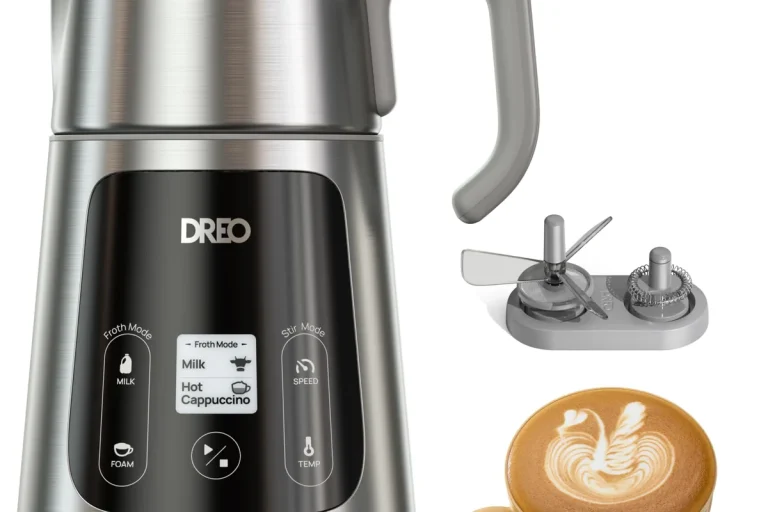
Most electric frothers use a spinning whisk, a heating plate, or both. The whisk pulls air into the milk, while the heater warms it to a drinkable level.
Some models make hot foam, cold foam, or just warm milk. The right choice depends on how you like your coffee.
Whisk styles, heat settings, and froth types
Whisk shape affects the foam. A spring whisk often makes lighter foam, while a disk-style whisk may make a denser result.
Heat settings also matter. Gentle heat helps milk taste sweet and smooth, while too much heat can hurt the flavor.
Many frothers offer several modes. That gives you more room to match the foam to your drink.
Exact results vary by model, milk type, and fill level. Always check the manual for the right minimum and maximum amounts.
Why milk type matters for foam results
Milk proteins help trap air. That is why some milks foam better than others.
Fat content also changes the feel. Higher-fat milk often tastes richer, while lower-fat milk can make a lighter foam.
Plant milks vary a lot. Some foam well, and some fall flat fast.
How to Choose the Right Electric Milk Frother for Latte Use
The best frother for lattes is not always the one with the most features. It is the one that fits your kitchen, your drink size, and how often you plan to use it.
Think about capacity, cleanup, heat control, and storage before you buy.
- Capacity and dimensions
- Controls, cleaning, warranty, and safety
- Hot and cold froth modes
- Milk type support
Key specs to check before you buy
Look at the milk capacity first. A frother that is too small may overflow, while one that is too large may waste milk.
Check the control panel too. Simple one-touch models work well for many homes.
Also look for easy-clean parts. A removable whisk or nonstick jug can save time after breakfast.
Best options for single drinks, families, and small kitchens
For one person, a compact frother usually makes the most sense. It saves counter space and is easy to store.
For families, a larger model may help if several people want coffee drinks in the morning. You may still need to froth in batches.
If your kitchen is tight, choose a small base and a simple jug. That keeps the setup neat and easy to use.
Best for limited counter space and single drinks.
Best for more milk and back-to-back drinks.
What to expect from budget and premium models
Budget frothers can do the basics well. They often make decent foam and warm milk with few settings.
Premium models may give you finer control, better build quality, and more foam modes. They may also feel easier to clean and store.
Still, a higher price does not always mean better latte foam. The best value depends on your daily routine.
Best Milk Choices and Latte Ratios for Smooth Foam
Milk choice has a big effect on foam quality. The right ratio also helps your latte taste balanced, not watery or heavy.
Think of the frother as one part of the recipe. The milk and espresso matter just as much.
Dairy milk vs plant milk for frothing
Many people find dairy milk the easiest to froth. It tends to make a stable, creamy foam.
Whole milk gives a richer drink. Lower-fat milk can make a lighter texture.
Plant milks can work too, but the results vary. Barista-style oat milk often performs better than thinner plant milks.
Milk that is too hot can taste flatter and foam less well. Gentle heating usually gives better flavor.
Simple milk-to-espresso ratios for common latte sizes
A classic latte uses more milk than espresso. That is what gives it a softer taste.
For a small latte, start with one espresso shot and about 6 to 8 ounces of milk. For a larger cup, use more milk and keep the espresso amount steady.
Adjust to taste. If you want a stronger drink, use less milk. If you want a softer drink, use more.
| Option | Best For | Key Consideration |
|---|---|---|
| Small latte | One serving | Use less milk for a stronger coffee taste |
| Standard latte | Everyday home use | Balance espresso and milk for smooth texture |
| Large latte | Big mugs | Check frother capacity before filling |
How to Make a Latte with an Electric Milk Frother
The process is simple once you know the order. Heat and froth the milk first, then add it to fresh espresso.
That way, the foam stays smooth and the drink tastes balanced.
Step-by-step frothing method
Fill the frother within the marked line or manual limit.
Choose hot foam, warm milk, or cold foam as needed.
Wait until the cycle ends, then check the foam texture.
Pour soon after frothing so the foam stays light and smooth.
- Use fresh milk for better foam and cleaner taste.
- Wipe the jug soon after use to prevent dried milk.
- Warm the cup first if you want the drink to stay hot longer.
How to pour, swirl, and finish the drink
Pour the milk slowly at first. That helps the espresso and milk blend well.
Then spoon the foam on top if needed. A light swirl can help the drink look smoother.
If you like a simple finish, dust the top with cocoa or cinnamon. Keep it light so the coffee still shines through.
Common Frothing Mistakes and How to Fix Them
Most frothing problems come from too much heat, too much air, or the wrong milk level. The good news is that many are easy to fix.
You usually do not need a new machine. You just need a better routine.
Thin foam, big bubbles, and overheated milk
The foam looks loose, thin, or full of large bubbles.
Use the right fill line, avoid overfilling, and choose a gentler froth cycle.
The milk tastes cooked or flat.
Lower the heat setting if your model allows it, or stop the cycle sooner.
The frother spills or splashes.
Use less milk and make sure the whisk and lid are seated correctly.
Fixes for weak texture and poor taste
If the foam feels weak, try a different milk. Some brands work much better than others.
If the drink tastes bland, the espresso may be the issue, not the frother. A fresher shot or a stronger brew can help.
Also check the frother after cleaning. Leftover milk film can affect both taste and foam quality.
Cleaning, Safety, and Ongoing Maintenance
Cleaning matters as much as frothing. Dried milk can affect taste, smell, and performance.
Safety matters too. Electric frothers use heat and moving parts, so follow the manual closely.
How to clean the frother after each use
Unplug the unit if needed, let it cool, and wash the parts the manual allows.
Check the whisk, seals, and jug for wear, residue, or buildup.
Rinse right away if the design allows it. That makes cleanup much easier.
Use only the cleaning method in the manual. Some parts may be dishwasher-safe, but not all.
Follow the appliance manual and stop using damaged equipment.
Safety tips for heat, cords, and moving parts
Keep cords away from hot surfaces and water. That helps lower the chance of damage or shock.
Never run the frother with a damaged lid, cracked jug, or loose whisk. If something looks wrong, stop using it.
Also let hot milk cool a bit before serving to children. Milk can stay hot longer than it looks.
Final Verdict: Is an Electric Milk Frother Worth It for Latte Lovers?
For many home coffee drinkers, yes. An electric milk frother makes latte foam easier, faster, and more consistent.
It is a smart buy if you want better coffee without learning manual steaming. It is less useful if you already have an espresso machine with a good steam wand.
Who should buy one and who can skip it
A frother saves time and makes foam with little effort.
A steam wand may give you more control if you already know how to use it.
Value, convenience, and the best next step
The best electric frother is the one that fits your milk habits, counter space, and cleanup style. If you want a simple upgrade, start with a compact model that matches your usual drink size.
For most latte fans, that is enough to make home coffee feel much better. Check the manual, compare the froth modes, and choose the model that suits your daily routine.
An electric milk frother is a worthwhile tool for most latte lovers who want quick, creamy foam at home. Pick a model with the right capacity, easy cleanup, and the foam style you actually use.
Frequently Asked Questions
Check capacity, heat settings, foam modes, and cleanup first. The best model fits your drink size and daily routine.
Dairy milk often gives the most stable foam, especially whole or lower-fat milk. Barista-style oat milk can also work well, but results vary by brand.
Use the right milk fill level and avoid overfrothing. Gentle heat and fresh milk usually help make finer foam.
Follow the manual and clean the parts the maker says are washable. Unplug the unit, let it cool, and wipe it soon after use.
Yes, but results vary a lot by brand and type. Barista-style plant milks usually froth better than thinner versions.
Yes, if you want easier foam and faster prep. It is a strong value for small kitchens and casual coffee drinkers.